Humane Foundation
▾
Topic hub · Climate & Planet

Oceans, Fisheries & Aquaculture

Fishing is the largest direct human impact on wild animal populations. This hub covers stock assessments, bycatch and ghost gear, bottom-trawl carbon, sea-lice epidemics in salmon farms and what sustainable certification does and does not verify.

Stories
24
Writers
18
Reading time
127m
Desks
3
Aquaculture crowding in global fish farms shows tightly packed fish pens near coastline for welfare comparison
Featured Stories

Aquaculture Crowding vs Local Fish Welfare: A Global Data Comparison 2026

New data reveals how stocking densities in global aquaculture vary by region and why local fish welfare standards often lag behind industrial claims.

By Elena Vasquez · 6 min read

Stories in this hub

Related Reading

Frequently asked questions

Is farmed fish better for the ocean?
Not necessarily — carnivorous farmed species like salmon are fed wild-caught fish, and open-net pens release parasites, waste and escapees into surrounding waters.
What is bycatch?
Non-target animals — dolphins, turtles, sharks, seabirds — caught and usually discarded dead. It accounts for a large share of total marine catch.

Related hubs

Read across the whole subject

Compare explainers, investigations and practical guidance within this hub. A shared topic does not mean every result is interchangeable: check the species, country, date and methods behind each claim.

Reference sources

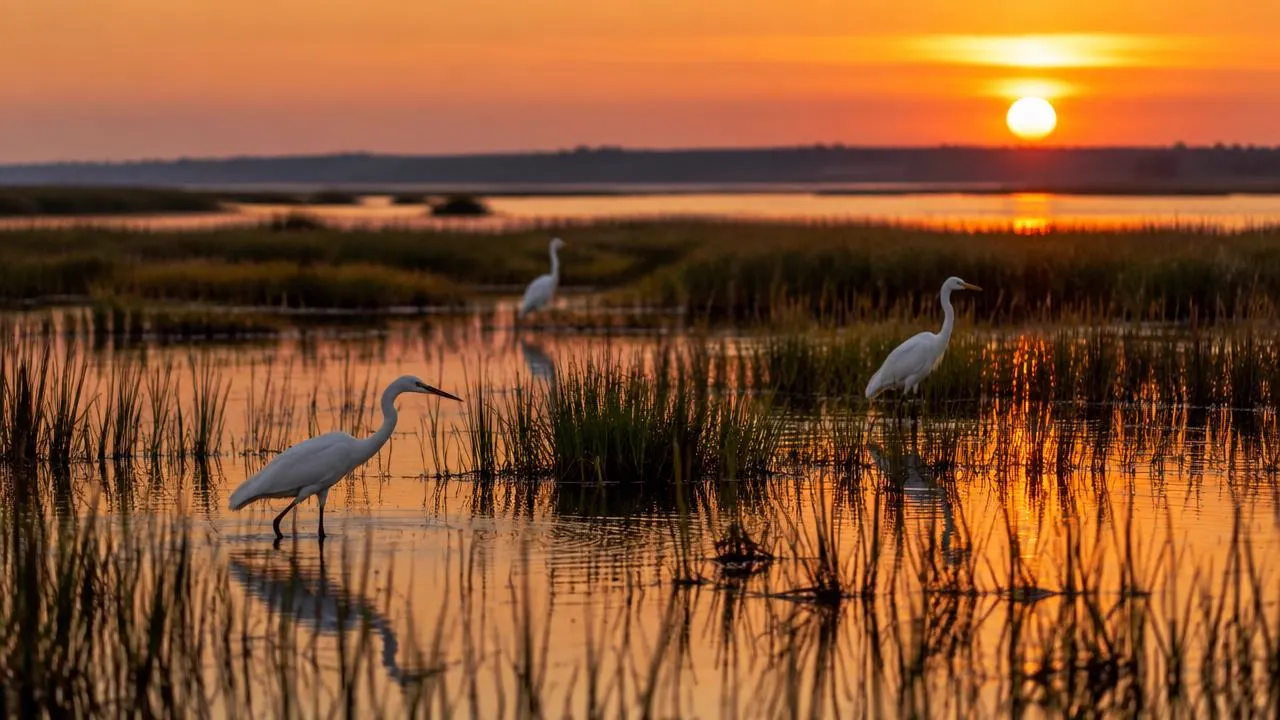
Egrets in a coastal wetland.

Weekly newsletter

Long-form ideas, delivered each Sunday.

One dispatch per week. The most substantial pieces from across every desk. Free.