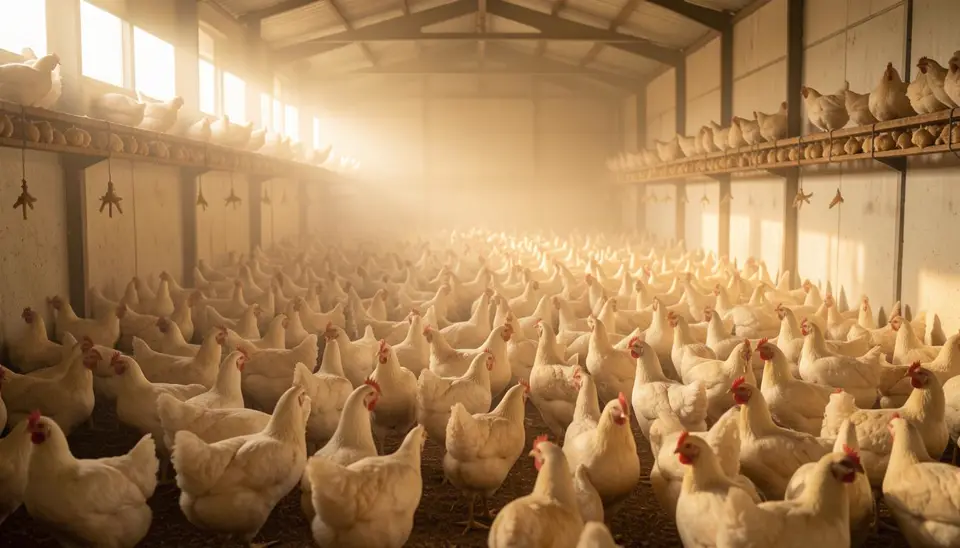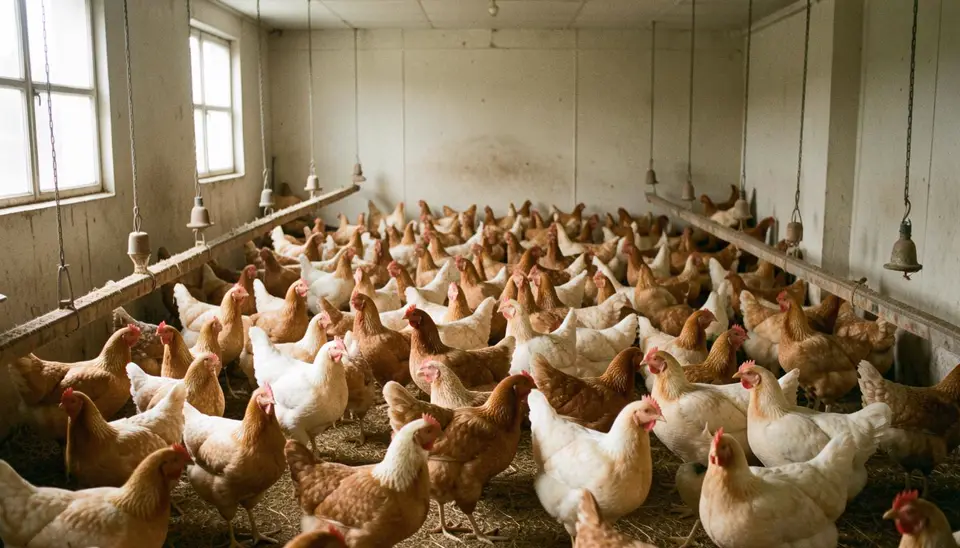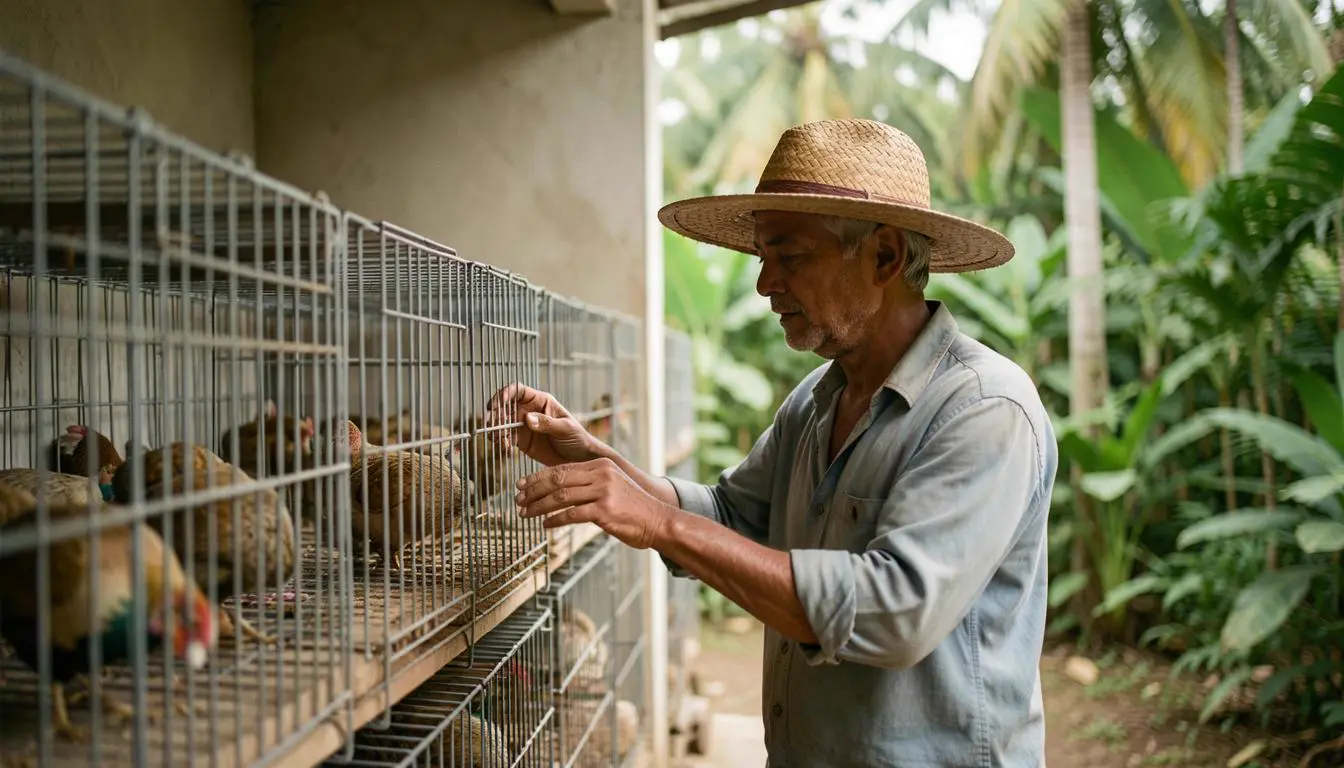
Battery cages, a contentious issue in animal agriculture, have been the subject of shareholder pressure due to welfare concerns. This article explores how religious and cultural traditions, such as kosher, halal, jhatka, and Jain, view and engage with this issue.
Kosher Certification and Battery Cages
Kosher certification focuses on ritual purity and adherence to Jewish dietary laws. The Orthodox Union (OU), a prominent kosher certifying agency, has faced criticism for certifying battery cage systems despite animal welfare concerns. However, the OU maintains that its primary role is to ensure ritual purity, not animal welfare.
“Our primary mission is to ensure compliance with Jewish dietary laws, not to address broader animal welfare issues.”
Halal Certification and Battery Cages
Halal certification, based on Islamic dietary laws, also focuses on ritual purity. However, there is more variation in interpretations of halal certification standards regarding animal welfare. Some certifiers, like the Halal Food Authority, require higher welfare standards, including more space for hens in battery cages.
| Certification Body | Space Allowed per Hen (cm²) |
|---|---|
| Islamic Food and Nutrition Council of America | 450 |
| Halal Food Authority | 550 |
| Islamic Services of America | 450 |
Jhatka and Jain Perspectives on Battery Cages
Jhatka, a Sikh method of slaughter, emphasizes quick and humane killing. However, it does not directly address housing conditions like battery cages. Jain tradition, advocating for non-violence towards all living beings, opposes battery cages due to the confinement and stress they cause to hens.
“Jains believe in Ahimsa, the principle of non-violence to all living beings. Battery cages cause suffering to hens and thus, are against Jain principles.”
Shareholder Pressure and Certification Standards
Shareholder pressure has driven changes in certification standards. In 2021, the British Retail Consortium, representing major UK supermarkets, announced it would no longer accept eggs from caged hens, leading to a phase-out of battery cages in the UK.
Frequently asked questions
What are the main welfare concerns with battery cages?+
Main concerns include limited space, inability to perform natural behaviors, and stress leading to feather pecking and cannibalism.
How many hens are kept in a typical battery cage?+
In the EU, the legal maximum is 9 hens per cage, but practices vary globally.
What are some alternatives to battery cages?+
Alternatives include enriched cages, barn systems, free-range, and organic systems.
What role do consumers play in driving change in animal agriculture?+
Consumers influence demand and can drive change through their purchasing decisions and advocacy.