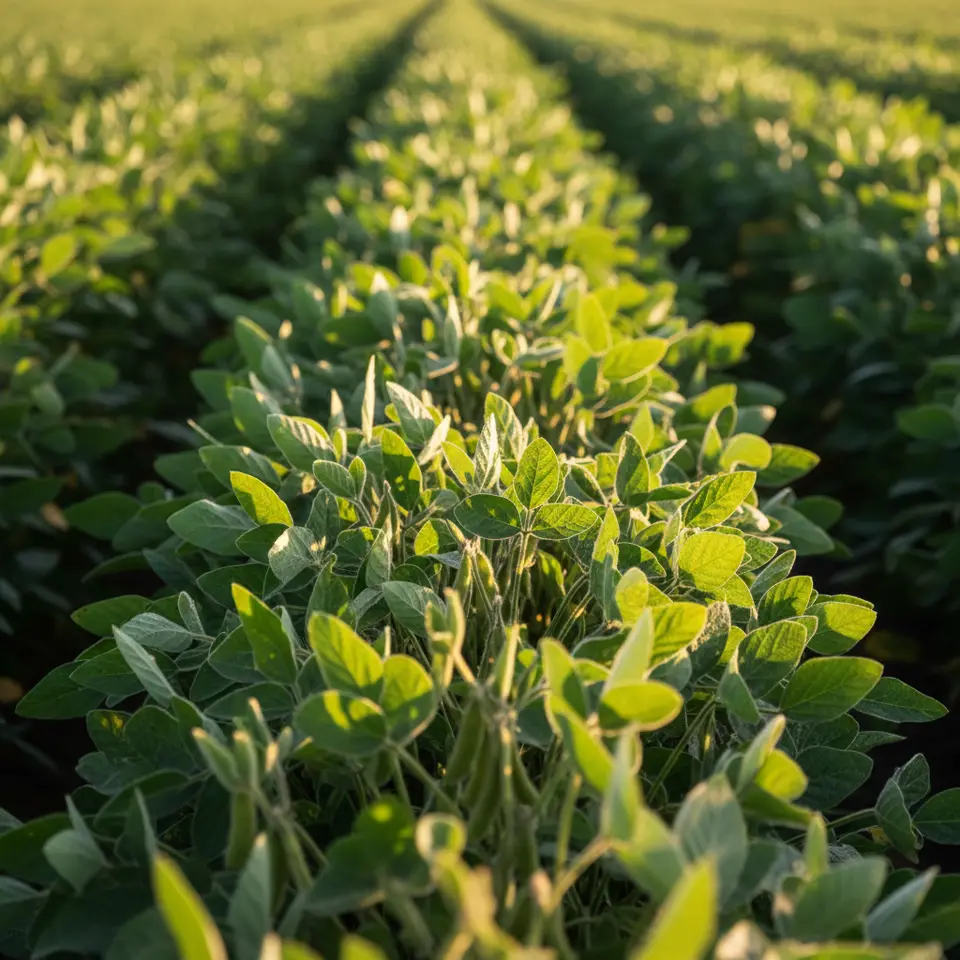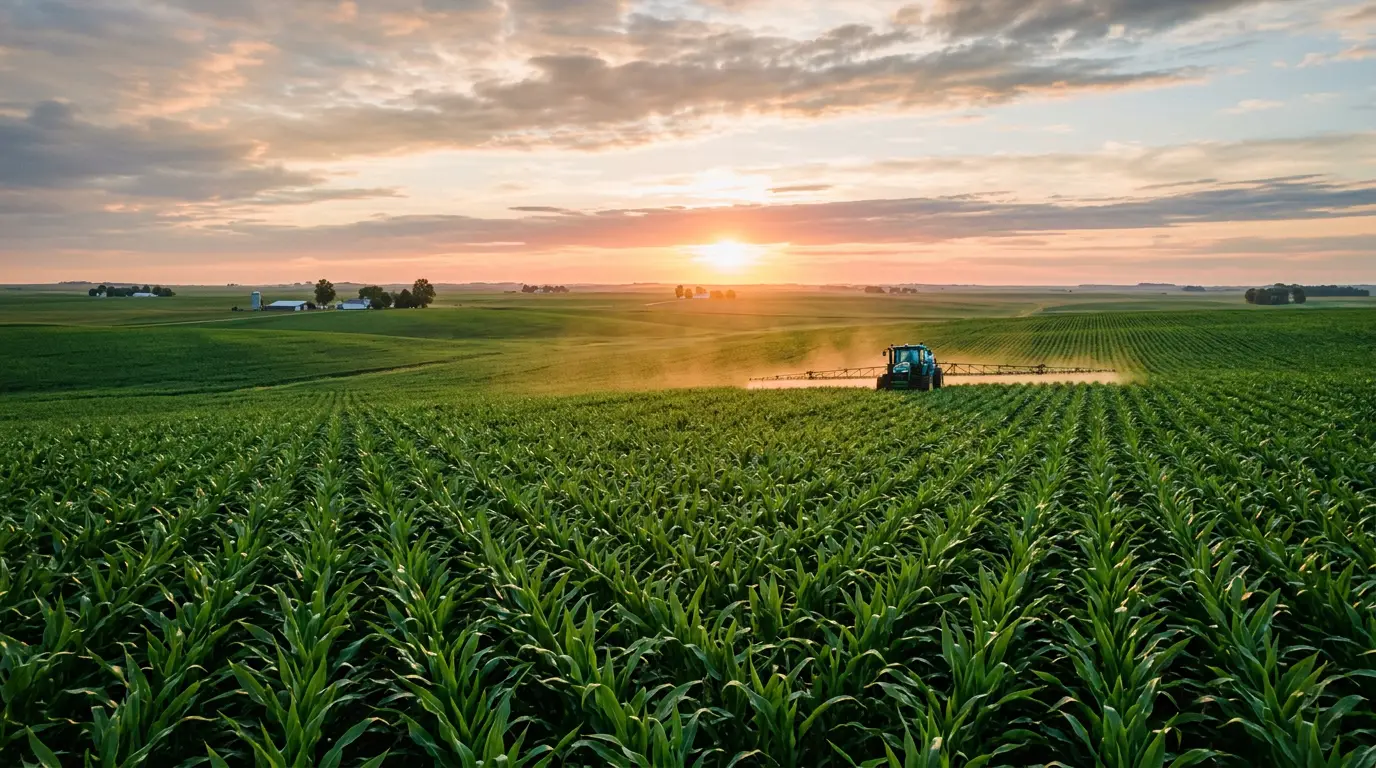
It is one of the most consequential, yet least understood, drivers of the modern world. In a granular white or blue form, it is spread across hundreds of millions of hectares of farmland, from the vast plains of Iowa to the terraced paddies of Vietnam. This substance, synthetic nitrogen fertiliser, is the invisible force that has allowed our species to swell from 1.6 billion people a century ago to 8 billion today. Without it, it is estimated that nearly half the world’s population would go hungry. It is a modern miracle, forged in the crucible of scientific ingenuity.
But this miracle has a dark and insidious side effect. The very process that sustains billions of human lives is also a profound destabiliser of our planet’s climate. The production of nitrogen fertiliser is an energy-intensive industrial feat, and its application on fields releases a torrent of nitrous oxide (N₂O), a greenhouse gas with a warming potential nearly 300 times that of carbon dioxide. Agriculture is responsible for roughly three-quarters of all anthropogenic N₂O emissions, making fertiliser a quiet but formidable protagonist in the story of climate change. As we confront the need to decarbonise every sector of our economy, the nitrogen dilemma presents a uniquely thorny challenge: how do we continue to feed the world without cooking it in the process?
I. The Miracle Conceived in War
To understand our current predicament, we must return to the early 20th century. For millennia, farming yields were limited by the natural availability of nitrogen in the soil, which was replenished through manure and crop rotation. But by the 1900s, scientists feared that humanity's growth would soon outstrip the planet's natural capacity to produce food. The breakthrough came from Germany, where chemists Fritz Haber and Carl Bosch developed a process to synthesize ammonia from atmospheric nitrogen and hydrogen gas under immense pressure and heat. History knows it as the Haber-Bosch process.
Its initial application was for warfare; Germany used the process to create explosives during World War I after its trade routes for Chilean saltpeter (a natural fertiliser and component of gunpowder) were cut off. But its postwar application for agriculture triggered a revolution. For the first time, humanity could create virtually limitless amounts of plant food, breaking free from the biological constraints that had governed us for our entire history. Yields for crops like corn, wheat, and rice exploded. The Green Revolution of the mid-20th century, which saved millions from famine, was powered by new high-yield crop varieties that were incredibly thirsty for this synthetic nitrogen.
The process itself is a monument to brute-force chemistry. It typically uses natural gas (methane) as a source for hydrogen, stripping it away in a reaction that releases large amounts of CO₂. This hydrogen is then combined with nitrogen pulled from the air at temperatures around 450°C and pressures up to 200 times that of the atmosphere. The global production of ammonia via Haber-Bosch now consumes 1-2% of the world's entire energy supply and is responsible for about 1.4% of all man-made CO₂ emissions. It is one of the single most carbon-intensive industrial processes on Earth, even before the fertiliser touches a single field.
II. Leaking from the Land
The emissions from the factory are only half the story. The larger climate impact occurs when the fertiliser is applied to the land. Plants are inefficient; they only absorb between 30% and 50% of the nitrogen applied to a field. The rest remains in the soil, where it becomes food for a complex community of microbes. Through processes called nitrification and denitrification, these microbes convert the excess nitrogen into nitrous oxide, which then seeps from the soil into the atmosphere.
The inefficiency is staggering. It's like filling a car’s petrol tank and knowing that half of it will immediately leak onto the ground. This over-application is not always the farmer's fault. It is often a form of insurance—a hedge against unpredictable weather or soil conditions to guarantee a target yield. But the cumulative effect of this systemic leakage is a colossal climate problem. A 2020 study published in *Nature* found that N₂O emissions had grown by 30% in the last four decades, with the increase almost entirely attributable to agriculture and far exceeding the trajectories forecasted by the Intergovernmental Panel on Climate Change (IPCC).
“We've fundamentally broken the planet's nitrogen cycle. The excess we pump into the Earth doesn't just stay there; it leaks out into our waterways and the air with profound consequences.”
The harm extends beyond the climate. Excess nitrogen washes out of the soil and into rivers, lakes, and oceans. There, it acts as a fertiliser for algae, triggering massive algal blooms that consume oxygen as they decompose, creating vast aquatic 'dead zones' where fish and other marine life cannot survive. The dead zone in the Gulf of Mexico, fed by agricultural runoff from the Mississippi River Basin, is a stark annual reminder of this cascading ecological damage.
III. A Global Cycle of Dependency
Decades of reliance have trapped the global food system in a cycle of dependency. Modern high-yield crops have been bred specifically to perform well with high synthetic inputs. Without them, yields would plummet. For millions of farmers, particularly in developing nations where access to precision tools is limited, buying and applying more fertiliser is the most direct path to economic survival. This has created a powerful inertia, with entire supply chains, financial models, and government subsidies built around the continued and growing use of synthetic nitrogen.
The geopolitical fragility of this system was laid bare in 2022. Russia, a major exporter of both natural gas and fertiliser, invaded Ukraine, sending the price of natural gas soaring. As the key feedstock for the Haber-Bosch process, this caused ammonia and fertiliser prices to triple. Farmers around the world faced impossible choices, with many in Africa and South Asia forced to cut back on application, risking smaller harvests and exacerbating food insecurity. This crisis demonstrated that our food system's addiction to fossil-fuel-derived fertiliser is not only an environmental problem but a critical vulnerability in global stability.
| Country | Annual N Fertiliser Use (Million Tonnes) | Primary Crops |
|---|---|---|
| China | 18.7 | Rice, Wheat, Corn, Vegetables |
| India | 12.5 | Rice, Wheat, Sugarcane, Cotton |
| United States | 7.1 | Corn, Wheat, Soybeans |
| Brazil | 4.8 | Soybeans, Corn, Sugarcane |
| Pakistan | 3.2 | Wheat, Cotton, Rice |
IV. Pathways to Decarbonisation
Untangling this knot requires a multi-pronged approach that combines technological innovation with ecological regeneration. There is no single 'off switch' for nitrogen fertiliser, but there are clear pathways to dramatically reduce its climate impact.
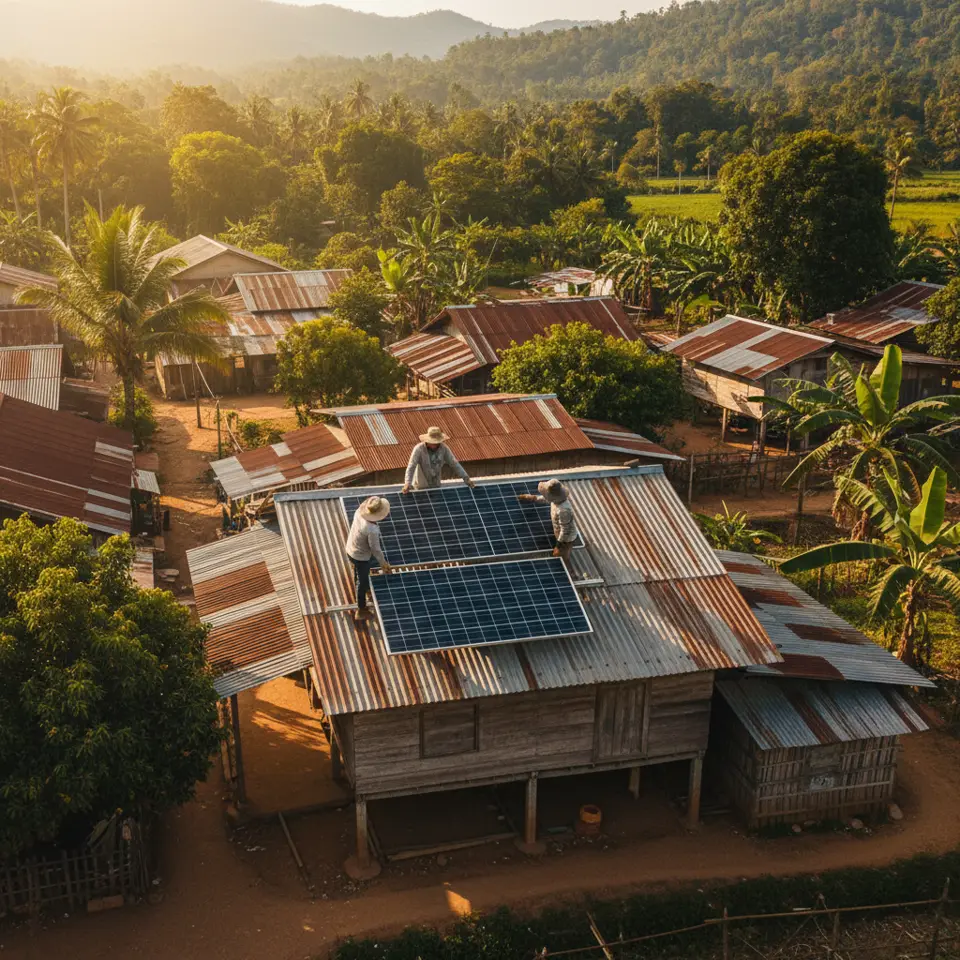
One major avenue is decarbonising production. The concept of 'green ammonia' aims to replace the fossil fuel feedstock of the Haber-Bosch process. Instead of using natural gas, this method uses electrolysis—powered by renewable energy like wind or solar—to split water into hydrogen and oxygen. This 'green hydrogen' is then fed into the Haber-Bosch reactor. This would virtually eliminate the CO₂ emissions from fertiliser production. While promising, it is currently far more expensive than the conventional method and does nothing to solve the N₂O emissions that occur on the farm.
This is where precision agriculture comes in. By using a suite of technologies—from GPS-guided tractors and drones to soil sensors and satellite imagery—farmers can move from blanket application to a highly targeted approach. This 'variable rate application' ensures that fertiliser is only applied where it is needed and in the exact amount the crop can absorb. This focus on efficiency can drastically cut the amount of excess nitrogen left in the soil, thereby reducing N₂O emissions and nutrient runoff while also saving the farmer money. Special coatings, known as nitrification inhibitors, can also be added to fertiliser to slow down the microbial conversion process, further reducing emissions.
Perhaps the most transformative, yet challenging, approach is to redesign farming systems to reduce the fundamental need for synthetic inputs. The principles of regenerative agriculture—such as using cover crops, practicing no-till farming, and integrating complex crop rotations—focus on rebuilding soil health. Healthy soil rich in organic matter can retain and cycle nutrients far more effectively. Leguminous cover crops like clover or vetch can 'fix' atmospheric nitrogen naturally, providing a free and sustainable source for the subsequent cash crop. This is not a quick fix but a long-term investment in the biological capital of the land.
Estimated Potential Abatement of Agricultural N₂O Emissions by 2050
The path forward will not be cheap or easy. It will require massive investment in green ammonia infrastructure, widespread adoption of precision technology, and fundamental policy shifts that reward farmers for ecological outcomes, not just maximum yield. It will mean reimagining agricultural subsidies and developing new financial instruments to help farmers de-risk the transition to regenerative models. We must also explore innovations in plant breeding to develop crop varieties that are less dependent on high nitrogen inputs and more efficient at working with soil microbes.
For a century, synthetic nitrogen has been a proxy for progress, an emblem of our ability to bend natural systems to our will. Now, the bill for that hubris has come due. The challenge is not to abandon this powerful tool, but to tame it, refine it, and integrate it into a wiser and more circular system of nourishment. It requires us to see soil not as an inert medium to be chemically manipulated, but as a living ecosystem to be stewarded. Our ability to secure a lasting future for both human nutrition and a stable climate depends on it.
V. The Green Ammonia Race Heats Up
Efforts to decarbonise fertiliser production are accelerating. In 2025, Yara International opened a pilot plant in Norway producing green ammonia using electrolysis powered by hydropower. This process avoids natural gas entirely, cutting CO₂ emissions from production by over 90% (Yara, 2025). However, the cost remains high—green ammonia is currently two to three times pricier than conventional fertiliser.
The European Union is betting on scale. Under its Hydrogen Strategy, the bloc aims to produce 10 million tonnes of renewable hydrogen by 2030, a key input for green ammonia. Meanwhile, Australia and Chile are leveraging abundant solar and wind resources to build export-oriented green ammonia facilities, potentially lowering global prices within a decade (IEA, 2024).
Frequently asked questions
What is the Haber-Bosch process and why does it matter for climate change?+
The Haber-Bosch process converts nitrogen and hydrogen into ammonia for fertilisers. It relies on natural gas, releasing carbon dioxide during production. This makes it a major industrial source of greenhouse gases, contributing roughly 1-2% of global CO₂ emissions.
Can farmers reduce nitrous oxide emissions without cutting crop yields?+
Yes, through precision agriculture technologies like GPS-guided application and soil sensors, farmers can match fertiliser doses to crop needs. This reduces excess nitrogen that microbes convert into N₂O, often maintaining or even improving yields while lowering emissions (IPCC, 2023).