Each year, workers around the world face the risk of fatal accidents in confined spaces. While grain silos often come to mind, few realize the extent to which factory farming also poses such dangers. In this 2024 trend report, we delve into the state of confined-space deaths in grain silos and factory farms, comparing the two and highlighting the need for improved worker safety protocols.
The scale of the problem: A global comparison
In 2020, the International Labour Organization (ILO) reported that 2.3 million workers worldwide died from occupational accidents and work-related illnesses. While exact figures for confined-space deaths are elusive, a 2021 study by the National Institute for Occupational Safety and Health (NIOSH) found that grain silo engulfments alone accounted for 180 fatalities between 2007 and 2017. Meanwhile, the United Nations Food and Agriculture Organization (FAO) estimates that up to 700,000 farmworkers, including those in animal agriculture, die annually from work-related causes.
Confined-space fatalities in grain silos vs. factory farms
Grain silo deaths: Engulfment and entrapment
Grain silos present a unique confined-space hazard: engulfment. Workers can become trapped and suffocate in flowing grain, a phenomenon known as 'grain entrapment.' According to a 2018 study by the College of Agriculture and Life Sciences at Iowa State University, 28% of grain entrapment incidents resulted in fatalities. A NIOSH study found that 62% of grain entrapments occur during unloading, and 70% involve workers younger than 25.
“Grain entrapment is one of the most terrifying and deadly occupational hazards in agriculture. It's crucial that farmers and grain handlers understand the risks and implement safety protocols.”
Factory farm fatalities: Diverse hazards and animal-related risks
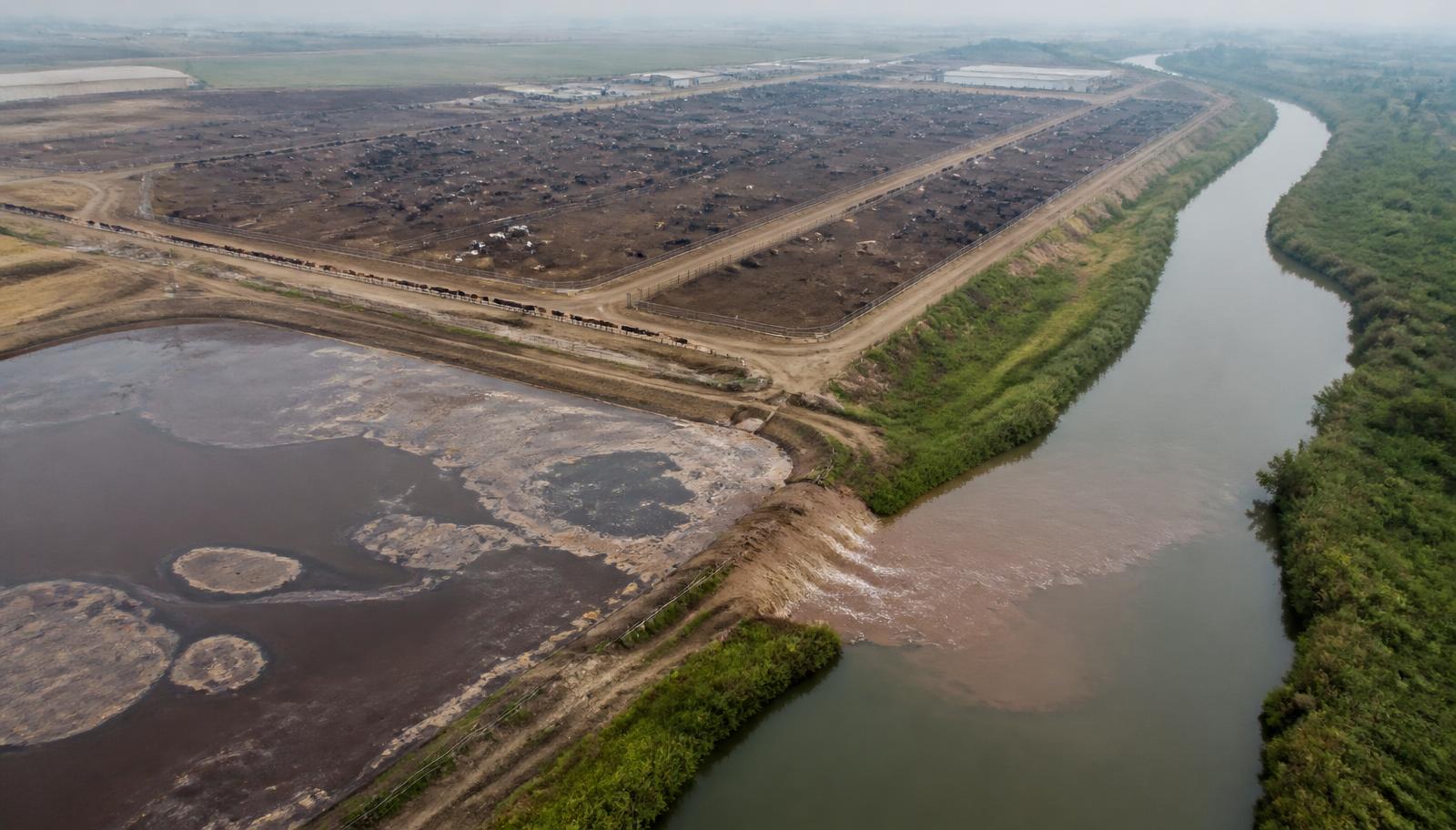
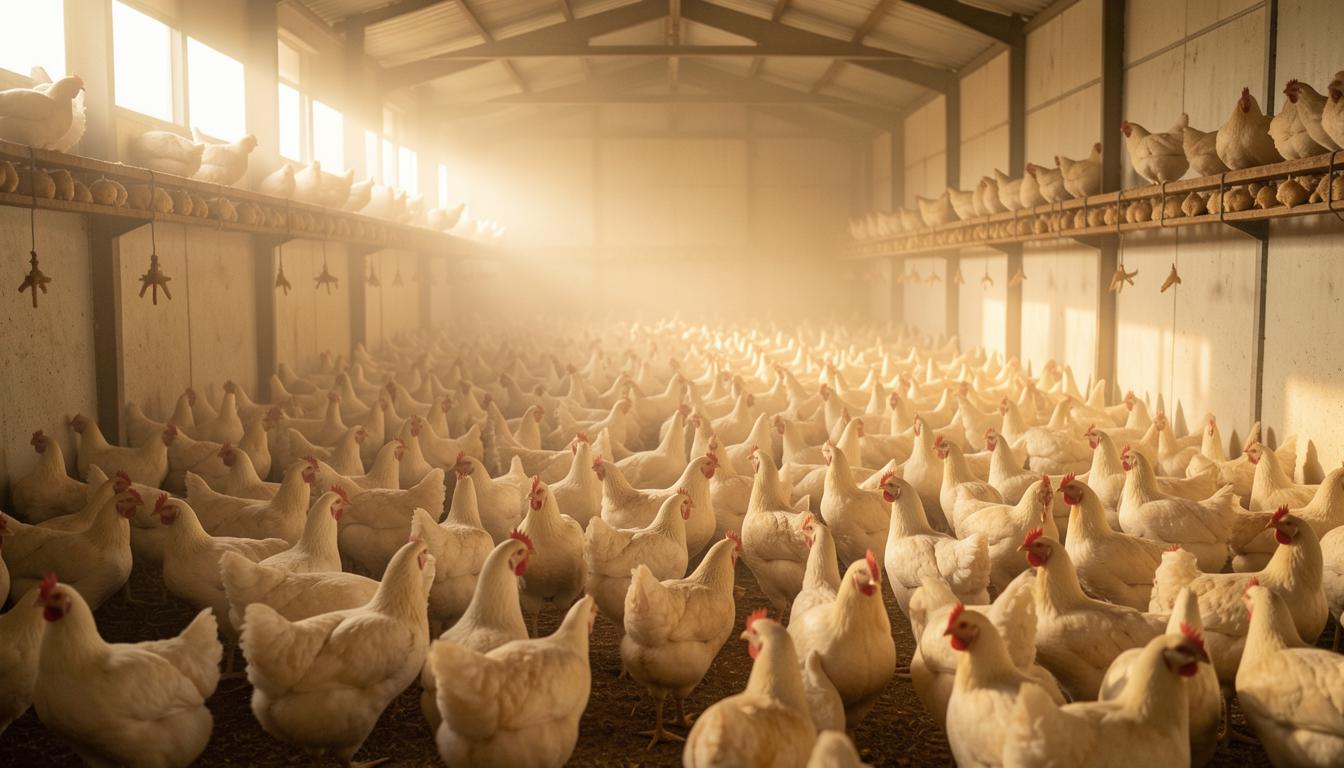
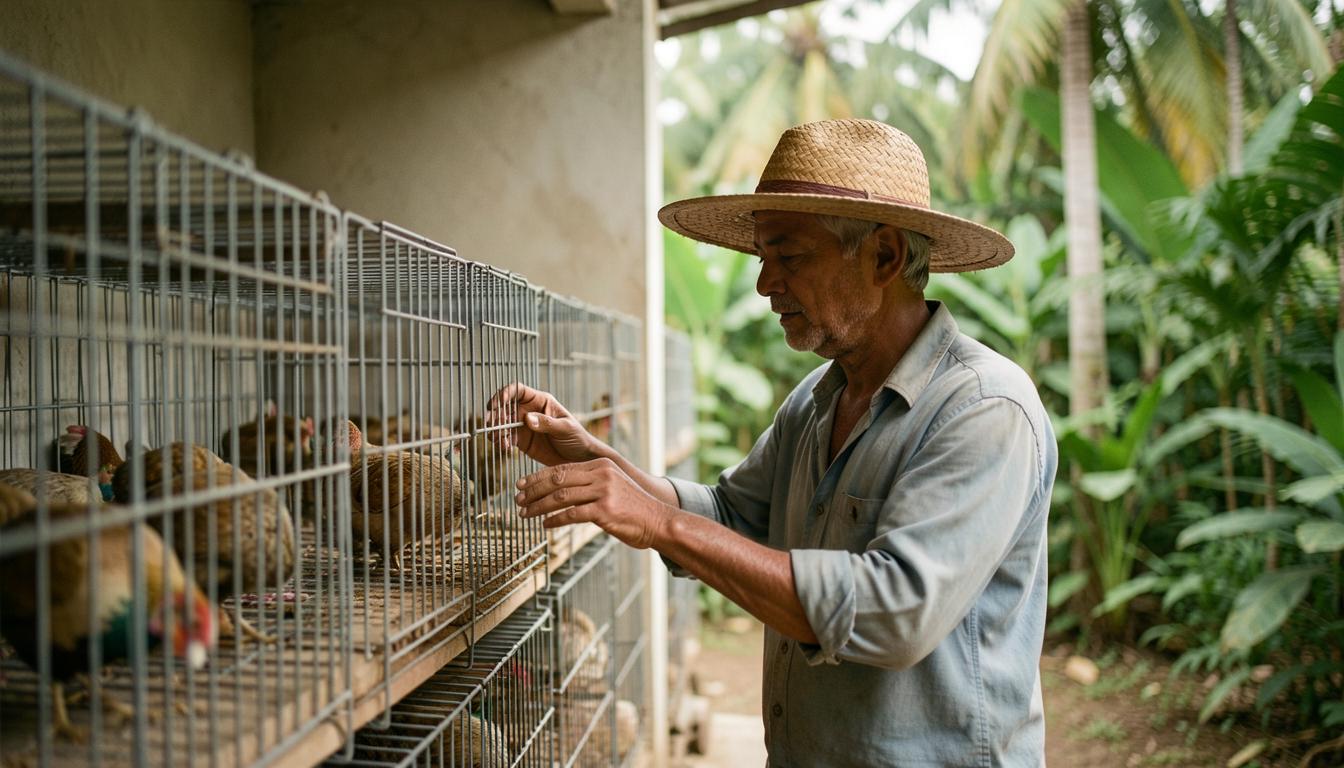
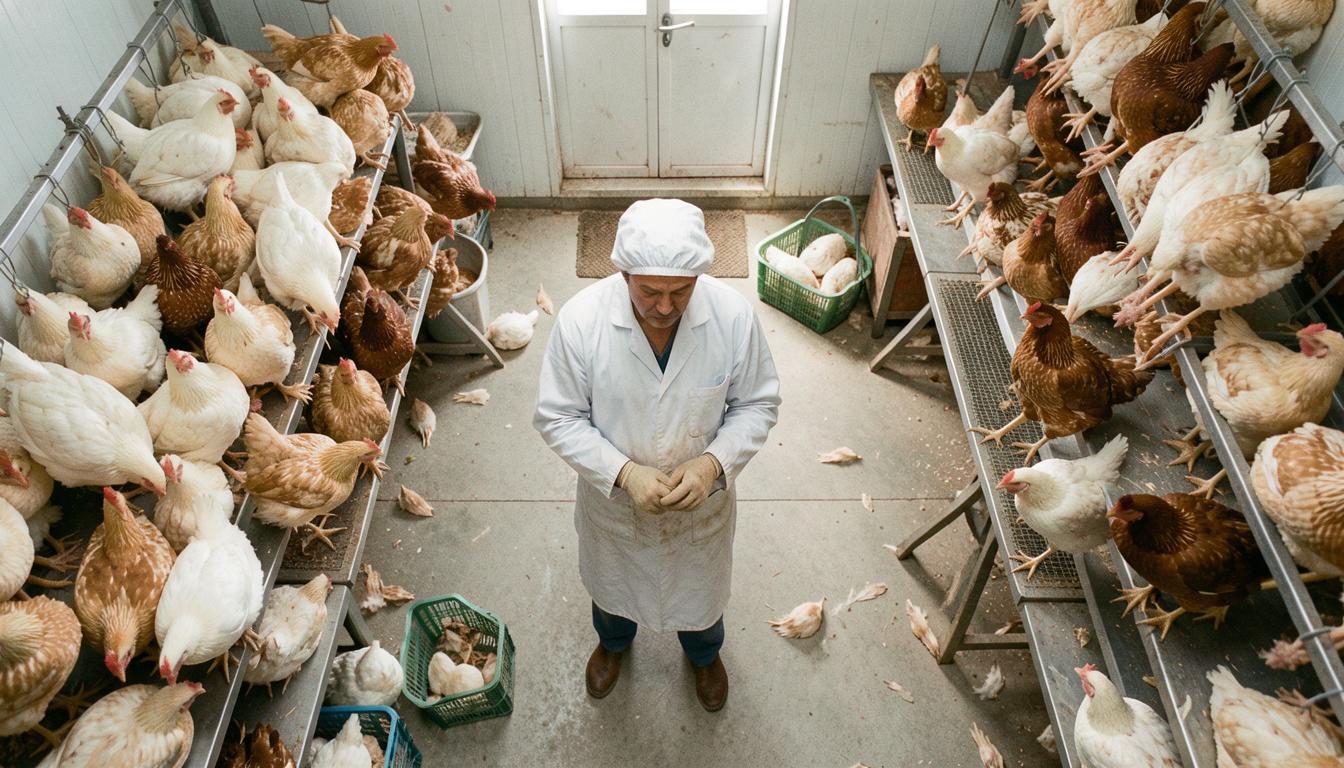
Factory farms present a diverse array of confined-space hazards. Workers may be crushed by heavy equipment, injured by animals, or exposed to harmful gases. A 2021 study by the World Animal Protection organization found that workers in slaughterhouses faced high risks of physical injury, psychological harm, and exposure to diseases like tuberculosis and COVID-19.
| Hazard | Worker impact | Animal impact |
|---|---|---|
| Crush injuries (heavy equipment) | Serious injury, death | Potential injury or death |
| Aggression (animals) | Lacerations, infections, disease exposure | Potential injury or death |
| Harmful gases (manure pits, vehicles) | Asphyxiation, poisoning | Potential health issues |
Worker safety protocols: Inconsistencies and gaps
Safety protocols for confined spaces vary widely across industries and regions. While OSHA requires permit-required confined space entry in the US, many countries lack such regulations. A 2022 study by the International Labour Organization found that only 45% of agricultural workers globally have access to basic safety training.
The way forward: Improved training and regulation
To reduce confined-space deaths in both grain silos and factory farms, stakeholders must prioritize worker safety. This includes investment in training programs, implementation of consistent safety protocols, improved enforcement of existing regulations, and collaboration between industries, governments, and international organizations.
Frequently asked questions
What are the most common confined-space hazards in grain silos?+
Engulfment and entrapment in flowing grain are the primary hazards in grain silos.
What unique risks do factory farm workers face in confined spaces?+
Factory farm workers face diverse hazards, including animal aggression, harmful gases, and crush injuries.
What safety protocols should be in place for confined-space entry?+
Permit-required confined space entry, Personal Protective Equipment (PPE), rescue plans, and regular training are essential safety protocols.
What can be done to improve worker safety in grain silos and factory farms?+
Investment in training programs, consistent safety protocols, improved enforcement, and cross-industry collaboration can help reduce confined-space deaths.