Farmed salmon, a cornerstone of the Nordic diet and global seafood markets, raises significant questions regarding animal welfare, environmental impact, and its role in human nutrition, particularly concerning iron deficiency anemia on vegan diets. Understanding the cognitive capabilities and natural behaviours of these complex fish, alongside the realities of industrial aquaculture, is crucial for informed dietary and ethical choices in the Nordic context and beyond.
Do Salmon Possess Complex Cognition and Natural Behaviours?
Yes, scientific research increasingly demonstrates that salmon, like many other fish species, possess considerable cognitive abilities and exhibit complex natural behaviours. They are not simple organisms but sentient beings capable of learning, memory, and even social interactions. Studies show salmon can navigate complex environments, remember migration routes, and form social hierarchies (Huntingford et al., 2012).
Their natural life cycle involves extensive migrations, often spanning thousands of kilometres, requiring sophisticated navigational skills. They exhibit distinct schooling behaviours, predator avoidance strategies, and intricate reproductive rituals. These behaviours are largely curtailed or absent in industrial aquaculture settings, leading to chronic stress and welfare compromises (Ashley, 2007, Journal of Fish Diseases).
“Fish intelligence is often underestimated. We are learning that many species, including salmon, possess problem-solving capabilities and intricate social structures that demand a re-evaluation of how we farm them.”
What is the Industrial Lifecycle of Farmed Salmon?
The industrial lifecycle of farmed salmon, particularly Atlantic salmon, begins in freshwater hatcheries where eggs are fertilised and reared. After a period, smolts (young salmon) are transferred to sea cages, large net pens in coastal waters, where they spend 12-24 months growing to market size. This stage is characterised by high stocking densities, artificial feeding, and disease management.
Upon reaching harvest weight, salmon are typically slaughtered through methods that can include stunning and bleeding, though practices vary. The entire process is designed for maximum efficiency and yield, often at the expense of natural behaviours and environmental health. The use of wild-caught fish in feed, though decreasing, still contributes to pressure on marine ecosystems (Marine Harvest, 2018 Sustainability Report).
What are the Welfare Science Concerns in Salmon Aquaculture?
Welfare science highlights numerous concerns within salmon aquaculture. High stocking densities in sea cages are a primary issue, leading to chronic stress, aggression, fin damage, and impaired swimming ability (Farm Animal Welfare Council, 2014). Disease outbreaks, such as pancreas disease and heart and skeletal muscle inflammation, are common and often exacerbated by crowded conditions, necessitating antibiotic and pesticide use (Aquaculture Stewardship Council, 2022).
Sea lice infestations are another pervasive problem, causing severe epidermal damage, stress, and secondary infections, often leading to large-scale mortality events. Methods for sea lice control, including chemical baths and cleaner fish, also present their own welfare challenges for both the salmon and the cleaner fish (Animal Welfare Institute, 2021). The lack of natural substrate and opportunities for natural behaviours further compromises welfare.
How Does Farmed Salmon Relate to Iron Deficiency Anemia in Nordic Vegan Diets?
Farmed salmon is often consumed in Nordic countries and provides a source of haem iron, which is readily absorbed by the human body. However, as more individuals in the Nordic region adopt vegan diets, reliance on animal products for iron decreases, necessitating careful attention to plant-based iron sources. Vegan diet iron deficiency can occur if dietary planning is inadequate, leading to symptoms like fatigue and impaired immune function.
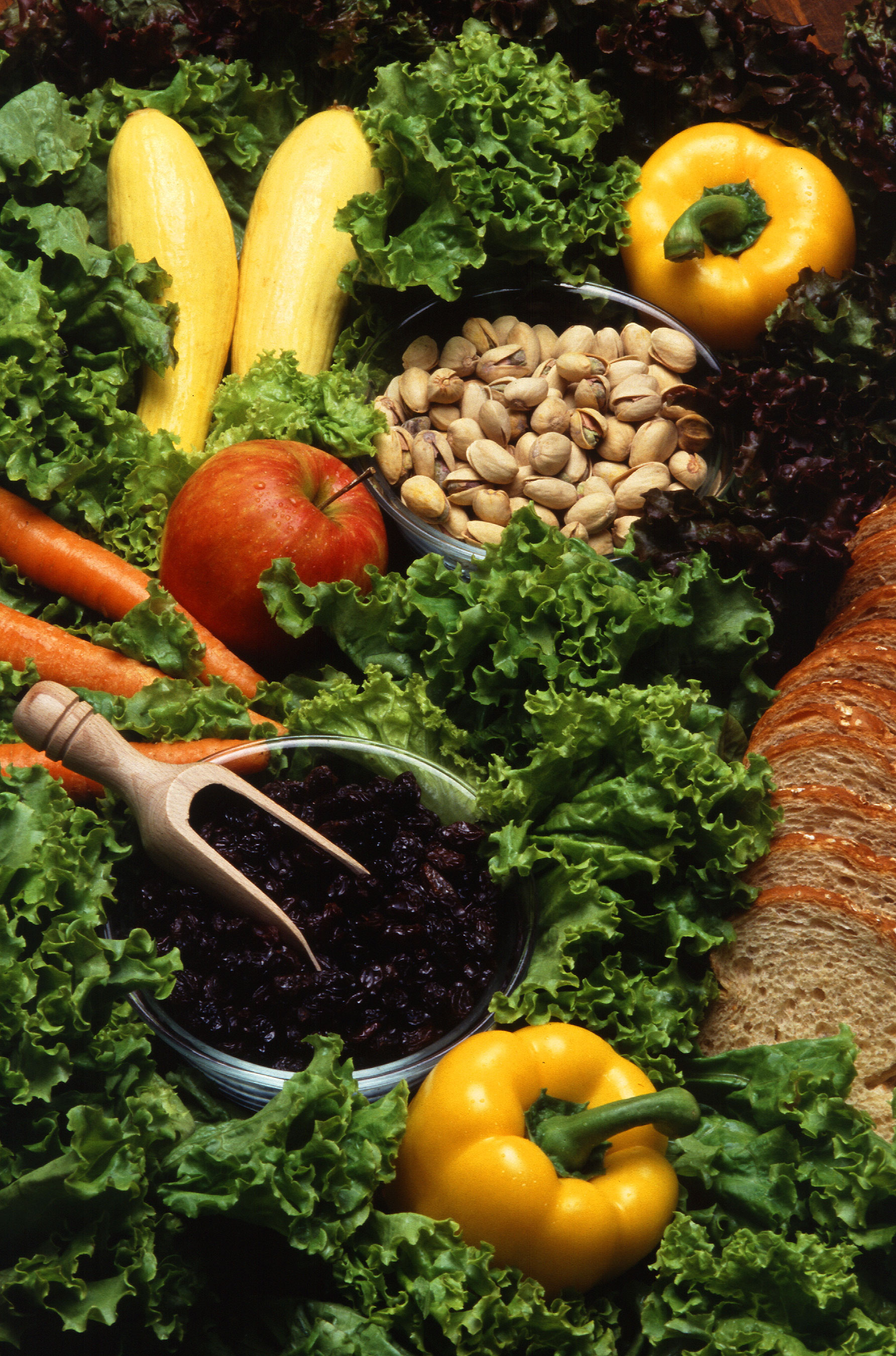
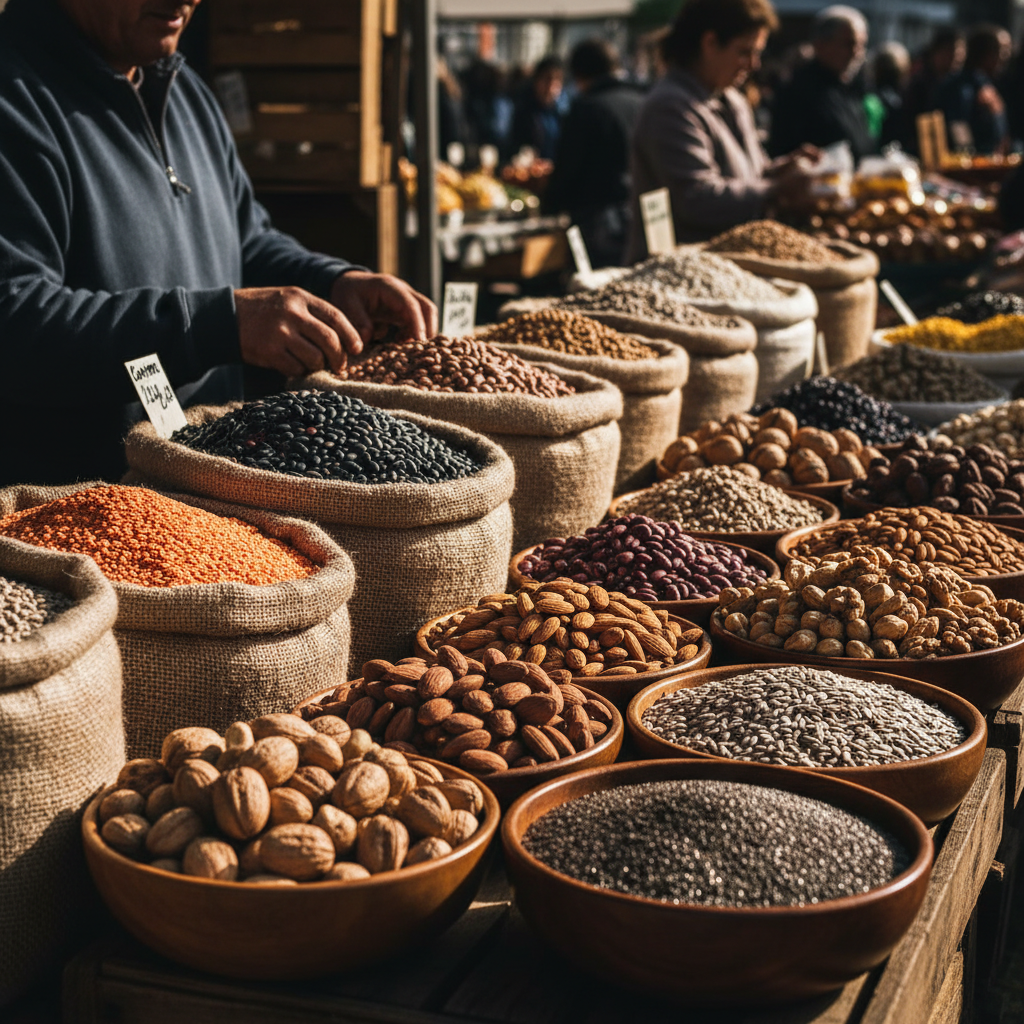
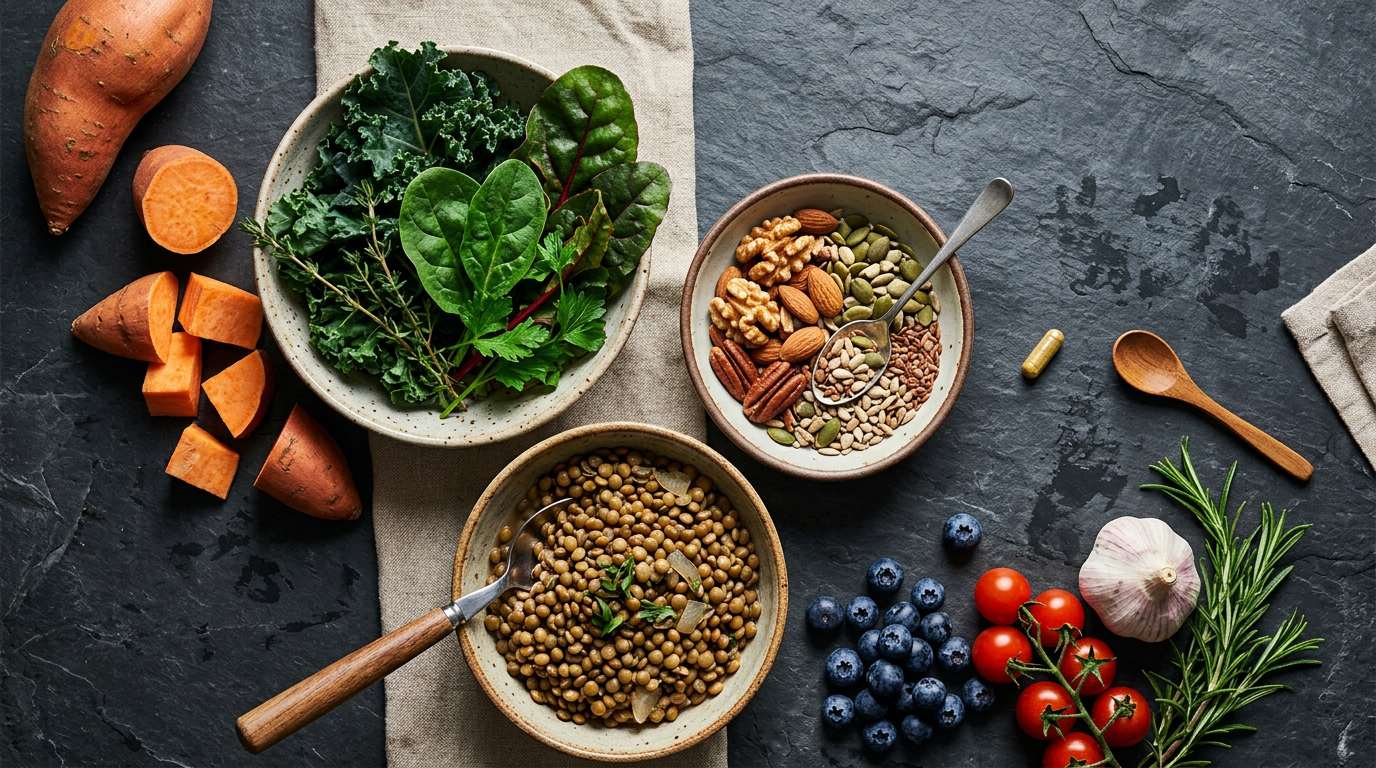
Plant-based diets are rich in non-haem iron, found in legumes, fortified grains, nuts, seeds, and dark leafy greens. While non-haem iron absorption is influenced by dietary factors (e.g., inhibitors like phytates, enhancers like Vitamin C), strategic meal planning can ensure adequate intake. For instance, combining iron-rich plant foods with Vitamin C sources significantly enhances absorption (Melina et al., 2016, Journal of the Academy of Nutrition and Dietetics).
Prevalence of Iron Deficiency Among Nordic Women (18-45 years)
| Aspect | Wild Atlantic Salmon | Industrial Farmed Atlantic Salmon |
|---|---|---|
| Lifespan Potential | 5-7 years (up to 13 years) | 1.5-2.5 years (to market weight) |
| Typical Growth Rate | Slower, seasonal | Accelerated, controlled |
| Environment | Open ocean, rivers | Confined sea cages, freshwater tanks |
| Diet | Natural prey (e.g., small fish, crustaceans) | Processed pellets (fishmeal, soy, corn) |
| Predator Exposure | Natural predators (seals, birds) | Limited, disease and parasites more prevalent |
| Disease/Parasite Load | Natural immunity, lower density | High density, increased disease transmission, sea lice |
What are Reform Pathways for Sustainable and Ethical Aquaculture?
Reform pathways for aquaculture focus on improving welfare, reducing environmental impact, and developing sustainable alternatives. These include reducing stocking densities, implementing closed containment systems to minimise disease transmission and escapes, and developing novel, plant-based or insect-based feeds to reduce reliance on wild fish stocks (Aquaculture Stewardship Council, 2023 Guidelines).
Further reforms involve enhancing slaughter practices to ensure effective stunning, investing in research for disease-resistant salmon strains, and improving monitoring and transparency across the industry. Consumer demand for ethically sourced and sustainable options can drive these changes, encouraging producers to adopt higher welfare standards (RSPCA Assured, 2024).
Addressing Iron Deficiency Anemia in Vegan Diets
For those transitioning to or maintaining a vegan diet, particularly in Nordic countries, preventing iron deficiency anemia requires conscious dietary planning. Incorporating a variety of iron-rich plant foods daily is key. Examples include lentils, chickpeas, beans, tofu, tempeh, fortified breakfast cereals, whole grains like oats and quinoa, nuts, seeds, and dark leafy greens such as spinach and kale.
How to Optimise Iron Intake on a Vegan Diet
- 1
Focus on Iron-Rich Plant Foods
Regularly include legumes, fortified grains, nuts, seeds, and leafy greens in your daily meals. Aim for diverse sources to ensure a broad spectrum of nutrients.
- 2
Pair with Vitamin C
Always consume iron-rich foods with a source of Vitamin C. For example, add bell peppers to a lentil stew, or berries to fortified oatmeal, to boost absorption.
- 3
Avoid Absorption Inhibitors
Limit consumption of tea, coffee, and calcium supplements with iron-rich meals, as they can inhibit non-haem iron absorption. Space them out by at least an hour or two.
- 4
Use Cast Iron Cookware
Cooking in cast iron pots and pans can naturally increase the iron content of your food, offering a simple way to boost intake, especially with acidic foods.
- 5
Consider Fortified Foods
Opt for plant-based milks, yoghurts, and cereals that are fortified with iron, particularly if your dietary intake seems insufficient.
- 6
Consult a Professional
If you have concerns about your iron status or experience symptoms of deficiency, consult a doctor or registered dietitian for personalised advice and potential supplementation.
Frequently asked questions
Is it difficult to get enough iron on a vegan diet in Nordic countries?+
No, it is not inherently difficult to obtain sufficient iron on a vegan diet in Nordic countries, but it requires mindful planning. While traditional Nordic diets often include iron-rich animal products, a well-planned vegan diet, abundant in legumes, fortified grains, nuts, and seeds, can easily meet iron requirements. Strategic pairing with Vitamin C enhances absorption.
What are common signs of iron deficiency anemia?+
Common signs of iron deficiency anemia include persistent fatigue, weakness, pale skin, shortness of breath, dizziness, cold hands and feet, brittle nails, and headaches. If you experience these symptoms, it is advisable to consult a healthcare professional for diagnosis and appropriate management.
Are all plant-based iron sources absorbed equally?+
No, plant-based iron (non-haem iron) absorption is less efficient than haem iron from animal sources and can be influenced by various dietary factors. However, consuming non-haem iron with Vitamin C-rich foods significantly improves its bioavailability. Phytates in whole grains and legumes can inhibit absorption, but soaking, sprouting, and fermentation can reduce their impact.
What is the environmental impact of farmed salmon?+
The environmental impact of farmed salmon includes nutrient pollution from feed and waste, leading to algal blooms and oxygen depletion in coastal waters. Escaped farmed salmon can interbreed with wild populations, impacting genetic diversity. Additionally, the use of wild-caught fish for feed contributes to overfishing, although efforts are being made to reduce this reliance.