Every year on World Farm Animals Day, we pause to remember the billions of farmed animals suffering in factory farms worldwide. One of the most shocking practices still prevalent is the castration of male lambs, calves, and piglets without pain relief.
In factory farms, castration is routinely performed on a massive scale, often by untrained or poorly trained workers. The lack of pain relief causes significant suffering, with lambs, calves, and piglets crying out in pain and showing heightened stress responses.
A day in the life: Inside a broiler shed, dairy parlour, and slaughter line
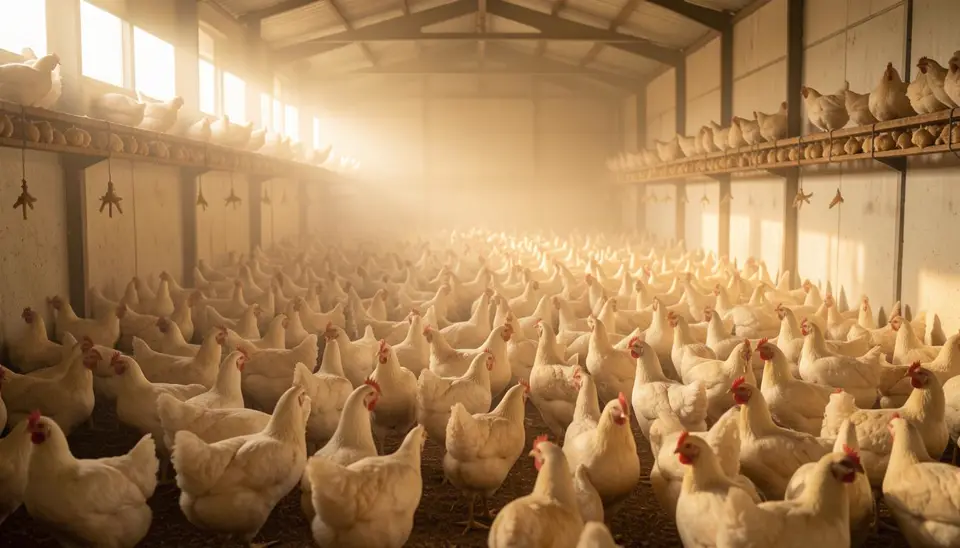
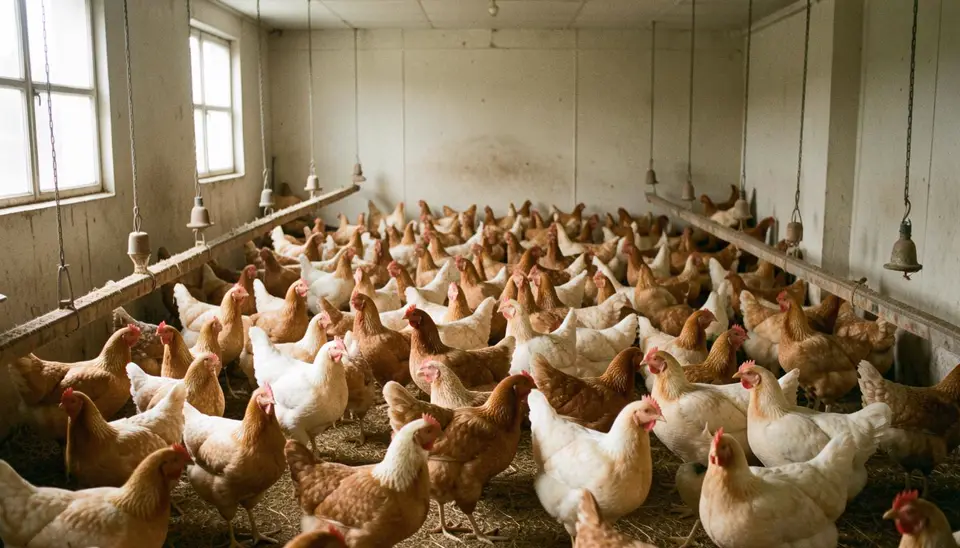
Imagine a lamb being dragged from its mother at just a few days old, its cries of protest silenced by the cacophony of thousands of other terrified animals in the broiler shed. Now, picture this lamb being held down by its legs, a sharp blade slicing through its scrotum, and its testicles being torn away, all without so much as a local anesthetic.
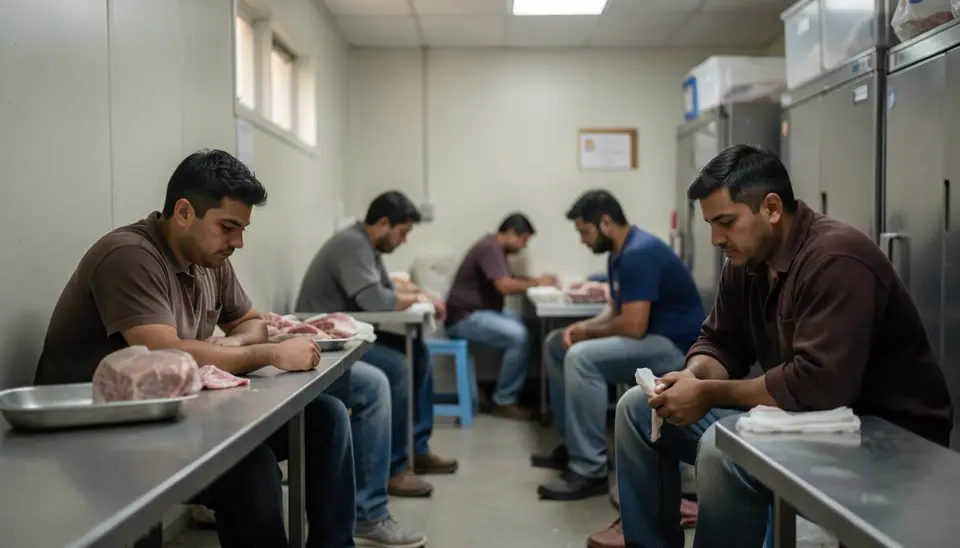
In dairy parlours, male calves, deemed useless for milk production, are often castrated without pain relief. Meanwhile, in abattoirs, piglets are castrated using rubber rings that cut off blood flow to their testicles, causing them to die and drop off, again without pain relief.
“It's a brutal, violent process that causes immense suffering. The fact that it's still happening on such a vast scale is a testament to the complacency and indifference of our society towards farm animal welfare.”
| Country | Pain relief for lambs and calves | Pain relief for piglets |
|---|---|---|
| Australia | Yes (recommended) | No |
| Canada | No | No |
| EU | Yes | No |
| UK | Yes (recommended) | No |
| USA | No | No |
As seen in the table above, while some countries recommend or mandate pain relief for lambs and calves, none require it for piglets, and many countries lack any regulations regarding castration pain relief altogether.
Why does castration without pain relief matter in 2024?
In 2024, with our understanding of animal sentience and the ethical implications of factory farming at an all-time high, the continued acceptance of castration without pain relief is indefensible. This practice causes unnecessary suffering on an unprecedented scale, contributing to the global animal welfare crisis.
Global number of farm animals castrated without pain relief (2016-2024)
The growing number of animals castrated without pain relief underscores the urgent need for consumers and policymakers to take action.
5 concrete actions you can take on World Farm Animals Day, 2024
How to help
- 1
Educate yourself
Learn about the facts and figures behind factory farming and its impacts on animal welfare, the environment, and public health.
- 2
Go plant-based
Switching to a plant-based diet reduces your demand for factory-farmed animals and sends a powerful market signal.
- 3
Support sanctuaries and animal welfare organizations
Donate to and share the work of organizations dedicated to rescuing and caring for farm animals, and advocating for policy change.
- 4
Advocate for policy change
Write to your local representatives, sign petitions, and participate in protests to demand an end to castration without pain relief and other cruel factory farming practices.
- 5
Educate others
Share what you've learned with friends, family, and your community. Encourage others to take action on World Farm Animals Day and every day.
Frequently asked questions
Is castration without pain relief legal?+
The legality of castration without pain relief varies by country and region. While some have regulations in place, many lack any laws mandating pain relief for farm animals.
What are the alternatives to castration without pain relief?+
Pain relief options include local or general anesthesia, and painkillers. In some cases, genetic modification can prevent male offspring altogether.
Why is castration performed on farm animals?+
Castration is performed on farm animals for various reasons, including controlling aggressive behavior, preventing unwanted pregnancies, and improving meat quality.