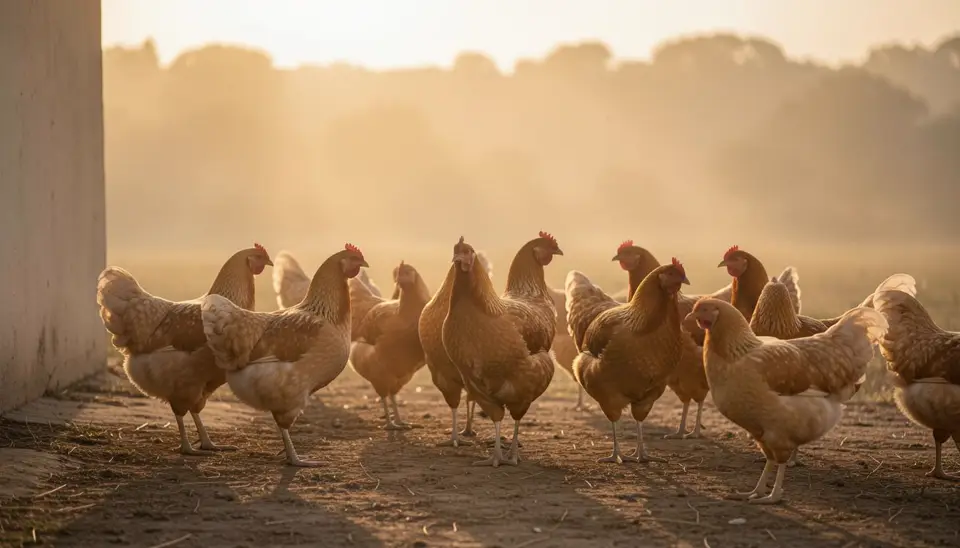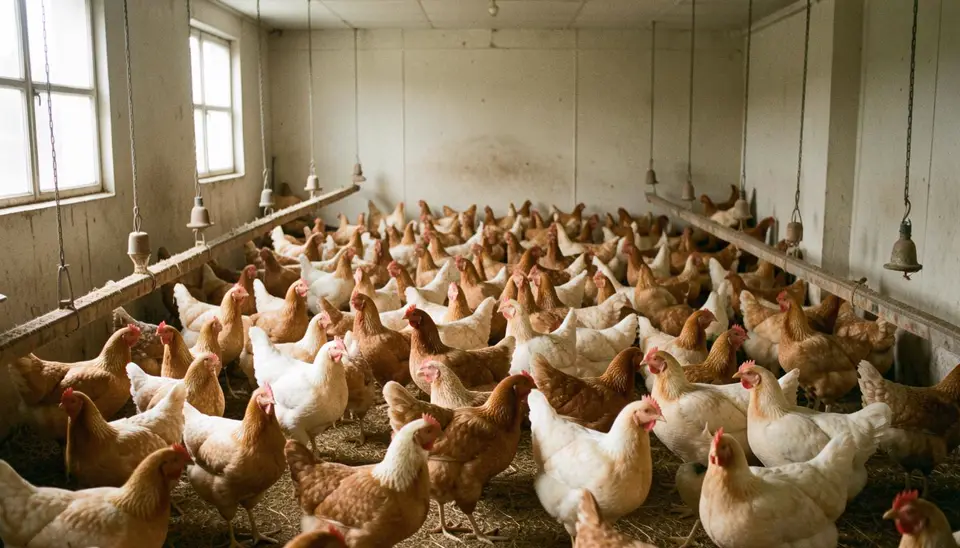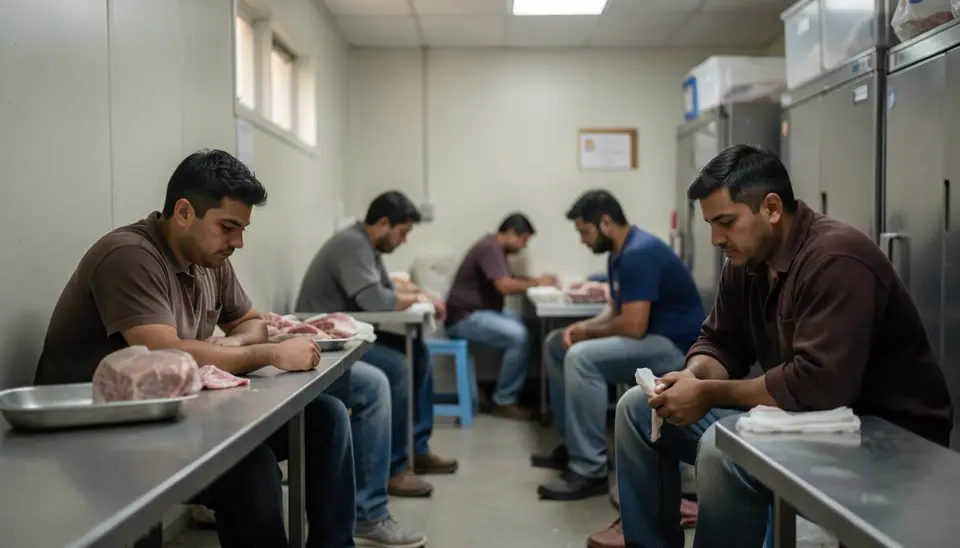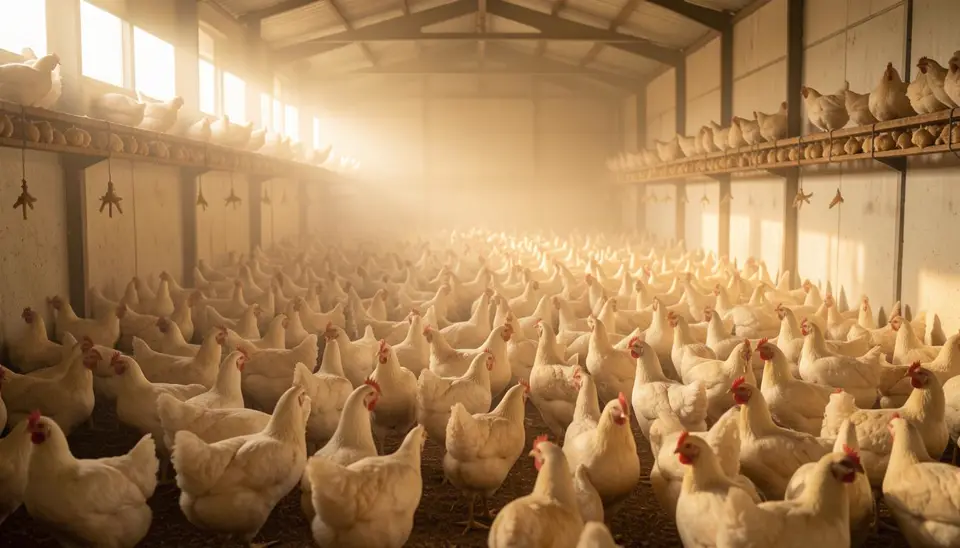
Auditing 'no antibiotics ever' (NAE) claims involves rigorous third-party verification processes that ensure livestock and poultry have never received antibiotics throughout their lives, from hatch to harvest. These audits scrutinize feed records, veterinary logs, and farm management practices to uphold label integrity, providing consumers and businesses with confidence in antibiotic-free sourcing claims and contributing to broader public health efforts against antibiotic resistance.
What are 'No Antibiotics Ever' Claims and Why Do They Matter?
A 'no antibiotics ever' (NAE) claim signifies that animals raised for consumption have not been administered any antibiotics, for any reason, during their entire lifespan. This contrasts with 'raised without antibiotics' (RWA) which might permit early-life antibiotic use if the animal is then withdrawn, or 'antibiotic-free' which often lacks formal definition. The distinction is critical for consumers wary of antibiotic resistance, a growing global health threat (WHO, 2017).
Misleading claims undermine consumer trust and can negate efforts to reduce antimicrobial resistance pathways originating from food systems (CDDEP, 2018). Effective auditing provides transparency and verifies the integrity of these premium products, supporting ethical consumption and public health initiatives. The market for NAE products grew by 28% between 2016 and 2021 in the US alone (USDA, 2022).
How Are 'No Antibiotics Ever' Claims Audited in Practice?
Auditing 'no antibiotics ever' claims involves a multi-faceted approach, usually conducted by independent third-party certification bodies. These audits verify compliance with strict standards through on-site inspections, document reviews, and interviews with farm personnel. The goal is to ensure continuous adherence to NAE protocols throughout the animal's life cycle.
Key components of NAE audits include reviewing feed mill records for antibiotic-free feed, examining veterinary health records for any treatment protocols, assessing animal identification and segregation systems, and evaluating overall biosecurity measures. Traceability from hatchery or birth to processing is paramount, often involving batch-specific documentation or individual animal tagging (Global Animal Partnership, 2023). In 2023, approximately 70% of NAE poultry producers in North America utilized external third-party auditing bodies (NFAP, 2023).
Growth in Global NAE Certified Product Market Value (USD Billions)
What Challenges Do Producers Face in Maintaining NAE Status?
Producers adhering to 'no antibiotics ever' protocols encounter significant challenges, primarily revolving around disease management and biosecurity. Without antibiotics as a routine prophylactic or treatment option, farmers must implement highly robust biosecurity measures, superior hygiene, and stress-reducing animal husbandry practices to maintain flock or herd health (Pew Charitable Trusts, 2019).
Furthermore, if an animal falls ill and requires antibiotic treatment, it must be removed from the NAE program, leading to economic losses. This creates a strong incentive for preventative care but also puts pressure on farm profitability when disease outbreaks occur. Managing these risks demands higher skilled labor and substantial investment in infrastructure, such as enhanced ventilation systems and lower stocking densities, further impacting operational costs (National Pork Board, 2021).
““The commitment to 'No Antibiotics Ever' is not merely an absence of medication; it's a profound shift towards holistic animal welfare and preventative health strategies that demand constant vigilance and innovation from producers.””
Are Global Standards Emerging for 'No Antibiotics Ever' Verification?
While there is no single international standard, harmonization efforts are gaining traction to standardize 'no antibiotics ever' verification across different regions. Organizations like the Global Animal Partnership (GAP) and various national organic certification bodies often incorporate NAE principles into their broader animal welfare and production standards. These frameworks provide a basis for international consistency.
However, discrepancies still exist in auditing methodologies, enforcement stringency, and definitions of 'antibiotics' themselves (e.g., impact of ionophores). Global trade dynamics are increasingly pushing for mutual recognition agreements and more unified standards to facilitate cross-border commerce in NAE products. The European Union, for instance, has stringent general antibiotic reduction goals that indirectly support NAE practices (European Commission, 2020).
| Criterion | USA (USDA Organic) | EU (Organic Regulation) | Australia (ACCS) | Brazil (Certified Humane) |
|---|---|---|---|---|
| No Antibiotics Ever | Yes | Yes | Yes | Yes |
| Third-Party Audit Required | Yes | Yes | Yes | Yes |
| Feed Source Verification | Yes (Organic) | Yes (Organic) | Yes (Non-GM & NAE) | Yes (Non-GM & NAE) |
| Veterinary Records Review | Yes | Yes | Yes | Yes |
| Mandatory Withdrawal Period after treatment | N/A (no antibiotics allowed) | N/A (no antibiotics allowed) | N/A (no antibiotics allowed) | N/A (no antibiotics allowed) |
What Role Do Emerging Technologies Play in NAE Verification?
Emerging technologies are increasingly pivotal in enhancing the accuracy and transparency of 'no antibiotics ever' verification. Blockchain technology offers immutable record-keeping, creating a transparent, unalterable ledger of an animal's journey from birth to processing. This can track feed inputs, veterinary interventions, and movement history, significantly reducing the potential for fraud (IBM Food Trust, 2023).
Additionally, advanced analytical techniques such as mass spectrometry and next-generation sequencing are being explored for detecting trace amounts of antibiotic residues in meat products. While NAE certification inherently means no antibiotics were administered, these technologies could serve as a valuable post-harvest verification tool or to detect potential contamination, further safeguarding label integrity and consumer confidence (Food Chemistry, 2022).
Frequently asked questions
What is the main difference between 'No Antibiotics Ever' and 'Raised Without Antibiotics'?+
The core difference lies in the permissibility of early-life antibiotic use. 'No Antibiotics Ever' (NAE) means antibiotics were never administered at any point. 'Raised Without Antibiotics' (RWA) may allow for antibiotic treatment early in an animal's life, provided there is a sufficient withdrawal period before harvest, although specific definitions can vary by certifier.
Why is third-party auditing crucial for 'no antibiotics ever' claims?+
Third-party auditing is crucial because it provides independent, unbiased verification of a producer's NAE claims. This process builds consumer trust, ensures that labeling is accurate, and prevents fraudulent practices. Without independent oversight, the integrity of 'no antibiotics ever' labels cannot be reliably guaranteed or substantiated.
Does 'no antibiotics ever' mean better animal welfare?+
Not necessarily directly. While NAE programs often require robust biosecurity and preventative health measures that can contribute to better welfare, the absence of antibiotics itself doesn't guarantee high welfare standards. Some NAE programs, like Global Animal Partnership, integrate comprehensive welfare standards alongside antibiotic policies, but it's important to check the specific certification.
What role does biosecurity play in NAE farming?+
Biosecurity is paramount in NAE farming. Since antibiotics cannot be used to treat diseases, preventing disease introduction and spread is critical. This involves strict measures such as controlling access to farms, disinfecting equipment, maintaining excellent hygiene, and managing animal density to minimize stress and disease transmission risks. Effective biosecurity directly impacts the success and economic viability of NAE operations.
Watch Next: The Future of NAE Claims and Consumer Trust
The future of 'no antibiotics ever' claims will likely see increased scrutiny from both regulators and consumers. As global health concerns regarding antibiotic resistance persist, the demand for transparent and genuinely antibiotic-free products will only grow. This will necessitate further standardization of auditing protocols, potentially leveraging AI and blockchain for enhanced traceability and real-time monitoring of agricultural practices (World Economic Forum, 2020).
We anticipate a stronger emphasis on holistic animal health management, integrating advanced nutritional strategies and genetics tailored for resilience. Furthermore, consumer education will become even more vital, distinguishing between various 'antibiotic-related' claims to ensure informed purchasing decisions. The integrity of NAE labels will continue to be a cornerstone of sustainable and responsible food production.