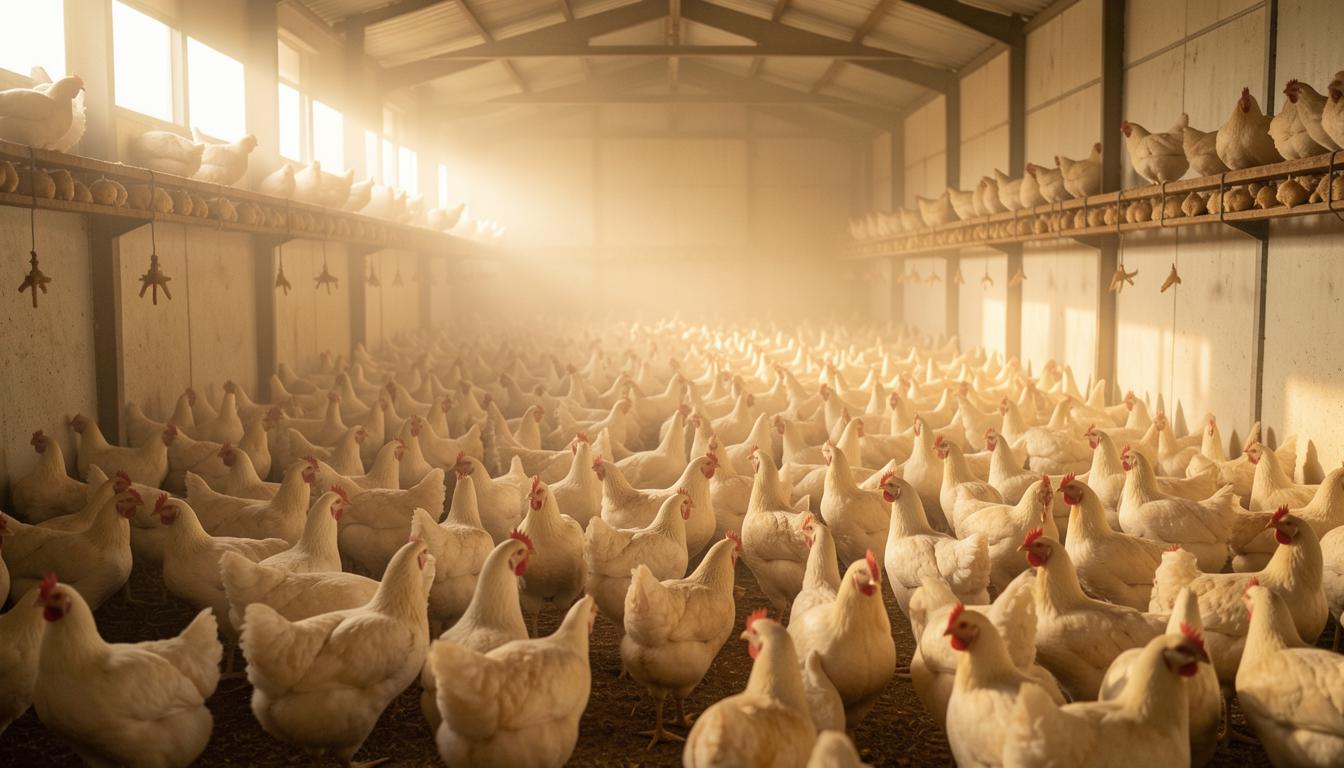
Forced moulting is a common practice in East Asian factory farms, where chickens are subjected to stress and pain to induce a premature laying cycle. While the public may be aware of the basic process, the hidden cruelties and consequences of this practice often go unnoticed. In this article, we delve into the lesser-known aspects of forced moulting, from the stress and pain inflicted on chickens to the escalating issue of antibiotic resistance.
Forced moulting subjects chickens to immense stress and pain. The sudden food restriction can lead to a condition called 'starvation oedema,' where fluid accumulates in the bird's body, causing discomfort and distress. The stress also weakens the chicken's immune system, making them more susceptible to diseases and infections. Furthermore, the process of molting itself can be painful, as feathers are shed and new ones grow back.

“Forced moulting is a cruel and outdated practice that causes significant suffering to chickens. It's high time we reconsider our approach to egg production and prioritize animal welfare.”
The stress and weakened immune system caused by forced moulting often lead to an increased use of antibiotics in chicken farms. While this may help prevent immediate deaths, it contributes to the growing issue of antibiotic resistance. According to the FAO, up to 80% of antibiotics used in animal farming are administered prophylactically, directly contributing to the development of drug-resistant pathogens.
| Country | Antibiotic Usage (mg/kg) | Percentage Change (2015-2020) |
|---|---|---|
| China | 175 | 12% |
| Japan | 90 | -2% |
| South Korea | 120 | 8% |
Given the clear link between forced moulting and animal suffering, as well as the contribution to antibiotic resistance, consumers and organizations have a crucial role to play in driving change.
Frequently asked questions
Is forced moulting legal in East Asia?+
The legality of forced moulting varies across East Asian countries. While some have regulations in place, enforcement can be lax, and loopholes often allow the practice to continue.
What are the alternatives to forced moulting?+
Alternatives include improving chicken welfare, such as providing more space, better lighting, and enriching environments, as well as adopting alternative production systems like free-range or organic farming.
How does forced moulting affect the environment?+
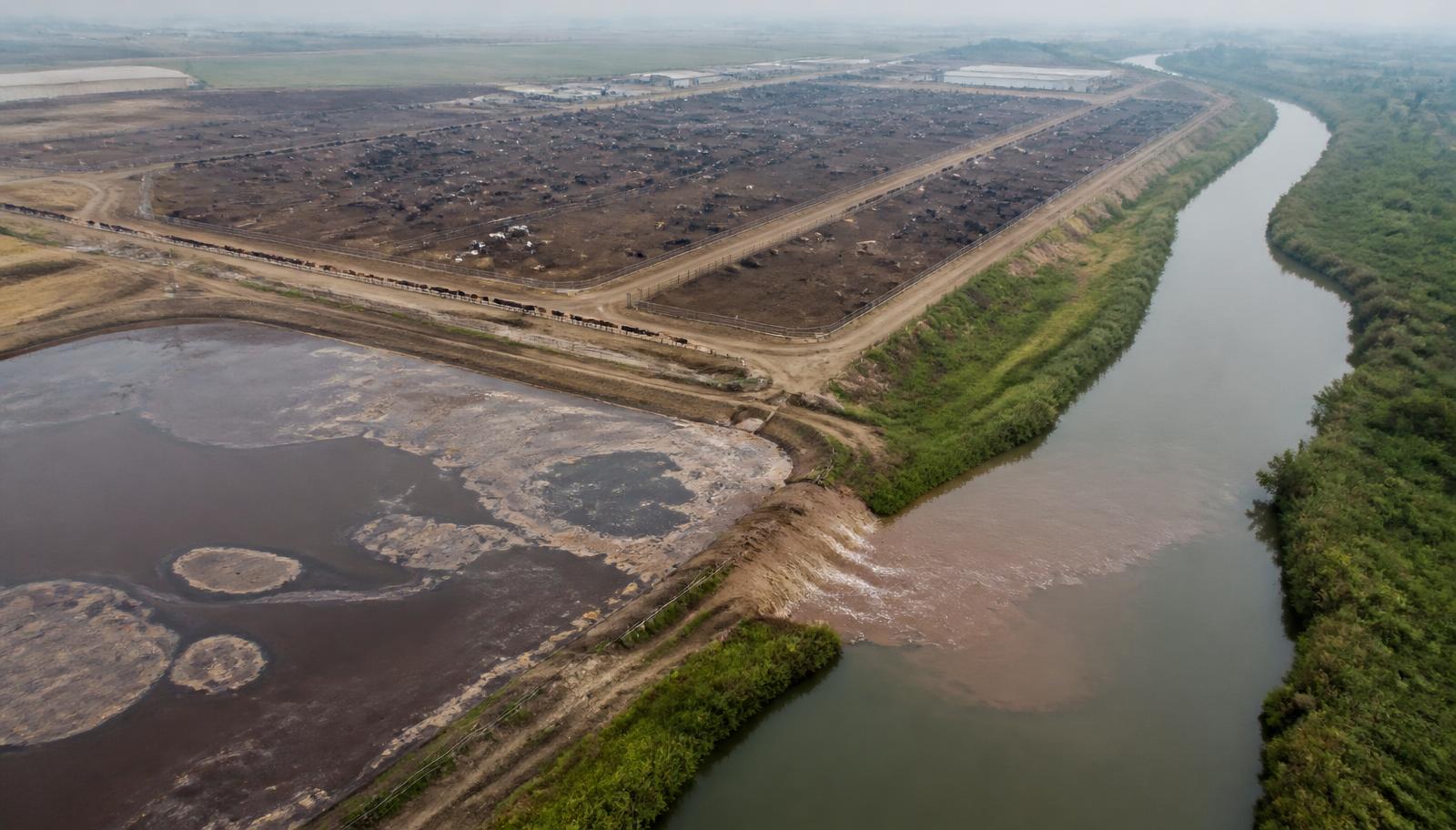
The environmental impact of forced moulting is significant. The practice contributes to greenhouse gas emissions, deforestation, and water pollution due to the intensive use of resources and the generation of waste.