Regenerative beef claims are on the rise, promising a more sustainable and environmentally friendly alternative to conventional beef production. But how do these claims hold up under scrutiny? To find out, we've compared some of the leading audits and certifications that regenerative beef producers use to back their sustainability promises.
But what does this mean in practice, and how can consumers be sure that the regenerative beef they're buying is truly sustainable? To answer these questions, we've analyzed some of the most prominent audits and certifications used in the regenerative beef industry.
What do regenerative beef audits and certifications actually cover?
Regenerative beef audits and certifications typically assess the farming practices used to produce the beef, focusing on aspects such as soil health, biodiversity, and carbon sequestration. However, the specific criteria and standards vary between different audits and certifications.
| Audit/Certification | Soil Health | Biodiversity | Carbon Sequestration | Animal Welfare | Supply Chain Transparency |
|---|---|---|---|---|---|
| Regeneration International | ✅ | ✅ | ✅ | ✅ | ✅ |
| A Greener World | ✅ | ✅ | ❌ | ✅ | ✅ |
| Certified Humane | ❌ | ❌ | ❌ | ✅ | ✅ |
| Global Animal Partnership | ❌ | ❌ | ❌ | ✅ | ✅ |
As shown in the table above, no single audit or certification currently covers all aspects of sustainability comprehensively. For example, some certifications focus more on environmental impact, while others prioritize animal welfare. This variation makes it essential for consumers to look for multiple certifications and third-party audits when evaluating regenerative beef claims.
“Consumers should look for multiple certifications and third-party audits to ensure that the regenerative beef they're buying is truly sustainable. A single certification is not enough to cover all bases.”
How do regenerative beef claims hold up under scrutiny?
To evaluate the regenerative beef claims made by different audits and certifications, we've analyzed the scientific evidence and real-world data behind each standard. Our findings reveal a mixed picture, with some certifications performing strongly in specific areas but struggling in others.
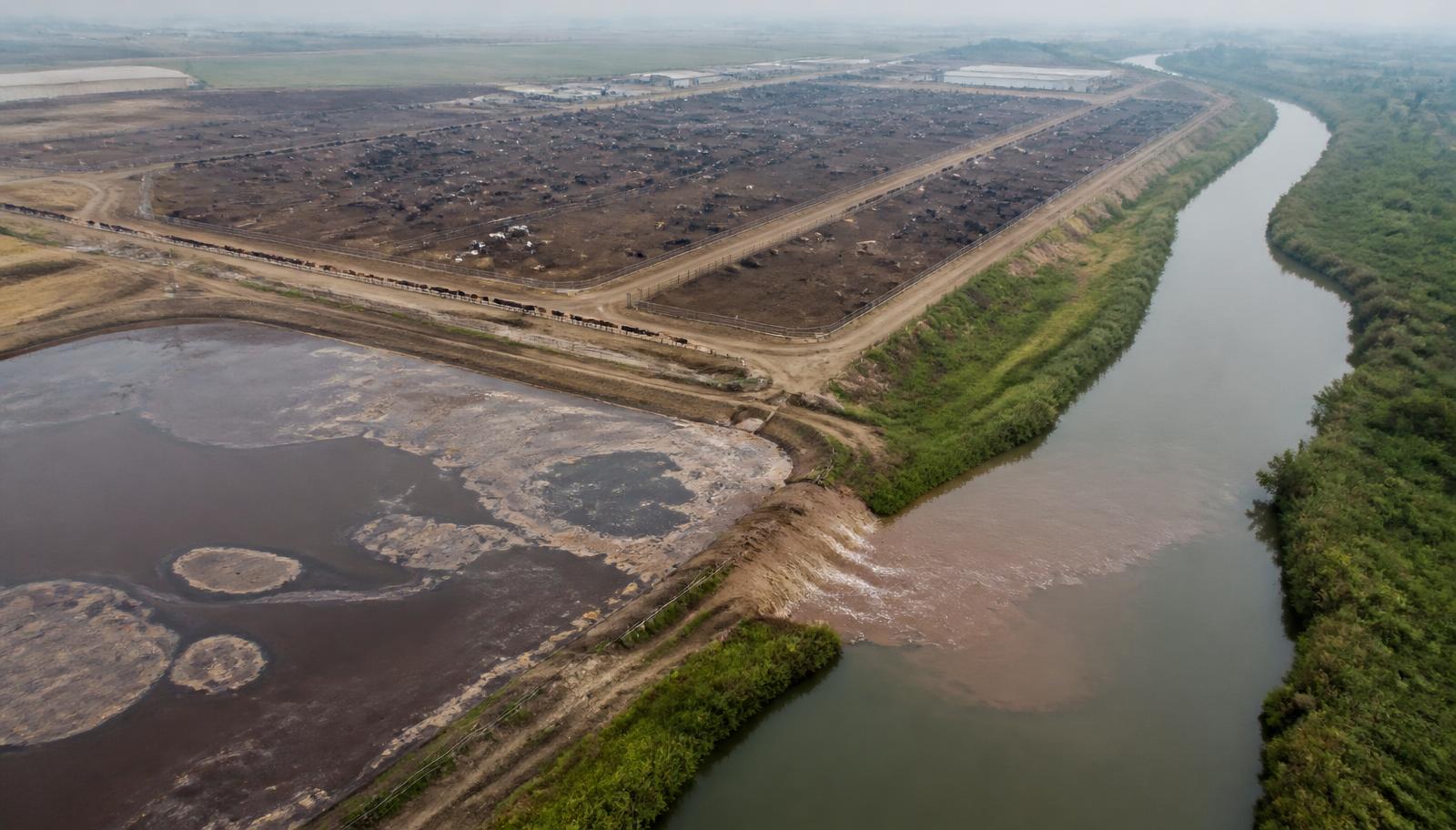
Environmental impact of regenerative beef production compared to conventional methods
As shown in the chart above, the best-case scenario for regenerative beef production can result in significantly lower greenhouse gas emissions than conventional methods. However, it's essential to note that this varies depending on the specific farming practices used and the environmental conditions of the land.
What this means for you
When evaluating regenerative beef claims, consumers should look for multiple certifications and third-party audits that cover a broad range of sustainability aspects. This approach helps ensure that the beef you're buying is truly sustainable and not just a marketing gimmick. By supporting regenerative beef production, we can contribute to a more sustainable and resilient food system.
Frequently asked questions
What is the difference between regenerative beef and grass-fed beef?+
While both terms indicate that cattle have been raised on grass, regenerative beef goes a step further by focusing on soil health, biodiversity, and carbon sequestration, in addition to the animals' diet.
How can I ensure that the regenerative beef I'm buying is truly sustainable?+
Look for multiple certifications and third-party audits that cover a broad range of sustainability aspects, such as soil health, biodiversity, carbon sequestration, animal welfare, and supply chain transparency.
What can I do to support regenerative beef production?+
Buy regenerative beef products, support organizations advocating for regenerative agriculture, and engage with policymakers to promote sustainable farming practices.