The existence of veal crates in the US remains a contentious issue, despite state-level bans and growing consumer concern. While some states have prohibited their use, the federal regulatory framework lacks a comprehensive ban, leading to a patchwork of standards and often misleading consumer labels that obscure the true realities of veal calf confinement and welfare.
What is the Reality of Veal Crates in US Farming?
Veal crates, also known as 'calf hutches' or 'individual pens,' confine young calves, typically male offspring of dairy cows, from birth until slaughter at around 18-20 weeks. This system severely restricts natural behaviors like walking, turning around, stretching, or social interaction, contributing to chronic stress, lameness, and digestive issues (Broom & Fraser, 2015). The goal is to produce 'milk-fed' or 'white' veal, characterized by light-colored, tender meat, achieved by feeding a low-iron, liquid diet.
While eight US states – Arizona, California, Colorado, Kentucky, Maine, Massachusetts, Michigan, Ohio, and Oregon – have passed legislation banning the use of veal crates, there is no federal prohibition. This jurisdictional disparity means that legally produced veal from states without bans can still be sold across state lines, confounding consumer efforts to choose ethically sourced products (ASPCA, 2023).
How Do Consumer Labels Address Veal Crate Practices?
Consumer labels regarding animal welfare in the US are notoriously complex and often misleading, particularly concerning veal crates. Terms like 'humanely raised,' 'all natural,' or even 'ethically sourced' frequently lack specific, verifiable standards. The USDA regulates some labeling claims, but many 'humane' certifications are third-party and vary widely in their rigor and enforcement (Animal Welfare Institute, 2022).

For example, a product labeled 'humanely raised' might still come from calves housed in individual pens, provided those pens meet certain minimum size requirements or allow for slightly more movement than traditional veal crates. Consumers must scrutinize the specific certifying body and its standards to truly understand the conditions behind such labels. Without a federal mandate for clear, uniform labeling on veal crate usage, consumers are often left to decipher opaque claims.
| Label/Standard | Veal Crate Prohibition | Group Housing Requirement | Dietary Restrictions |
|---|---|---|---|
| USDA Regulated (No specific veal standard) | No federal prohibition | No specific requirement | No specific iron restriction |
| Certified Humane® | Yes | Yes, after 10 days | No iron restriction for paleness |
| Animal Welfare Approved (AWA) | Yes | Yes, from birth | No iron restriction for paleness |
| Global Animal Partnership (GAP) Step 1-2 | No prohibition specified | Individual housing permissible | No iron restriction for paleness |
| Global Animal Partnership (GAP) Step 5+ | Yes | Yes, from birth | No iron restriction for paleness |
What are the Welfare Impacts on Calves in Veal Crate Systems?
The impacts of veal crates on calf welfare are well-documented. Confined calves exhibit abnormal behaviors such as tongue-rolling, bar-mouthing, and sham-chewing, indicative of chronic stress and lack of environmental enrichment (Webster, 1995). The restricted movement leads to underdeveloped muscles and weakened bones, while the low-iron diet can cause anemia, lethargy, and compromised immune function (Grandin, 2016).
“The psychological deprivation endured by calves in veal crates is profound. They are highly social animals, and denying them interaction and basic movement is a clear violation of their intrinsic needs, leading to prolonged suffering.”
Mortality rates for calves in conventional veal systems can be substantial, often exacerbated by respiratory diseases, scours (diarrhea), and complications from the restricted diet (USDA, 2018). These conditions are direct consequences of an industrial system designed for efficiency over animal well-being.
Public Support for Banning Veal Crates in the US (Selected States, 2022)
Are There Viable Alternatives to Veal Crates?
Yes, viable and commercially successful alternatives to veal crates exist. Group housing systems, where calves are housed with conspecifics in larger pens, allow for natural social interaction, play, and movement (de Passillé & Ladewig, 1993). Research consistently shows that calves in group housing exhibit improved weight gain, healthier immune systems, and reduced stress behaviors compared to crated calves.
These systems often incorporate deeper bedding, access to solid feed, and environmental enrichment, all of which contribute to better health outcomes and a higher quality of life for the animals. While initial investment costs may be higher, long-term benefits include reduced veterinarian expenses and improved public perception, leading to sustainable and ethical animal agriculture practices.
Frequently Asked Questions
Are veal crates completely banned in the United States?+
No, veal crates are not completely banned nationwide. While eight US states have enacted bans on their use for calves, there is no federal law prohibiting them. This means that veal produced in states without bans can still be sold in all states, including those with prohibitions on crate usage.
What is the difference between 'milk-fed' and 'pasture-raised' veal?+
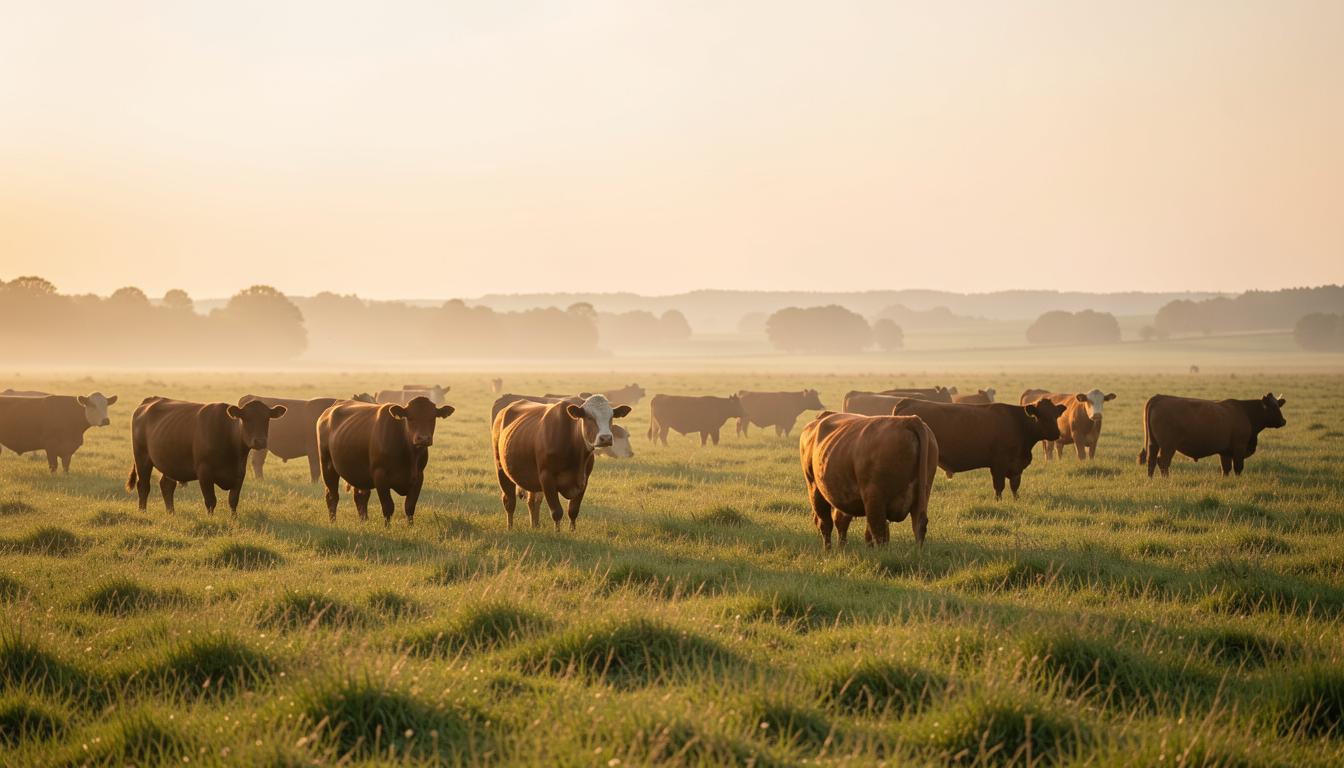
'Milk-fed' veal typically refers to calves fed a liquid, low-iron diet, often confined in crates to produce pale, tender meat. 'Pasture-raised' veal, in contrast, comes from calves with access to outdoor pastures, allowing natural movement and foraging behavior, resulting in darker, more flavorful meat.
How can I, as a consumer, ensure I'm not supporting veal crate practices?+
Consumers can ensure they are not supporting veal crate practices by seeking out products with robust third-party animal welfare certifications that explicitly prohibit crates, such as 'Certified Humane' or 'Animal Welfare Approved.' Opting for plant-based alternatives or choosing 'pasture-raised' veal from verified sources are also effective strategies.
Does USDA organic certification guarantee calves are not raised in veal crates?+
USDA Organic certification requires that animals have access to the outdoors, which implicitly makes traditional veal crate confinement unlikely. However, 'access to the outdoors' can be interpreted differently, and organic standards don't explicitly ban all forms of individual confinement. For strict crate-free assurance, look for specific humane certifications in addition to organic.