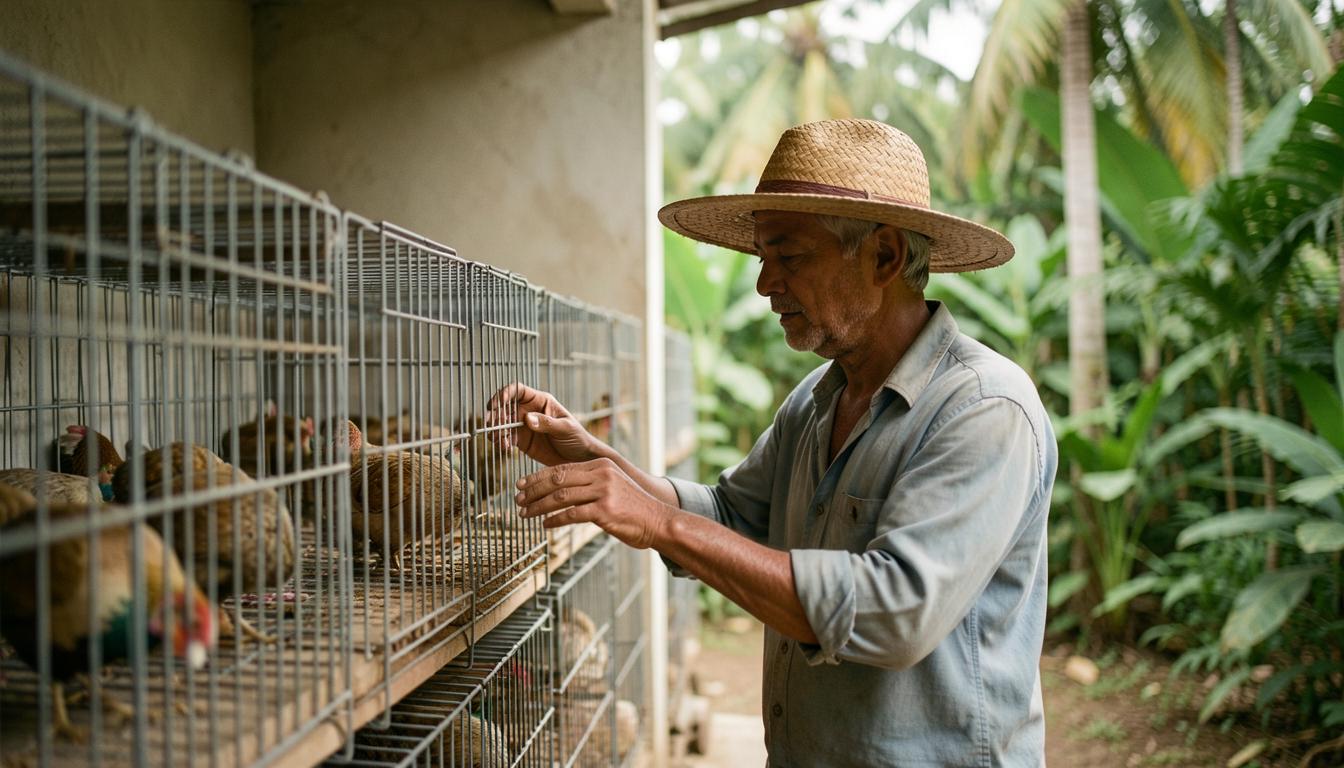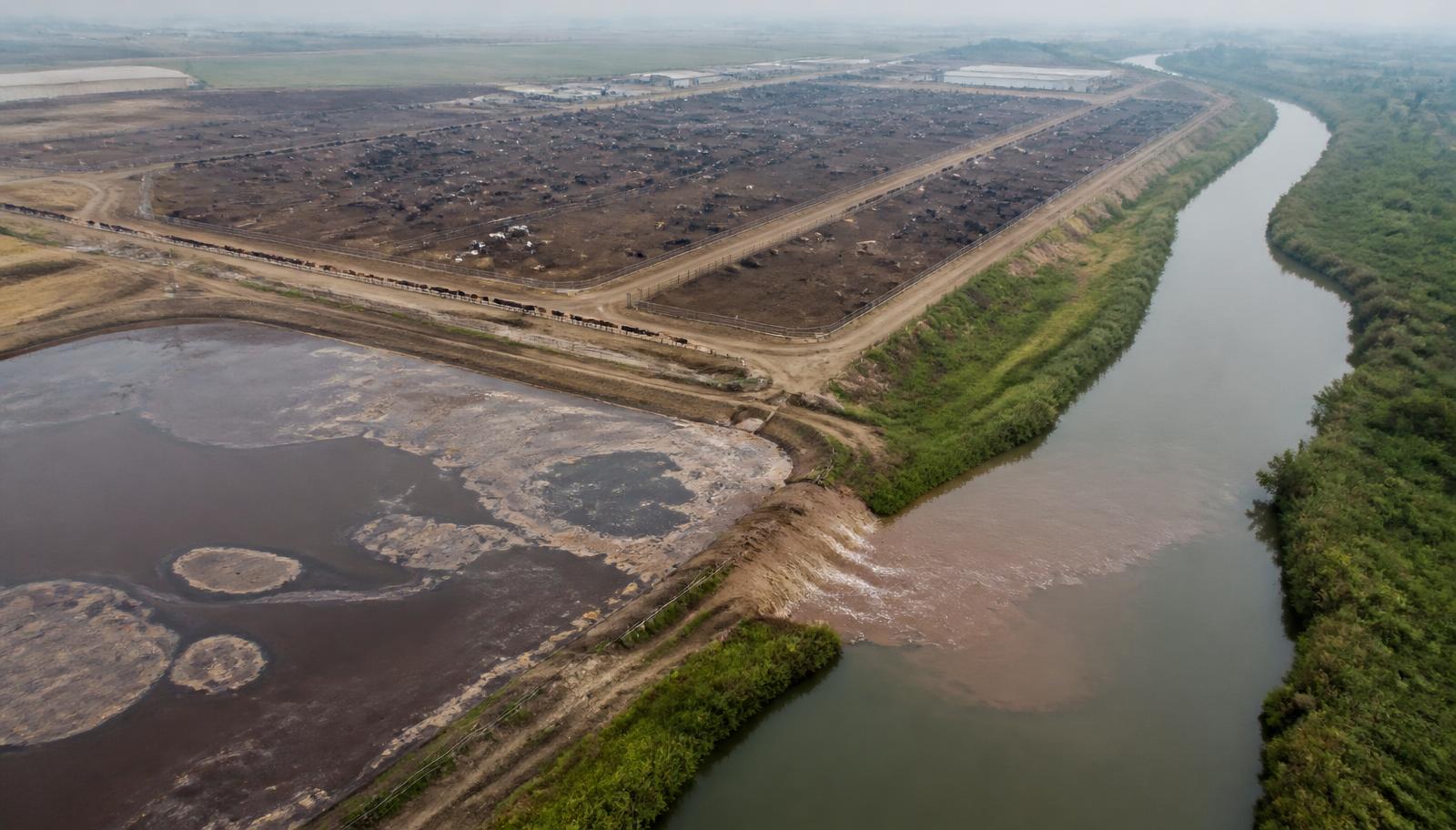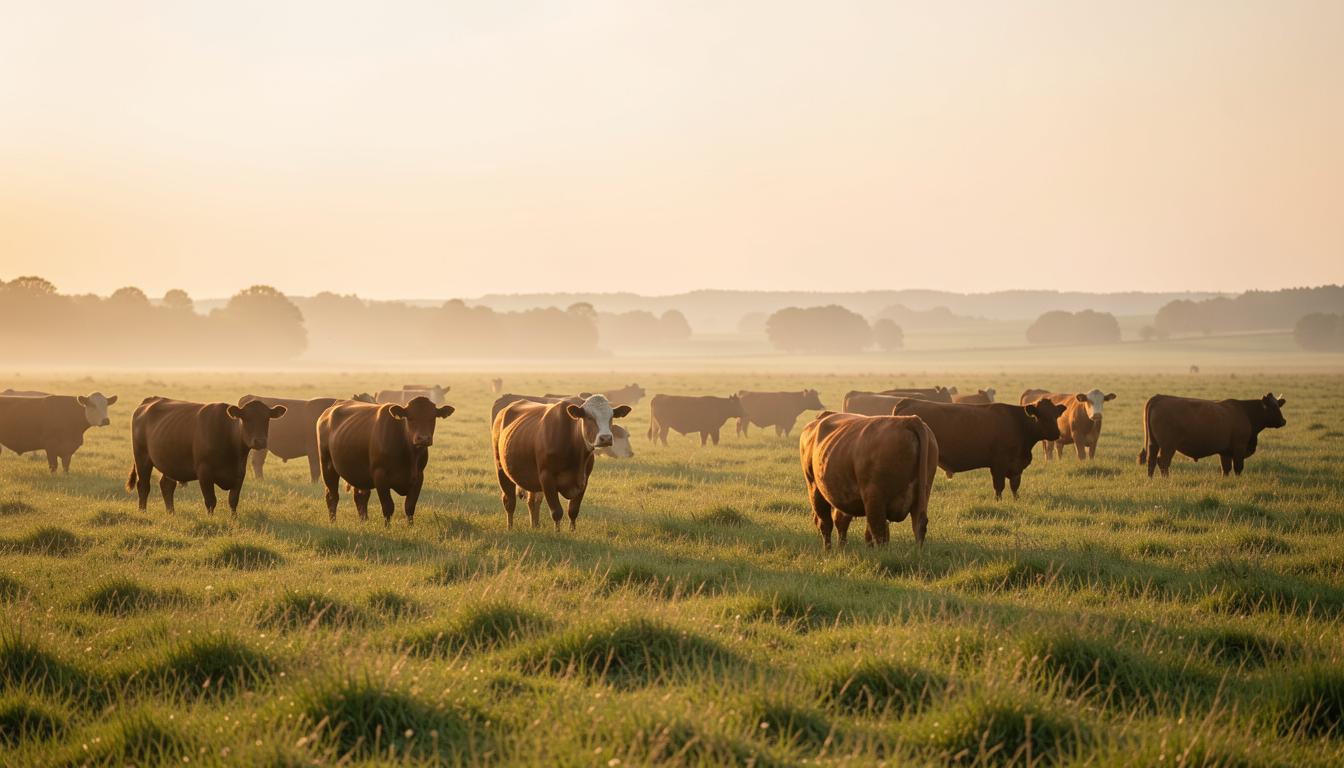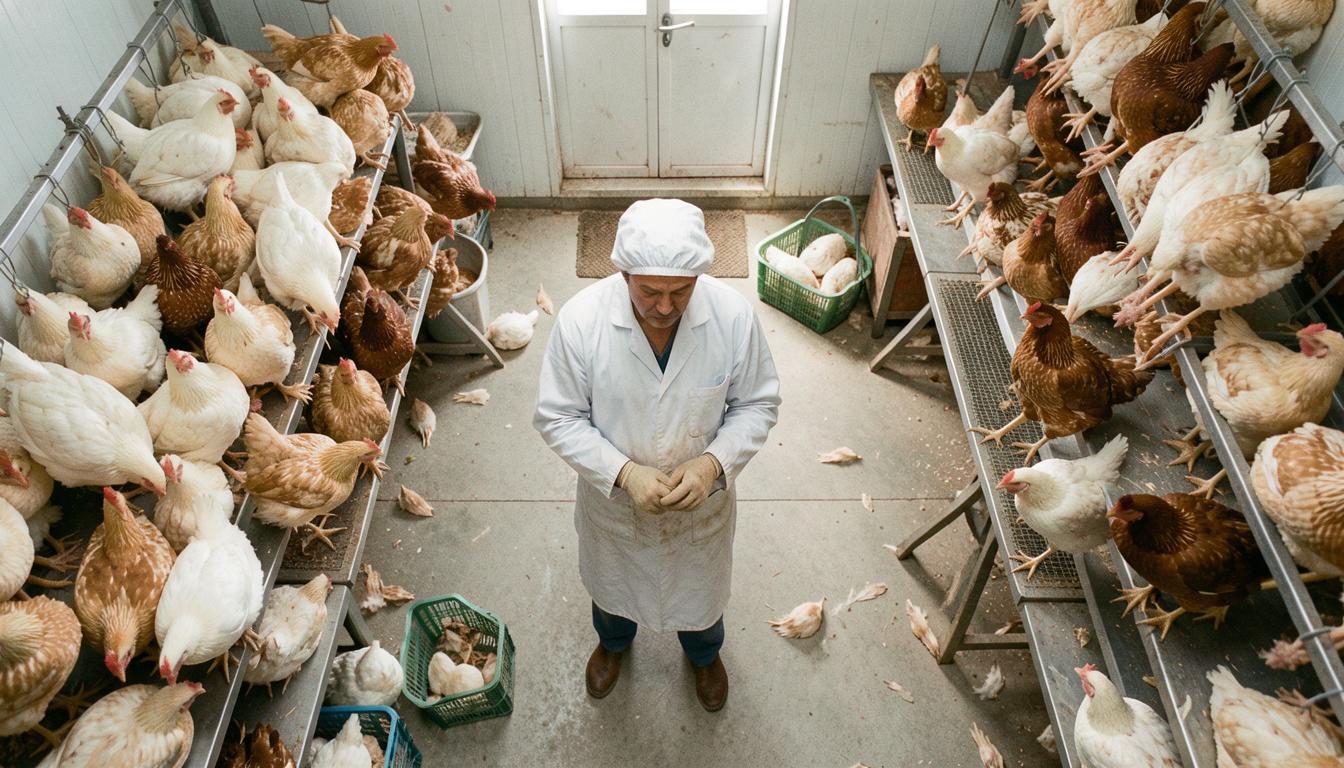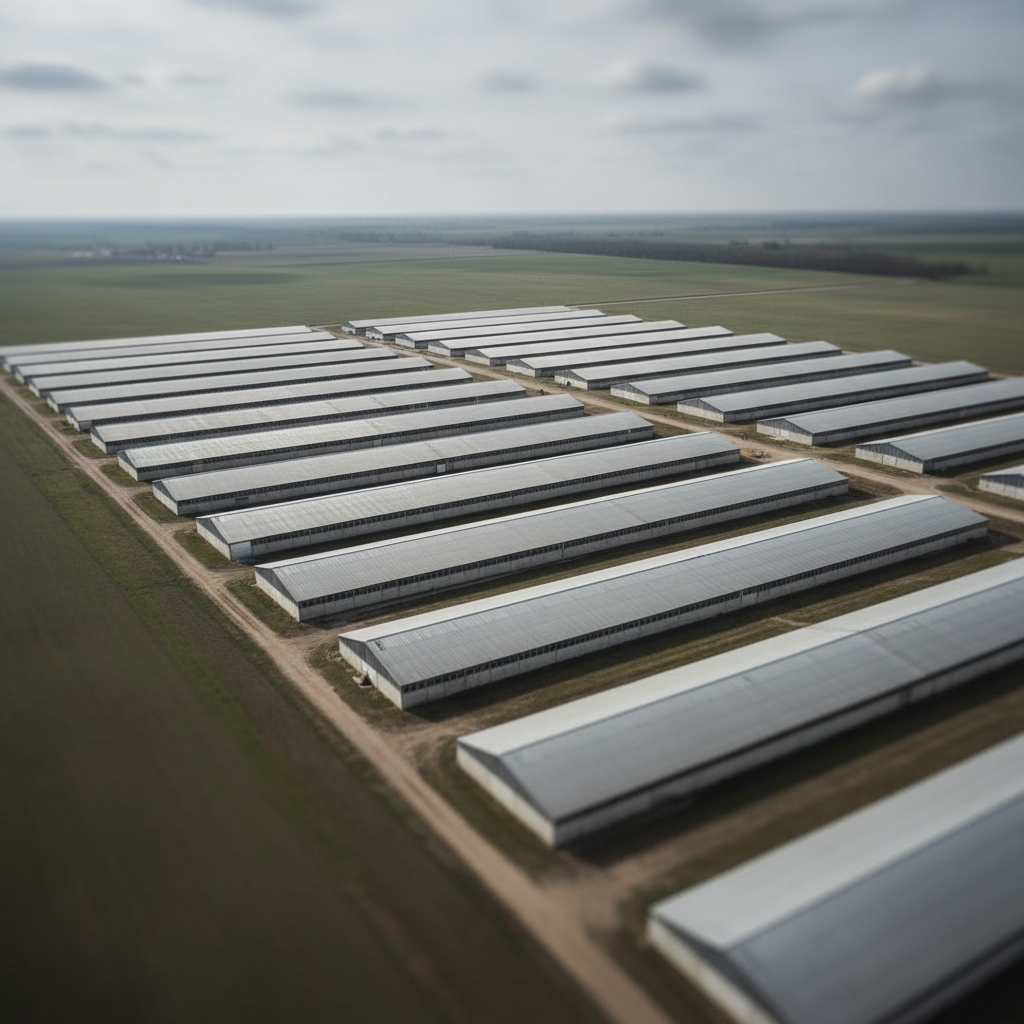
In 2024, the live export of animals for slaughter is still a pressing issue, with significant environmental and animal welfare concerns. However, plant-based protein sources offer a sustainable and ethical alternative, reducing greenhouse gas emissions and animal suffering.
Why go plant-based?
Shifting towards plant-based protein sources offers numerous benefits. According to a 2018 study in Science, avoiding meat and dairy is the single biggest way to reduce your impact on Earth, as it can reduce an individual's food-related emissions by up to 73%.
“Avoiding meat and dairy is the single biggest way to reduce your impact on Earth, not just in terms of global warming but also overfishing, deforestation, and wildlife extinction.”
Plant-based protein sources
Numerous plant-based protein sources can replace animal proteins in our diets. These include lentils, chickpeas, tofu, tempeh, and many more.
| Protein source | Protein content (g per 100g) |
|---|---|
| Lentils | 26 |
| Chickpeas | 19.3 |
| Tofu | 8.5 |
| Almonds | 21.2 |
| Wheat | 13.8 |
Reducing animal suffering
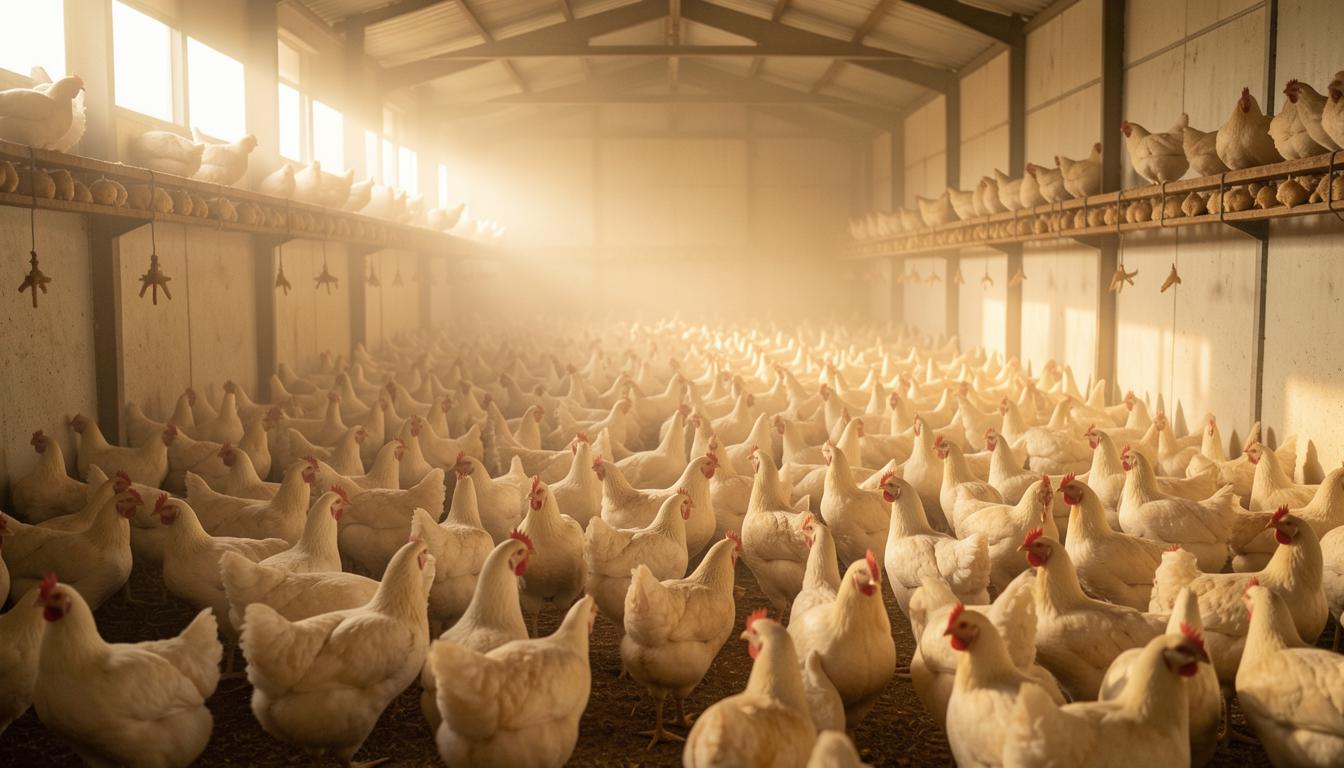
By reducing demand for animal products, we can decrease the number of animals raised and transported for live export, minimizing animal suffering.
How to transition to plant-based proteins
How to transition to plant-based proteins
- 1
Educate yourself
Learn about plant-based protein sources, their nutritional content, and how to cook with them.
- 2
Plan meals
Plan your meals around plant-based proteins, incorporating them into your favorite dishes.
- 3
Stock up on plant-based staples
Purchase and store plant-based protein staples in your pantry, such as legumes, nuts, and seeds.
- 4
Try new recipes
Experiment with new plant-based recipes and adjust your favorite dishes to include plant-based proteins.
Frequently asked questions
How much protein do I need on a plant-based diet?+
Most adults need around 0.8 grams of protein per kilogram of body weight per day. A varied plant-based diet can easily meet these needs.
Can I get enough iron on a plant-based diet?+
Yes, by consuming iron-rich plant foods like leafy greens, beans, lentils, and fortified cereals, and pairing them with vitamin C sources.
Is it more expensive to eat plant-based?+
A well-planned plant-based diet can be less expensive than a meat-based diet, especially when focusing on affordable staples like lentils, chickpeas, and tofu.