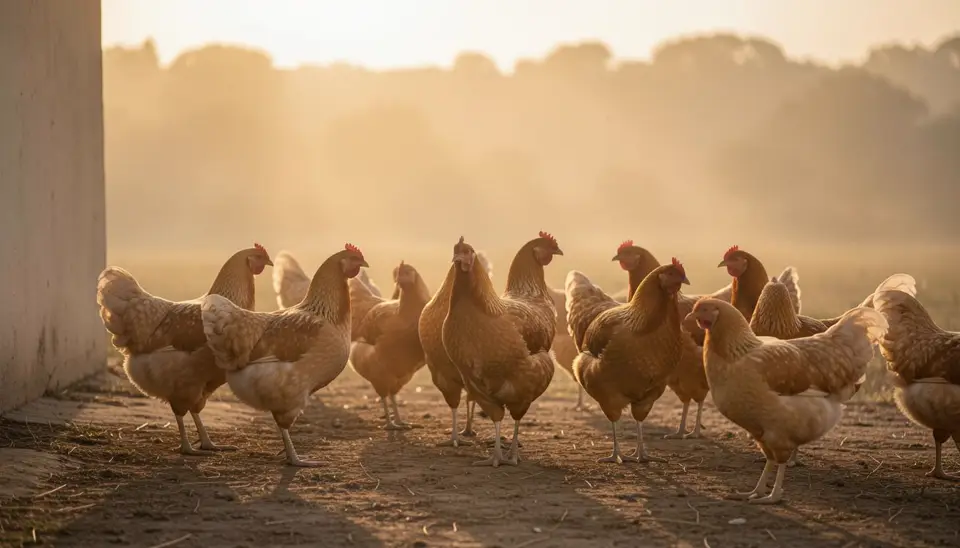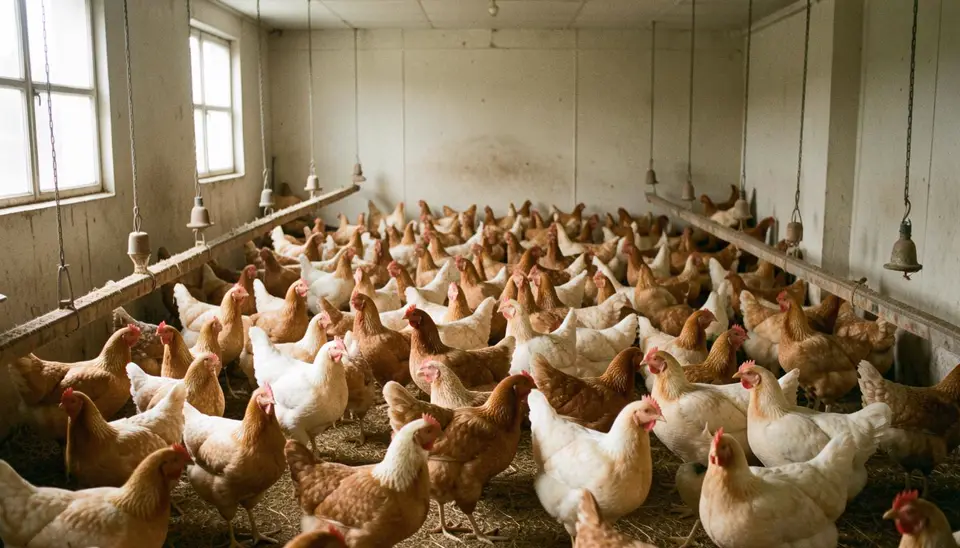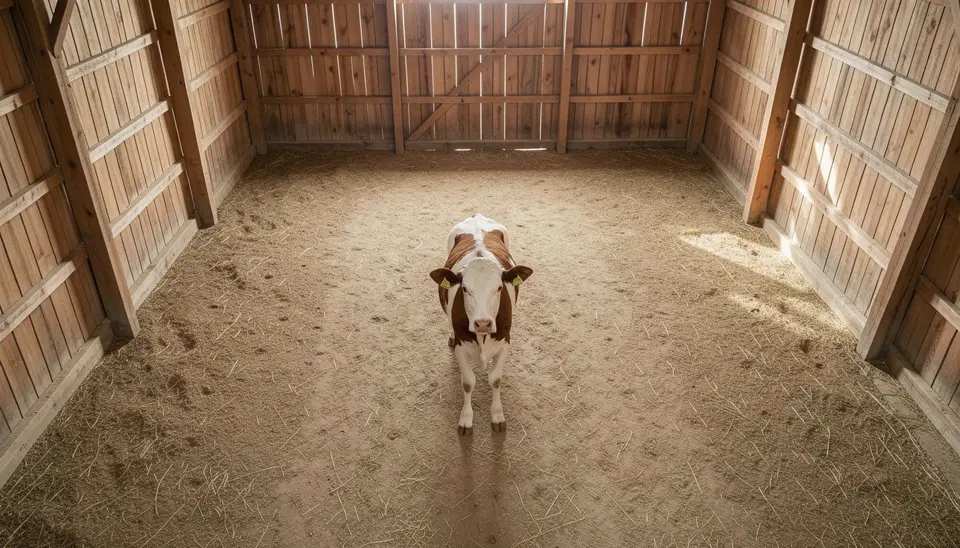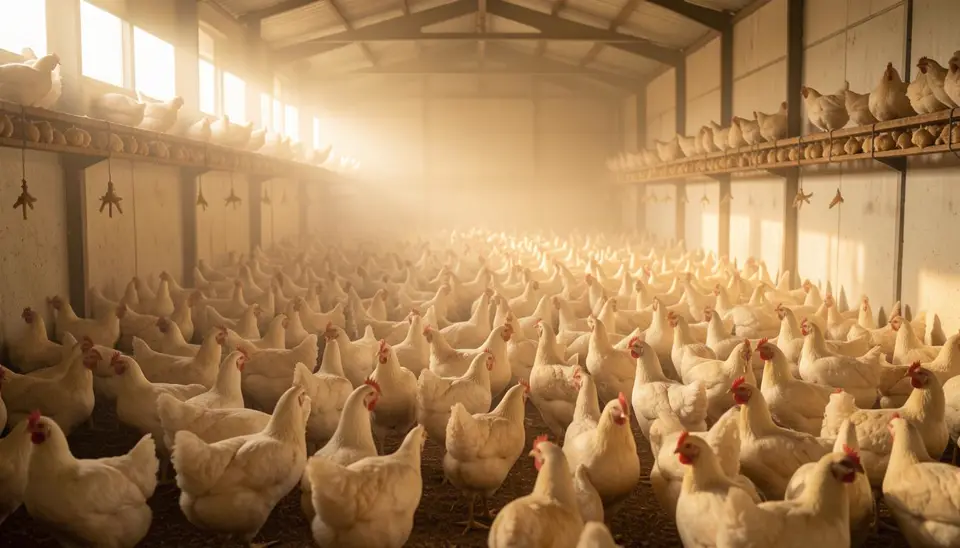
Fast-growth chicken genetics, engineered for rapid weight gain and high meat yield, place immense strain on natural resources, particularly water, making their widespread use in drought-prone regions environmentally unsustainable and a significant animal welfare concern. Sustainable rearing, conversely, prioritizes slower growth rates and resilient breeds, reducing the ecological footprint and enhancing animal well-being while adapting to water-scarce environments.
Why are Fast-Growth Chicken Genetics a Problem in Drought-Prone Regions?
Fast-growth chicken genetics are inherently problematic in drought-prone regions due to their intensive resource requirements. These birds demand substantial amounts of water, not only for drinking but also for cooling their fast-metabolizing bodies and for maintaining hygienic conditions in crowded sheds (Water Footprint Network, 2017). Their rapid growth also necessitates high-protein diets, often sourced from water-intensive crops like corn and soy, further straining regional water budgets.
A study by Compassion in World Farming (2020) estimated that producing just one kilogram of broiler meat can require between 3,500 and 6,000 litres of water, a figure significantly higher than that for pasture-raised birds. In arid zones, where water is already a critically limited resource, this demand directly competes with human consumption, environmental needs, and other agricultural sectors.
How Do Resource Demands Compare?
The resource demands of fast-growth chicken genetics starkly contrast with those of more sustainable poultry systems. Industrial broilers require controlled environments, extensive feed, and often preventative antibiotics due to stress and disease susceptibility. These systems are capital-intensive and environmentally taxing (Food and Water Watch, 2018).
Sustainable rearing, conversely, often uses slower-growing, disease-resistant breeds better adapted to local climates. These birds can thrive on less resource-intensive feed, including forage, and contribute to soil health where managed rotationally (Savory Institute, 2015). This reduces reliance on external inputs and lessens pressure on water resources.
| Criterion | Fast-Growth Chicken Genetics (Industrial) | Sustainable Rearing (Pastured/Slower-Growth) |
|---|---|---|
| Water Footprint (litres/kg meat) | 3,500 - 6,000 (high) | 1,500 - 3,000 (significantly lower) |
| Growth Rate to Market Weight | 35-49 days (rapid) | 56-80+ days (slower, natural) |
| Feed Conversion Ratio (FCR) | 1.5-1.7 kg feed/kg meat (efficient but high volume) | 2.0-2.5+ kg feed/kg meat (higher numerical, but includes forage) |
| Welfare Issues | Lameness, ascites, organ failure, skin lesions (high) | Lower incidence of genetic-linked health issues (moderate) |
| Antibiotic Reliance | High (prophylactic use common) | Low (therapeutic use only) |
| Environmental Impact (Drought Regions) | High water & land use for feed, waste pollution (severe) | Lower water use, soil improvement, biodiversity (beneficial) |
“The relentless pursuit of faster growth in broiler chickens has transformed them into biological machines, pushing their physiology to breaking point. This isn't just an ethical failure; it's an ecological one, particularly catastrophic in regions already battling water scarcity.”
Estimated Water Footprint per Kg of Chicken Meat (litres)
What are the Hidden Cruelties of Fast-Growth Chicken Genetics?
Beyond environmental impact, fast-growth chicken genetics conceal profound animal welfare issues. The birds grow so rapidly that their skeletal and cardiovascular systems often cannot keep pace (RSPCA, 2021). This leads to chronic lameness, with many birds experiencing painful hock burns, footpad dermatitis, and fractured bones due to their inability to support their own weight.
Moreover, respiratory and circulatory problems are common, including ascites (fluid accumulation in the abdomen) and sudden death syndrome, a direct consequence of their overstressed physiology. These conditions represent a significant, yet often unseen, cruelty embedded within the industrial production of fast-growth chicken genetics (The Guardian, 2023).
Can Sustainable Rearing Offer a Better Alternative?
Yes, sustainable rearing practices offer a viable and ethically superior alternative to industrial fast-growth chicken genetics. By selecting breeds that grow at a more natural rate and are better suited to foraging, farmers can reduce reliance on intensive feed inputs and controlled environments (Organic Valley, 2022).
Integrating poultry into regenerative agricultural systems, where chickens graze and contribute to pest control and soil fertilization, can drastically lower their overall environmental footprint. This approach also naturally mitigates many of the welfare concerns associated with rapid growth and confinement, promoting healthier, more resilient birds.
What is the Verdict: Fast-Growth vs. Sustainable Poultry?
The verdict is clear: fast-growth chicken genetics, while economically driven by consumer demand for cheap meat, are unsustainable and ethically indefensible, especially in water-stressed regions. Their environmental burden and inherent cruelty are too high a price.
Frequently asked questions
Do fast-growth chickens cause more antibiotic resistance?+
Yes, fast-growth chickens, often raised in crowded, stressful conditions conducive to disease, frequently receive prophylactic antibiotics. This widespread, non-therapeutic use of antibiotics in concentrated animal feeding operations (CAFOs) is a major driver of antibiotic resistance in zoonotic bacteria, posing a global public health threat (CDC, 2022).
What is the average lifespan of a fast-growth broiler chicken?+
Fast-growth broiler chickens are typically slaughtered at a very young age, usually between 35 to 49 days old. This is a fraction of their natural lifespan, which can be 5-10 years. Their rapid growth makes them reach market weight quickly, but often at the expense of health and mobility.
Are 'slower-growing' chicken breeds available to consumers?+
Yes, 'slower-growing' chicken breeds are increasingly available, often marketed as 'pasture-raised,' 'free-range,' or certified organic. These labels usually indicate birds that grow at a more natural pace and are given more space and outdoor access, leading to better welfare and often improved meat quality. Look for certifications like Global Animal Partnership (GAP) Step 3 or higher (GAP, 2023).
How does chicken farming impact land use in arid areas?+
Industrial chicken farming in arid areas impacts land use primarily through the production of feed crops. Vast tracts of land, often requiring irrigation, are dedicated to growing corn and soy for chicken feed. This practice puts immense pressure on groundwater resources and can lead to soil degradation, desertification, and biodiversity loss in already fragile ecosystems (UN Environment Programme, 2021).