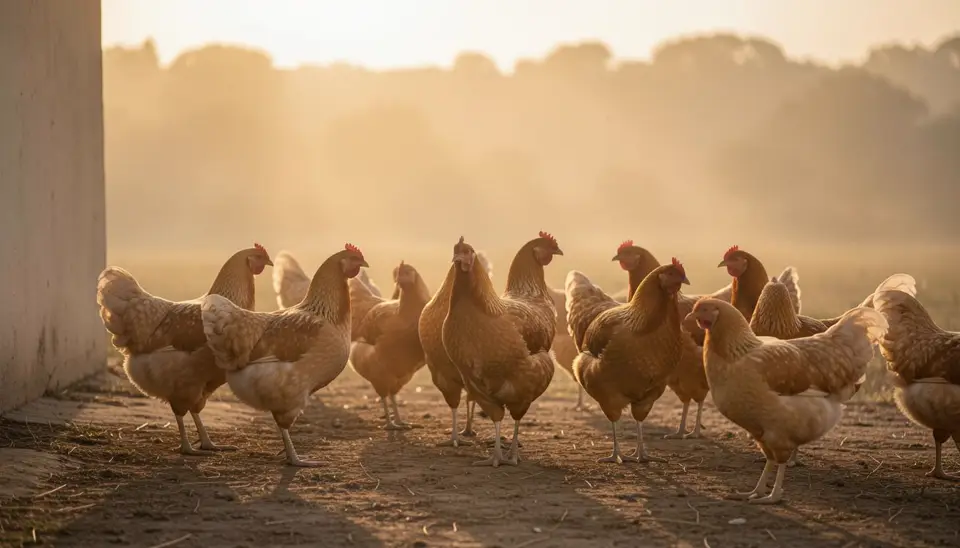
Despite widespread public perception and some regulatory changes, millions of laying hens worldwide continue to endure conditions similar to traditional battery cages, often disguised by terms like 'enriched' or 'colony' cages. These systems still restrict natural behaviors, contribute to significant animal welfare issues, worker exploitation, and environmental degradation, challenging the notion that battery hen conditions have been largely eradicated.
Myth 1: 'Battery cages are completely banned everywhere now, so battery hen conditions no longer exist.'
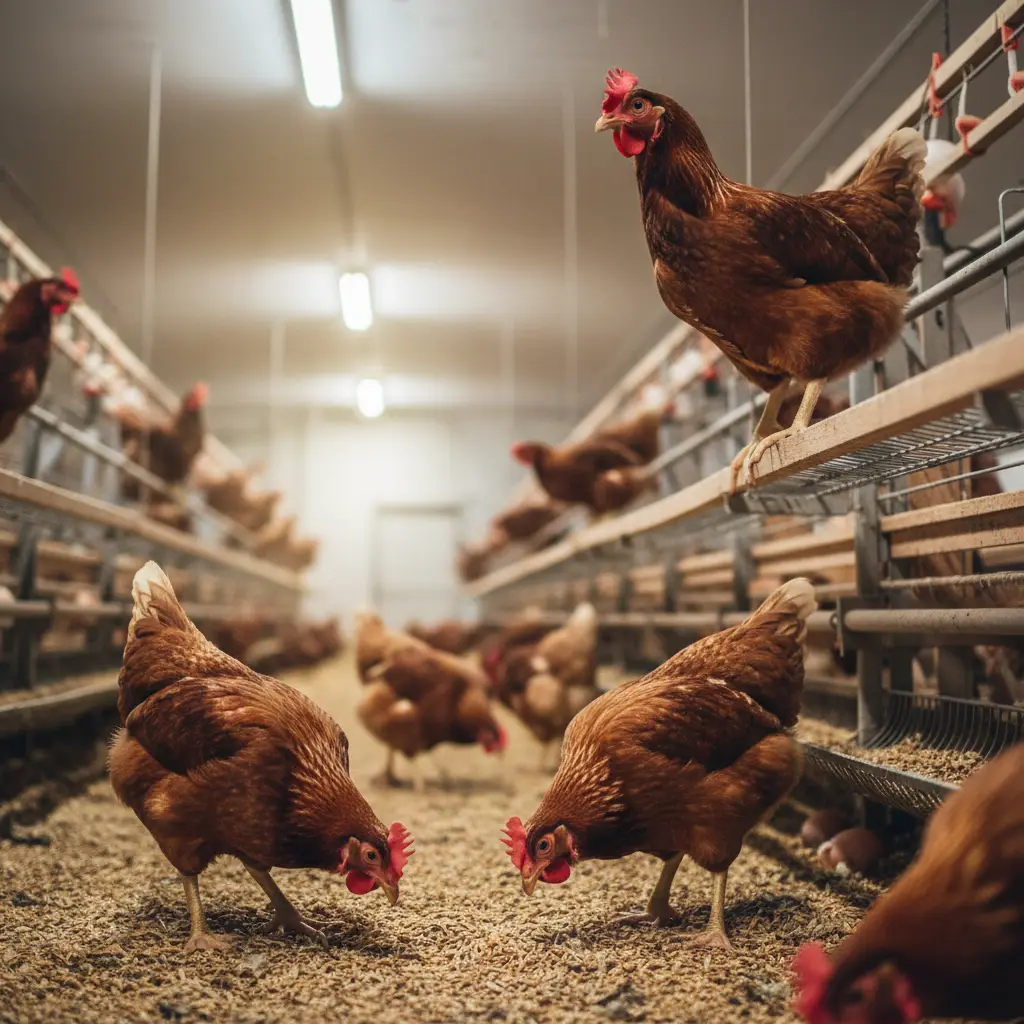
The reality: While outright traditional battery cage bans exist in the European Union, the UK, New Zealand, Canada, and several US states, over 70% of the world's laying hens, and a significant portion even within 'ban' regions, still live in some form of cage (World Animal Protection, 2023). Many producers have simply transitioned to 'enriched' or 'colony' cages, which, while marginally larger, still severely restrict natural behaviors like dust-bathing, foraging, and stretching wings fully (Compassion in World Farming, 2022). For example, 76% of all EU egg-laying hens were still housed in cages, including 'enriched' cages, as of 2020 (Eurostat, 2021). These battery hen conditions, though rebranded, maintain many of the welfare issues of their predecessors.
Myth 2: 'Transitioning to 'cage-free' or 'barn-laid' systems automatically ensures good animal welfare for laying hens.'
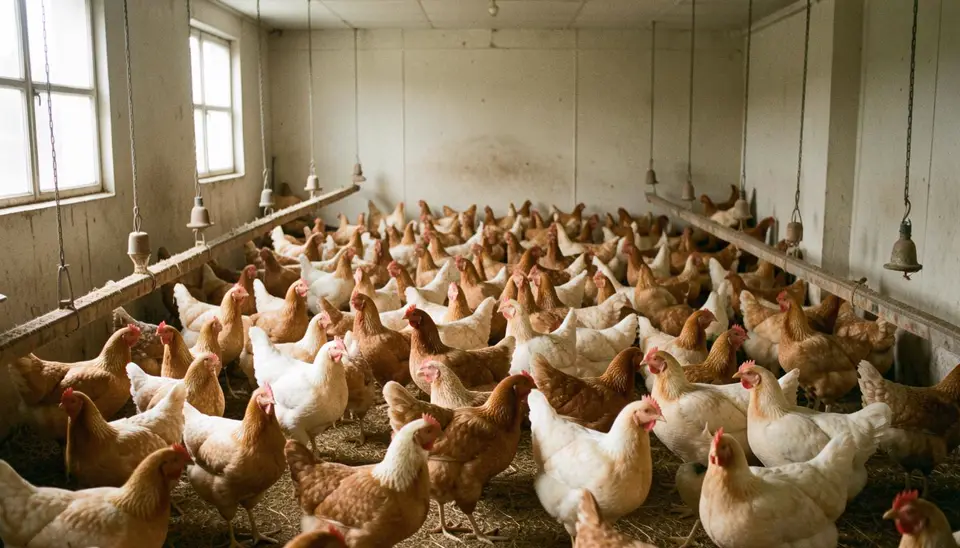
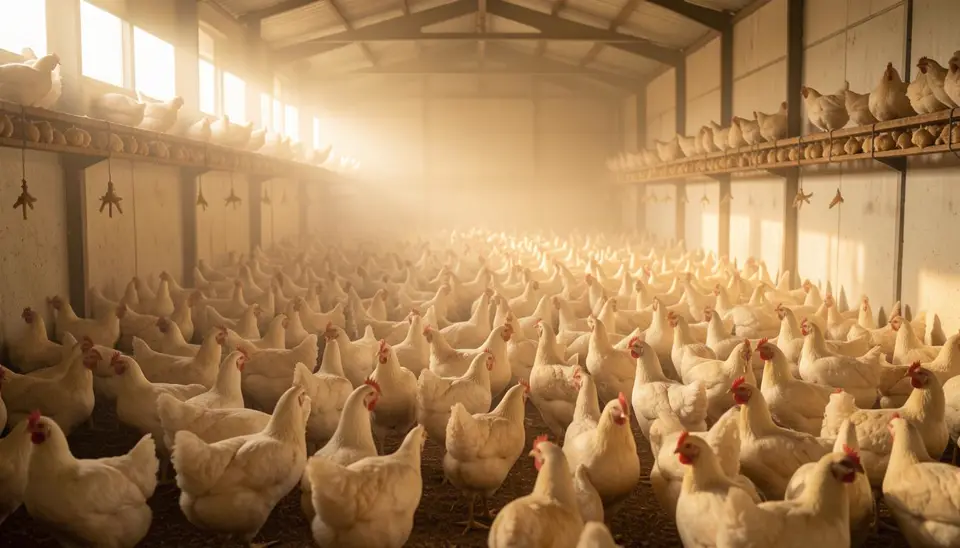
The reality: While cage-free systems offer more space, they present their own set of welfare challenges if not managed properly. High stocking densities in barn systems can lead to increased aggression, feather pecking, cannibalism, and poor air quality due to ammonia buildup (Poultry Science Journal, 2021). Diseases like Marek's disease and respiratory infections can spread more rapidly in crowded cage-free environments (Avian Diseases, 2020). For instance, mortality rates can sometimes be higher in poorly managed cage-free operations compared to some caged systems, reaching up to 10-15% annually in some commercial flocks due to injury or disease (USDA, 2019 report on cage-free conversions). True welfare improvements require stringent standards beyond just removing cages, focusing on environmental enrichment, adequate space, and proper health management.
Myth 3: 'Industrial egg production is highly regulated, ensuring humane treatment and safe products.'
The reality: Regulatory oversight of industrial animal agriculture, particularly regarding animal welfare and worker conditions, often varies significantly by region and can be inadequate. Many regulations focus on food safety rather than humane treatment. In the US, for example, the Humane Methods of Livestock Slaughter Act does not apply to poultry, leading to minimal federal oversight on the treatment of laying hens or broiler chickens during rearing (USDA FSIS, 2023). Furthermore, rapid line speeds in slaughterhouses for spent hens raise concerns about effective stunning and humane processing, with workers often facing pressure to meet quotas, leading to compromised welfare standards (Government Accountability Office, 2019). This lax or inconsistent regulation allows substandard battery hen conditions to persist.
“The welfare of a living creature cannot truly be 'regulated' away if the underlying economic model incentivizes suffering. We need systemic change, not just minor adjustments to outdated rules.”
| Feature | Caged (Battery/Enriched) | Cage-Free (Barn/Free-Range) |
|---|---|---|
| Space per hen (cm²) | 450-750 (Enriched: 750-1000) | 1100-1400+ |
| Natural Behaviors | Severely Restricted | Partially to Fully Enabled |
| Exposure to Ammonia | Moderate to High | Variable (Low to High, depending on ventilation) |
| Risk of Keel Bone Fractures | High (due to lack of exercise) | Moderate (due to increased activity/perching) |
| Worker Exposure to Dust/Ammonia | High | High |
| Environmental Impact (relative) | High (Waste Concentration) | High (Waste Dispersion/Concentration) |
Myth 4: 'Antibiotics are only used sparingly in poultry farming, and resistance isn't a major concern.'
The reality: The intensive, crowded conditions prevalent in industrial egg and meat production, including battery hen facilities, necessitate the routine use of antibiotics to prevent disease outbreaks and promote growth. This widespread prophylactic use contributes significantly to the global rise of antibiotic-resistant bacteria (CDC, 2023). These resistant strains can transfer from animals to humans through direct contact, via food products, or environmental contamination (World Health Organization, 2022). A study in the Journal of Antimicrobial Chemotherapy (2020) highlighted that poultry farms are hotspots for the emergence and spread of multi-drug resistant E. coli, posing a direct threat to human health globally. These realities underpin how battery hen conditions directly impact public health far beyond the birds themselves.
Global Antibiotic Sales for Food-Producing Animals (Selected Regions)
Myth 5: 'Workers in the egg industry are well-compensated and protected, with strong labor laws.'
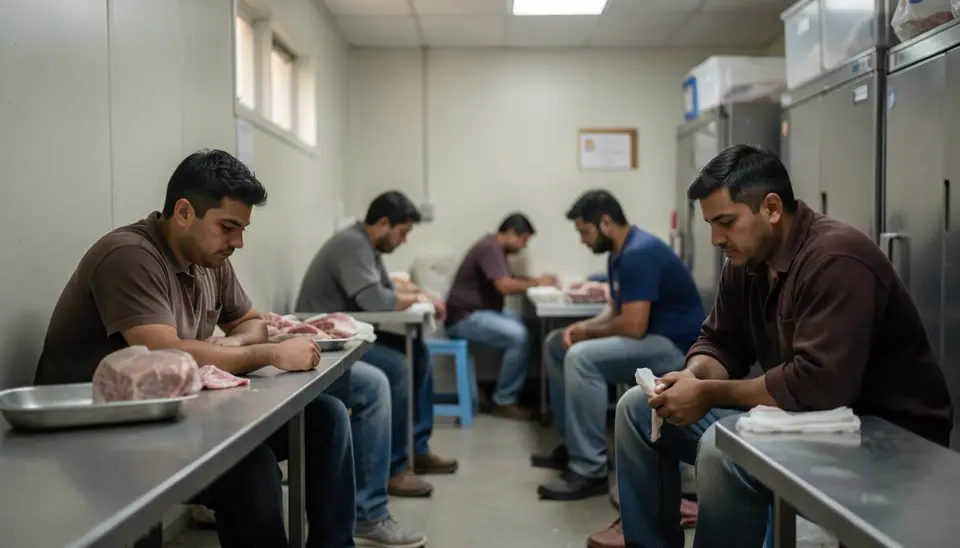
The reality: Labor conditions in industrial agricultural settings, including egg production, are frequently characterized by low wages, hazardous environments, and a lack of protective measures. Workers, often migrant or from vulnerable communities, face exposure to toxic chemicals like ammonia, airborne dust, and pathogens without adequate personal protective equipment (Oxfam America, 2021). The demanding pace of work, repetitive motions, and pressure to meet quotas lead to high rates of musculoskeletal injuries (NIOSH, 2017). A report by the Economic Policy Institute (2020) found that poultry workers, including those in egg facilities, earn substantially lower wages than workers in comparable manufacturing sectors, often below the living wage for their regions. These deplorable conditions for human workers are an under-covered aspect of modern factory farming, including battery hen systems.
Frequently asked questions
Are battery cages still legal in the United States?+
While the federal government has not banned battery cages, several U.S. states, including California, Massachusetts, and Washington, have passed laws prohibiting the sale of eggs from caged hens or requiring specific cage-free standards. This patchwork of regulations means the legality of battery cages varies significantly by state, but they are still common in non-regulated states.
What is the difference between 'cage-free' and 'free-range' eggs?+
'Cage-free' means hens are not confined to cages but typically live in open barn environments, often with thousands of other birds, and may not have outdoor access. 'Free-range' implies that hens have continuous access to the outdoors, weather permitting, though the size and quality of this outdoor access can vary greatly by certification and farm.
How do battery hen conditions impact the environment?+
Industrial egg operations, including those housing battery hens, generate significant concentrations of manure, contributing to air and water pollution through ammonia emissions, nitrate runoff, and phosphorus accumulation. Their energy consumption for climate control and feed production also contributes to greenhouse gas emissions, exacerbating climate change and local environmental degradation.
What are 'enriched cages' and how do they differ from traditional battery cages?+
'Enriched cages' are a modified form of battery cage intended to improve welfare by providing slightly more space per hen, a perch, a nesting area, and a scratching pad. While an improvement over barren battery cages, they still restrict many natural behaviors and are often criticized by animal welfare advocates for not meeting the full behavioral needs of hens.
What can consumers do to support better animal welfare in egg production?+
Consumers can choose certified humane or organic eggs from third-party audited farms that explicitly guarantee higher welfare standards, such as Certified Humane or Global Animal Partnership (GAP) Step 3+. Reducing overall egg consumption or opting for plant-based egg alternatives also directly reduces demand for industrial egg production and its inherent issues, fostering a more compassionate food system.