
Humane Foundation
Topic hub · Food & Plant-Based

Going Vegan: Start Here

Most people who go plant-based do it gradually. This hub is the on-ramp: first-week meal plans, the swaps that stick, social situations, cost management and the nutrients worth tracking.

Stories
21
Writers
19
Reading time
92m
Desks
2
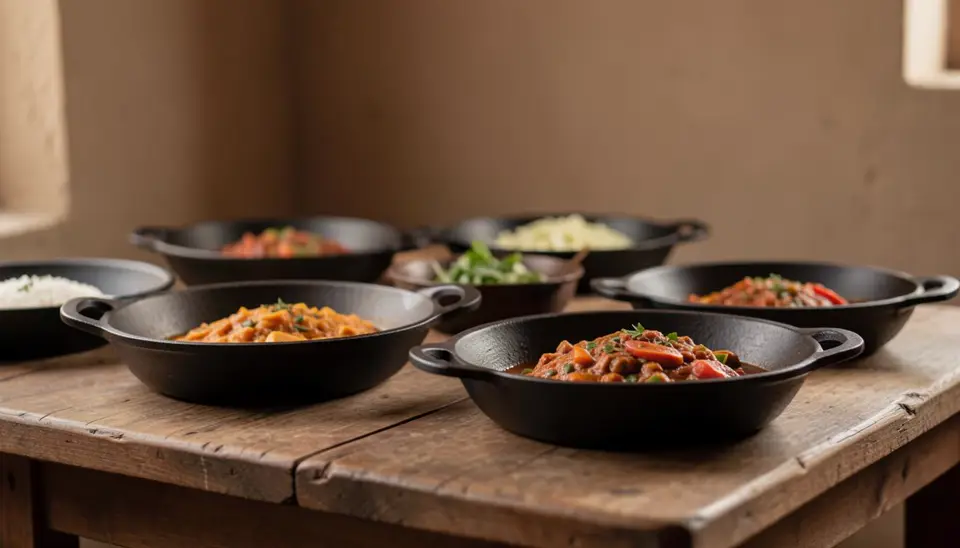
Vibrant West African vegan cast-iron dishes served on a rustic wooden platter
Featured Stories

Vegan Cast-Iron Cooking in the West African Context: A Culinary Journey

Discover the rich flavors of West Africa through vegan cast-iron cooking, creating delicious, nutritious, and climate-friendly meals.

By Aisha Diop · 4 min read

Stories in this hub

Related Reading

Frequently asked questions

How do I start a plant-based diet?
Start by replacing the meals you already repeat: swap the three or four breakfasts and lunches you eat most, then work outward. Gradual substitution outperforms overnight overhauls in adherence studies.
Is going vegan expensive?
Staples — legumes, grains, seasonal vegetables, tofu — are among the cheapest calories and proteins available. Cost rises mainly with processed meat analogues.

Related hubs

A useful way in · index

Make sense of the bigger picture

Good environmental journalism should help you orient yourself, check a claim and decide what to explore next. This guide brings the evidence, language and practical pathways together without turning complex issues into slogans.

Evidence

Research-led

Context

Connected

Next step

Practical

How to use this section

Start withYou will findBest for
The overviewA clear answer and the essential termsFirst-time readers
The evidenceSources, comparisons and reported contextChecking a claim
The pathwaysRelated topics, tools and further readingGoing deeper

Questions readers often ask

Is this information opinion or reporting?

We separate evidence, interpretation and practical guidance. Claims should be traceable to research, public records or clearly identified editorial analysis.

Can one choice solve these problems?

No. Food systems, animal welfare and climate are connected systems. Individual choices matter, and so do policy, business and collective action.

Where should I continue?

Use the related topics, topic hubs and calculators on this page to move from a quick answer to the primary context behind it.

Deeper context

The evidence behind the food system

Animal agriculture sits at the intersection of climate, land use, water, public health and animal welfare. These reference points recur across our reporting, so we keep them in one place: the numbers most often cited, the way we read a claim, the myths that survive longest, and the vocabulary you need to follow the debate in any language.

Reference points

~80 billion
land animals farmed and slaughtered each year worldwide
~14.5%
share of global greenhouse gas emissions linked to livestock supply chains
~77%
of agricultural land used for grazing and feed production
~70%
of freshwater withdrawals worldwide go to agriculture
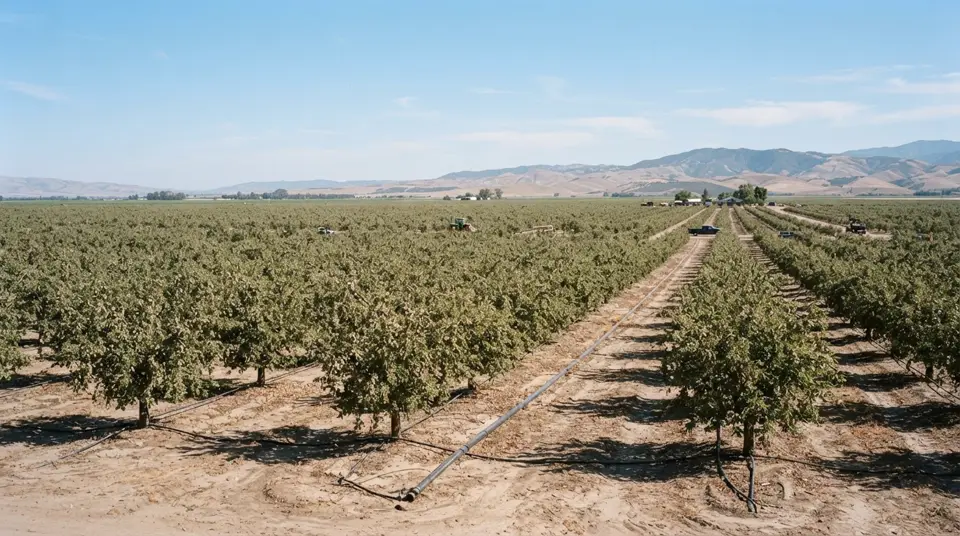
Rows of crops on farmland at dawn, with mist and treeline in the distance

Land is the hinge

Roughly three quarters of global farmland is used for livestock, yet it supplies a minority of the world's calories. Shifting even part of that land back to crops, forest or wetland is the single largest lever most countries hold.

How to read a claim in five steps

  1. 01Find the original sourceTrace the figure back to a study, dataset or public record rather than a headline restating it.
  2. 02Check the boundaryAsk what the number counts: farm gate only, or land use, feed, transport and processing too.
  3. 03Compare like with likePer kilogram, per gram of protein and per calorie can point in different directions.
  4. 04Look for the rangeCredible estimates come with uncertainty; a single precise-sounding figure often hides it.
  5. 05Ask who is affectedAnimals, workers, neighbouring communities and future readers all carry part of the cost.

Myth and evidence

Common claimWhat the evidence showsWhy it matters
Local food is always the lowest-carbon choiceTransport is a small share of most food footprints; what is produced matters more than how far it travelled.It redirects effort towards the choices with real leverage.
Plant-based eating cannot meet protein needsLegumes, grains, soy foods, nuts and seeds cover protein and amino-acid needs in well-planned diets at every life stage.Nutrition myths keep people from a change they were open to.
Higher-welfare labels mean animals are not harmedLabel standards vary widely and many permit routine practices readers would not expect.Informed choices depend on knowing what a label actually certifies.
Individual choices are irrelevant next to policyDemand shifts change what is produced, funded and legislated; the two move together.It replaces fatalism with something you can act on this week.

Vocabulary of the debate

Factory farming
Intensive confinement systems that maximise output per animal and per unit of space.
Life-cycle assessment
A method that totals environmental impact across every stage of a product's life.
Sentience
The capacity to feel, perceive and experience — the basis of most animal-welfare law.
Land-use change
Conversion of forest, grassland or wetland into farmland, and the emissions it releases.
Food-system resilience
How well supply survives drought, disease and price shocks.
Just transition
Policy that protects farmers and workers while production shifts.

Weekly newsletter

Long-form ideas, delivered each Sunday.

One dispatch per week. The most substantial pieces from across every desk. Free.