The cultural ascent of plant-based eating is one of the most significant dietary shifts of the 21st century. What began as a niche ethical stance has blossomed into a mainstream movement, propelled by converging concerns over environmental sustainability, animal welfare, and personal health. Supermarket aisles now boast a dazzling array of plant-based milks, meats, and cheeses, and restaurants from fast-food chains to Michelin-starred establishments cater to the growing demand. The public health message has, for the most part, been overwhelmingly positive: diets rich in fruits, vegetables, legumes, and whole grains are robustly linked to lower rates of heart disease, type 2 diabetes, and certain cancers.
Yet, within this triumphant narrative, a more complex and subtle story is unfolding. As millions transition away from animal products, we are moving beyond the initial, well-publicised nutritional hurdles—namely, securing adequate vitamin B12 and iron. A second, quieter wave of nutritional inquiry is now cresting, one that focuses not just on the presence of nutrients in plant foods, but on their ultimate usability by the human body. This is the challenge of bioavailability, and it presents a modern paradox: in an age of abundant plant-based options, a new form of 'hidden hunger' for specific micronutrients is becoming a tangible concern for the long-term, exclusively plant-based eater.
I. Beyond B12: The New Frontier of Nutrient Vigilance
For years, the conversation around vegan nutrition was dominated by two key nutrients. Vitamin B12, which is not produced by plants, became the poster child for mandatory supplementation. Iron, though plentiful in the plant kingdom, was flagged because its non-heme form is less readily absorbed than the heme iron found in meat. These are critical considerations, but they have also created a sense of complacency. Once B12 is supplemented and iron-rich plants are consumed, many assume the nutritional puzzle is solved. The reality is more intricate.
A growing body of research is highlighting other micronutrients that require careful attention. Consider iodine, an element essential for thyroid function, which governs metabolism. While omnivores often obtain it from seafood and dairy (due to iodine-fortified cattle feed and sanitising agents), plant-based sources are less consistent. Soil levels of iodine vary dramatically by region, meaning the content in vegetables is unpredictable. Seaweed is a potent source, but its levels can be excessively high and variable, posing its own risks. Many popular salt varieties, such as pink Himalayan and kosher salt, are not iodised, leaving a significant gap for those not consciously seeking it out.
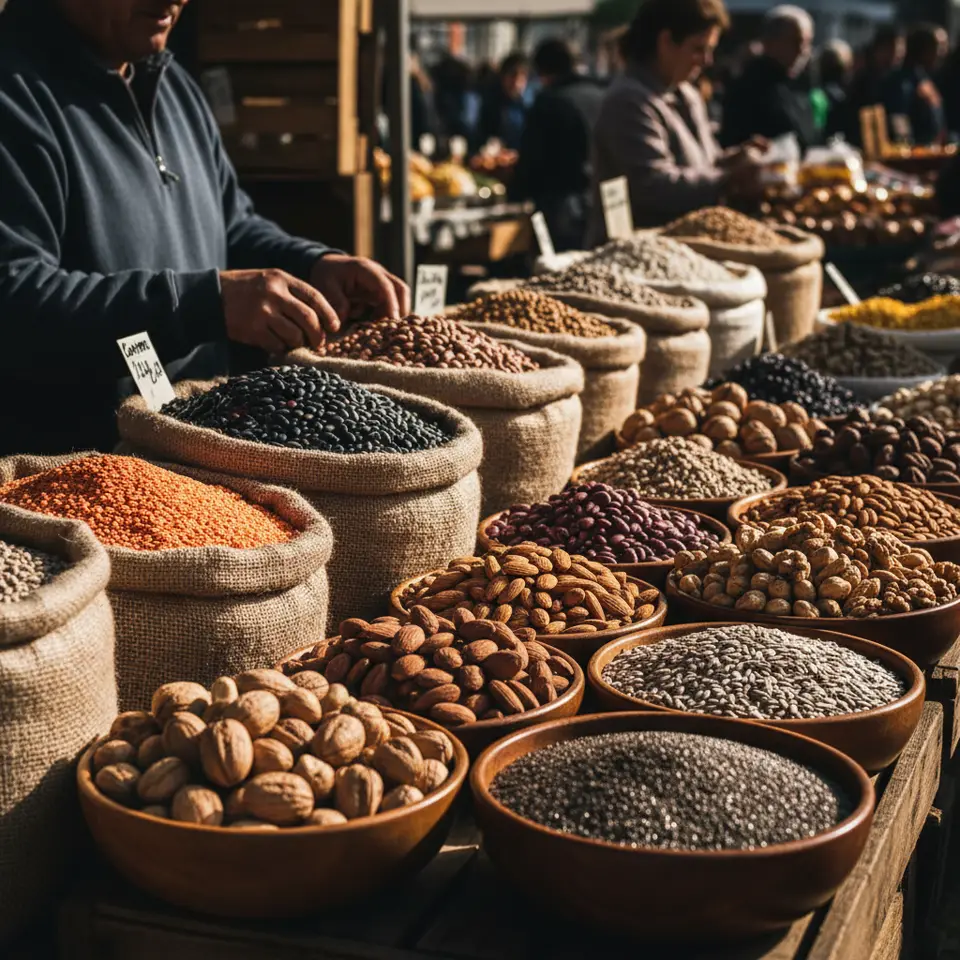
Similarly, zinc and selenium present a bioavailability challenge. Zinc, crucial for immune function and cell repair, is found in legumes, nuts, and seeds. However, these same foods contain compounds called phytates that bind to zinc and inhibit its absorption. Selenium, a key antioxidant, is dependent on soil concentration, with some agricultural regions being notoriously selenium-poor. One famous study showed that levels of certain minerals, including selenium, were significantly lower in long-term vegans compared to omnivores, pointing not to a lack of intake, but a combination of soil depletion and absorption issues.
Perhaps the most overlooked nutrient is choline. While not technically a vitamin, it is an essential nutrient vital for brain health, liver function, and cell membrane integrity. The richest sources are eggs and liver. While plant foods like tofu, quinoa, and cruciferous vegetables do contain choline, the quantities are much smaller, making it very difficult to meet the recommended daily intake without highly strategic and voluminous consumption.
“We've moved from a conversation about protein quantity to one about nutrient quality and accessibility within the plant matrix itself. It's a far more sophisticated and necessary dialogue for long-term health.”
II. The Bioavailability Equation and the 'Anti-Nutrient' Dilemma
The common thread connecting the challenges with zinc, iron, and other minerals is bioavailability—the proportion of a nutrient that is absorbed and utilised by the body. A food can be rich in a mineral on paper, but if that mineral is locked up by other compounds, it passes through the digestive system without conferring its benefits. This is where the concept of 'anti-nutrients' enters the conversation, a term that is both useful and frequently misunderstood.
The primary 'anti-nutrients' of concern in plant foods are phytates (or phytic acid), oxalates, and to a lesser extent, lectins and tannins. Phytates, found in the outer husks of grains, legumes, and seeds, are particularly potent binders of minerals like zinc, iron, and calcium, forming insoluble complexes that the body cannot break down. Oxalates, high in foods like spinach, rhubarb, and almonds, can similarly bind with calcium, rendering it unavailable. It’s why, cup for cup, the calcium from spinach is far less absorbable than the calcium from kale or bok choy, which are low in oxalates.
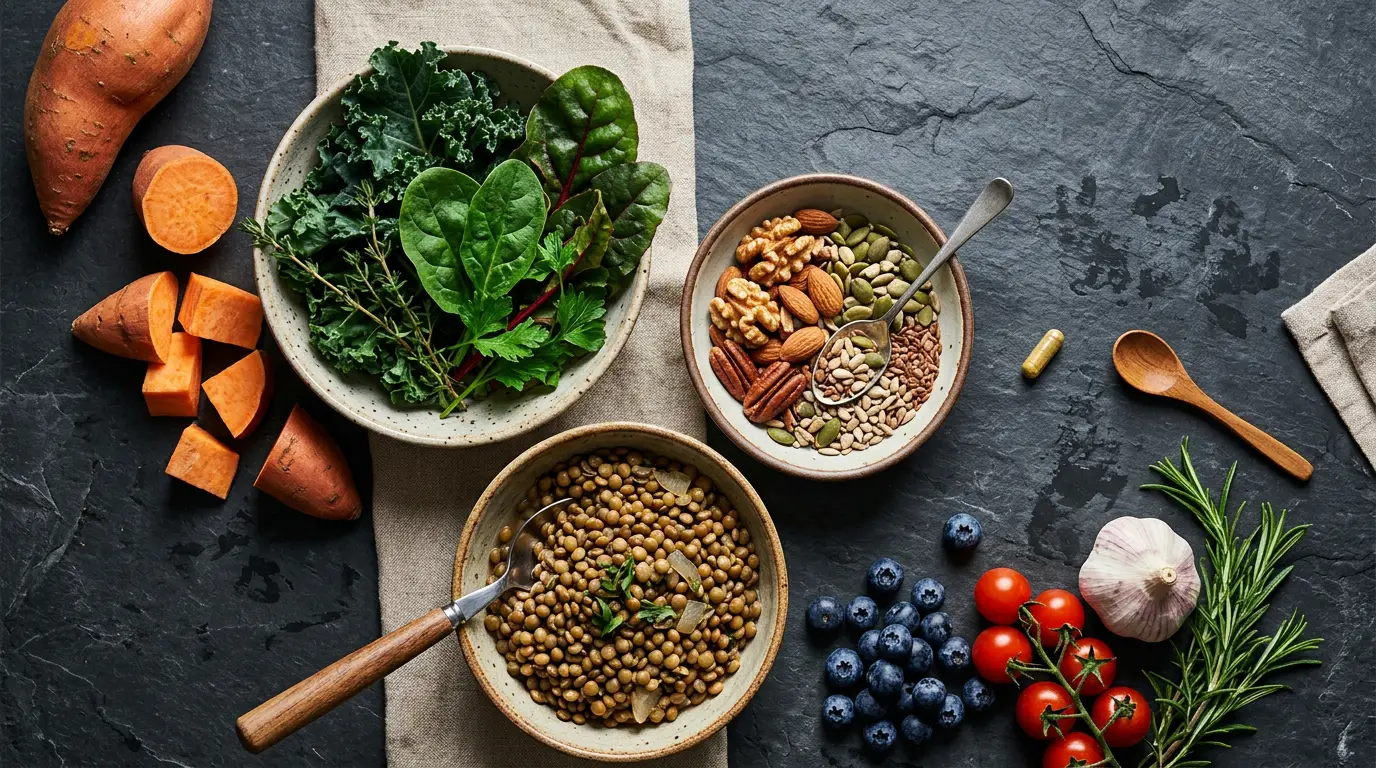
However, labeling these compounds as purely 'anti-nutrient' is a misnomer. They also possess beneficial properties; phytates, for instance, have antioxidant and anti-inflammatory effects. The goal is not to eliminate them, which would be impossible and undesirable, but to mitigate their mineral-binding effects. Fortunately, traditional food preparation techniques offer powerful solutions. Soaking, sprouting, fermenting, and thorough cooking can all significantly reduce phytate and lectin content. Soaking beans and discarding the water, choosing sprouted grain bread, or consuming fermented foods like tempeh are not just culinary affectations; they are scientifically sound methods for unlocking the full nutritional potential of plants.
| Nutrient | Primary Plant Sources | Key Inhibitor(s) | Absorption Enhancement Strategy |
|---|---|---|---|
| Zinc | Lentils, chickpeas, pumpkin seeds, tofu | Phytates | Soak and cook legumes thoroughly; consume with garlic and onion; opt for sprouted grains. |
| Iron (non-heme) | Lentils, spinach, tofu, fortified cereals | Phytates, tannins (in tea/coffee), oxalates | Pair with a Vitamin C source (citrus, bell peppers); cook in cast-iron pans; avoid coffee/tea with meals. |
| Calcium | Fortified milks, tofu (set with calcium), kale, bok choy | Oxalates (in spinach, chard), phytates | Choose low-oxalate greens like kale and broccoli; look for calcium-set tofu; consume fortified products. |
| Selenium | Brazil nuts, sunflower seeds, mushrooms | Soil nutrient depletion (regional variation) | Consume 1-2 Brazil nuts daily (do not exceed); diversify grain and seed sources from different regions. |
| Iodine | Iodised salt, seaweed (nori, wakame), cranberries | Goitrogens (in raw brassicas), inconsistent sources | Use iodised salt; consume seaweed moderately; lightly cook goitrogenic vegetables like broccoli and cabbage. |
III. Population-Specific Vulnerabilities
These nutritional nuances do not affect everyone equally. Certain demographics have higher requirements or compromised absorption, making them more vulnerable to deficiencies on a plant-based diet. Plant-based athletes, for example, have elevated needs for minerals like iron and zinc due to increased losses through sweat and higher demands for muscle repair and energy metabolism. The high phytate content of a typical carbohydrate-rich, plant-based athletic diet can further compound the issue if not managed carefully.
Older adults represent another group requiring special attention. The natural decline in stomach acid production with age can impair the absorption of several key nutrients, including B12, calcium, and iron. Combined with potentially reduced appetite and a greater risk of osteoporosis, a poorly planned plant-based diet can exacerbate age-related health challenges. For this group, focusing on highly bioavailable, nutrient-dense foods and considering targeted supplementation is not just wise, but often necessary.
Pregnant and breastfeeding individuals also have significantly increased demands for a wide array of nutrients, including iron, choline, iodine, and long-chain omega-3 fatty acids like DHA, which is critical for foetal brain development. While plant-based ALA (found in flax and chia seeds) can be converted to DHA, the conversion rate is notoriously inefficient. This makes direct supplementation with an algae-based DHA a standard recommendation for those on a fully plant-based diet during this critical life stage.
IV. Forging a Resilient, Evidence-Led Path Forward
Acknowledging these complexities is not an indictment of plant-based diets. Rather, it is a call to elevate the conversation from a simplistic 'plants are good' mantra to a more sophisticated, evidence-led approach. The goal is to build a resilient, sustainable, and nutritionally complete way of eating that stands the test of time. This requires a three-pronged strategy: diversification, preparation, and intelligent supplementation.
First, diversification is paramount. Eating a wide variety of colourful plants, grains, legumes, nuts, and seeds from different sources helps buffer against regional soil deficiencies and provides a broader spectrum of nutrients. Relying too heavily on a handful of staples or highly processed vegan products is a recipe for nutritional gaps. Second, embracing traditional food preparation methods—soaking, sprouting, fermenting—is essential for maximizing nutrient bioavailability. These age-old techniques are our most powerful tools for working with, not against, the natural chemistry of plants.
Finally, we must adopt a pragmatic and destigmatised view of supplementation. While a 'food first' philosophy should always be the foundation, it is not a failure to supplement when dietary intake is insufficient or when bioavailability is a known challenge. For most on a fully plant-based diet, B12 is non-negotiable. Depending on diet, location, and life stage, algae-based omega-3s, vitamin D, iodine, and occasionally zinc may be prudent additions. Regular blood work in consultation with a knowledgeable healthcare provider can help transition from guesswork to a personalised, data-driven strategy.
The plant-based movement is maturing, and so must our understanding of it. By moving beyond the headlines and embracing the nuances of nutritional science, we can ensure that this powerful dietary shift not only helps heal the planet but also fosters robust, long-term human health for generations to come.
Frequently Asked Questions
Can a plant-based diet provide enough iodine without supplements?+
Iodine content in plants depends heavily on soil levels, which are low in many regions like the UK and parts of Europe. Seaweed is a rich source but iodine content varies wildly. For consistent intake, many health authorities recommend a supplement of 150 mcg daily for those on plant-based diets (British Dietetic Association, 2024).
How do phytates affect zinc absorption in plant-based eaters?+
Phytates in whole grains, legumes, and nuts bind to zinc, reducing its absorption by up to 50%. However, this can be mitigated by soaking, sprouting, or fermenting these foods. Including zinc-rich plants like pumpkin seeds and chickpeas alongside vitamin C sources also helps (National Institutes of Health, 2024).
Is choline deficiency a real concern for vegans?+
Yes, choline is often overlooked. While the body produces some, dietary sources are crucial. Eggs and liver are top animal sources; plant sources include soybeans, quinoa, and broccoli. Vegans may need to be intentional about including these foods, as deficiency can impact liver and brain health (European Food Safety Authority, 2023).