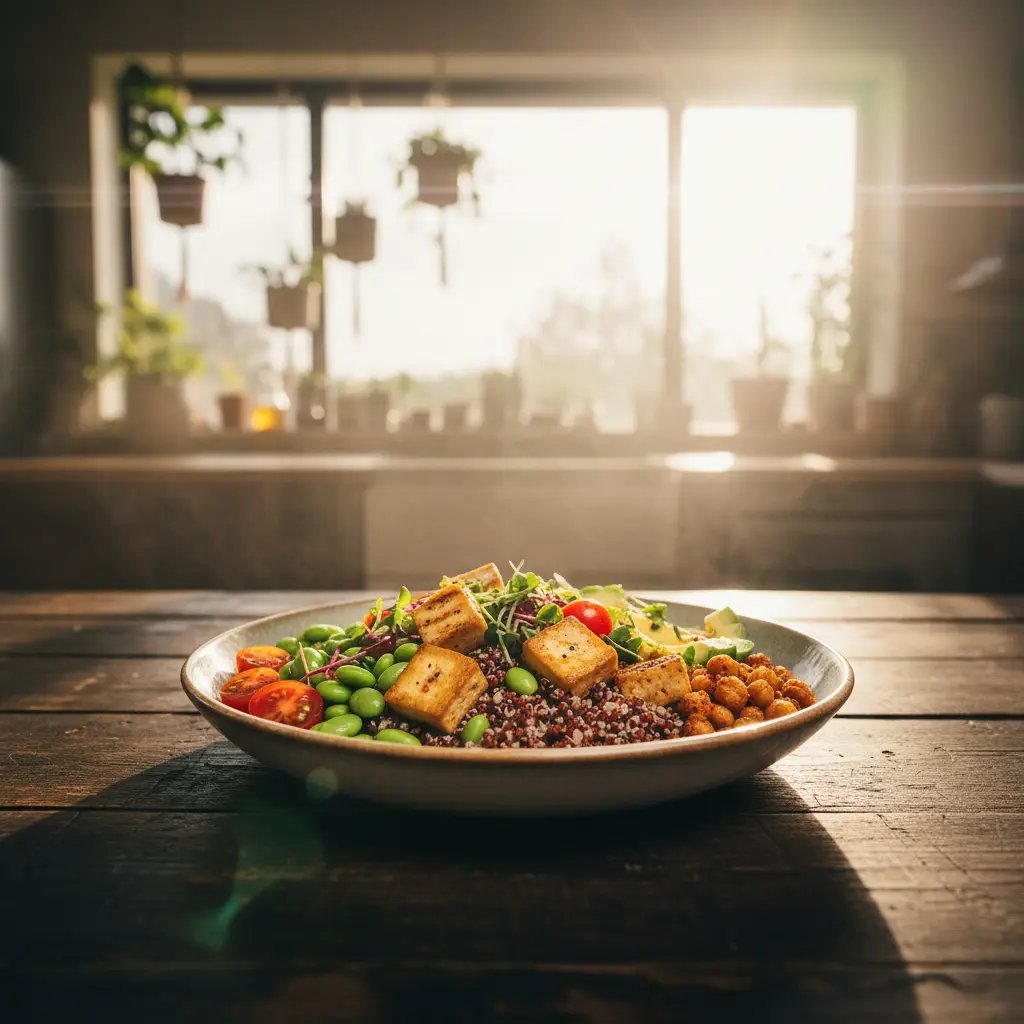
Vegans generally need a slightly higher protein intake than non-vegans, around 0.9 to 1.1 grams per kilogram of body weight, to account for lower bioavailability in some plant sources. However, most individuals on a varied plant-based diet easily meet and often exceed their daily vegan protein requirements without special supplementation.
The question of protein on a vegan diet is one of the most persistent in nutrition science, fueling debates in gyms, clinics, and online forums. The concern stems from a historical emphasis on animal products as the primary, and superior, source of this essential macronutrient. But as plant-based eating moves from the fringe to the mainstream, a wealth of scientific evidence is providing clearer answers. Understanding these evidence-based guidelines is key to building a resilient, healthy, and high-performing body on a vegan diet.
What is the Scientific Basis for Protein Recommendations?
The foundational guideline for protein intake comes from health bodies like the World Health Organization (WHO) and the US National Academy of Medicine. They recommend a Recommended Dietary Allowance (RDA) of 0.8 grams of protein per kilogram (or 0.36 grams per pound) of body weight for the average sedentary adult. This figure was established using nitrogen balance studies, which measure nitrogen intake (from protein) against nitrogen output (in urine, feces, and sweat). A neutral or positive nitrogen balance indicates sufficient protein intake to maintain and build tissues.
This 0.8g/kg benchmark is designed to meet the needs of 97.5% of the healthy adult population. For a 68kg (150lb) adult, this translates to roughly 54 grams of protein per day. It is a baseline for preventing deficiency, not necessarily a target for optimal health or athletic performance, which often requires a higher intake.
Do Vegans Need More Protein Than Meat-Eaters?
This is the central question, and the scientific consensus points to a qualified 'yes, slightly'. The rationale lies in two concepts: amino acid profiles and digestibility. Protein is composed of amino acids, nine of which are 'essential' because the body cannot produce them. While all plant foods contain all nine essential amino acids, some, like grains, might be lower in one (lysine), while legumes are lower in another (methionine). Animal proteins, by contrast, tend to have a balance of amino acids more similar to our own.
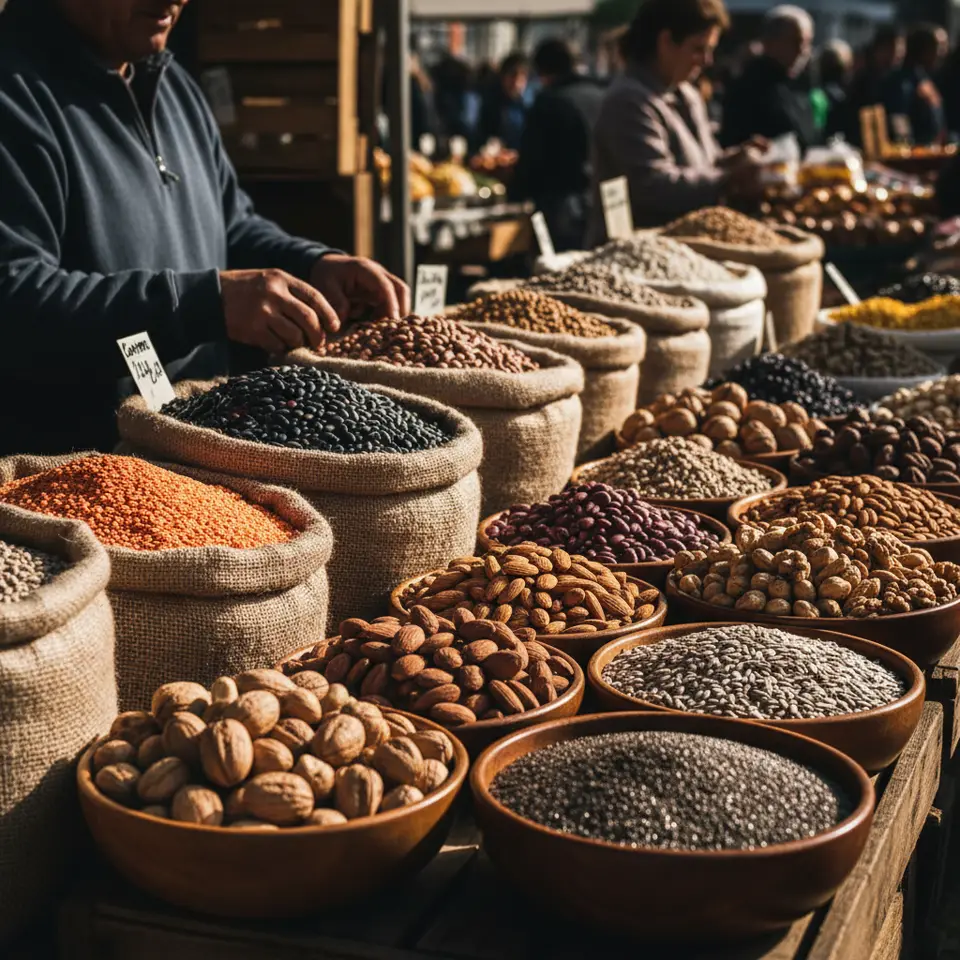
The second factor is digestibility, measured by a metric called the Digestible Indispensable Amino Acid Score (DIAAS). Plant proteins can be bound with fiber and other compounds (sometimes called 'anti-nutrients') that may slightly reduce the body's ability to absorb the amino acids. Because of this, some researchers and position papers, including one from the *Journal of the International Society of Sports Nutrition* (2017), suggest that vegans might need to increase their intake by around 10% to ensure they are absorbing an adequate amount.
“The myth that you need to meticulously combine proteins at every single meal has been thoroughly debunked. As long as you eat a variety of plant foods throughout the day, your body maintains an amino acid pool and gets all the essential building blocks it needs.”
However, this nuance is often overstated. The concept of 'protein combining'—the need to eat complementary proteins like rice and beans in the same meal—is now considered outdated. The body maintains a reserve pool of free amino acids, so as long as a variety of plant-based foods are consumed over the course of a day, the body can assemble complete proteins as needed. For the average person, a well-planned vegan diet that includes legumes, whole grains, nuts, and seeds will easily cover all amino acid requirements and compensate for any minor differences in digestibility.
| Food Source | Serving | Protein (grams) |
|---|---|---|
| Seitan | 100g (3.5 oz) | ~25g |
| Tempeh | 100g (3.5 oz) | ~20g |
| Tofu (extra-firm) | 100g (3.5 oz) | ~17g |
| Lentils (cooked) | 1 cup (198g) | ~18g |
| Edamame (shelled, cooked) | 1 cup (155g) | ~18g |
| Chickpeas (cooked) | 1 cup (164g) | ~15g |
| Hemp Seeds (hulled) | 3 Tbsp (30g) | ~10g |
| Quinoa (cooked) | 1 cup (185g) | ~8g |
How Does Protein Source Affect Health and Longevity?
The conversation about protein shouldn't just be about quantity; it must also include quality and the 'package' it comes in. Animal proteins often come bundled with saturated fat and cholesterol, and their high-heat cooking can create carcinogenic compounds. In contrast, plant proteins are packaged with fiber, antioxidants, phytonutrients, and healthy fats.
Large-scale epidemiological research consistently links higher consumption of plant protein with better health outcomes. The Adventist Health Study-2, a long-term observational study of nearly 100,000 North Americans, found that vegetarians and vegans had lower rates of all-cause mortality, cardiovascular disease, and certain types of cancer compared to their meat-eating counterparts. A major 2019 study in *JAMA Internal Medicine* that followed over 400,000 people found that substituting plant protein for animal protein, particularly red meat, was associated with a lower risk of premature death.
This longevity benefit is likely due to the entire dietary pattern promoted by plant-based eating. The high fiber content supports a healthy gut microbiome, which is foundational to immune function and chronic disease prevention. Furthermore, the lower levels of inflammatory compounds in plant-based diets may reduce the long-term burden on the body's systems.
What Are the Protein Needs for Vegan Athletes and Older Adults?
Specific populations have legitimately higher protein needs. For these groups, paying closer attention to intake is crucial. The RDA of 0.8g/kg is insufficient for individuals looking to build muscle, optimize recovery, or prevent age-related muscle loss.
Vegan athletes require more protein to repair and build muscle tissue damaged during training. The Academy of Nutrition and Dietetics and the International Society of Sports Nutrition (ISSN) recommend an intake of 1.2 to 2.0 grams per kilogram of body weight for athletes. Strength and power athletes may aim for the higher end of this range (1.6-2.0g/kg), while endurance athletes may fall closer to the middle (1.2-1.6g/kg). To maximize muscle protein synthesis (MPS), it's also recommended to spread this intake throughout the day, consuming 20-30 grams of protein per meal.
Older adults (over 65) are another group with elevated needs. As we age, our bodies become less efficient at using protein, a phenomenon known as 'anabolic resistance'. To combat sarcopenia (age-related muscle wasting), a leading cause of frailty and loss of independence, research published in *Nutrients* (2020) suggests a higher protein intake of 1.0 to 1.2 g/kg per day. For this demographic, easily digestible, protein-dense foods like tofu, soy milk, and lentil soup can be particularly beneficial.
Daily Protein Needs for a 68kg (150lb) Vegan
How to Calculate Your Personal Vegan Protein Needs
- 1
Step 1: Determine Your Weight in Kilograms
Use a scale to find your weight in pounds (lbs) and divide by 2.2 to convert it to kilograms (kg). For example, 150 lbs is approximately 68 kg.
- 2
Step 2: Identify Your Activity Level
Categorize yourself honestly: sedentary (mostly desk work), moderately active (exercise 3-4 days/week), or athlete (intense training 5+ days/week).
- 3
Step 3: Select Your Protein Factor
Choose a gram-per-kilogram factor based on your goals: 0.9 for sedentary, 1.2 for active, 1.4 for endurance athletes, or 1.7 for strength athletes.
- 4
Step 4: Calculate Your Daily Target
Multiply your weight in kilograms by your chosen protein factor. For an active 68kg person: 68kg x 1.2g/kg = 81.6g. Your target is about 82 grams of protein per day.
- 5
Step 5: Track and Adjust
Use a nutrition tracking app for a few days to see how your typical diet compares to your target. Adjust your food choices by incorporating more protein-dense foods if you are falling short.
Frequently Asked Questions
Can you get 'complete protein' from a vegan diet?+
Yes. A 'complete protein' contains all nine essential amino acids. While some plant foods are lower in one or more amino acid, eating a varied diet of grains, legumes, nuts, and seeds throughout the day provides a full complement. The body maintains an amino acid pool, so meal-by-meal combining is unnecessary for most people.
What are the signs of protein deficiency?+
True protein deficiency is very rare in developed countries where calorie intake is adequate. Symptoms could include significant muscle loss (sarcopenia), hair thinning, brittle nails, frequent illness due to a weakened immune system, and edema (swelling). These symptoms are more often linked to overall calorie deficiency, not just inadequate protein.
Are vegan protein powders necessary?+
For most vegans, protein powders are not necessary to meet daily needs. However, they can be a convenient supplement for athletes, individuals with very high protein requirements, or those who struggle to consume enough protein from whole foods due to appetite, illness, or time constraints. Choose one without excessive added sugars.
Which vegan foods have the most protein?+
Seitan, a wheat-based protein, is one of the densest sources, with about 25g of protein per 100g. Other excellent sources include firm tofu and tempeh (15-20g per 100g), lentils (around 9g per 100g cooked), various beans, and edamame (around 11g per 100g cooked).