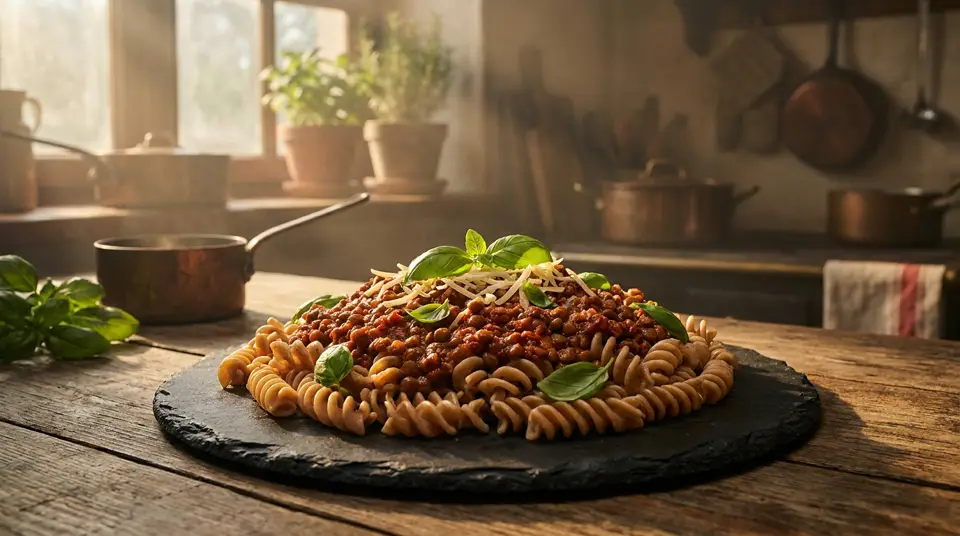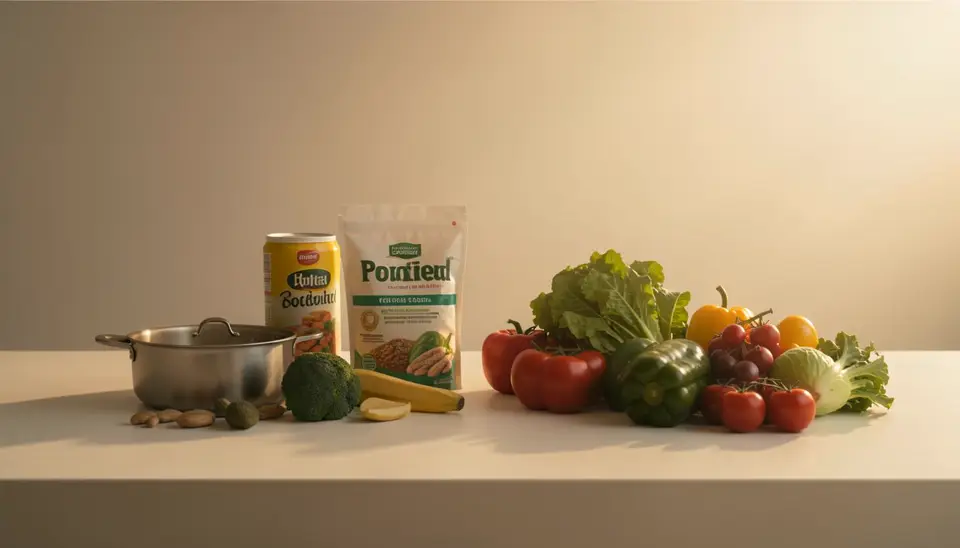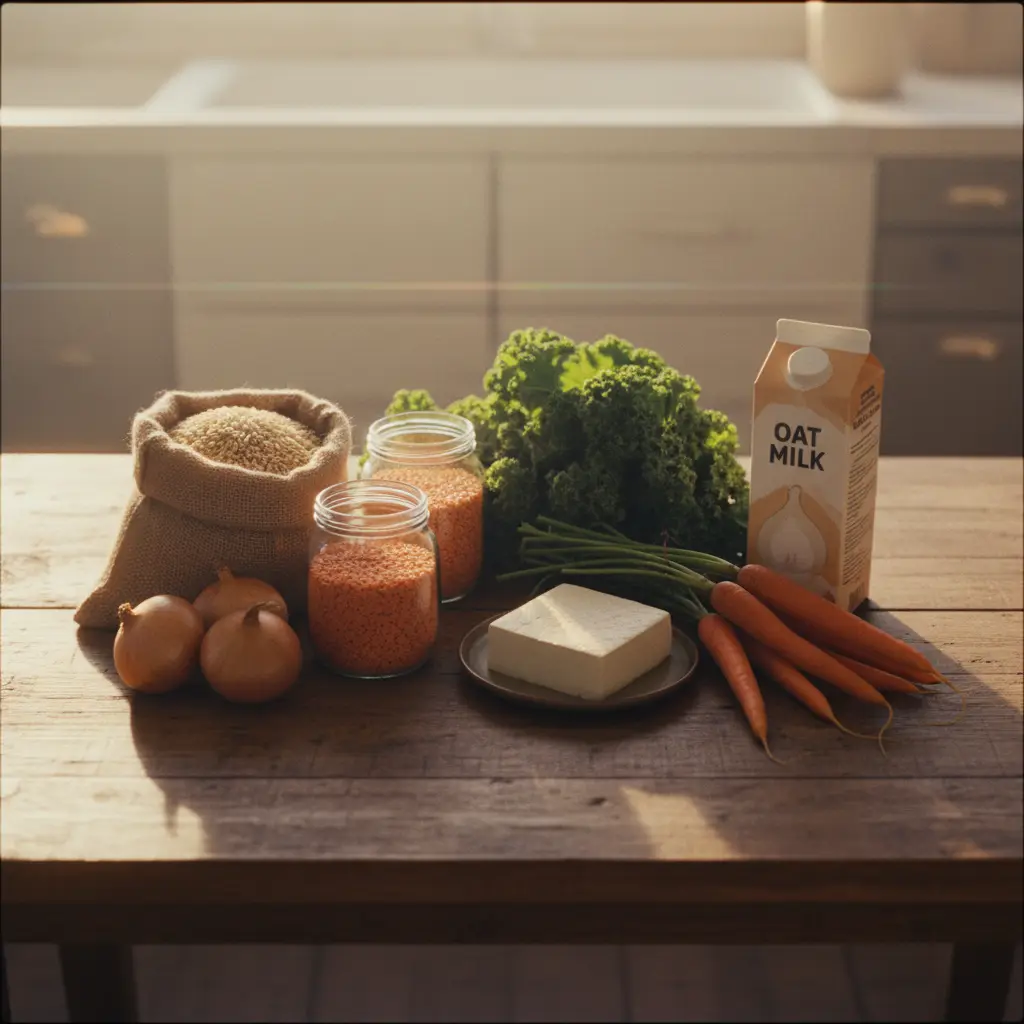
A cheap vegan grocery list built on whole foods like legumes, grains, and seasonal vegetables is unequivocally more affordable than one centered on processed alternatives. While pre-made vegan meats and cheeses offer convenience, a diet rooted in whole plant foods delivers superior nutritional value and lower environmental impact for a fraction of the cost.
The conversation around the cost of plant-based eating is often polarized. On one hand, advocates point to the inherent affordability of staples that have sustained civilizations for millennia: rice, beans, potatoes, and greens. On the other, critics highlight the premium prices of novel plant-based burgers that bleed, cheeses that melt, and chicken that shreds just like its animal-based counterpart. Both perspectives hold a piece of the truth. The financial reality of your plant-based diet depends entirely on the choices you make in the grocery aisle. This head-to-head comparison will dissect the two dominant philosophies for building a cheap vegan grocery list: the whole-foods purist and the convenience-focused consumer.
Which Approach Is Truly Cheaper Per Calorie?
A whole-foods approach is demonstrably cheaper. A comprehensive 2021 study from the University of Oxford published in The Lancet Planetary Health analyzed food costs in 150 countries and found that in high-income nations like the United States, United Kingdom, and Australia, vegan diets were the most affordable, reducing food bills by as much as 33%. The cost savings are driven by the low price of foundational staples. A pound of dry lentils, which provides nearly 110 grams of protein and over 1,500 calories, can cost as little as $1.50. In contrast, a package of processed vegan ground 'beef' might cost $8 for just 80 grams of protein and 1,000 calories.
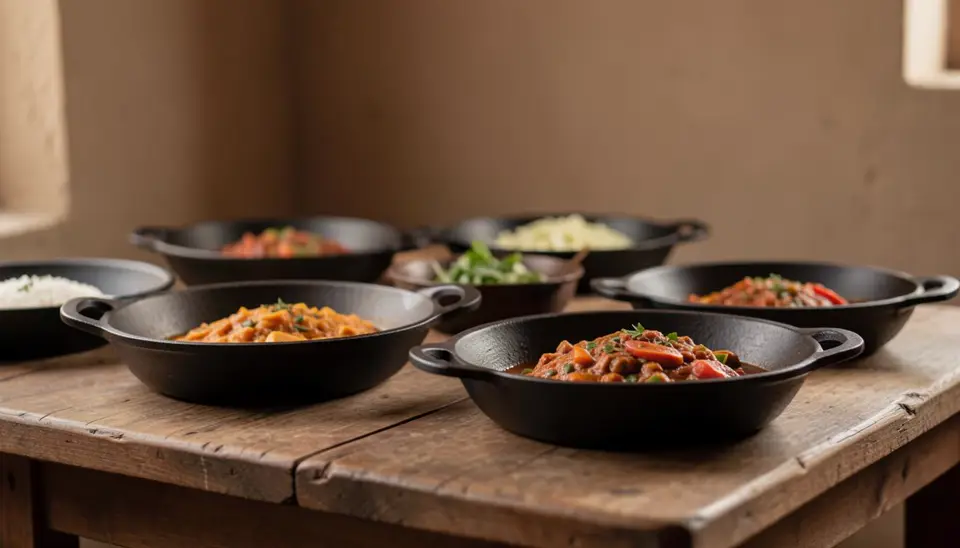
The price discrepancy becomes even more apparent when looking at cost per serving. While a home-cooked black bean burger might cost less than $0.75 per patty to make from scratch, a premium store-bought plant-based burger can easily exceed $2.50 per patty. This premium pays for research and development, complex manufacturing processes, marketing, and, above all, convenience. For consumers seeking an affordable plant-based diet, minimizing these processed items is the single most effective cost-cutting strategy. The core of a truly cheap vegan grocery list consists of items found in the produce aisle, bulk bins, and the rice and beans section—not the flashy refrigerated case of meat alternatives.
Cost per 20g of Protein by Food Source (USD)
What Are the Nutritional Trade-Offs Between Whole and Processed?
Nutritionally, whole foods offer a clear advantage over their highly processed counterparts. Whole plant foods are rich in fiber, vitamins, minerals, and phytonutrients in their natural, synergistic forms. A meal of brown rice, steamed broccoli, and baked tofu is a powerhouse of complex carbohydrates, lean protein, and micronutrients. In contrast, many processed vegan alternatives, while fortified with some vitamins like B12, can be high in sodium, saturated fats (often from coconut or palm oil), and various additives to achieve a specific taste and texture.
A 2023 study in the Journal of Nutrition found that while plant-based meat alternatives can be a good source of protein, they often contain significantly more sodium than the unprocessed ingredients they are designed to replace. For example, a single serving of some vegan sausages can contain over 500mg of sodium, nearly a quarter of the recommended daily limit. This doesn't make them 'unhealthy' in moderation, but it underscores that they are not nutritionally equivalent to whole foods. The goal of many of these products is to mimic the experience of eating meat, not necessarily to be the pinnacle of health.
“We often see clients assume that 'plant-based' automatically means 'healthy.' While a diet rich in vegetables, legumes, and whole grains is one of the healthiest eating patterns, a diet of french fries, vegan ice cream, and ultra-processed burgers is still a diet of ultra-processed foods.”
How Do They Compare on Preparation Time and Convenience?
Convenience is the primary selling point for processed vegan alternatives, and it is here they hold a distinct advantage. A package of pre-made vegan deli slices or a frozen plant-based pizza requires virtually no preparation. For time-strapped individuals, new parents, or those with limited cooking skills or energy, these products can be a crucial bridge to maintaining a plant-based lifestyle. They offer a simple, direct swap for familiar animal products, lowering the barrier to entry.
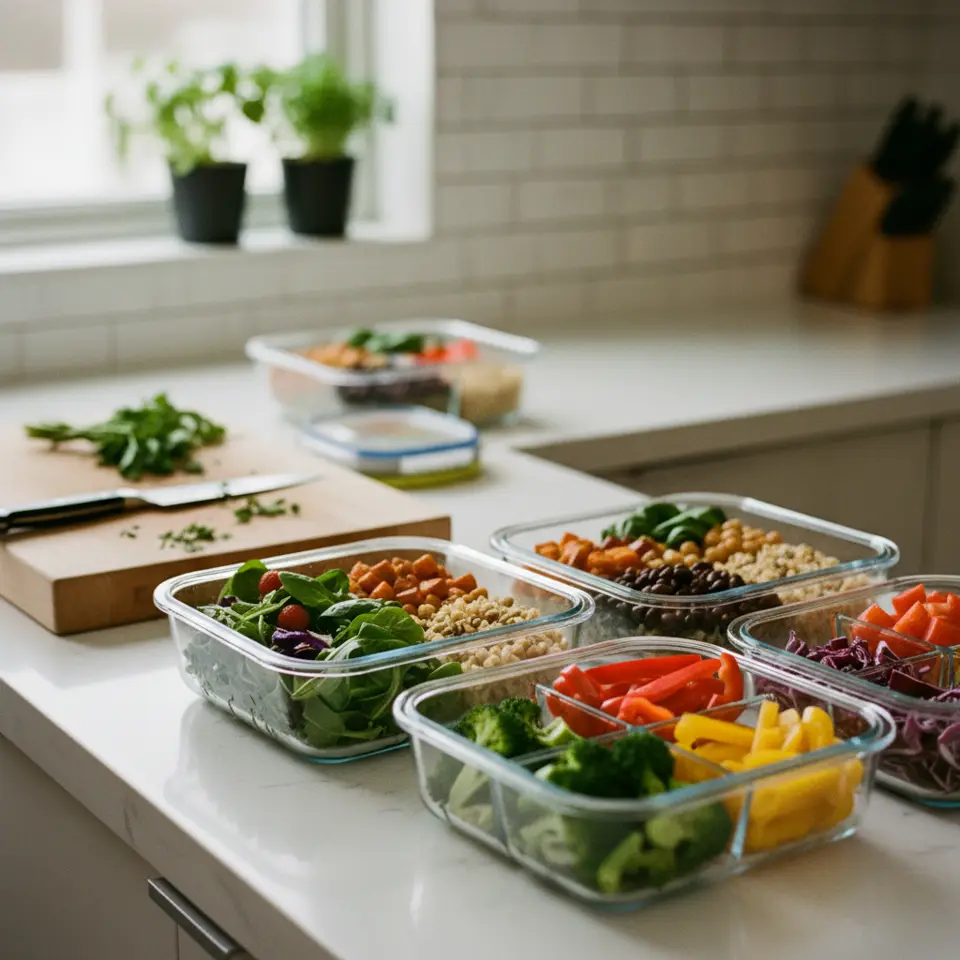
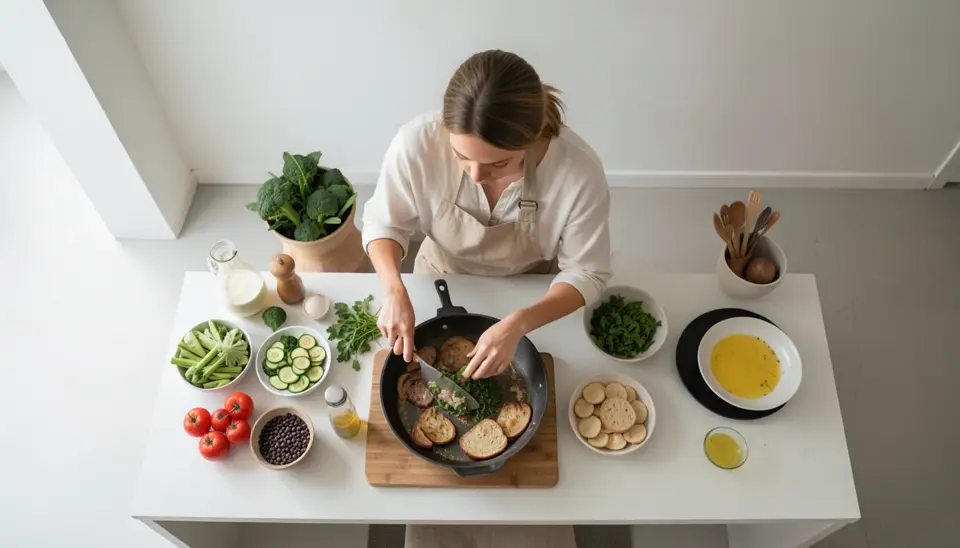
The whole-foods approach, by contrast, demands a greater investment of time. Cooking beans from dry, chopping vegetables, and preparing sauces from scratch takes planning and effort. However, this time investment can be managed efficiently through techniques like meal prepping. Dedicating a few hours on a Sunday to cook a large batch of quinoa, roast a tray of vegetables, and blend a vinaigrette can create a week's worth of quick, healthy, and low-cost vegan meals. The trade-off is clear: you are either paying with your money (for processed convenience) or with your time (for whole-food preparation).
| Criterion | Whole-Food Approach | Convenience (Processed) Approach | Verdict |
|---|---|---|---|
| Average Weekly Cost | $30 - $50 per person | $70 - $120+ per person | Whole-Food |
| Nutritional Profile | High fiber, vitamins, minerals; low sodium & saturated fat. | Often high in sodium & saturated fat; may be fortified. | Whole-Food |
| Meal Prep Time | High (requires cooking from scratch) | Low (heat-and-eat or minimal prep) | Convenience |
| Ingredient Shelf Life | Excellent for dry goods (rice, beans); perishables require planning. | Good, especially for frozen or shelf-stable items. | Tie |
| Environmental Impact | Very low; minimal processing and packaging. | Lower than meat, but higher due to processing, packaging, & shipping. | Whole-Food |
Building Your Hybrid Cheap Vegan Grocery List
For most people, the most sustainable and realistic path is not one of rigid purity but a pragmatic hybrid model. The foundation of an affordable plant-based diet should be built upon the pillars of whole foods. By making these low-cost, high-nutrition items the default for 80-90% of your meals, you create a significant buffer in your food budget. This allows for the strategic inclusion of processed alternatives when they are most valuable: for a quick weeknight dinner, a social gathering, or simply to satisfy a craving for a familiar comfort food.
How to Build a Budget-Friendly Hybrid Grocery List
- 1
Establish Your Foundation
Dedicate 70% of your list to low-cost staples: oats, rice, pasta, potatoes, dry or canned beans, lentils, tofu, and seasonal produce. These are your non-negotiables for a cheap vegan grocery list.
- 2
Shop the Seasons
Buy fruits and vegetables that are in season in your region. They are more flavorful, more nutritious, and significantly cheaper. Check farmers' markets near closing time for deals.
- 3
Explore the Freezer Aisle
Frozen fruits and vegetables are just as nutritious as fresh (sometimes more so) and are often cheaper, especially for out-of-season items like berries. They also prevent food waste.
- 4
Utilize Bulk Bins
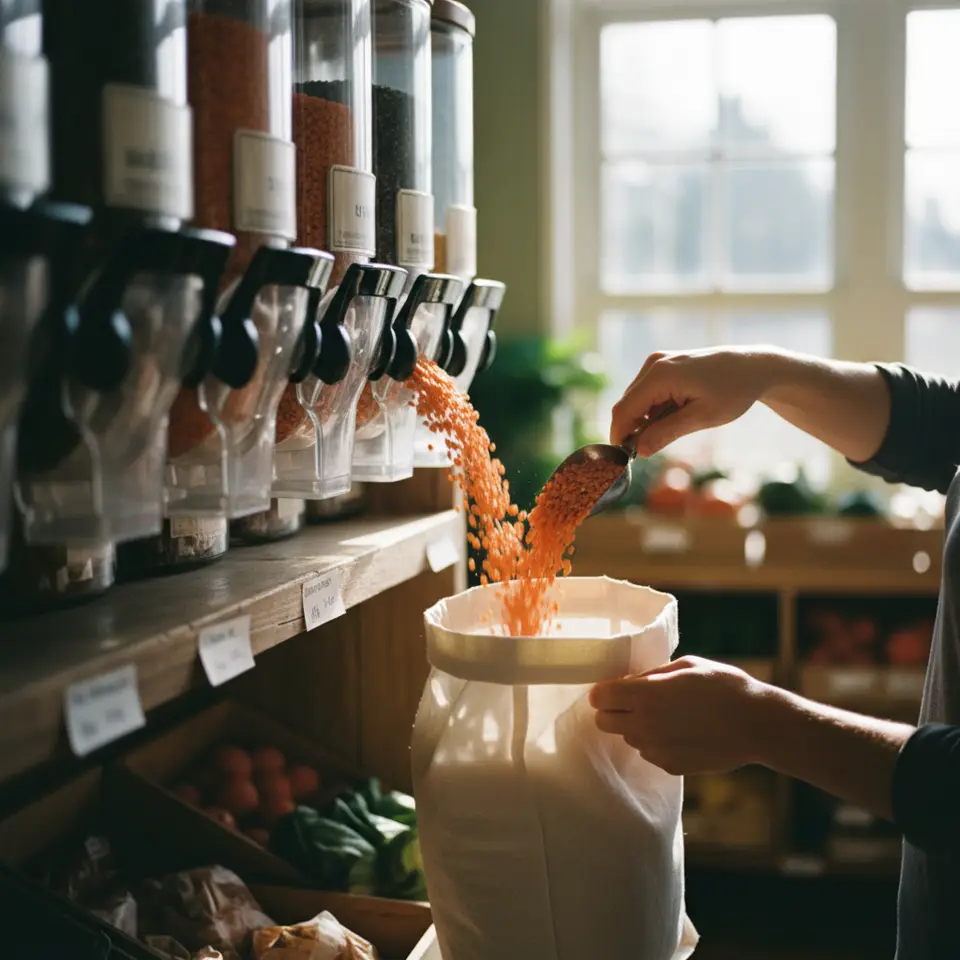
Purchase grains, legumes, nuts, seeds, and spices from bulk bins. You can buy the exact amount you need, reducing waste and cost, as you're not paying for packaging.
- 5
Select Your 'Convenience' Items Strategically
Choose one or two processed items per week that will save you the most time or satisfy a specific craving. This could be a pack of vegan burgers for a Friday night or a high-quality vegan cheese for a special meal.
- 6
Learn One New Recipe a Week
Building a repertoire of simple, delicious whole-food recipes reduces reliance on expensive pre-made options. Start with lentil soup, chickpea curry, or black bean burgers.
Frequently Asked Questions
How can I eat vegan for $5 a day?+
Eating vegan for $5 a day is achievable by focusing on the most affordable staples. Build your meals around potatoes, rice, pasta, and oats. For protein, rely on dry lentils and beans, which are incredibly cheap when cooked from scratch. Buy seasonal produce like cabbage, onions, and carrots, and shop at discount grocery stores.
What is the cheapest plant-based protein?+
Dry lentils are generally the cheapest plant-based protein source per gram, often costing less than $2 per pound. Other extremely affordable options include dry chickpeas and black beans, followed by oats and tofu. These whole foods offer far more protein for your money than any processed meat alternative.
Is it cheaper to be vegan or vegetarian?+
A vegan diet is typically cheaper than a vegetarian diet. While both diets eliminate meat, vegetarians often consume significant amounts of eggs and dairy, which are generally more expensive per calorie than plant-based staples like grains and legumes. A 2021 Oxford study confirmed that vegan diets offer the largest food cost reductions.
Are vegan meat substitutes healthier than meat?+
It depends on the specific product and comparison. Many vegan substitutes are lower in cholesterol and saturated fat than red meat. However, they can be highly processed and very high in sodium. A whole-food protein source like lentils or beans is unequivocally healthier than both processed meat and processed vegan substitutes.