The vegan bakery scene is booming, and with it, the demand for plant-based egg alternatives. But is investing in and adopting these alternatives ethical? This article examines the market, sustainability, and animal welfare implications of plant-based eggs in vegan baking.
Why invest in plant-based egg alternatives?
The global alternative protein market, including plant-based eggs, is projected to reach USD 27.85 billion by 2029, growing at a CAGR of 14.3% from 2021 to 2029. (Allied Market Research, 2021)

Sustainability: The environmental case for plant-based eggs
“The environmental impact of eggs is substantial, contributing to greenhouse gas emissions, water usage, and land degradation. Plant-based alternatives can significantly reduce these impacts.”
| Product | GHG emissions (kg CO2 eq/kg) | Water usage (L/kg) |
|---|---|---|
| Eggs | 2.3 | 3.5 |
| Chickpea brine (aquafaba) | 0.4 | 0.9 |
| Flax seeds | 0.6 | 2.6 |
| Applesauce | 1.6 | 2.7 |
Animal welfare: Eliminating caged hens
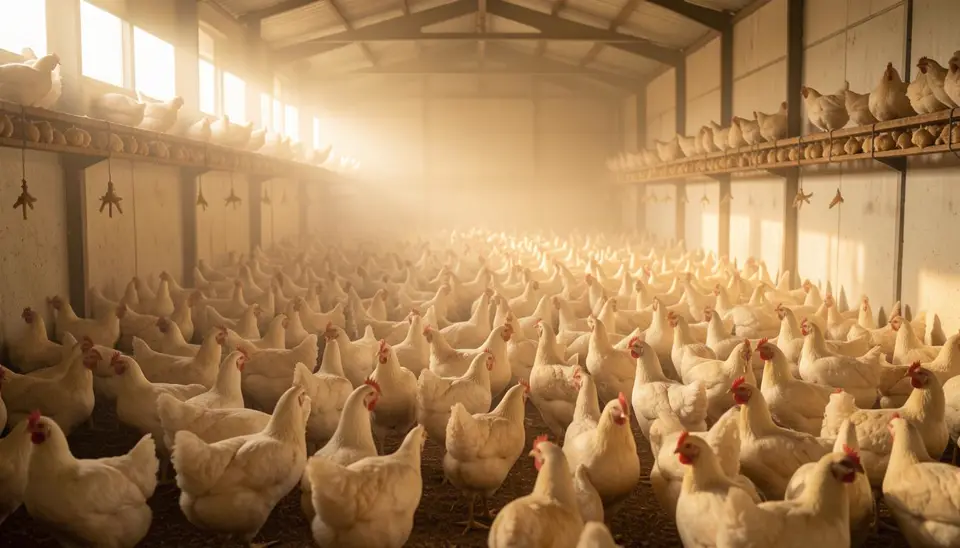
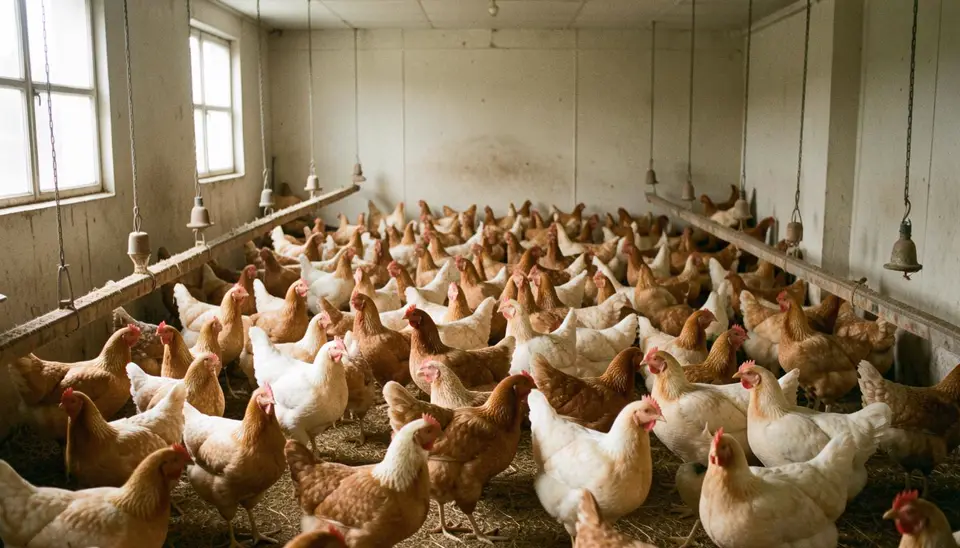
The use of plant-based egg alternatives helps eliminate the demand for eggs from caged hens, improving animal welfare. According to the Humane Society of the United States, around 280 million hens are kept in battery cages in the US alone, with similar numbers worldwide.
Global egg production and consumption, 2019-2024
Market adoption: Taste, texture, and consumer awareness
While plant-based egg alternatives offer environmental and animal welfare benefits, market adoption faces challenges. Taste and texture replication is an ongoing area of innovation, and consumer awareness and acceptance of these alternatives are still growing.
Frequently asked questions
Which plant-based egg alternative is the most versatile?+
Aquafaba (chickpea brine) is often considered the most versatile plant-based egg alternative due to its ability to mimic both the binding and foaming properties of chicken eggs.
How do plant-based egg alternatives compare in price to chicken eggs?+
The price of plant-based egg alternatives varies depending on the ingredient and brand. Generally, they are comparable to or slightly more expensive than chicken eggs, but the price difference is narrowing as demand grows.