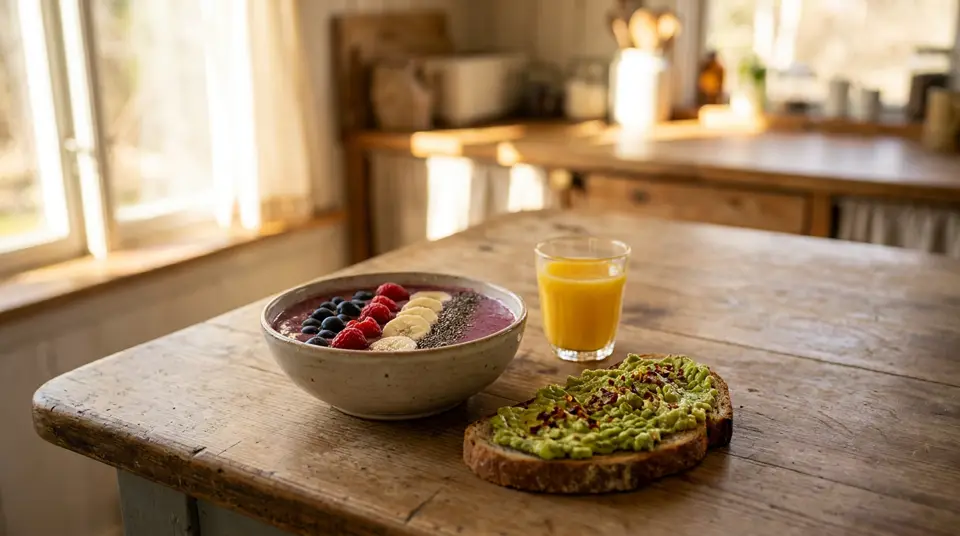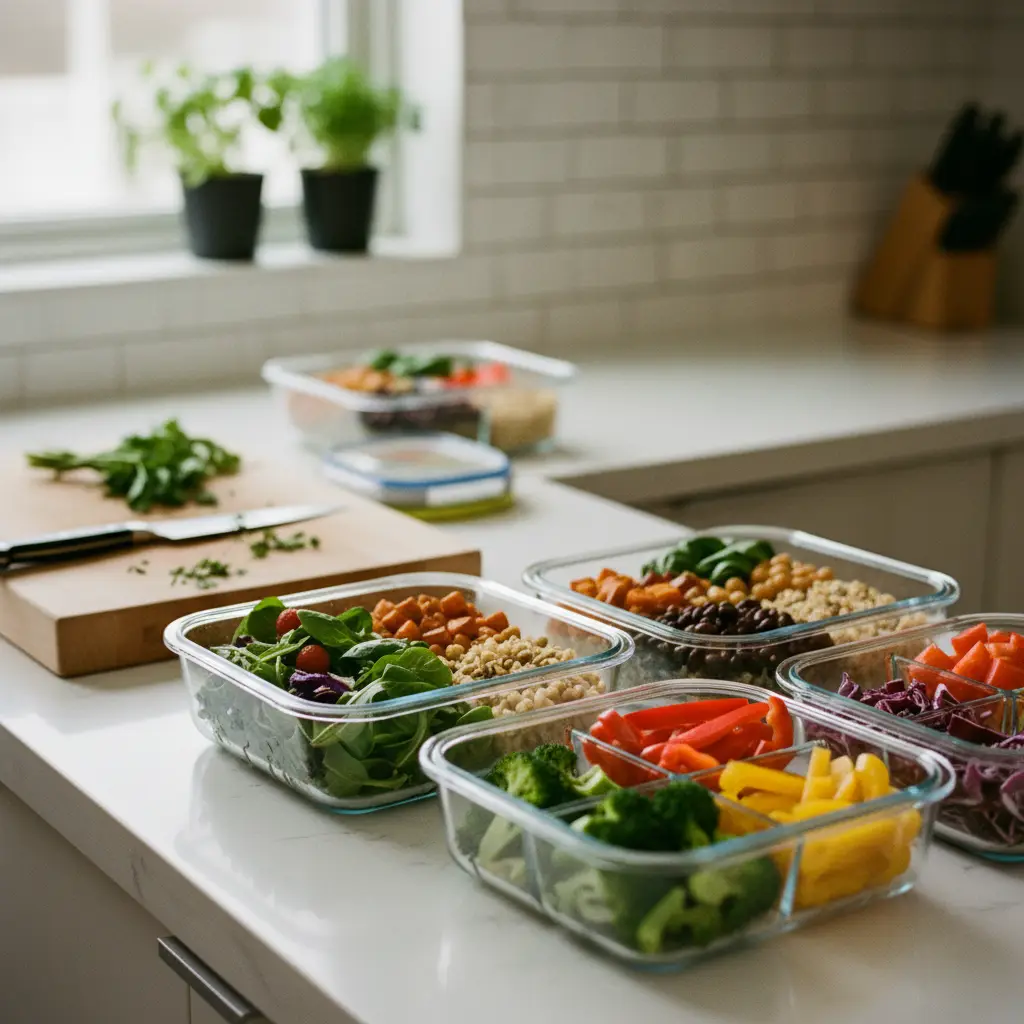
Achieving easy vegan breakfasts largely depends on proactively addressing common culinary missteps like insufficient protein, poor texture, and relying too heavily on processed ingredients. By focusing on whole foods, diverse plant proteins, and strategic meal prep, individuals can consistently enjoy satisfying and nutritious plant-based morning meals.
For three generations, our family ran a dairy farm in the lush, rolling hills of southwestern England. The milk from our herd was a staple, not just in our community, but across regional supermarkets. We understood the rhythm of dairy farming – the early mornings, the reliance on weather, the constant care for our cows. It was a life deeply ingrained in us, a tradition passed down through calloused hands and shared meals.
However, the world around farming began to shift. Consumer demands evolved, driven by growing environmental consciousness and health concerns (YouGov, 2022). Scientific understanding of animal agriculture's impact on climate change became undeniable (IPCC, 2021). We started to question if our traditional path was truly sustainable, for our land, our animals, or our future.
Why Consider Easy Vegan Breakfasts? Our Farm's Pivotal Decision
The environmental footprint of dairy farming was a major catalyst for our family. Producing one liter of cow’s milk generates approximately 3.2 kg of CO2 equivalent, significantly higher than plant-based alternatives like oat milk at 0.9 kg CO2e per liter (Poore & Nemecek, Science, 2018). This stark data, combined with local water scarcity concerns following consecutive dry summers, spurred serious internal discussions.
Our decision to transition from dairy to oat farming wasn't taken lightly. It involved extensive research into arid-resistant oat varieties and market demand for plant-based milks (Mintel, 2023). We saw an opportunity to align our values with sustainable agriculture, transforming our traditional livelihood into a future-proof endeavor. This meant a complete overhaul of our fields and farming practices.

“"The shift towards plant-based agriculture isn't just an ecological imperative; it's an economic opportunity for many struggling rural communities. Farmers are adaptable innovators when given the right support and market signals."”
| Product | Greenhouse Gas Emissions (kg CO2e) | Land Use (m²) | Water Use (liters) |
|---|---|---|---|
| Cow's Milk | 3.2 | 9.0 | 628 |
| Oat Milk | 0.9 | 0.8 | 48 |
What Were Our Biggest Challenges in Making the Switch?
The transition was multifaceted. Agronomically, we had to re-educate ourselves on oat cultivation – soil health specific to grains, optimal planting times, pest management without reliance on synthetic chemical inputs (Soil Association, 2022). Financially, it required significant investment in new machinery and processing facilities for our oat harvest, a burden alleviated partly by government grants for sustainable farming initiatives (DEFRA, 2023).
Beyond the fields, the biggest challenge was psychological: letting go of generations of tradition. Our identity was tied to dairy farming. Reimagining ourselves as oat farmers, at first, felt like a betrayal of our heritage. We found solace in the knowledge that we were evolving, not abandoning, our role as providers of sustenance.
How Do Common Mistakes Sabotage Easy Vegan Breakfasts?
Throughout our transition, we observed a parallel learning curve in our community regarding plant-based eating. Many struggled with their easy vegan breakfasts, often making common, easily avoidable mistakes. These include: 1) Lack of protein: Leading to hunger pangs shortly after eating. 2) Over-reliance on processed substitutes: Which can be high in sugar, sodium, and unhealthy fats. 3) Neglecting texture: Resulting in monotonous or unappetizing meals. 4) Underestimating meal prep: Causing reliance on last-minute, less healthy options.
For instance, simply swapping cow's milk for plant milk in a bowl of sugary cereal doesn't make a nutritionally robust plant-based breakfast (British Nutrition Foundation, 2021). The focus should be on building balanced meals from whole, diverse ingredients.
Reported Challenges in Adopting Vegan Breakfasts (UK, 2023)
What Are the Cornerstones of Truly Easy and Nutritious Vegan Breakfasts?
The secret to successful easy vegan breakfasts lies in thoughtful planning and embracing whole, nutrient-dense foods. Our oat crops, for example, became the foundation for many delicious and simple morning meals. Oats provide complex carbohydrates for sustained energy, and when combined with protein-rich additions, they create a balanced start to the day.
Prioritise protein, fiber, and healthy fats. Incorporate ingredients like nuts, seeds, legumes (e.g., chickpeas in a scramble), and fortified plant milks. Preparation is also key; overnight oats, pre-chopped fruit, and batch-cooked components can drastically reduce morning effort.
How to Build a Perfect Easy Vegan Breakfast Bowl
- 1
Choose a Base
Start with whole grains like rolled oats, quinoa, or wholewheat toast. These provide complex carbohydrates and fiber, offering sustained energy throughout your morning.
- 2
Add Protein
Integrate plant-based proteins such as nuts, seeds (chia, flax, hemp), a scoop of protein powder, or cooked lentils/beans for savory options. This boosts satiety.
- 3
Introduce Healthy Fats
Include sources like avocado (for toast), nut butters, or a sprinkle of additional seeds. Healthy fats contribute to fullness and nutrient absorption.
- 4
Incorporate Fruit & Veg
Pile on fresh or frozen berries, sliced banana, apple, or even spinach for savory bowls. These add crucial vitamins, minerals, and antioxidants.
- 5
Flavor & Texture Enhancers
Finish with spices like cinnamon, vanilla extract, or a drizzle of maple syrup. Add crunchy elements like granola, cacao nibs, or toasted coconut flakes.
- 6
Hydrate & Fortify
Use fortified plant milk (like our new oat milk!) or water as your liquid base. Ensure the plant milk contains added calcium and Vitamin D for bone health.
What Would We Tell Other Farmers Considering a Transition?
Our journey from dairy to oat farming has been challenging but ultimately rewarding. The fields that once grazed cows now ripple with golden oats, a testament to our family's commitment to a more sustainable future. The land feels healthier, and our daily work aligns with a deeper sense of purpose.
To other farmers, we would say: research thoroughly, seek expert advice from agricultural scientists and economists, and connect with other farmers who have already made similar transitions. The community of support is larger than you might expect. Most importantly, embrace the opportunity for innovation. Your land can yield sustenance in new, ecologically sound ways.
Frequently asked questions
How can I ensure my vegan breakfast has enough protein?+
To ensure adequate protein in your vegan breakfast, incorporate ingredients like nuts, seeds (chia, flax, hemp), plant-based protein powders, soy yogurt, or cooked legumes such as lentils or black beans in savory dishes. Aim for a mix of sources to cover all essential amino acids.
What are common mistakes when making easy vegan breakfasts?+
Common mistakes include relying too much on processed vegan alternatives, not incorporating enough diverse protein sources, neglecting fiber-rich whole grains, and failing to plan ahead. These can lead to unbalanced meals lacking sufficient nutrients and satiety.
Are plant-based milks a good substitute for dairy in breakfast?+
Yes, plant-based milks like oat, soy, or almond can be excellent dairy substitutes, especially when fortified with calcium and Vitamin D. They work well in cereals, smoothies, and oatmeal, but always check labels for added sugars and nutritional content to ensure a healthy choice.
What's a quick and nutritious vegan breakfast option?+
Overnight oats made with oat milk, chia seeds, fresh berries, and a tablespoon of nut butter is a quick and nutritious vegan breakfast. Prepare it the night before for a grab-and-go meal that's rich in fiber, protein, and healthy fats.