In Southern Africa, the cruel practice of culling sows, or female pigs, is a grim reality in the pork industry. This involves the mass killing of these intelligent and sentient animals, often in painful and distressing ways, leading to severe welfare concerns.
What is culling, and why is it done?
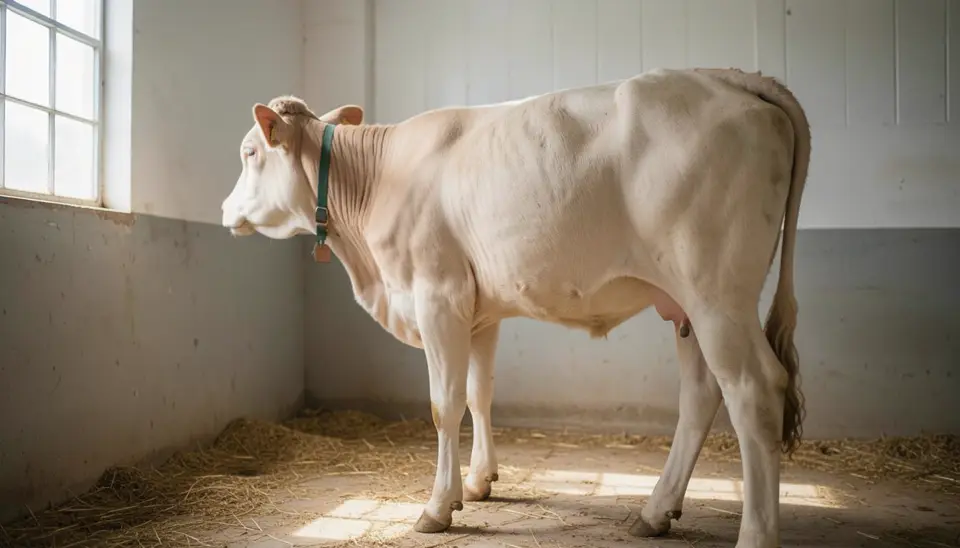
Culling is the process of removing animals from a herd, typically for humane euthanasia. In the pork industry, sows are culled when they are no longer profitable to keep, usually after 18-24 months. This is despite their lifespan potentially exceeding 10 years. The primary reasons for culling are low productivity, infertility, or lameness.
Undercover investigations: The reality of culling in Southern Africa
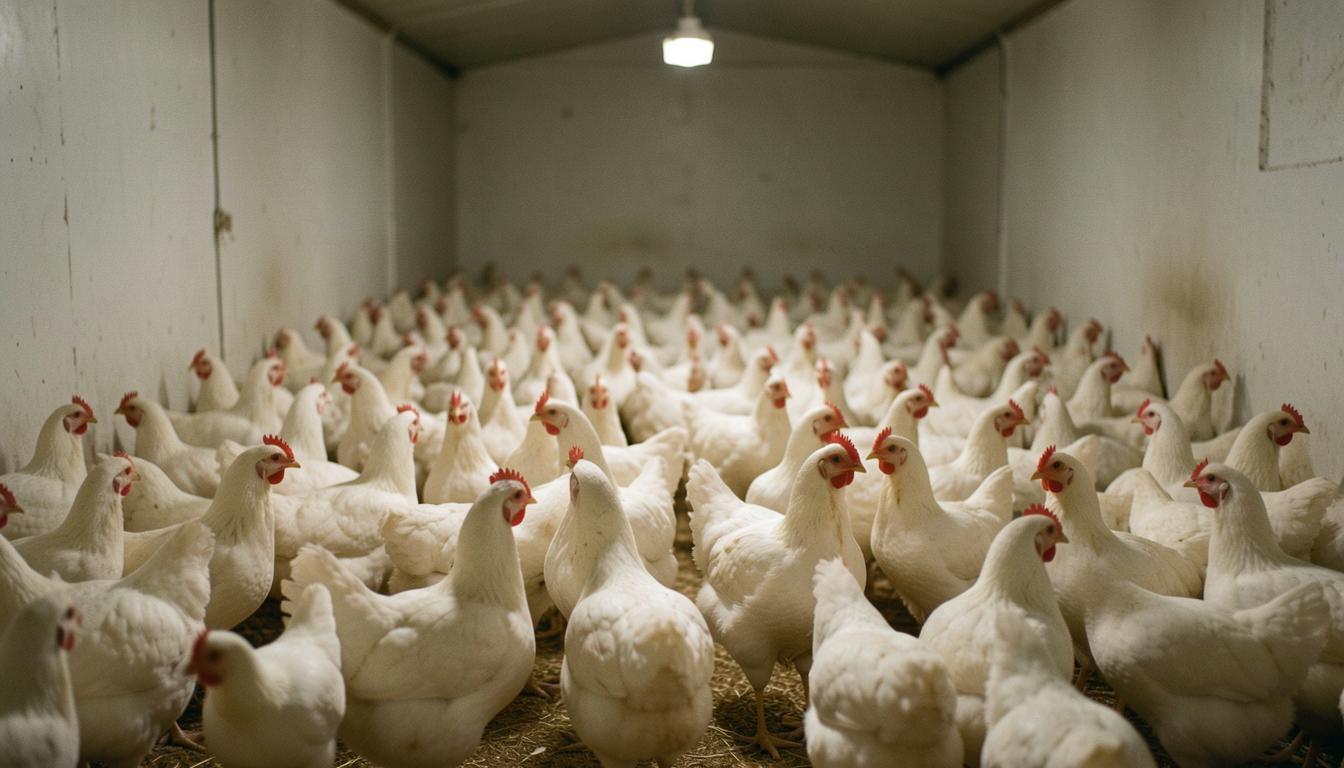
Undercover investigations by animal rights organizations have shed light on the grim reality of culling in Southern Africa. A 2023 investigation by Animal Equality found widespread suffering and non-compliance with animal welfare regulations. Sows were observed being beaten, roughly handled, and subjected to painful procedures without pain relief.
“The level of suffering we witnessed was truly shocking. It's clear that the pork industry in South Africa has a long way to go in terms of animal welfare.”
| Culling Method | Welfare Implications |
|---|---|
| Carbon dioxide stunning and exsanguination | May cause panic, distress, and a prolonged death. |
| Electrical stunning and exsanguination | May result in inadequate stunning, leading to conscious slaughter. |
| Shooting and exsanguination | Can cause injury, panic, and distress. |
| Burial alive | Inflicts severe pain and suffering, prohibited in many countries. |
The Southern African context: Demand, intensive farming, and welfare concerns
The high demand for pig meat in Southern Africa drives intensive farming practices, which prioritize productivity over animal welfare. A 2023 report by the World Animal Protection ranked South Africa among the worst countries for farm animal welfare, with pigs scoring the lowest.
Pork consumption in South Africa
5 concrete actions you can take to help cull sows in Southern Africa
How to help
- 1
1. Reduce or eliminate pork consumption
Opt for plant-based alternatives to reduce demand for pig meat.
- 2
2. Support animal welfare organizations
Donate to or volunteer with groups working to improve farm animal welfare in Southern Africa, such as World Animal Protection or Animal Equality.
- 3
3. Write to retailers and policymakers
Urge retailers to adopt higher welfare standards and policymakers to strengthen animal protection laws.
- 4
4. Spread awareness
Share information about cull sow welfare with friends, family, and on social media.
- 5
5. Demand transparency
Ask retailers and restaurants to trace their pork supply chains and ensure they meet minimum welfare standards.
Frequently asked questions
Why is culling necessary?+
Culling is profitable for farmers, as it removes unproductive sows from the herd and frees up resources for replacement gilts.
What can consumers do to help?+
Consumers can reduce or eliminate pork consumption, support animal welfare organizations, and demand higher welfare standards from retailers and policymakers.
What are the current animal welfare regulations in Southern Africa?+
South Africa has regulations regarding the protection of animals used for food, but enforcement is often inadequate, and many farms do not comply with these standards.