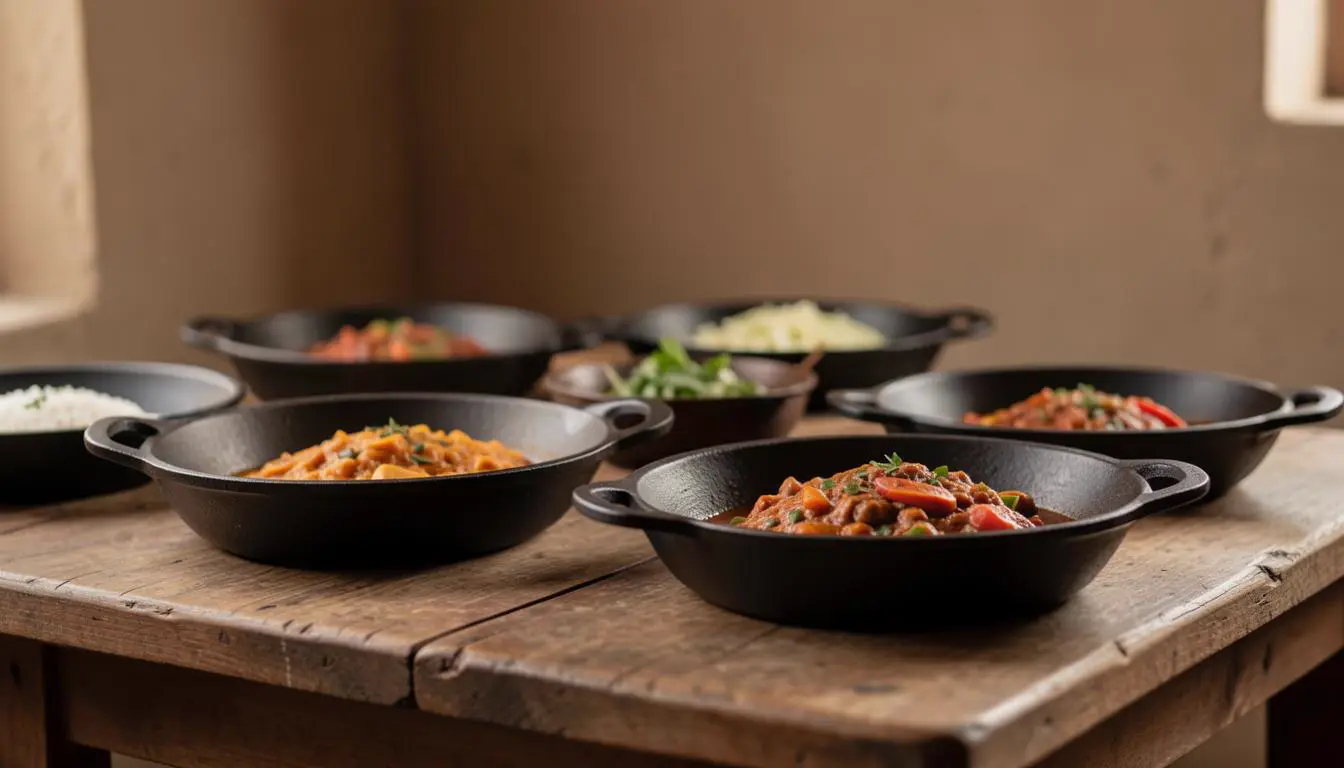
Embark on a culinary adventure and explore the rich flavors of West Africa through vegan cast-iron cooking. This plant-based approach not only respects local traditions but also aligns with sustainability and climate-friendly goals. Let's delve into the vibrant world of West African vegan cast-iron cooking.
West Africa boasts a diverse array of plant-based ingredients and culinary traditions. By embracing vegan cast-iron cooking, we can celebrate these vibrant flavors while promoting sustainability and animal welfare. Let's explore some standout West African vegan cast-iron dishes and their environmental impact.
Understanding West African Ingredients for Vegan Cast-Iron Cooking
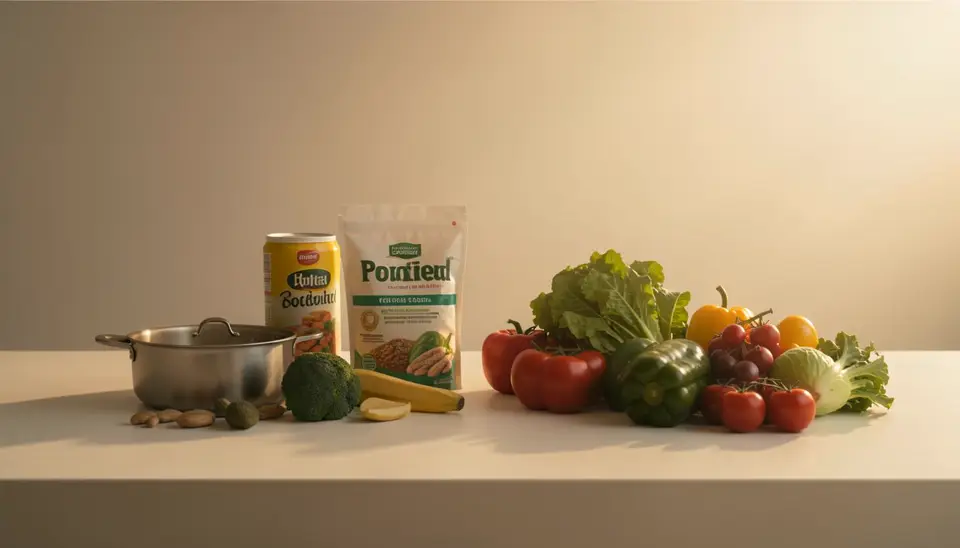
West African cuisine is built on a foundation of plant-based ingredients, making it an ideal starting point for vegan cast-iron cooking. Key ingredients include groundnut paste, okra, plantains, and various leafy vegetables. These ingredients provide essential nutrients and contribute to the distinctive flavors of West African dishes.
Vegan Groundnut Stew (Mafe) Recipe
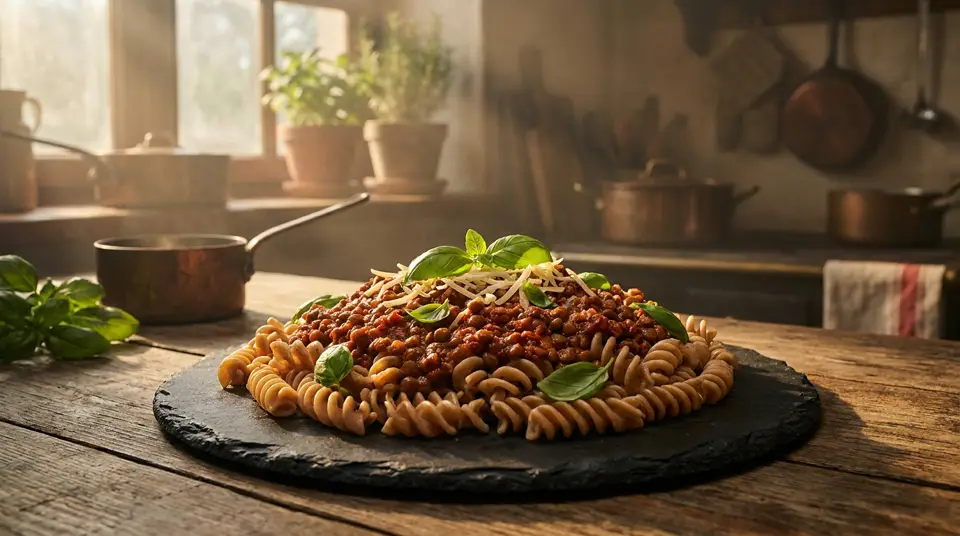
Mafe, a traditional West African groundnut stew, is easily adapted to be vegan. This hearty dish is packed with protein and can be made in a cast-iron pot, making it a perfect example of vegan cast-iron cooking in the West African context.
Vegan Groundnut Stew (Mafe) Recipe
- 1
Step 1
Sauté onions, garlic, and ginger in a cast-iron pot until golden.
- 2
Step 2
Add vegetables (such as carrots, sweet potatoes, and green beans) and cook until tender.
- 3
Step 3
Stir in groundnut paste, tomatoes, and vegetable broth. Simmer for 20 minutes.
- 4
Step 4
Serve over cooked rice or millet and garnish with chopped peanuts and fresh cilantro.
| Nutrient | Amount (per serving) |
|---|---|
| Calories | 350 |
| Protein | 12 g |
| Total Fat | 18 g |
| Saturated Fat | 3 g |
| Cholesterol | 0 mg |
| Sodium | 650 mg |
| Total Carbohydrate | 40 g |
| Dietary Fiber | 10 g |
| Sugars | 6 g |
The Environmental Impact of Vegan Cast-Iron Cooking in the West African Context
Adopting vegan cast-iron cooking in the West African context can significantly reduce the environmental impact of our meals. By replacing animal products with plant-based ingredients and utilizing durable, long-lasting cast-iron cookware, we can minimize greenhouse gas emissions, deforestation, and water usage.
Greenhouse gas emissions savings from plant-based diets
“Plant-based diets are a key strategy in reducing the environmental footprint of the global food system.”
Frequently Asked Questions about Vegan Cast-Iron Cooking in the West African Context
Frequently asked questions
How do I adapt traditional West African recipes to be vegan?+
Substitute animal products with plant-based alternatives, such as using groundnut paste instead of meat or using coconut milk in place of dairy.
What are the environmental benefits of vegan cast-iron cooking?+
Vegan cast-iron cooking reduces greenhouse gas emissions, minimizes water usage, and preserves forests by promoting more sustainable farming practices.
What kind of cast-iron cookware is best for West African dishes?+
A large, deep cast-iron pot with a tight-fitting lid is ideal for cooking West African dishes, as it allows for slow-cooking and the development of rich flavors.
Embracing vegan cast-iron cooking in the West African context offers a delicious and sustainable way to celebrate the region's rich culinary traditions. By exploring the diverse array of plant-based ingredients and adapting classic recipes, we can create climate-friendly meals that nourish both our bodies and the planet.