Embracing vegan sheet-pan dinners represents a practical and impactful shift towards more sustainable and economical eating, directly addressing concerns about climate change and household budgets. These meals consolidate cooking to a single pan, minimizing cleanup, energy consumption, and food waste, while maximizing nutrient intake from diverse plant-based ingredients.
What are Vegan Sheet-Pan Dinners, and Why Do They Matter for the Planet?
Vegan sheet-pan dinners are a culinary approach where all meal components, from protein sources like tofu or chickpeas to a medley of seasonal vegetables, are roasted together on one baking sheet. This method minimizes dishes and cooking time, making it an efficient choice for busy individuals. Beyond convenience, their environmental significance is substantial. Animal agriculture contributes approximately 14.5% of global anthropogenic greenhouse gas emissions (FAO, 2013), with meat and dairy production requiring significantly more land and water than plant-based alternatives (Poore & Nemecek, Science, 2018).
By shifting towards plant-based meals, particularly those optimized for efficiency like sheet-pan dinners, consumers directly reduce their ecological footprint. A study published in Nature Food (2021) found that diets with low meat consumption can reduce food-related greenhouse gas emissions by up to 70%. Furthermore, the streamlined cooking process of sheet-pan meals reduces energy consumption by requiring less time on stovetops and multiple oven elements.
How Do Sheet-Pan Dinners Impact Household Budgets and Food Waste?
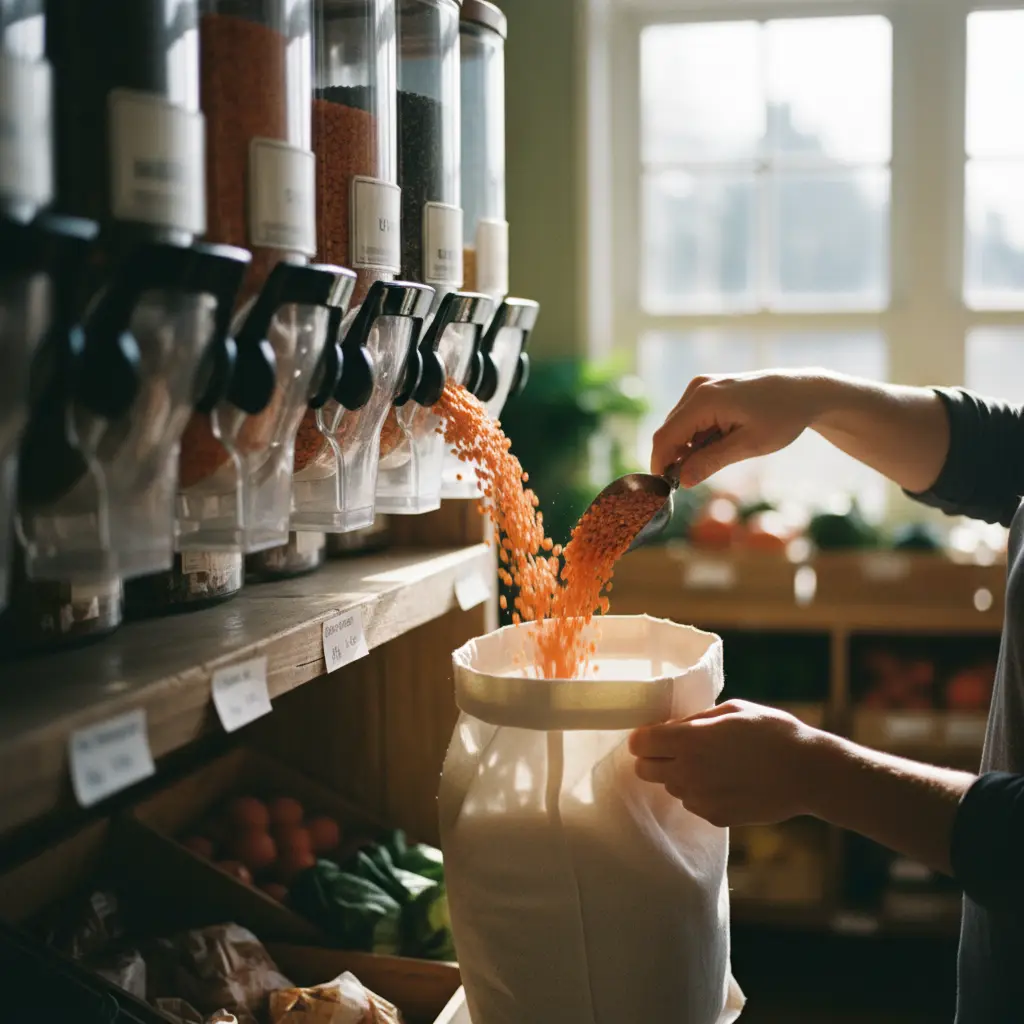
Adopting vegan sheet-pan dinners can lead to significant financial savings and a notable reduction in household food waste. Plant-based protein sources like lentils, beans, and tofu are generally more affordable than meat and dairy products (Good Food Institute, 2023). Bulk purchasing of staples such as grains and dried legumes further amplifies these savings.
The sheet-pan method encourages the use of whole, fresh ingredients, often seasonal vegetables, which are typically less expensive than pre-packaged or processed foods. Moreover, the 'everything on one pan' approach helps prevent food waste by making it easier to portion ingredients precisely and cook them thoroughly. Households in the UK waste approximately 4.5 million tonnes of edible food annually, much of which comprises fresh vegetables (WRAP, 2022). By planning meals around versatile sheet-pan recipes, consumers can utilize ingredients more effectively and minimize spoilage.
| Metric | Before (Mixed Diet, Conventional Cooking) | After (Vegan Sheet-Pan Dinners) |
|---|---|---|
| Weekly Grocery Bill (Avg. Family of 4, EUR) | €180 | €125 |
| Carbon Footprint per Meal (kg CO2e) | 2.5 kg | 0.8 kg |
| Weekly Food Waste (kg) | 1.5 kg | 0.4 kg |
| Active Cooking Time per Week (hours) | 7 hours | 4 hours |
| Water Footprint per Meal (litres) | 2000 litres | 500 litres |
“The simplicity of sheet-pan cooking isn't just about convenience; it's a powerful tool for reducing our environmental burden. When you roast ingredients together, you're not just saving dishes; you're often saving energy and preventing food waste from unused portions.”
What Are the Nutritional Benefits of Embracing Plant-Based Sheet-Pan Meals?
Beyond their environmental and economic advantages, vegan sheet-pan dinners offer substantial nutritional benefits. By focusing on a diverse array of vegetables, legumes, and whole grains, these meals naturally increase fiber intake, which is crucial for digestive health and satiety (British Nutrition Foundation, 2020). Many traditional diets, particularly in Western countries, are deficient in fiber.
The combination of different plant foods on one pan ensures a wide spectrum of vitamins, minerals, and antioxidants. For example, combining vitamin C-rich bell peppers with iron-rich chickpeas enhances iron absorption, a common concern for those transitioning to plant-based diets (The Vegan Society, 2023). These meals also tend to be lower in saturated fat and cholesterol, contributing to better cardiovascular health outcomes (American Heart Association, 2021).
Reduction in Carbon Footprint per Meal: Transitioning to Plant-Based
How Can Climate-Conscious Spenders Effectively Transition to Vegan Sheet-Pan Dinners?
Transitioning to vegan sheet-pan dinners for climate-conscious spending requires a strategic approach focused on planning, ingredient selection, and proper cooking techniques. Starting with familiar vegetables and gradually incorporating new plant proteins can make the shift smoother. Look for sales on seasonal produce and buy staples in bulk to maximize savings.
How to Master Vegan Sheet-Pan Dinners for Sustainability
- 1
Plan Your Meals Weekly
Create a weekly meal plan centered around sheet-pan recipes, listing all necessary ingredients. This prevents impulse buys and reduces the likelihood of food waste due to unused produce. Check local flyers for produce on sale.
- 2
Prioritize Seasonal & Local Produce
Choose vegetables that are in season and sourced locally. This often means lower prices, fresher ingredients, and a reduced carbon footprint associated with transportation. Farmers' markets are excellent resources.
- 3
Embrace Affordable Plant Proteins
Integrate budget-friendly proteins like chickpeas, black beans, lentils, tofu, and tempeh. These are versatile, nutrient-dense, and significantly cheaper than animal proteins. Marinate them for enhanced flavor.
- 4
Master Basic Roasting Techniques
Understand oven temperatures and cooking times for different vegetables to ensure even cooking. Cut ingredients to similar sizes for uniform roasting and prevent some items from burning while others remain undercooked. High heat usually works best.
- 5
Minimize Oil and Maximize Flavor
Use a minimal amount of high-heat oil (like avocado or grapeseed) and rely on herbs, spices, and acid (lemon juice, vinegar) for flavor. This not only keeps the meal healthier but also reduces reliance on oil, which has its own environmental footprint.
- 6
Batch Cook and Repurpose Leftovers
Prepare larger quantities of your favorite vegan sheet-pan dinners to have healthy, ready-to-eat meals for several days. Repurpose leftovers into salads, wraps, or grain bowls to prevent waste and save time later in the week.
Frequently asked questions
Are vegan sheet-pan dinners nutritionally complete?+
Yes, vegan sheet-pan dinners can be nutritionally complete by combining a variety of vegetables, legumes (for protein and fiber), and whole grains. Ensure you include a good source of protein like chickpeas, tofu, or tempeh, and a diverse range of colorful vegetables for vitamins and minerals. Adding a healthy fat source like avocado or nuts can also contribute.
What kind of sheet pan is best for these recipes?+
A sturdy, rimmed baking sheet made of aluminum or stainless steel is ideal for vegan sheet-pan dinners. The rim prevents ingredients from sliding off, and a heavier gauge metal promotes even heat distribution. Avoid dark-colored pans as they can cause ingredients to brown too quickly.
How can I prevent my vegetables from getting soggy?+
To prevent soggy vegetables, ensure your oven is preheated to a sufficiently high temperature (usually 200-220°C / 400-425°F). Do not overcrowd the pan; use two pans if necessary to allow air circulation. Cut vegetables into similar sizes for even cooking, and ensure they are thoroughly dry before adding oil and seasoning.
Can I meal prep vegan sheet-pan dinners for the week?+
Absolutely. Vegan sheet-pan dinners are excellent for meal prepping. You can roast a large batch of vegetables and proteins, then store them in airtight containers in the refrigerator for up to 3-4 days. Reheat gently in the oven or microwave. Some people prefer to chop all ingredients ahead of time and store them separately, then roast fresh each night.