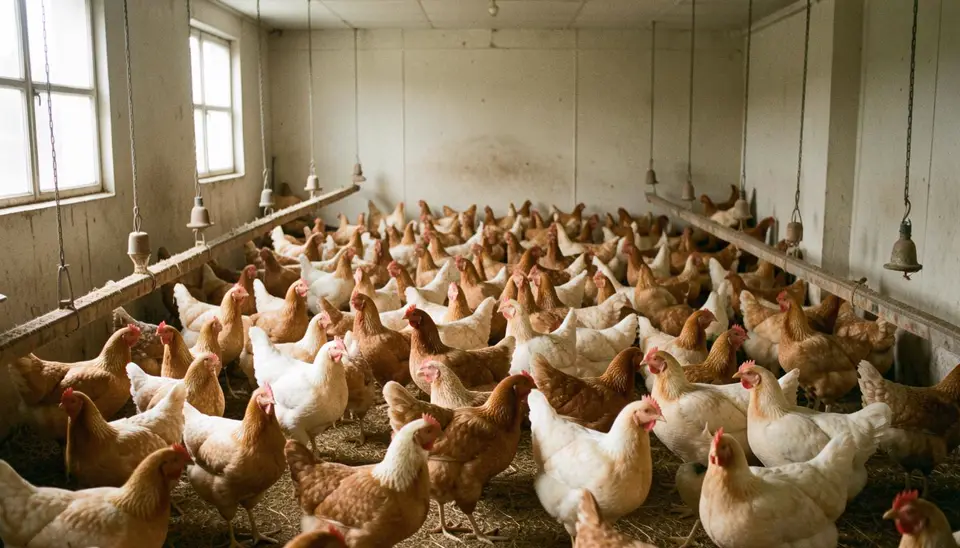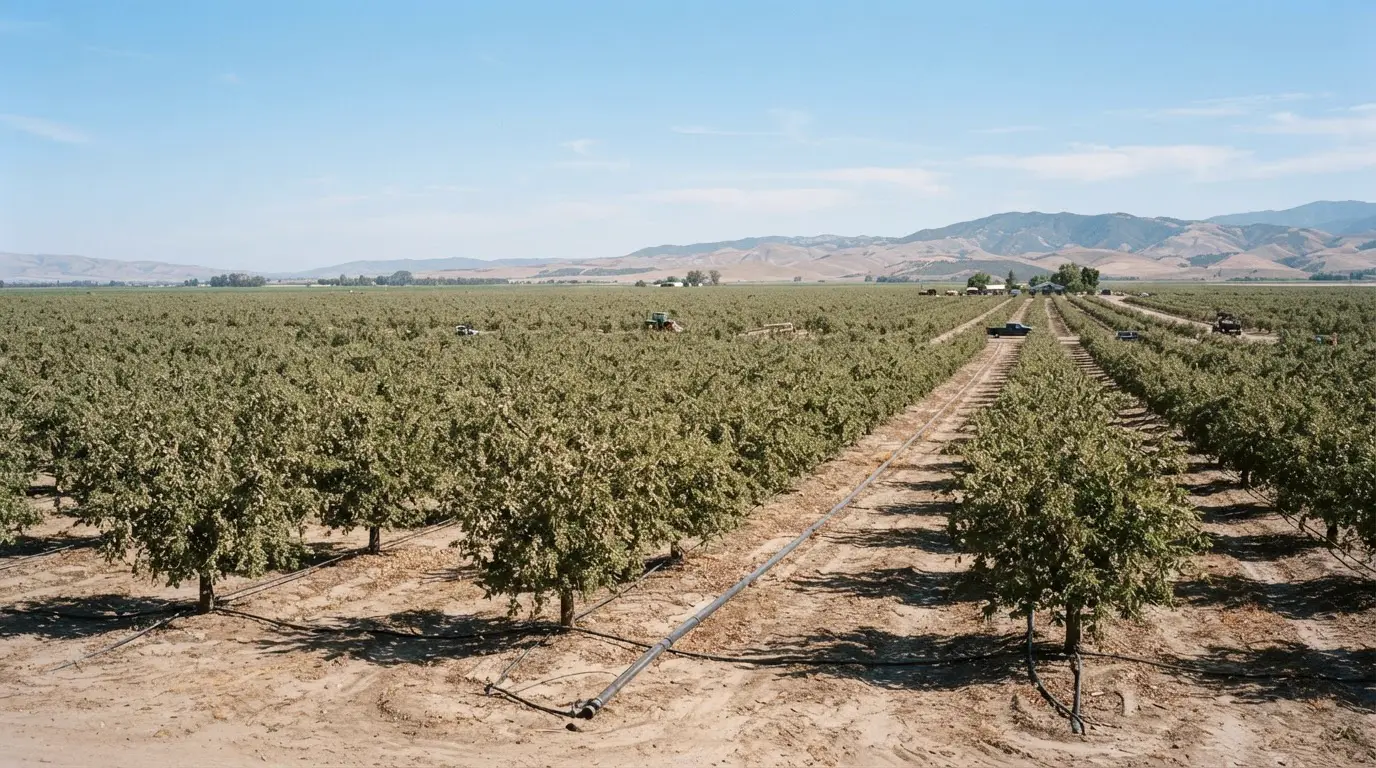
Empowering individuals to master tempeh fermentation at home directly contributes to animal welfare by reducing the demand for industrially produced animal products, thereby decreasing the number of animals subjected to confinement and slaughter, and mitigating the environmental impacts associated with large-scale livestock farming. This shift supports a more compassionate and sustainable food system through local, plant-based protein production.
What is the 'Tempeh untuk Semua' Initiative?
The 'Tempeh untuk Semua' (Tempeh for All) initiative, launched in Bandung, Indonesia, in 2021 by the local non-profit 'Pangan Berkelanjutan' (Sustainable Food), aimed to foster food autonomy and mitigate the environmental and ethical costs of industrial animal agriculture. This program focused on teaching urban and peri-urban households the skills required for tempeh fermentation at home, transforming soybeans into a versatile, protein-rich plant-based staple (Pangan Berkelanjutan, 2023).
Bandung, a city grappling with rapid urbanisation and its dietary shifts, provided a critical setting. Traditional Indonesian diets often incorporate tempeh, but increasingly, convenience and affordability have driven consumption of processed meats and factory-farmed chicken. 'Tempeh untuk Semua' sought to re-establish traditional food knowledge while addressing contemporary challenges.
How Did the Program Intervene to Shift Consumption Habits?
The intervention involved free, hands-on workshops conducted in community centres and local schools across five districts of Bandung. Participants received initial starter cultures and basic equipment, alongside detailed instructions on sourcing quality soybeans and maintaining optimal fermentation conditions. The curriculum emphasised not only the 'how-to' of tempeh fermentation but also the 'why' – discussing the ethical, environmental, and nutritional benefits of plant-based diets (Pangan Berkelanjutan, 2022).
Mentorship was a core component, with experienced local tempeh makers providing ongoing support through WhatsApp groups and monthly 'meet-up and share' sessions. This created a supportive network, addressing common challenges and fostering a sense of community around sustainable food practices. The program aimed for long-term behavioural change rather than just temporary adoption.
What Were the Tangible Results of Home Tempeh Fermentation?
The 'Tempeh untuk Semua' initiative demonstrated significant impact across several key metrics, particularly concerning the reduction in animal product consumption and its related consequences. A post-program survey of 500 participating households showed a measurable shift towards plant-based protein sources and a greater understanding of the issues surrounding industrial animal agriculture (Pangan Berkelanjutan, 2023).
| Metric | Pre-Program Baseline | Post-Program (6 months) |
|---|---|---|
| Average Weekly Meat/Poultry Consumption (grams/household) | 850g | 420g |
| Average Weekly Tempeh Consumption (grams/household) | 200g | 750g |
| Households Reporting Reduced Dairy/Egg Intake (%) | 15% | 60% |
| Awareness of Industrial Animal Welfare Issues (%) | 30% | 85% |
| Awareness of Livestock Environmental Impact (%) | 25% | 80% |
The shift in consumption patterns had a direct correlation with an estimated reduction in animal suffering. By displacing demand for industrially farmed animals, each household adopting home tempeh fermentation indirectly saved dozens of chickens or other animals from factory farming conditions annually (Humane Foundation estimates based on FAO, 2022 livestock data).
What Specific Aspects of the Program Proved Effective?
Several elements contributed to the program's success. The hands-on workshop format allowed for direct learning and immediate problem-solving. Providing starter cultures and initial equipment removed common barriers to entry. The community support network, facilitated through digital and in-person meetups, fostered long-term engagement and peer learning.
Crucially, integrating education on the ethical and environmental implications of food choices resonated deeply with participants. As Dr. Anya Susanto, a food sociologist at the University of Indonesia, noted, "Connecting the act of making food to its broader impact—on animals, on the planet—transforms a cooking skill into a deeply meaningful personal and collective action" (Susanto, University of Indonesia, 2023).
Projected Reduction in Livestock Footprint per Participating Household (Equivalent CO2e Emissions, kg/year)
What Challenges Did 'Tempeh untuk Semua' Encounter?
Despite its successes, the initiative faced hurdles. Ensuring a consistent supply of high-quality, non-GMO soybeans proved challenging due to fluctuations in agricultural markets. Some participants reported initial difficulties maintaining the precise temperature and humidity required for successful tempeh fermentation at home, leading to occasional batch failures.
Furthermore, the program's reach was limited by funding and instructor availability, meaning many interested communities could not participate. Shifting deeply ingrained dietary habits, particularly among older generations, also required sustained effort and creative engagement strategies beyond the initial workshops.
What Lessons Can Others Learn from This Home Fermentation Success?
The 'Tempeh untuk Semua' program offers valuable insights for organisations aiming to promote plant-based diets and reduce the impact of animal agriculture. Emphasising practical skills, building robust community support, and explicitly linking food choices to ethical and environmental outcomes are critical components.
Future initiatives should focus on developing sustainable supply chains for raw ingredients, providing comprehensive troubleshooting guides, and exploring peer-to-peer learning models for scalability. Investing in 'train-the-trainer' programs could also significantly expand reach and ensure long-term program sustainability, making tempeh fermentation at home a widespread practice.
Frequently asked questions
Is home tempeh fermentation difficult for beginners?+
While it requires attention to detail regarding temperature and hygiene, home tempeh fermentation is generally accessible for beginners with proper instruction. Initial batches might not be perfect, but consistent practice, as shown in the Bandung case, leads to successful results. Starter kits and online resources can further simplify the process.
What is the primary benefit of making tempeh at home versus buying it?+
Making tempeh at home offers several benefits, including cost savings, control over ingredients (e.g., organic, non-GMO soybeans), and the satisfaction of producing your own food. From an animal welfare perspective, it directly reduces reliance on commercial supply chains that might still indirectly support industrial agriculture through shared infrastructure or market pressures.
How does tempeh fermentation affect animal welfare?+
Promoting tempeh fermentation at home reduces the overall demand for animal-derived proteins, directly impacting the number of animals raised in industrial settings. This shift alleviates the suffering of animals subjected to factory farming conditions, such as confinement, mutilation, and premature slaughter, by providing a compassionate plant-based alternative.
Can home tempeh production significantly reduce a household's carbon footprint?+
Yes, by replacing high-impact animal proteins like beef, pork, and chicken with home-fermented tempeh, a household can significantly reduce its carbon footprint. Livestock agriculture is a major contributor to greenhouse gas emissions, and shifting to plant-based protein sources like tempeh offers a substantial environmental benefit, as evidenced by the Bandung project.