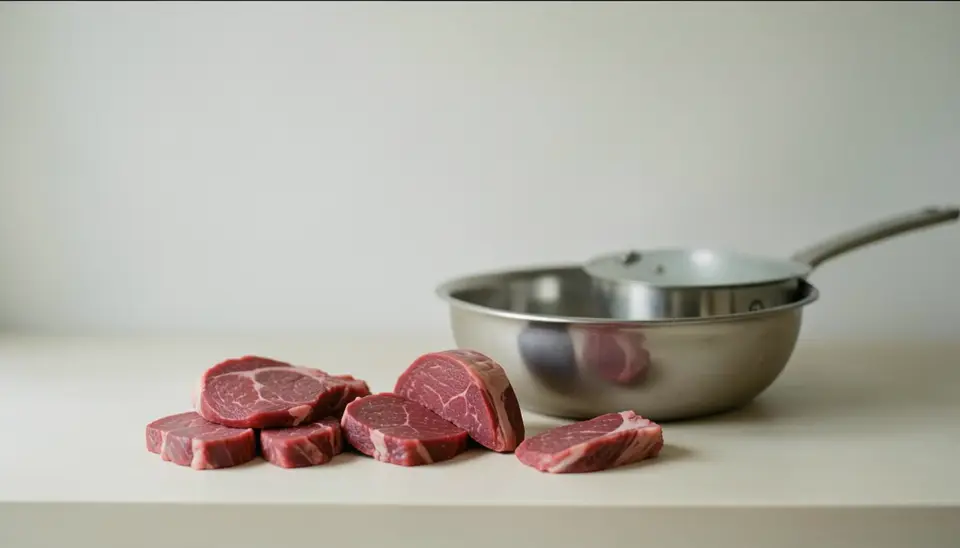
Does red meat cause cancer? The International Agency for Research on Cancer (IARC) classified red meat as a Group 2A carcinogen in 2015, stating it probably causes cancer. However, the report sparked debate, and its implications for Southeast Asia remain unclear.
The IARC's report examined over 800 studies, finding that each 50-gram serving of processed meat increases colorectal cancer risk by 18%. For red meat, the risk increase is 17% per 100 grams.
Red meat consumption in Southeast Asia
Southeast Asia's red meat consumption has risen steadily, reaching 23.2 kg per capita in 2020, up from 16.3 kg in 2000 (FAO, 2023). This increase parallels the region's economic growth and urbanization.
| Country | 2000 | 2010 | 2020 |
|---|---|---|---|
| Indonesia | 12.1 | 16.8 | 22.5 |
| Vietnam | 15.2 | 18.7 | 24.3 |
| Philippines | 14.5 | 17.1 | 20.8 |
The IARC's findings in context
“The IARC's findings should not be interpreted as a mandate to eliminate red meat from one's diet. Rather, they suggest that limiting processed meat and red meat intake can lower cancer risk.”
Plant-based diets: A Southeast Asian solution
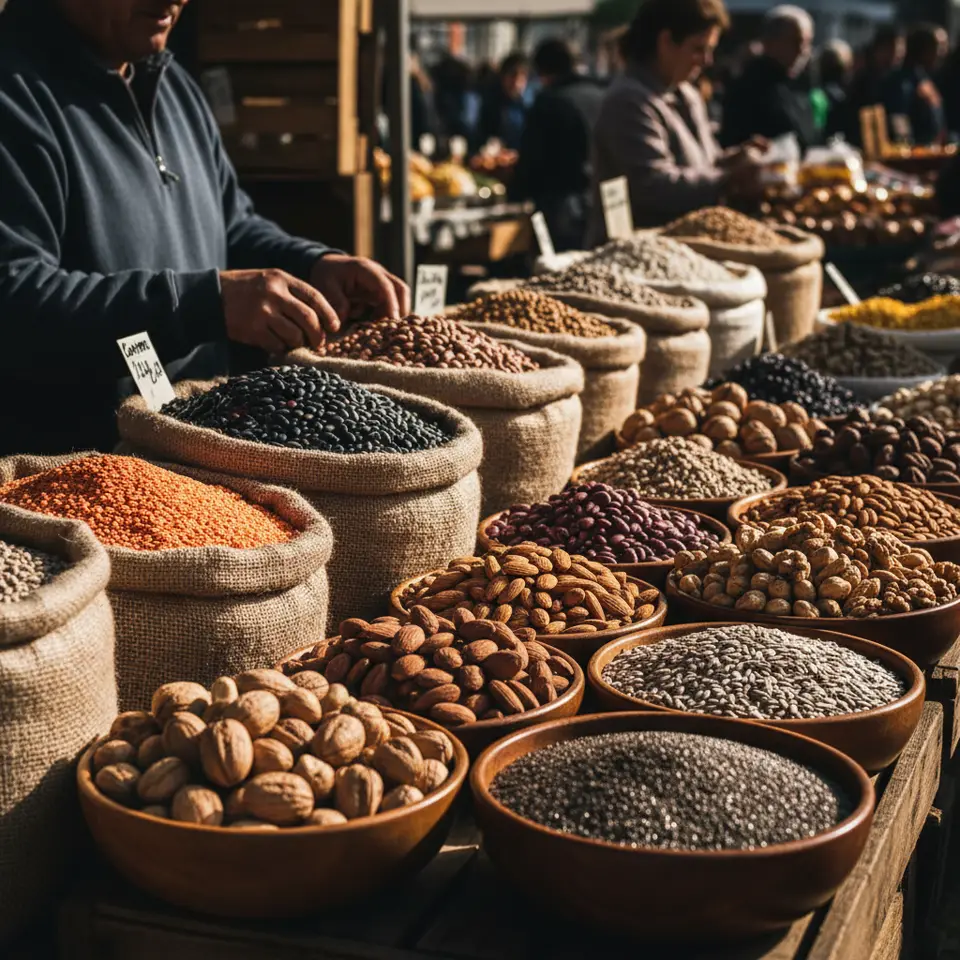
Plant-based diets can lower cancer risk and support Southeast Asia's sustainability goals. The region offers ample plant-based protein sources like legumes, tofu, and tempeh, making transitions feasible.
Plant-based meat market share in Southeast Asia
Frequently asked questions
What about iron deficiency? Can Southeast Asians still get enough iron on a plant-based diet?+
Plant-based diets can provide adequate iron. Soy products, leafy greens, and fortified foods are excellent iron sources for Southeast Asians (Health Promotion Board, 2021).
How can Southeast Asia reduce red meat consumption?+
Promoting plant-based diets, improving food labeling, and implementing taxes on red meat can help (The Lancet Planetary Health, 2019).