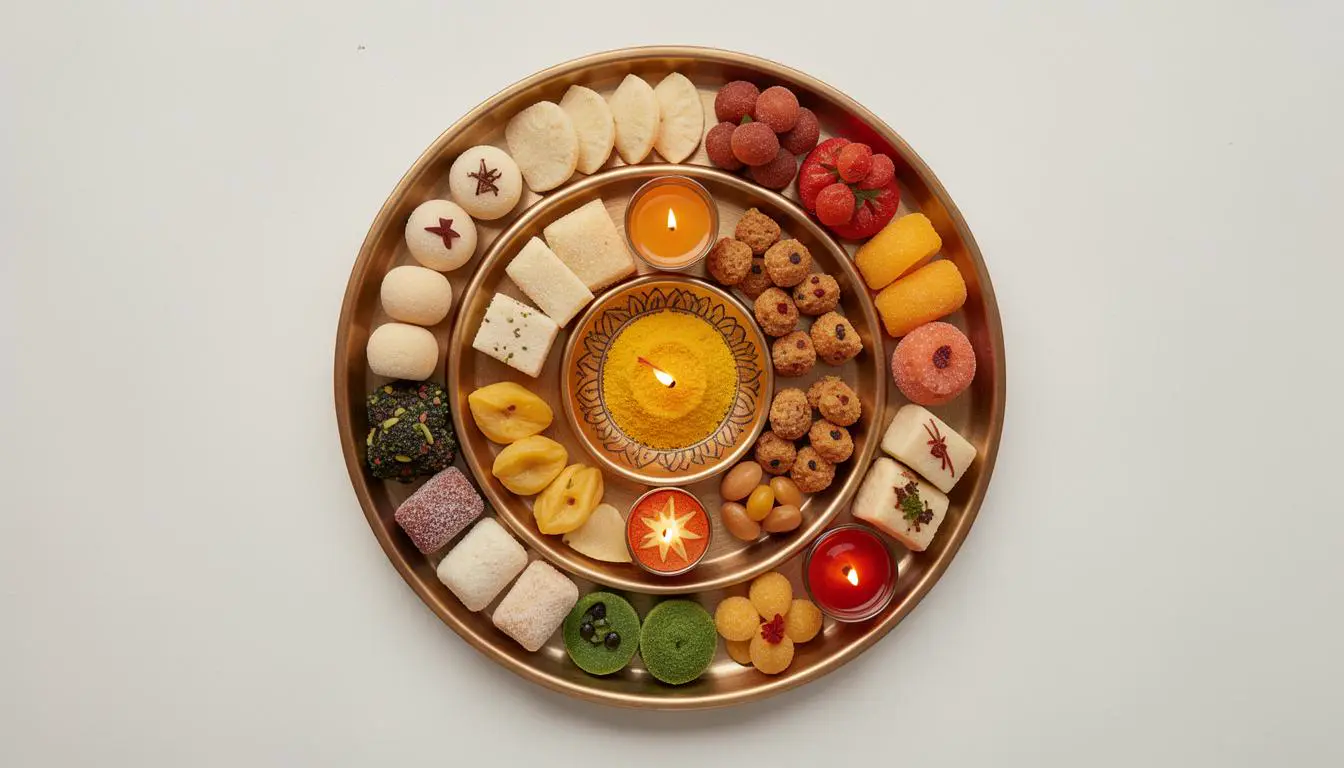
As the Festival of Lights approaches, Diwali 2024 is set to be an unprecedented celebration of compassion and sustainability, with plant-based sweets taking centre stage. The traditional Indian festival, known for its vibrant colours and sweet treats, is witnessing a shift towards plant-based alternatives, driven by an increasing awareness of animal welfare and environmental concerns.
To understand the growing trend of plant-based Diwali sweets, we traced the supply chain of these sweets, from local markets in Mumbai to manufacturers in the outskirts of the city, and spoke to consumers, manufacturers, and animal welfare advocates.
The Rise of Plant-Based Diwali Sweets: A Consumer-Driven Trend
The demand for plant-based Diwali sweets is primarily driven by young urban consumers, who are more likely to be aware of and concerned about animal welfare and environmental issues.
“The younger generation is more aware and conscious about what they consume. They are looking for options that align with their values, and that's where plant-based sweets come in.”
The Supply Chain: From Local Markets to Manufacturers
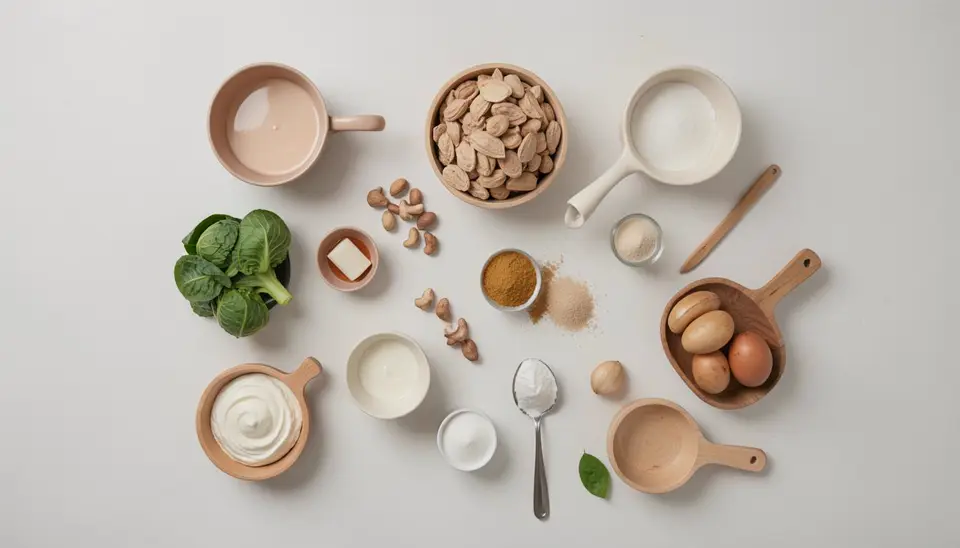
The supply chain of plant-based Diwali sweets starts in local markets like Dadar and Crawford Market in Mumbai, where small-scale vendors sell a variety of sweets made without animal products. These vendors source their ingredients from local grocery stores and wholesale markets.
Several manufacturers in and around Mumbai have started producing plant-based sweets on a larger scale to cater to the growing demand. These manufacturers include both established players and startups specialising in plant-based products.
| Traditional Sweets | Plant-Based Alternatives | Key Differences |
|---|---|---|
| Ghee Ladoo | Coconut Oil Ladoo | Coconut oil replaces ghee, making it lactose-free and vegan-friendly |
| Kala Jamun | Sugar-Free Kala Jamun | Dates replace sugar, making it lower in glycemic index and suitable for diabetics |
| Besan Ladoo | Chickpea Flour Ladoo | Chickpea flour replaces gram flour, making it gluten-free and suitable for those with celiac disease |
The Role of Social Media in Popularising Plant-Based Diwali Sweets
Social media has played a significant role in popularising plant-based Diwali sweets. Food influencers and vegan advocates share recipes, reviews, and photos of plant-based sweets, inspiring their followers to try them out.
The Future of Diwali: A Compassionate and Sustainable Celebration
The trend of plant-based Diwali sweets is not just a fad but a reflection of a larger shift towards compassionate and sustainable living. As awareness about animal welfare and environmental issues continues to grow, we can expect to see more plant-based options in not just Diwali sweets, but in all aspects of our lives.
Frequently asked questions
Are plant-based Diwali sweets healthier than traditional ones?+
Plant-based Diwali sweets can be healthier than traditional ones depending on the ingredients used. For example, coconut oil is a healthier alternative to ghee, and jaggery is a lower glycemic index sweetener compared to refined sugar.
Can I make plant-based Diwali sweets at home?+
Yes, many plant-based Diwali sweets are easy to make at home with readily available ingredients. Recipes are widely available online.
Are plant-based Diwali sweets more expensive than traditional ones?+
The cost of plant-based Diwali sweets can vary depending on the ingredients used. Some ingredients, like coconut oil and jaggery, may be more expensive than traditional ingredients like ghee and refined sugar. However, the price difference is not significant.