Introduction:
Behind the glossy food advertisements and neatly packaged products lies a world that’s rarely seen but deeply impactful. Factory farming—where billions of animals are raised for food—has become a cornerstone of modern agriculture, yet it’s inner workings reveal uncomfortable realities that deserve attention. In this listicle, we’ll uncover 4 disturbing truths about factory farms and animal cruelty that may challenge how you view your next meal. From surprising industry practices to hidden consequences, we’ll explore the darker side of this system while shedding light on the choices we make as consumers. Ready to take a closer look? Let’s dive in.
1) Factory Farms Prioritize Profit Over animal Welfare
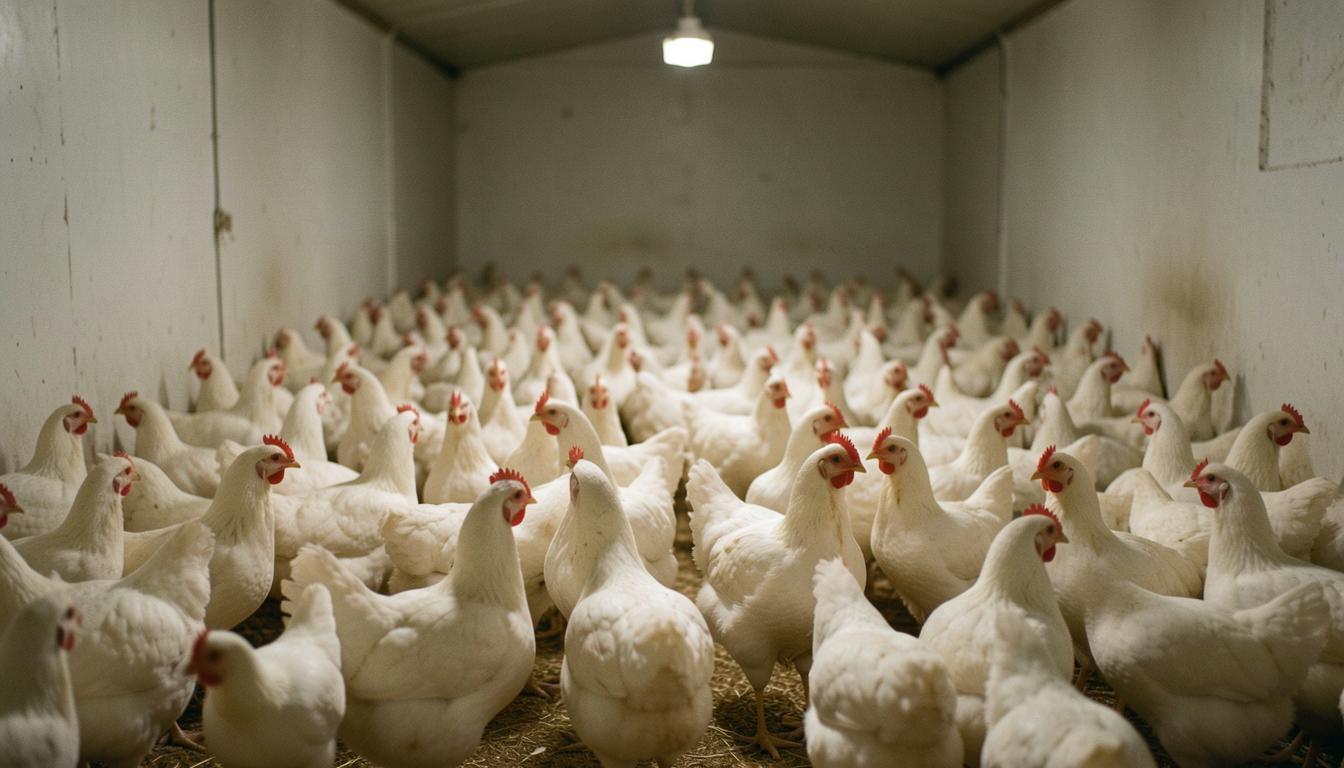
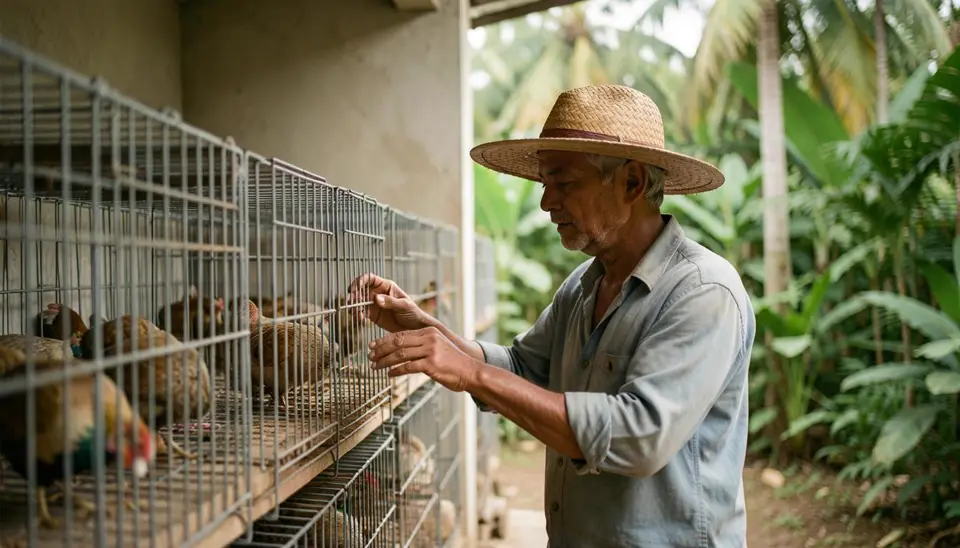
In the relentless pursuit of maximum profit, industrial farm operations often disregard the basic needs and dignity of the animals under their care. These animals are frequently viewed as mere “production units,” leading to cramped and unhygienic living conditions where their well-being is secondary to efficiency. Chickens, as an example, are frequently enough crammed into battery cages so small they can’t spread their wings, while pigs are confined in gestation crates that barely allow them to turn around. This intense focus on cost-cutting and productivity not only inflicts immense suffering but also raises questions about the moral consequences of reducing sentient beings to commodities.
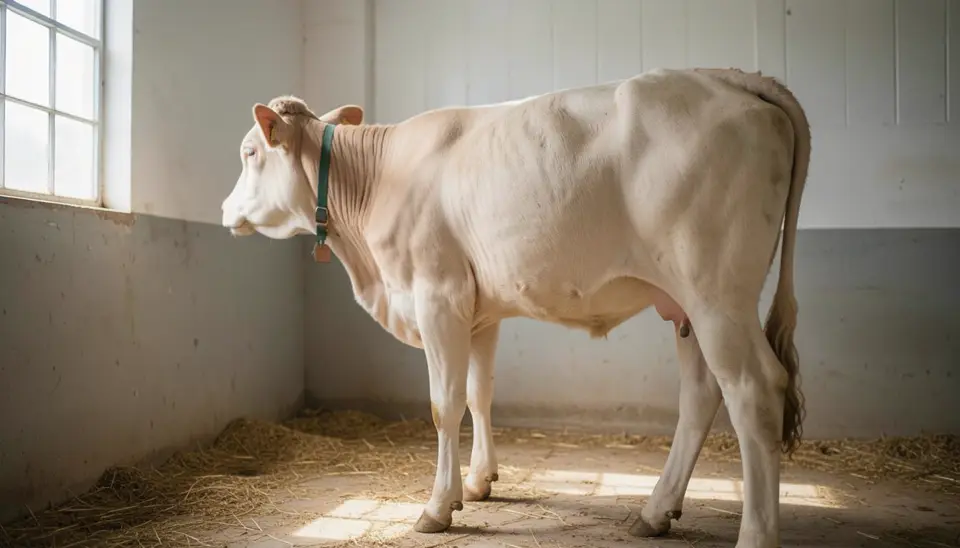
Factory farming systems are optimized for output at all costs, employing methods that often exploit animals’ biology for maximum yield. Selective breeding for traits like rapid growth or higher milk production can result in painful health issues, such as lameness in broiler chickens or mastitis in dairy cows. Even when it comes to diet, animals are frequently fed nutrient-deficient or unnatural feed designed solely to speed up their growth. Take a closer look at the contrasts between what animals need to thrive versus what is prioritized:
| Animals’ Needs | Factory Farms’ Priorities |
|---|---|
| space for natural behaviors | Minimal housing for efficiency |
| nutritious, natural diets | Low-cost, growth-enhancing feed |
| Care for physical & mental health | High production turnover |
This stark disconnect between animal welfare and profit illustrates a troubling reality—these facilities prioritize the bottom line over humane treatment, leaving millions of animals to suffer in silence.

2) Cramped Living Conditions Lead to Chronic Suffering
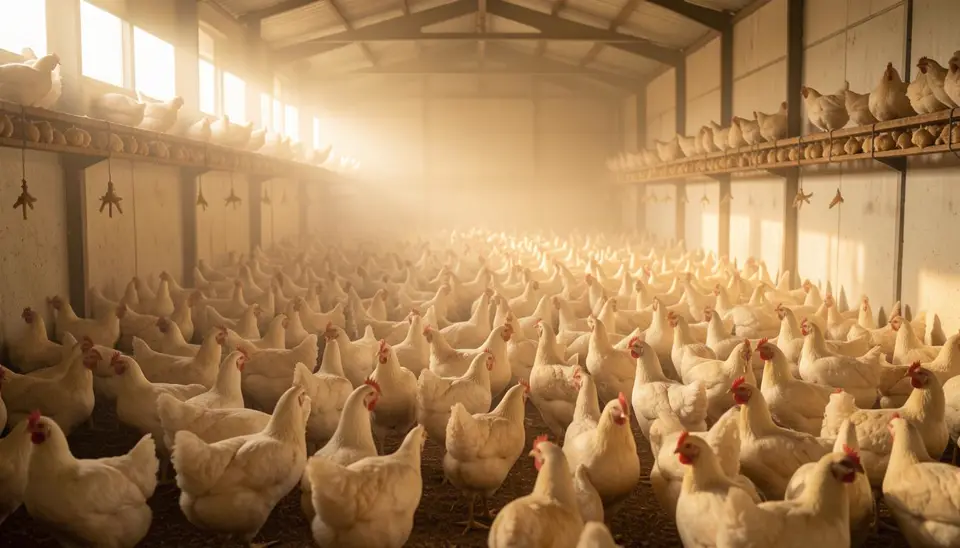
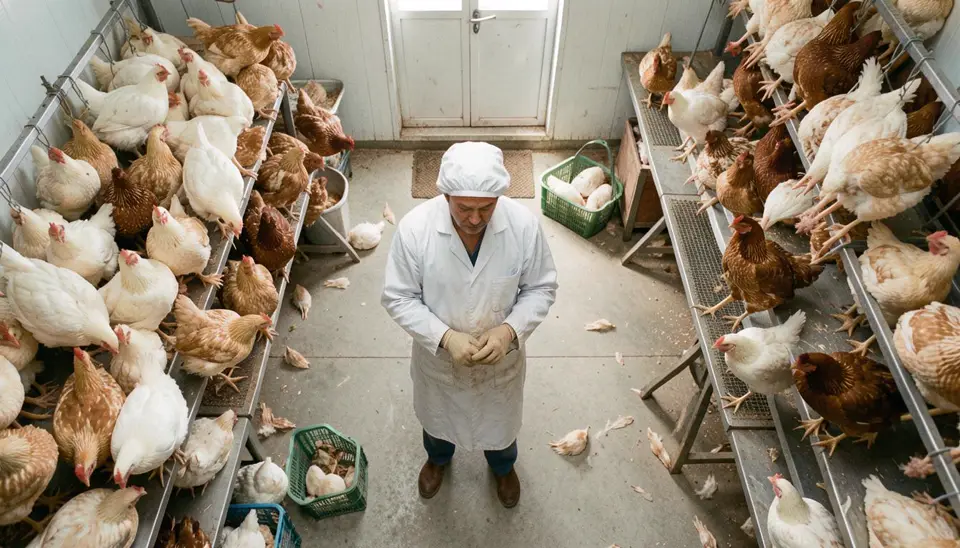
Factory farms frequently enough confine animals in spaces so tight that basic movements become nearly impossible, leading to a life of unimaginable misery. Chickens are crammed into battery cages where they cannot spread their wings, and pigs are confined to gestation crates barely larger than their own bodies. these conditions strip animals of their natural behaviors and exacerbate both physical and mental suffering. Overcrowding increases competition for resources, fosters aggression between animals, and often results in injuries that go untreated.
The consistent lack of space magnifies health issues, such as respiratory problems from ammonia-filled air and infections caused by filthy, unclean surroundings. consider the following conditions and their impact:
| Animal | Common Space Allotted | Natural Behaviour Restricted |
|---|---|---|
| Chicken | Less than 1 sq ft per bird | Stretching wings |
| Pig (Gestation Crate) | 2 ft x 7 ft | Turning around |
| Cow (Feedlot) | 14-20 sq ft | Grazing and roaming |
These environments are not only inhumane but also further the spread of diseases, creating a vicious cycle that perpetuates chronic suffering for the animals trapped within this system.

3) Routine Physical Mutilations are Standard Practice
Life for animals in factory farms begins with trauma and rarely improves. Many species endure physical mutilations performed without anesthesia, all to improve productivity and meet production quotas.for instance, baby pigs often have their tails docked to prevent aggression caused by overcrowding, while young chickens have their beaks trimmed to minimize pecking injuries—a practice that causes acute pain and leaves lasting effects. Cows, too, are subjected to branding, tail docking, and dehorning, all of wich are standard operations done without pain relief. These procedures prioritize efficiency over the well-being of the animals,emphasizing profit margins above basic ethics.
To further highlight the severity of these practices, here are a few examples of common mutilations and their purposes:
| Animal | Mutilation | Purpose |
|---|---|---|
| Pigs | Tail Docking | Reduce tail-biting caused by stress |
| Chickens | Beak Trimming | Prevent injury from overcrowded living conditions |
| cattle | Dehorning | Prevent injuries in tightly packed spaces |
While these procedures may be rationalized as “necessary,” one can’t help but question whether such justifications hold up against the ethical implications. These practices underscore a chilling indifference to the suffering endured by billions of animals annually.

4) Overuse of Antibiotics Fuels Dangerous Resistance
Factory farms have become hotbeds of antibiotic misuse. to prevent disease outbreaks in overcrowded and unsanitary conditions, animals are dosed with antibiotics routinely, even when they’re not sick. This rampant overuse of antibiotics creates the perfect recipe for breeding antibiotic-resistant bacteria, also known as “superbugs.” These dangerous pathogens can spread beyond the farms, sneaking into our food supply, waterways, and even homes. the rise of superbugs doesn’t just threaten animals—it poses a notable risk to global health,as common infections become harder to treat.
Let’s break down the alarming impact of this issue:
- Human Health Risk: Resistant bacteria from factory farms contribute to nearly 1.3 million deaths globally each year.
- Environmental Contamination: Antibiotic-laden waste from farms seeps into soil and water, creating long-lasting ecological harm.
- Diminished Effectiveness: Over time, these drugs become less effective for both humans and animals, leaving us vulnerable to untreatable infections.
| Superbug Type | Consequences |
|---|---|
| MRSA | Causes severe skin infections and pneumonia in humans. |
| E. coli (resistant strain) | Foodborne illnesses with limited treatment options. |
| Salmonella (resistant strain) | Severe gastrointestinal infections, sometimes fatal. |
Key Takeaways
As we close the chapter on these unsettling truths, it’s clear that factory farms are not simply places of production; they are ecosystems of ethical complexity, posing questions that demand reflection. While uncomfortable, awareness is the first step toward change—whether that means rethinking our choices, supporting enduring alternatives, or simply staying informed. The world is layered with hidden struggles, and while we might not have all the answers, engaging with the truth is a powerful place to start.