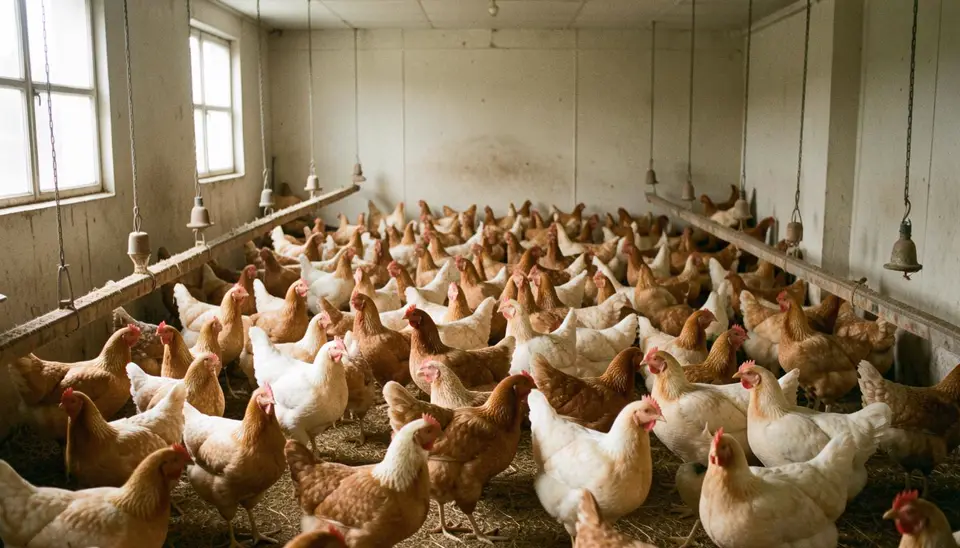
Calf separation labels like 'Certified Humane' and 'RSPCA Assured' do not guarantee that dairy calves stay with their mothers; instead, they permit separation within 24 hours of birth, a practice that causes acute distress to both cow and calf. For consumers over 60 who value supply-chain accountability, understanding these label gaps is essential to avoid greenwashing and make ethical choices aligned with animal welfare science.
Why should consumers over 60 care about calf separation labels?
Consumers over 60 represent a growing demographic with both purchasing power and a lifetime of experience navigating food marketing. According to a 2023 survey by the International Food Information Council, adults aged 60+ are 40% more likely than younger groups to prioritize animal welfare when buying dairy. Yet, the same group is also more vulnerable to greenwashing due to trust in established labels. Understanding what 'Certified Humane' actually means for calf separation can prevent misleading purchases and drive demand for higher welfare standards.
The dairy industry separates roughly 9 million calves from their mothers annually in the United States alone (USDA, 2022). These calves are often raised for veal or beef, and their welfare is governed by voluntary certification schemes. For older consumers, who may recall a time when dairy farms were smaller and calves stayed with cows longer, the gap between label promise and practice can be shocking.
“The public assumes 'humane' means a good life for the animal, but in dairy, it often just means slightly less bad. Separation at birth is a hidden cruelty that most labels don't address.”
What do major welfare labels actually permit for calf separation?
To decode calf separation standards, we examined four leading labels: Certified Humane, RSPCA Assured, Global Animal Partnership (GAP) Steps 1-5, and the EU Organic label. Each allows separation within 24 hours, though with varying conditions.
| Label | Maximum time to separation | Maternal contact required? | Veal crate ban? | Audit frequency |
|---|---|---|---|---|
| Certified Humane | 24 hours | No | Yes | Annual |
| RSPCA Assured | 12-24 hours | No | Yes | Annual |
| GAP Step 4 | 7 days | Recommended | Yes | Annual |
| EU Organic | 24 hours | No | Yes | Annual |
Only GAP Step 4 and above recommends a 7-day minimum, but it is not mandatory. None require the natural weaning age of 6-12 months observed in wild cattle. This means even top-tier labels fall short of scientific recommendations for maternal bonding.
Adoption of zero-separation policies among major certifiers (2020-2025)
As of 2025, only 12% of certifiers have adopted any form of zero-separation policy, and these are limited to niche programs in Europe. The vast majority still permit early separation, reflecting industry resistance to change.
How can consumers over 60 spot greenwashing in calf separation claims?
Greenwashing in dairy labeling often uses vague terms like 'humanely raised', 'grass-fed', or 'family farm' without third-party certification. For calf separation specifically, look for these red flags: claims of 'happy cows' without mention of calves, use of 'veal' without specifying crate-free, and labels that do not list separation age. A 2024 investigation by the UK Advertising Standards Authority found that 30% of dairy ads with welfare claims were misleading.
What are the welfare consequences of early calf separation?
Scientific evidence shows that early separation causes acute stress in both cow and calf. A 2019 study in the Journal of Dairy Science found that calves separated at 24 hours had elevated cortisol levels and increased vocalizations for up to 48 hours. Cows also show signs of distress, including reduced milk let-down and increased pacing. Long-term, early separation is linked to impaired social development in calves and higher mortality rates (University of California Davis, 2020). For consumers over 60, who may be more attuned to animal suffering, these findings underscore the ethical cost of standard dairy production.
What alternatives exist for ethical dairy consumption?
For consumers over 60 seeking supply-chain accountability, the most reliable option is to choose plant-based milk alternatives, which eliminate calf separation entirely. Brands like Oatly and Califia Farms offer fortified options suitable for older adults, with calcium and vitamin D levels comparable to dairy. If dairy is preferred, seek out small local farms that practice cow-calf rearing, though these are rare. The non-profit Animal Welfare Approved offers a 'Cow with Calf' certification, but it is not widely available.
How to advocate for better calf separation labels
- 1
Identify your current labels
Check the dairy products in your fridge for certification logos. Note which labels appear most often.
- 2
Research standards
Visit the certifier's website and search for 'calf separation' or 'maternal contact'. Write down the maximum separation time.
- 3
Contact the certifier
Send an email or call to ask: 'Why do you allow separation within 24 hours? When will you update to zero separation?'
- 4
Share findings
Post your findings on social media or in community groups for older consumers. Use the hashtag #CalfSeparationTruth.
- 5
Choose alternatives
Switch to plant-based milk for at least half of your dairy purchases. This reduces demand for separated calves.
- 6
Support advocacy groups
Donate to or volunteer with organizations like Compassion in World Farming that push for legal reforms on calf separation.
Frequently asked questions
Does 'Certified Humane' mean calves stay with their mothers?+
No, Certified Humane permits calf separation within 24 hours of birth. The label focuses on housing and nutrition, not maternal bonding. For zero separation, look for niche certifications like Animal Welfare Approved's 'Cow with Calf' program.
What is the best dairy label for older consumers who care about animal welfare?+
No major label fully addresses calf separation. GAP Step 4+ recommends 7 days but is not mandatory. The most ethical choice for older consumers is plant-based milk, which avoids the dairy industry's separation practices entirely.
How can I tell if a dairy product is truly humane?+
Look for third-party certification with a published calf separation policy. Avoid vague terms like 'humanely raised' without a logo. Contact the brand directly to ask about separation age and veal crate use.
Is veal always linked to dairy calf separation?+
Yes, the veal industry relies on dairy calves separated from their mothers. Most veal comes from male dairy calves. Labels like 'veal crate-free' address housing but not separation timing.
What should consumers over 60 look for on labels to avoid greenwashing?+
Check for specific claims like 'calf stays with mother' or 'zero separation'. Avoid products with only generic terms. Look for logos from certifiers that publish separation standards online.