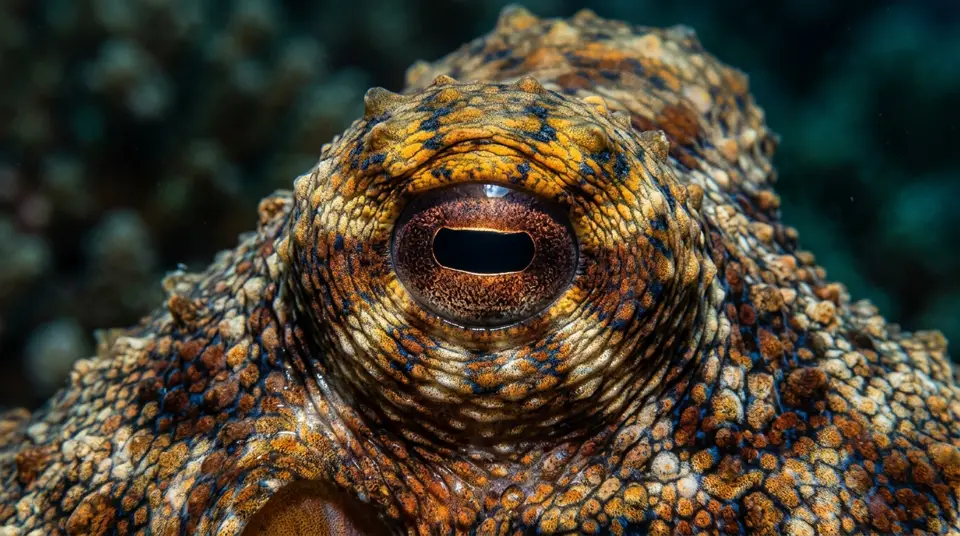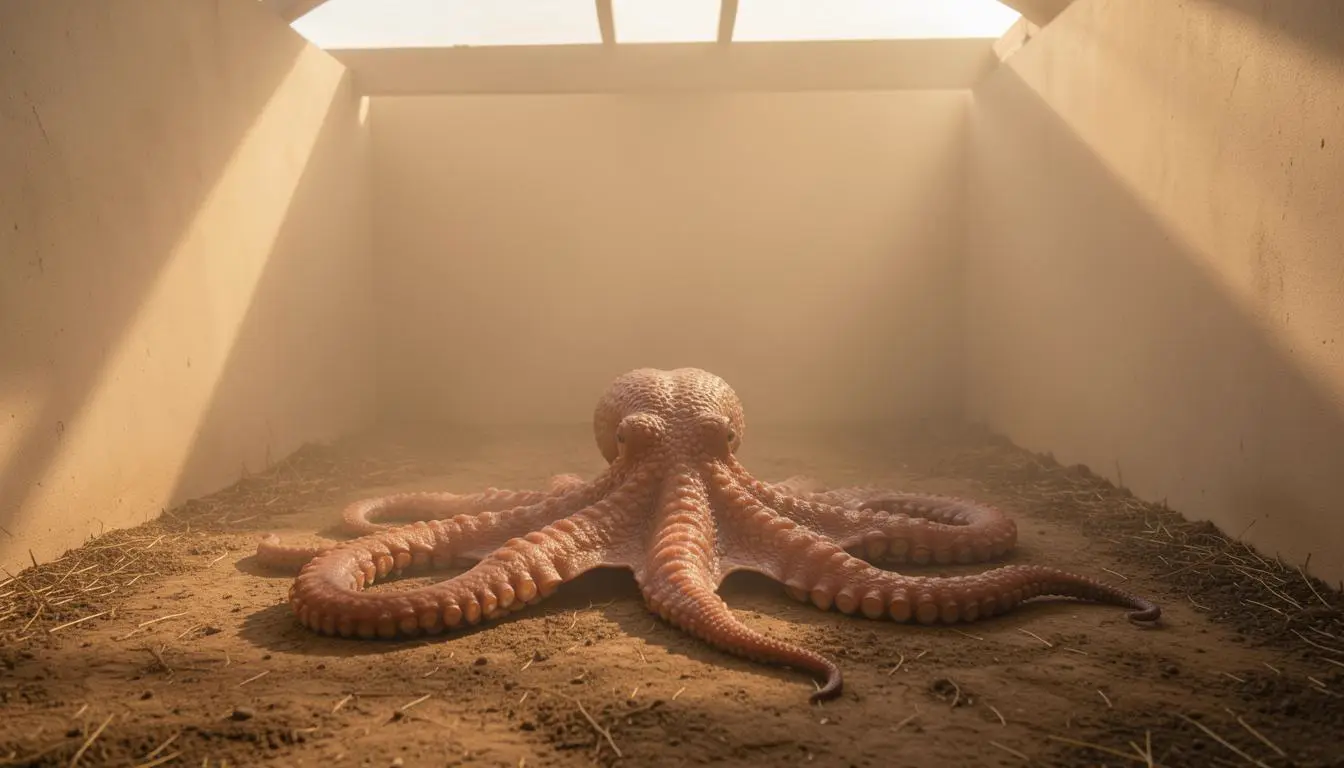
The recognition of octopus sentience is reshaping the aquaculture industry, with profound implications for small farmers. As science confirms these intelligent marine creatures' ability to feel pain and suffer, the farming landscape is evolving, presenting both challenges and opportunities.
The timeline of octopus sentience recognition
Scientific understanding of octopus sentience has grown significantly over the past decade. In 2012, the first major study demonstrating octopuses' ability to feel pain was published in the journal 'Animal Behaviour'.
“Octopuses are remarkable animals... the idea that we could just amputate a limb without pain wouldn't make sense if you were doing the same to a dog or a cat... so why is it okay for octopuses? - Jennifer Mather, Biologist”
Implications for small farmers: Challenges and opportunities
The recognition of octopus sentience poses both challenges and opportunities for small-scale farmers. On one hand, some farmers may face regulations aimed at improving animal welfare, which could increase costs. On the other hand, consumers are increasingly seeking out humane, sustainable seafood options, presenting a market opportunity.
| Farming Practice | Impact on Octopus Welfare | Ease of Adoption for Small Farmers |
|---|---|---|
| Intensive farming (high stocking density) | Negative | Difficult |
| Semi-intensive farming (moderate stocking density) | Moderate | Moderate |
| Extensive farming (low stocking density) | Positive | Easy |
Octopus welfare ratings for different farming practices
Adapting to the new landscape: Strategies for small farmers
Small farmers can adapt to the recognition of octopus sentience by adopting humane farming practices and diversifying their operations. This could involve transitioning to more extensive farming methods, investing in welfare-enhancing technologies, or exploring alternative protein sources.
Steps to adapt to the recognition of octopus sentience
- 1
Educate yourself
Stay informed about the latest science and regulations related to octopus sentience.
- 2
Assess your current practices
Evaluate your farming methods in light of the growing understanding of octopus sentience.
- 3
Transition to humane farming practices
Consider transitioning to more extensive farming methods or investing in welfare-enhancing technologies.
- 4
Diversify your operations
Explore alternative protein sources or additional revenue streams to mitigate risk.
Frequently asked questions
What are the most significant changes small farmers can make to improve octopus welfare?+
Transitioning to more extensive farming methods, providing enrichment, and ensuring proper feeding and husbandry practices can significantly improve octopus welfare.
What alternative protein sources could small farmers explore?+
Plant-based proteins, insect-based proteins, and cell-cultured seafood are among the alternative protein sources that small farmers could explore.
How can small farmers stay informed about the latest developments in octopus sentience recognition?+
Following scientific journals, attending industry conferences, and joining farming cooperatives can help small farmers stay informed.