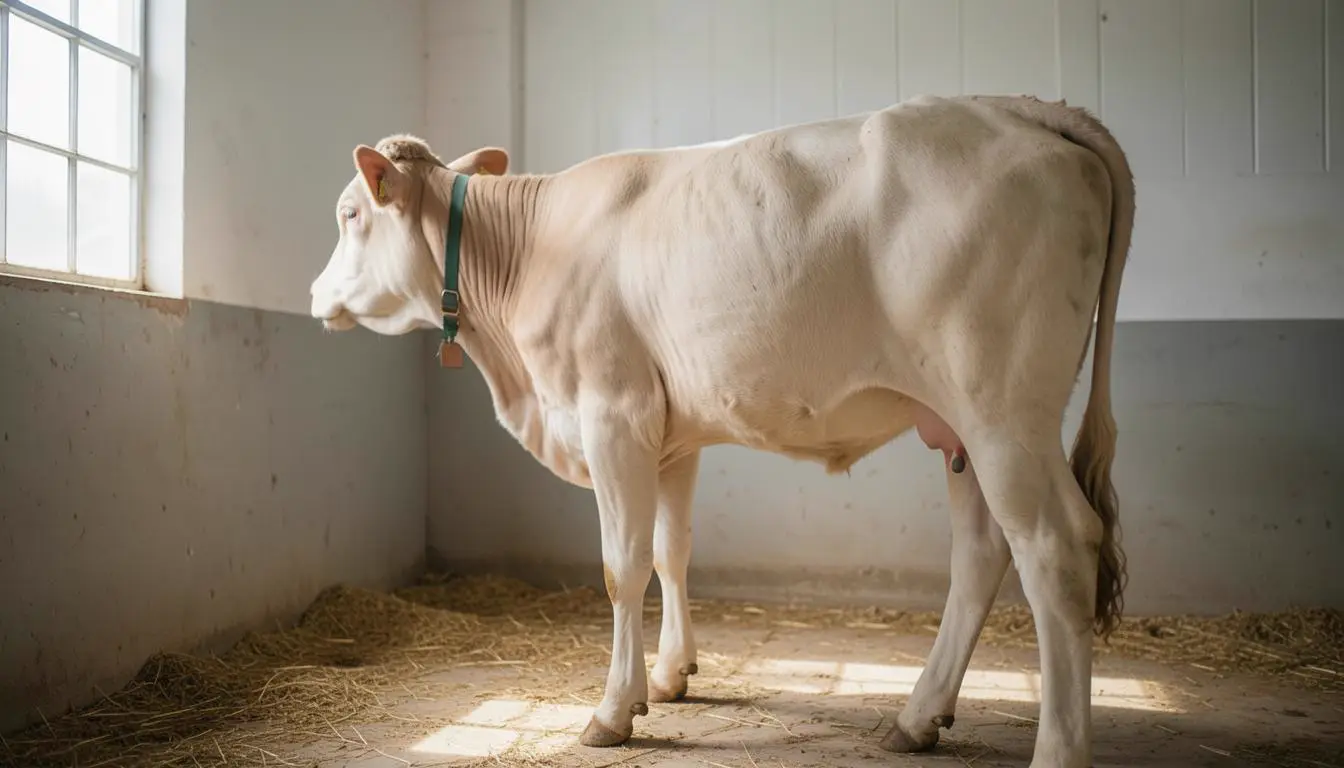
Tail docking, the practice of surgically removing part of a calf's tail without anesthesia, is a contentious issue in animal welfare. Despite widespread opposition, it persists due to industry lobbyists and influential trade groups. Let's trace the supply chain of tail-docked meat, following the trail of lobbying and public relations efforts that keep this practice alive.
Source region: Factory farms
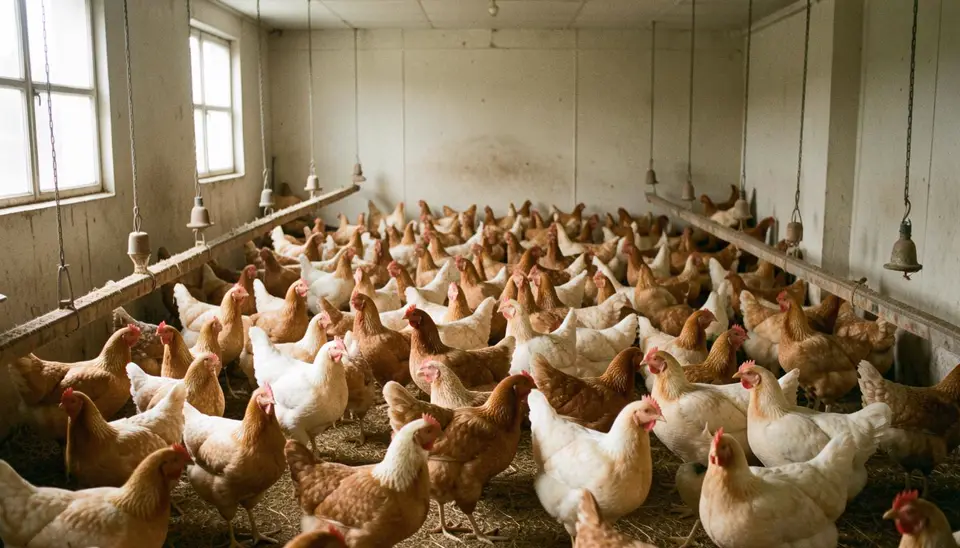
The story begins on factory farms, where calves are born into a world designed for efficiency, not welfare. Tail docking starts here, often justified by preventative measures against certain diseases. However, the practice's prevalence can be attributed to industry pressures and lobbyist influence.
Intermediaries: Checkoffs, trade groups, and PR firms
Between the farm and your plate, powerful intermediaries shape the tail docking narrative. Checkoff programs, mandatory assessments on livestock sales, fund trade groups and promotion efforts. The National Cattlemen's Beef Association (NCBA) and the American Feed Industry Association (AFIA) are prominent advocates for tail docking, spending millions on lobbying and public relations each year.
“The NCBA's position on tail docking is clear: 'Tail docking is a common and generally accepted practice in the beef cattle industry.'”
| Organization | Total Expenditure (2020-2022) |
|---|---|
| National Cattlemen's Beef Association | $14,580,000 |
| American Feed Industry Association | $4,950,000 |
PR firms also play a crucial role, crafting messaging that defends industry practices. Ketchum, a global PR agency, has worked with the NCBA to promote beef and manage crises. Their messaging often focuses on 'sustainability' and 'animal care,' downplaying controversial practices like tail docking.
Processors and retailers: Passing the buck
Processors and retailers, responsible for bringing meat to consumers, often cite industry standards and consumer demand as reasons for continuing to offer tail-docked meat. However, some retailers have made commitments to phase out tail-docked products, responding to consumer pressure and activist campaigns.
“We're committed to working with our suppliers to phase out tail docking from our supply chain by 2025.”
Consumer awareness: Driving change
Consumer awareness is crucial for driving industry change. Campaigns like 'Check the Label' encourage shoppers to look for the 'No Routine Tail Docking' claim on packaging, while undercover investigations expose the reality of factory farms. As consumers demand welfare-friendly products, retailers and processors will face increasing pressure to source from higher-welfare farms.
Percentage of consumers concerned about animal welfare in meat production
Frequently asked questions
Is tail docking painful for calves?+
Yes, tail docking is painful for calves, as it is typically performed without anesthesia.
Are there alternatives to tail docking?+
Yes, alternatives include improved husbandry practices and genetic selection for tail length.
How can consumers make a difference?+
Consumers can check labels, support higher-welfare brands, and engage with retailers to demand change.