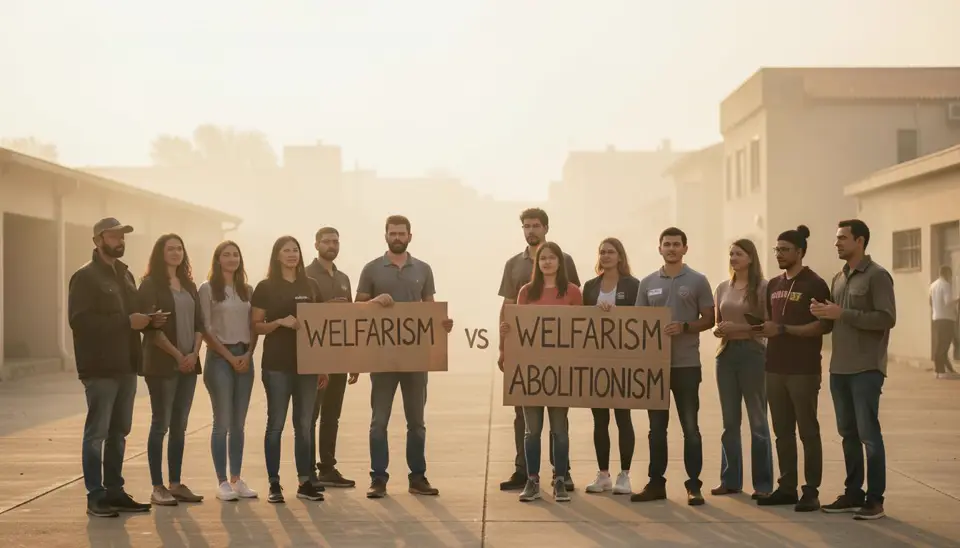
Wool mulesing, a controversial practice in the sheep farming industry, is under scrutiny for its potential zoonotic disease risk. Teen activists worldwide are leading a movement to promote ethical wool production, pushing for alternatives to this painful and unsanitary procedure.
“As climate-conscious youth, we understand that every industry must evolve to respect animals and the environment. Wool production is no exception.”
Wool mulesing was introduced in the 1930s to protect sheep from flystrike, a parasitic infestation that can cause severe suffering and death. However, the procedure itself causes significant pain and stress, and the wounds created can lead to infection and increased risk of zoonotic disease transmission.
| Disease | Transmission Route | Prevalence (Global) |
|---|---|---|
| Q fever | Bacteria from contaminated wool and sheep urine/feces | 20-30% of sheep farms worldwide |
| Brucellosis | Bacteria from contaminated wool and milk | 16.5 million cases annually worldwide |
Teen activists worldwide are pushing for alternatives to wool mulesing, including genetic flystrike resistance, improved animal husbandry, and organic farming practices that prioritize animal welfare and environmental sustainability.
The 'Ethical Wool' movement: youth-led and global
Inspired by youth-led climate movements like Fridays for Future and School Strike for Climate, teens are organizing globally to demand ethical wool production. From Australia to the UK, they are pressuring retailers to adopt responsible sourcing policies and consumers to choose ethical wool products.
Growth of teen activism against wool mulesing (2020-2024)
How to support the 'Ethical Wool' movement
How to support ethical wool production
- 1
Step 1
Educate yourself about wool mulesing and its impacts on animal welfare and human health.
- 2
Step 2
Choose ethical wool products, certified by organizations like the Responsible Wool Standard or the Global Organic Textile Standard.
- 3
Step 3
Pressure retailers to adopt responsible sourcing policies and transparent labeling.
- 4
Step 4
Support teen activists and organizations advocating for ethical wool production.
- 5
Step 5
Spread awareness about wool mulesing and the importance of ethical wool consumption.
Frequently asked questions
What are the benefits of choosing ethical wool?+
Ethical wool supports better animal welfare, reduces the risk of zoonotic disease transmission, and promotes sustainable farming practices.
How can I identify ethical wool products?+
Look for certifications such as the Responsible Wool Standard or the Global Organic Textile Standard on product labels.
What can I do if my favorite wool retailer doesn't offer ethical options?+
Reach out to the retailer, express your concerns, and encourage them to adopt responsible sourcing policies. You can also support alternative, ethical brands.
How can I get involved in the 'Ethical Wool' movement?+
Join local teen activists, attend protests, sign petitions, and spread awareness on social media.