
Humane Foundation
▾
Topic hub · Climate & Planet

Food & Climate Change

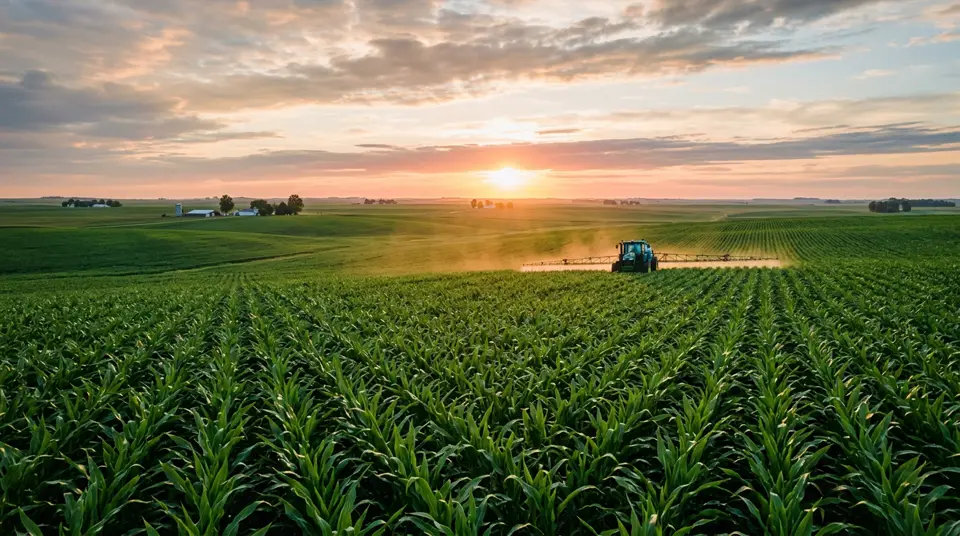
Food systems account for roughly a quarter to a third of global greenhouse gas emissions, and animal products dominate that share. This hub covers footprints by food, methane, and dietary-shift modelling.

Stories
20
Writers
16
Reading time
114m
Desks
2
Aerial view of palm oil plantation in Southeast Asia showing climate impact of palm oil in vegan foods
Featured Stories

Fact-check: Palm oil in vegan foods is worse for the climate than dairy butter — corporate-accountability scorecard 2025

A rigorous fact-check of the claim that palm oil in vegan foods has a higher climate impact than dairy butter, using a corporate-accountability scorecard to assess brand transparency.

By Anya Sharma · 6 min read

Stories in this hub

Related Reading

Frequently asked questions

What is the most effective dietary change for the climate?
Reducing beef and dairy delivers the largest single reduction for most households, because ruminant production is the most emissions-intensive food category.
How much of global emissions come from food?
Estimates cluster between 25% and 34% of total anthropogenic greenhouse gas emissions, including land-use change.

Related hubs

Read across the whole subject

Compare explainers, investigations and practical guidance within this hub. A shared topic does not mean every result is interchangeable: check the species, country, date and methods behind each claim.

Reference sources

Egrets in a coastal wetland.

Weekly newsletter

Long-form ideas, delivered each Sunday.

One dispatch per week. The most substantial pieces from across every desk. Free.