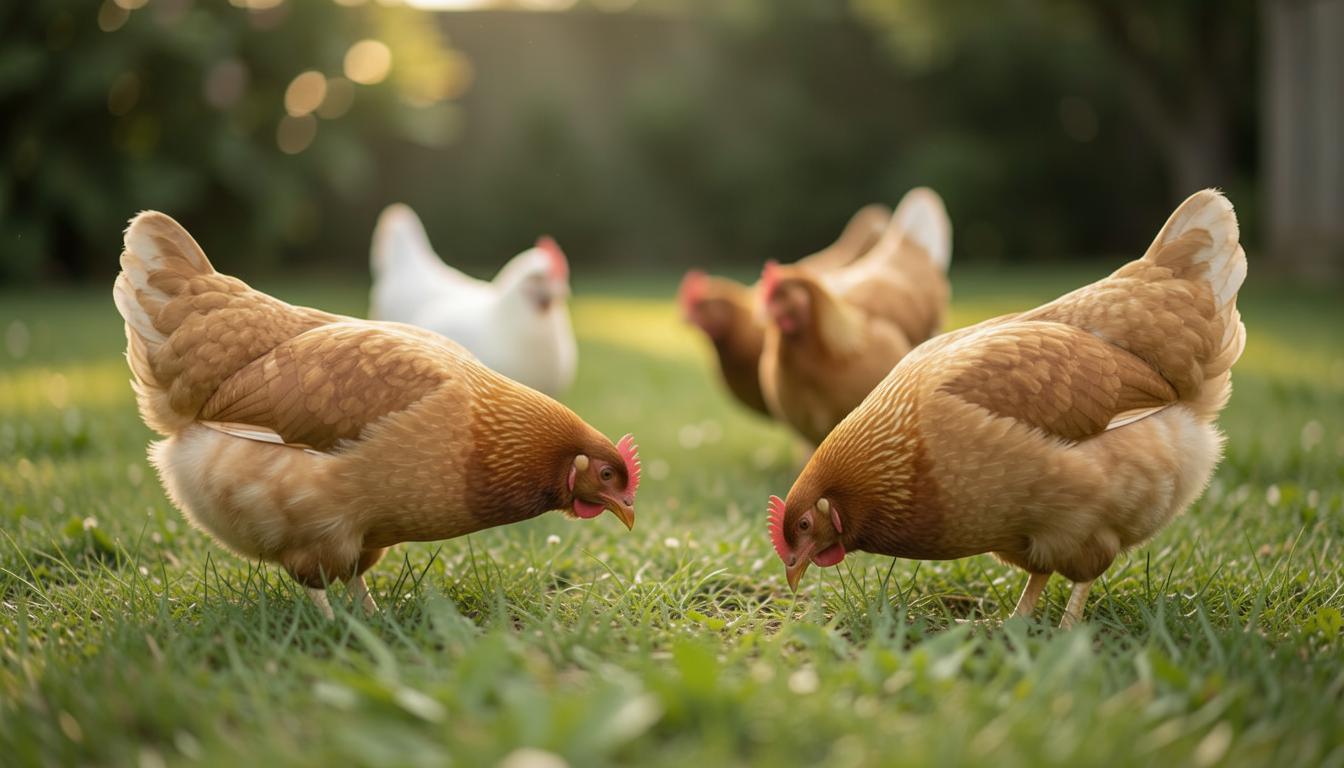
For climate-conscious consumers aiming to align their purchasing power with ethical values, understanding the lifecycle of 'spent hens' is paramount. These laying hens, no longer deemed productive by the egg industry, often face dire conditions and an environmentally impactful end-of-life process. Making informed choices about eggs and poultry products can significantly reduce hidden cruelty and lessen your ecological footprint.
What Happens to Laying Hens After Peak Production?
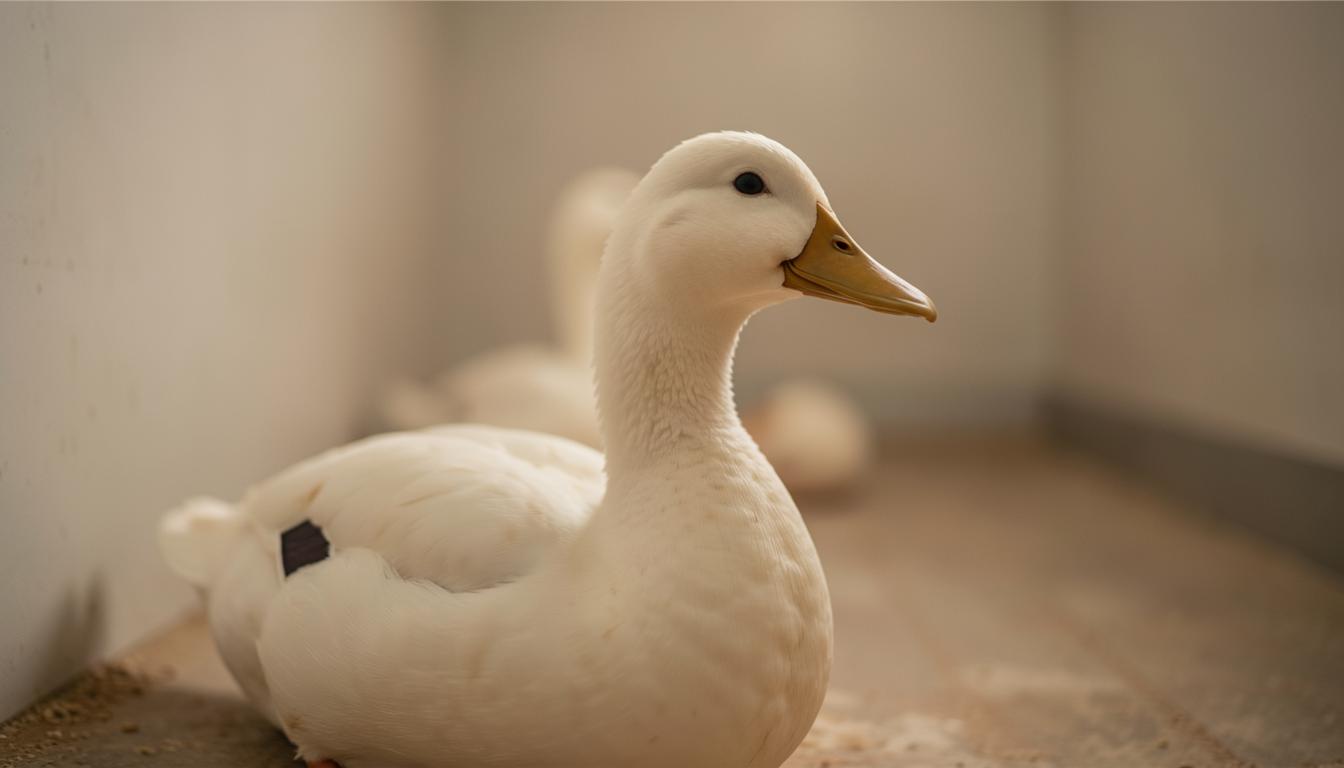
After approximately one year of intense egg-laying, the productivity of hens in commercial egg operations begins to decline. At this point, around 18 to 24 months of age, these 'spent hens' are no longer considered economically viable by the industry (European Food Safety Authority, 2012). The vast majority are then sent to slaughter.
Their meat is often lower quality due to age and reduced muscle mass, typically used in processed foods like soups, pet food, or mechanically separated meat products. The journey to slaughter can be highly stressful, involving crowded transport and inhumane handling, compounding the poor welfare conditions many have experienced throughout their lives (Compassion in World Farming, 2020).

How Does 'Spent Hen' Disposal Impact the Climate?
The entire lifecycle of industrial egg production, including the disposal of spent hens, contributes significantly to climate change. The associated emissions stem from feed production, manure management, energy consumption in housing, and transportation. When hens are culled, the resources invested in their rearing are effectively 'lost' from a productivity standpoint, yet the environmental debt remains.
Globally, poultry (including laying hens and broilers) accounts for a substantial portion of livestock emissions. For instance, a 2013 FAO report estimated poultry to be responsible for 6% of direct greenhouse gas emissions from livestock. While lower than ruminants, the sheer volume of birds in industrial systems means a considerable aggregate impact (FAO, 2013). This includes methane from manure and nitrous oxide from fertiliser used for feed crops.
| Protein Source | GHG Emissions (kg CO2-eq) | Land Use (m²) | Water Use (litres) |
|---|---|---|---|
| Eggs (Industrial) | 4.5 | 15.3 | 3,300 |
| Tofu | 1.0 | 2.0 | 2,500 |
| Lentils | 0.9 | 1.6 | 1,250 |
| Beans | 0.8 | 1.8 | 1,500 |
| Chicken (Broiler) | 6.0 | 20.0 | 4,300 |
“The environmental footprint of animal agriculture extends far beyond the farm gate, encompassing deforestation for feed, energy for processing, and the inherent inefficiencies of converting plant protein into animal protein. Each 'spent hen' represents not just a life cut short, but a significant portion of natural resources consumed.”
What Ethical Considerations Surround Spent Hens?
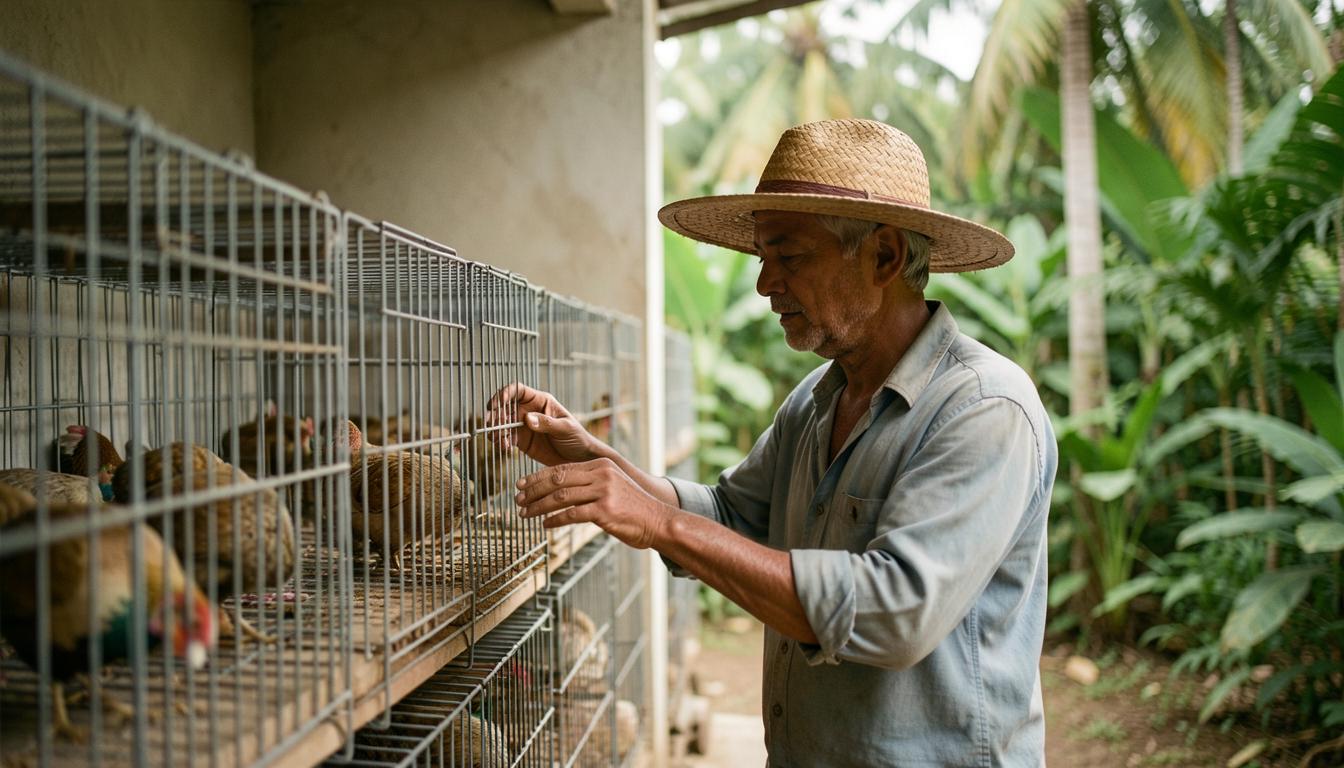
The ethical concerns for spent hens are deeply intertwined with the broader issues of industrial animal agriculture. Many hens live their entire productive lives in cramped battery cages, though these are phased out in some regions like the EU and several US states (HSUS, 2023). Even in cage-free systems, issues like high stocking densities, lack of outdoor access, and painful procedures like beak trimming persist (Farm Animal Welfare Council, 2015).
When their laying declines, their removal from the flock and transport to slaughter can exacerbate existing welfare challenges. Many hens suffer from osteoporosis, feather loss, and injuries due to prolonged laying and crowded conditions (Universities Federation for Animal Welfare, 2016). The ethical imperative is to reduce demand for products from systems that treat sentient beings as mere production units, discarding them when their utility ends.
Public Concern for Farm Animal Welfare (EU, 2023)
The Spent Hens Checklist: Making Climate-Conscious Choices
Navigating the complexities of ethical and climate-friendly food choices can be daunting. This checklist provides actionable steps for climate-conscious consumers to reduce their contribution to the hidden cruelty of the spent hen industry and its environmental footprint. Each step helps you make more informed decisions at the grocery store and beyond.
How to Make Ethical & Climate-Conscious Egg/Poultry Choices
- 1
Prioritise Plant-Based Alternatives
DONE/NOT DONE: Explore egg substitutes like tofu scrambles, chickpea flour, or commercial vegan egg products for cooking and baking. This is the most impactful step for both animal welfare and climate.
- 2
Verify Egg Certifications
DONE/NOT DONE: Look for third-party certifications like 'Certified Humane', 'Pasture-Raised', or 'Organic' from reputable organisations. Research what each label genuinely guarantees beyond basic welfare standards.
- 3
Question 'Cage-Free' Claims
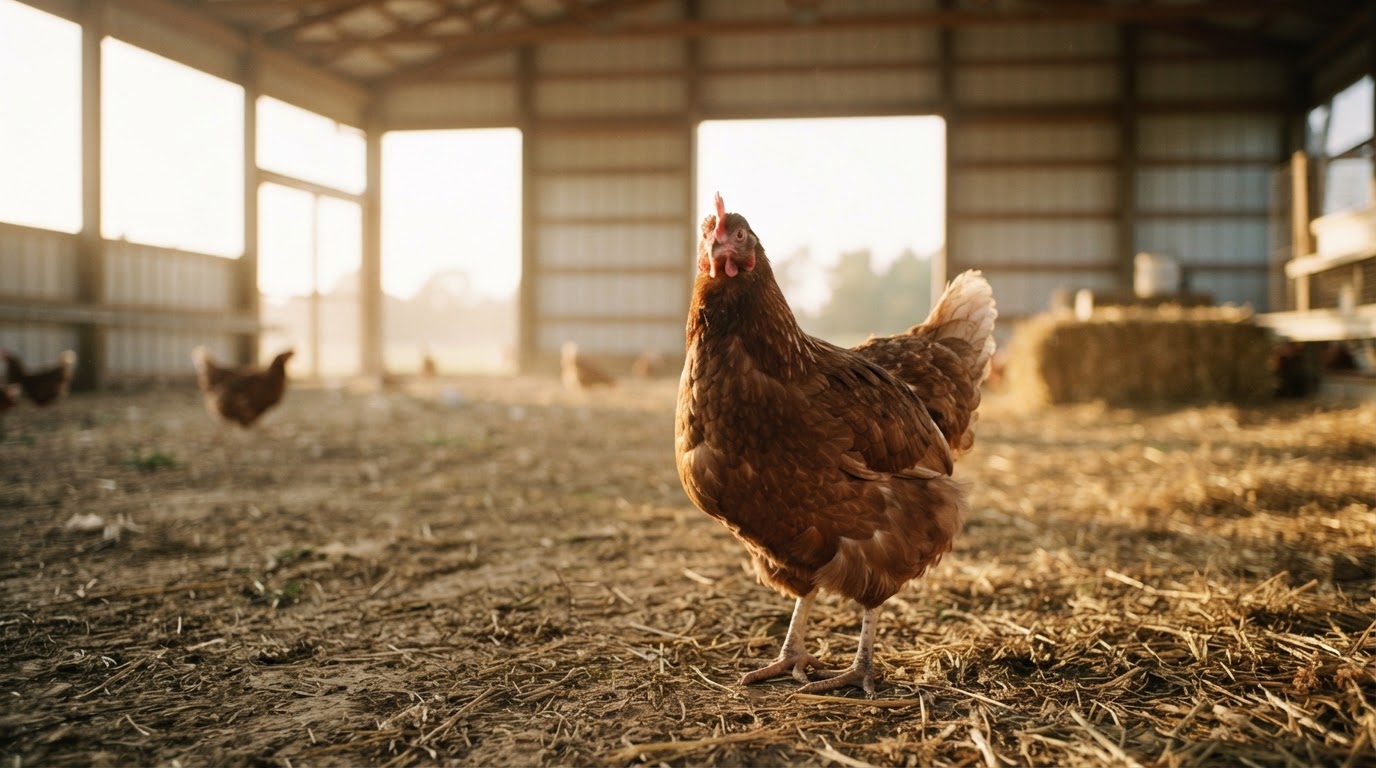
DONE/NOT DONE: Understand that 'cage-free' doesn't necessarily mean outdoor access or good welfare. Hens may still be in crowded barns. Opt for 'free-range' or 'pasture-raised' if possible.
- 4
Support Local, Small-Scale Farms
DONE/NOT DONE: Purchase eggs or poultry directly from local farms where you can ask about animal welfare practices and see the conditions for yourself. This reduces transport emissions too.
- 5
Reduce Overall Consumption
DONE/NOT DONE: Even with higher welfare products, reducing your overall consumption of eggs and poultry lessens demand on the system and lowers your environmental impact. Consider them occasional treats.
- 6
Advocate for Policy Change
DONE/NOT DONE: Support organisations working to improve farm animal welfare legislation and promote transparency in food labelling. Your voice can drive systemic change for spent hens.
Frequently Asked Questions
Are 'cage-free' eggs truly ethical?+
While 'cage-free' means hens are not confined to battery cages, it doesn't guarantee outdoor access or adequate space. These hens often live in crowded indoor facilities with poor air quality and limited enrichment. For truly ethical choices, look for 'pasture-raised' or reputable organic certifications.
What is the environmental impact of industrial egg production?+
Industrial egg production contributes to greenhouse gas emissions through feed cultivation (fertiliser, land use change), methane and nitrous oxide from manure, and energy use for housing and processing. It also requires significant water and land resources, impacting biodiversity and local ecosystems. Plant-based alternatives generally have a much lower environmental footprint.
Can spent hens be rehomed?+
Yes, some organisations and individuals rescue spent hens from commercial farms, rehoming them as backyard pets. These hens often require significant care due to past health issues, but can live fulfilling lives for several more years. Rehoming offers a compassionate alternative to slaughter for a small percentage of birds.
How can I tell if my eggs are from higher-welfare systems?+
Look for specific, verifiable labels such as 'Certified Humane', 'Animal Welfare Approved', 'Global Animal Partnership (GAP) certified', or 'Organic' (which includes specific welfare standards in many regions). Research the standards behind each label, as they vary. Direct purchases from transparent local farms are also a good option.