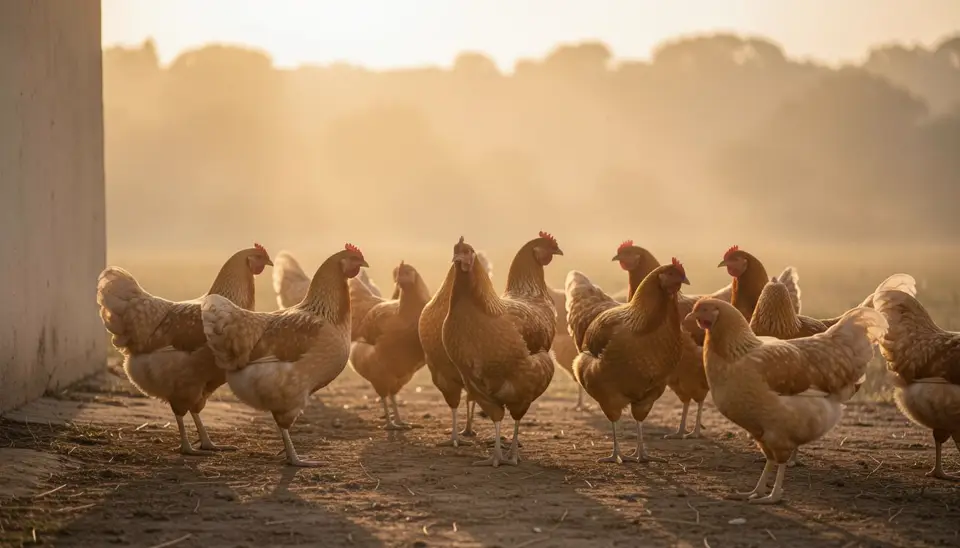
The Environmental Impact of Factory Farming: A Science-Backed Guide
Emissions, water pollution, land use and deforestation — what the peer-reviewed evidence says about industrial animal agriculture, and what actually reduces the damage.
5 min read
Food systems account for roughly a quarter to a third of global greenhouse gas emissions, and animal products dominate that share. This hub covers footprints by food, methane, and dietary-shift modelling.
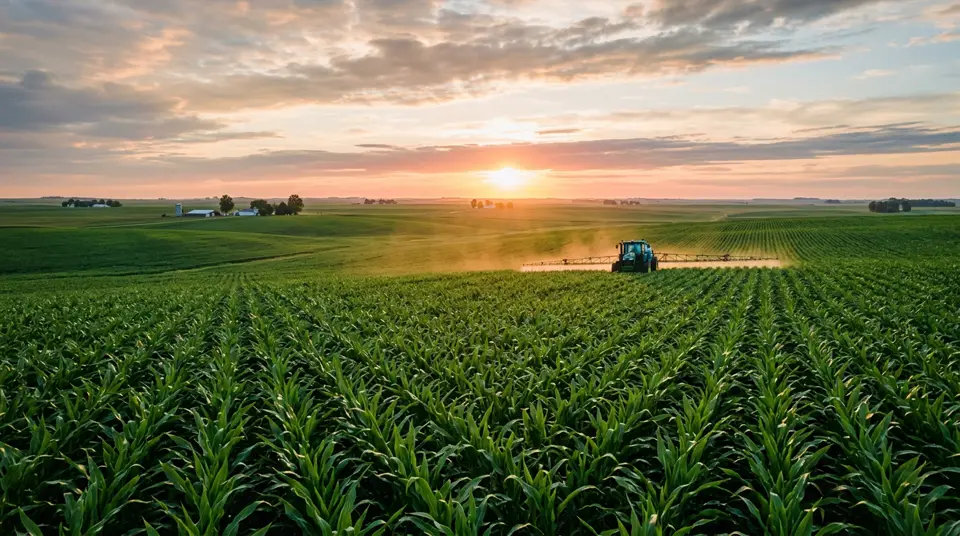
Synthetic nitrogen fertiliser underpins the global food supply, but its production and use release a powerful greenhouse gas, forcing an urgent search for less destructive ways to feed humanity.
By Isabelle Moreau · 9 min read
Emissions, water pollution, land use and deforestation — what the peer-reviewed evidence says about industrial animal agriculture, and what actually reduces the damage.
5 min read

This 30-day plan delivers practical zero waste tips for beginners, starting with food waste and fast fashion, and shows how eating plant-based cuts your trash and your carbon footprint.
8 min read
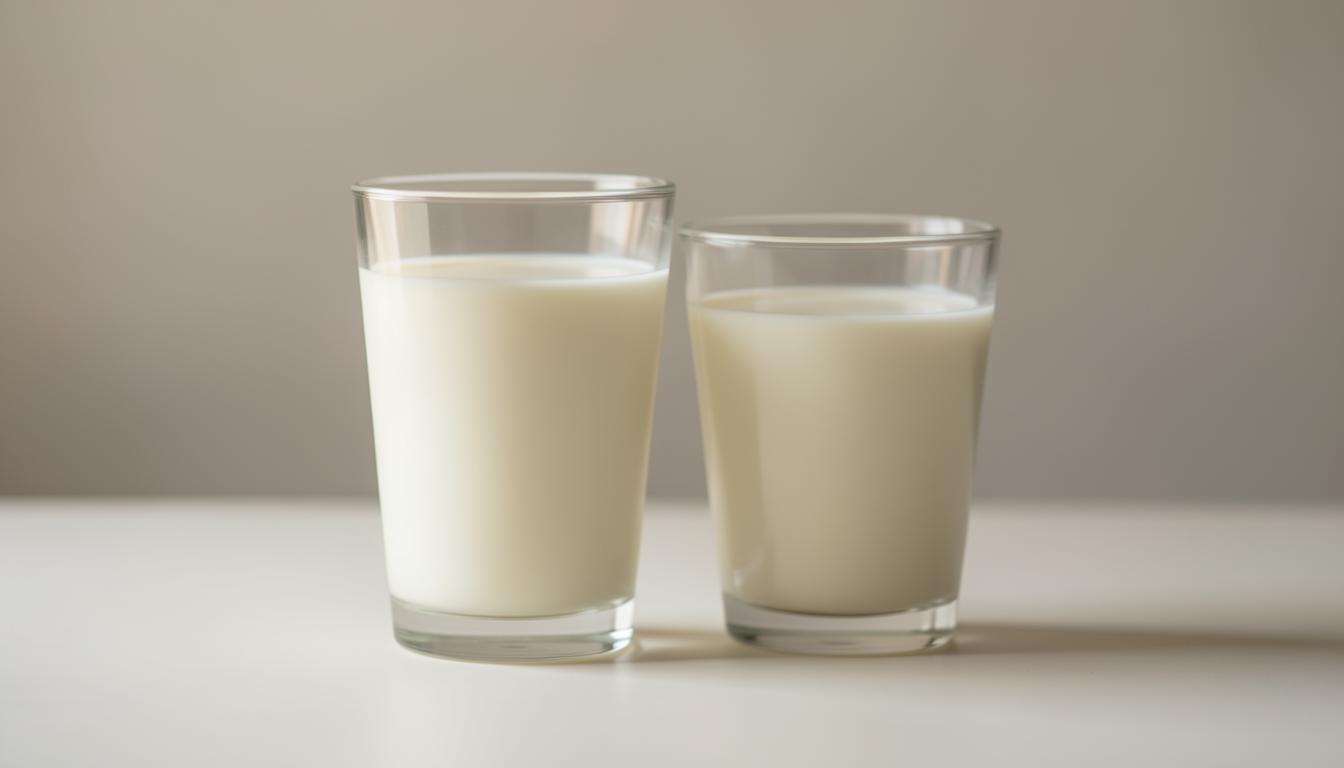
Milk supplies calcium, but it is not essential for strong bones and drinking more does not guarantee fewer fractures. A well-planned diet, adequate vitamin D, physical activity and fall prevention all matter; calcium-fortified plant foods can help meet needs without dairy.
8 min read
Compare explainers, investigations and practical guidance within this hub. A shared topic does not mean every result is interchangeable: check the species, country, date and methods behind each claim.