Precision fermentation, a climate-friendly alternative to traditional dairy, is gaining traction in island nations grappling with climate change. But is this ethical? Let's examine the arguments for and against, and weigh the verdict.
Reducing carbon footprint: argument for precision fermentation
The primary argument for precision fermentation is its potential to significantly reduce greenhouse gas emissions. A study by the Good Food Institute (2021) found that precision fermented dairy can emit 40-80% less greenhouse gases than traditional dairy. This is particularly relevant for island nations, many of which are already feeling the impacts of climate change.

| Production method | Emissions (kg CO2 eq/kg protein) |
|---|---|
| Traditional dairy | 9.5 |
| Precision fermentation | 2-5 |
Cultural relevance and animal welfare: arguments against
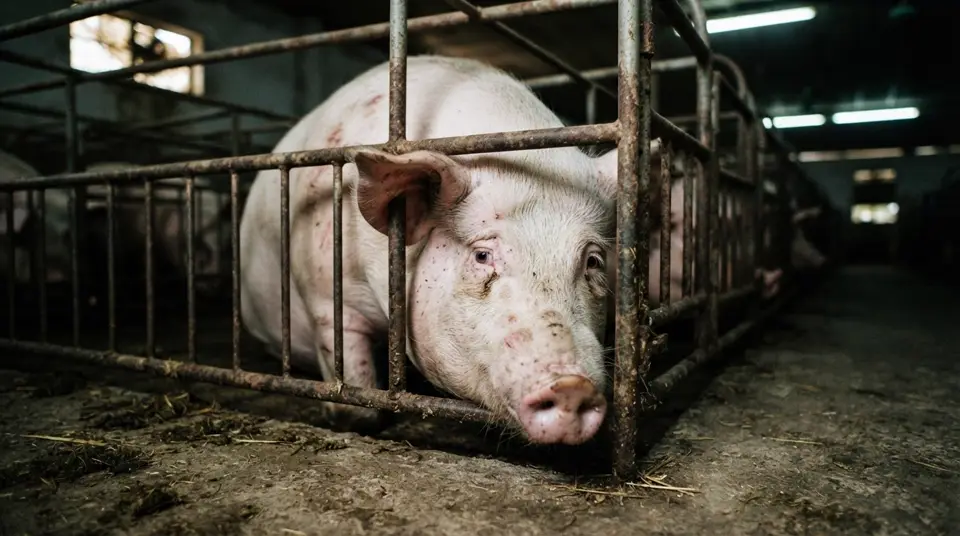
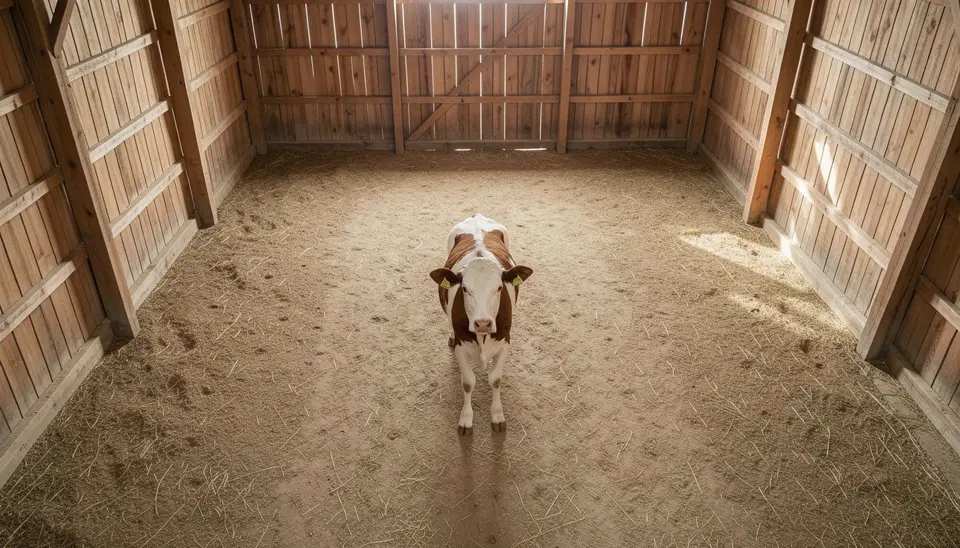
Precision fermentation raises questions about cultural relevance and animal welfare. Traditional dairy plays a significant role in the culture and economy of many island nations. Shifting to precision fermentation could lead to job losses and cultural disruptions. Moreover, while precision fermentation doesn't involve animal suffering, it does raise questions about the role of animals in our food system.
“Cultural disruption is a real concern. We need to ensure that any shift to precision fermentation is done in a way that's sensitive to local needs and contexts.”
Food security and economic impacts
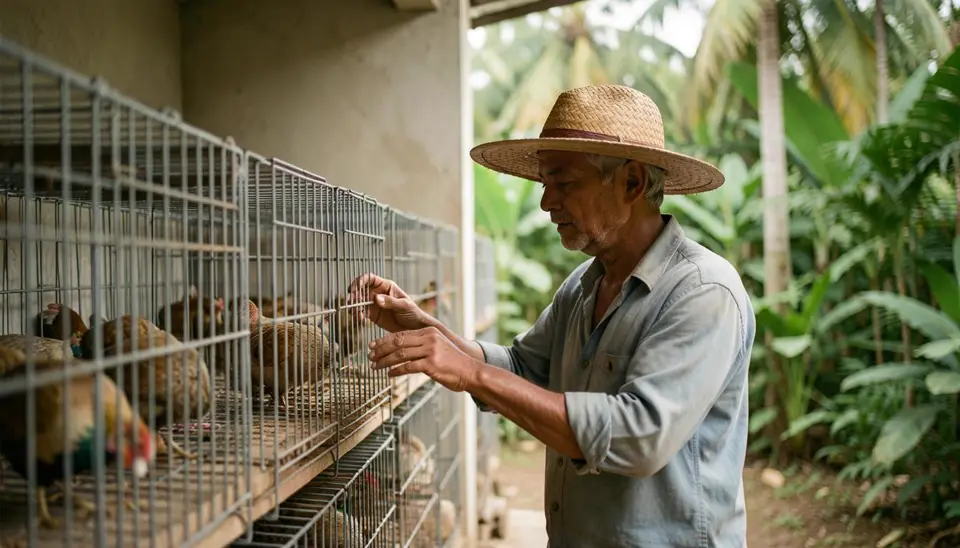
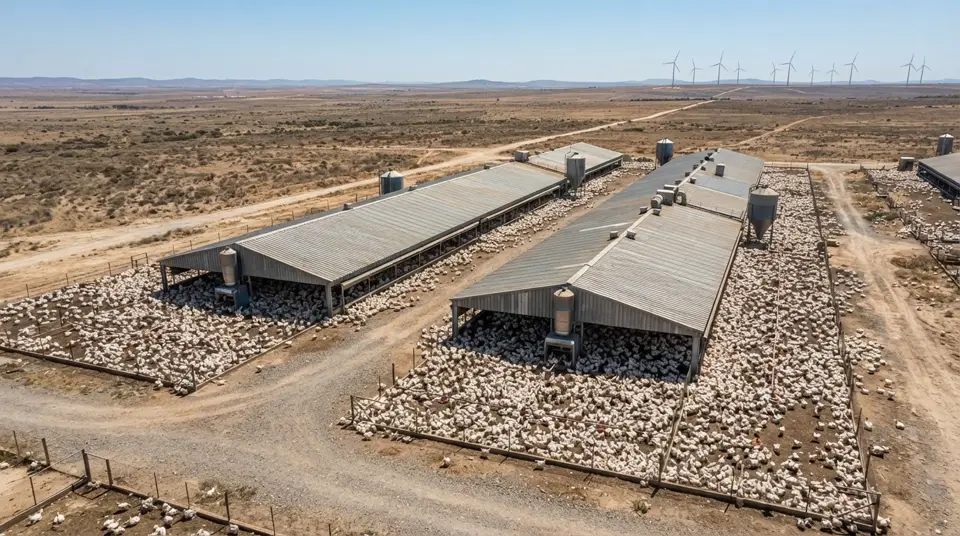
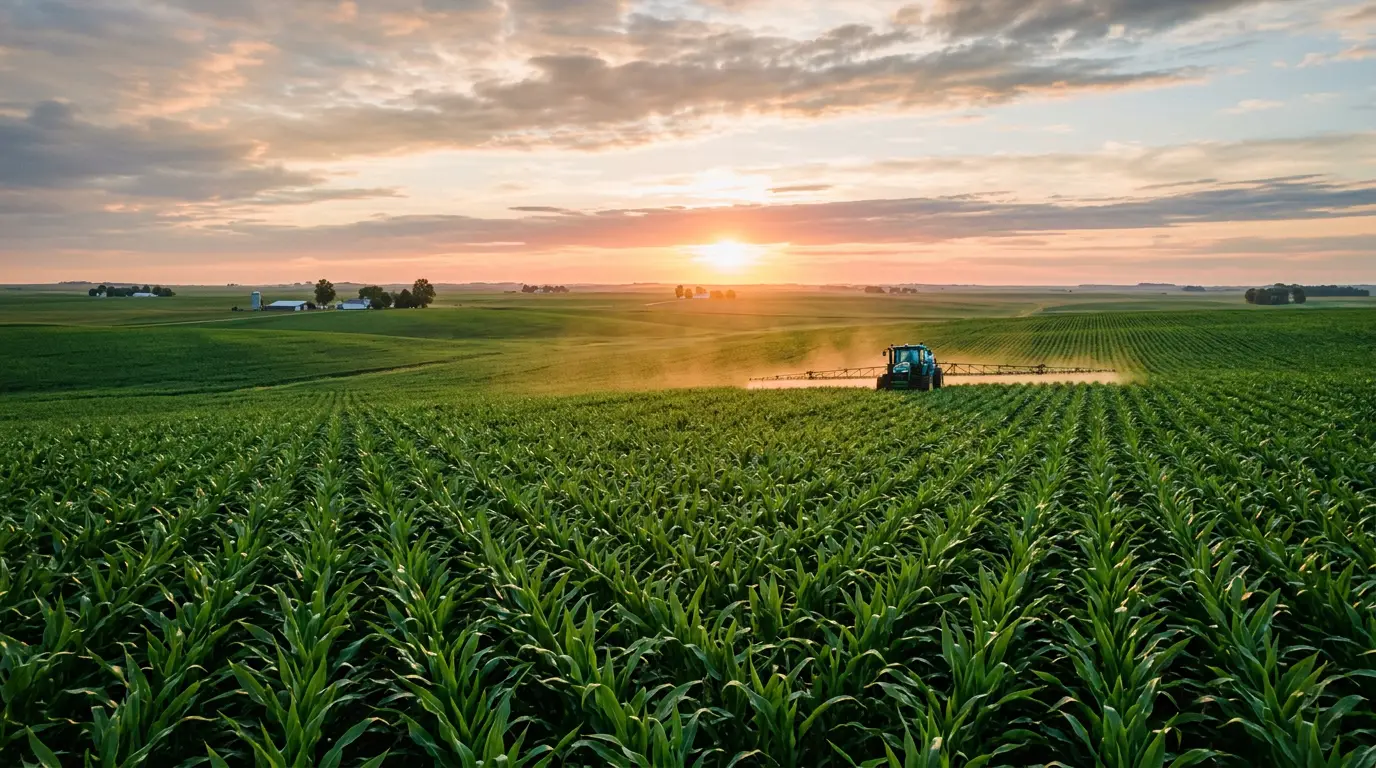
Island nations must also consider the food security and economic implications of precision fermentation. While it can provide a more stable and climate-resilient food supply, it may also lead to loss of agricultural land and jobs. A study by the World Bank (2019) highlighted that small-scale dairy farmers in island nations could be particularly vulnerable to these shifts.
Impact of precision fermentation on jobs in island nations
Verdict: A nuanced approach is needed
Precision fermentation offers significant climate benefits, but it also raises complex ethical and practical challenges. Island nations should approach this technology with a nuanced understanding of its implications, and a commitment to supporting their communities through the transition.
Frequently asked questions
What is the role of animal welfare in precision fermentation?+
Precision fermentation doesn't involve animal suffering, but it does raise questions about the role of animals in our food system.
How can island nations support farmers during the transition to precision fermentation?+
Governments can provide support through subsidies, retraining programs, and policies that encourage a gradual transition.
What are the cultural implications of shifting to precision fermentation dairy?+
Cultural disruption is a real concern, and any shift should be done in a way that's sensitive to local needs and contexts.