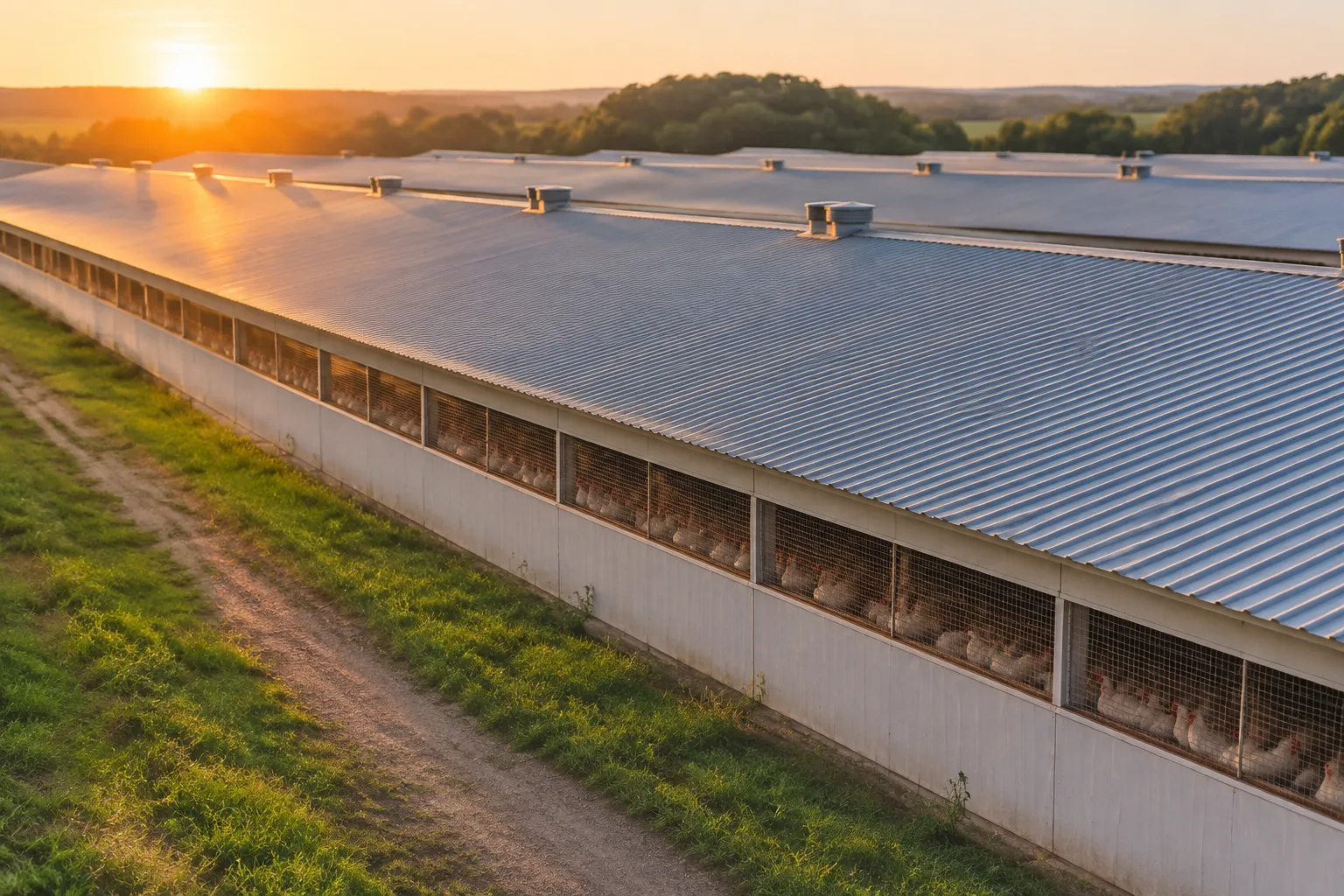
The factory farming definition refers to an intensive, industrial approach to animal agriculture that prioritizes high-volume output through the confinement of animals in restricted spaces. By utilizing advanced technology, specialized genetics, and prophylactic medication, these systems aim to produce large quantities of meat, dairy, and eggs at a lower financial cost to the consumer while fundamentally altering the ecological footprint of food production.
How does intensive animal agriculture actually function?
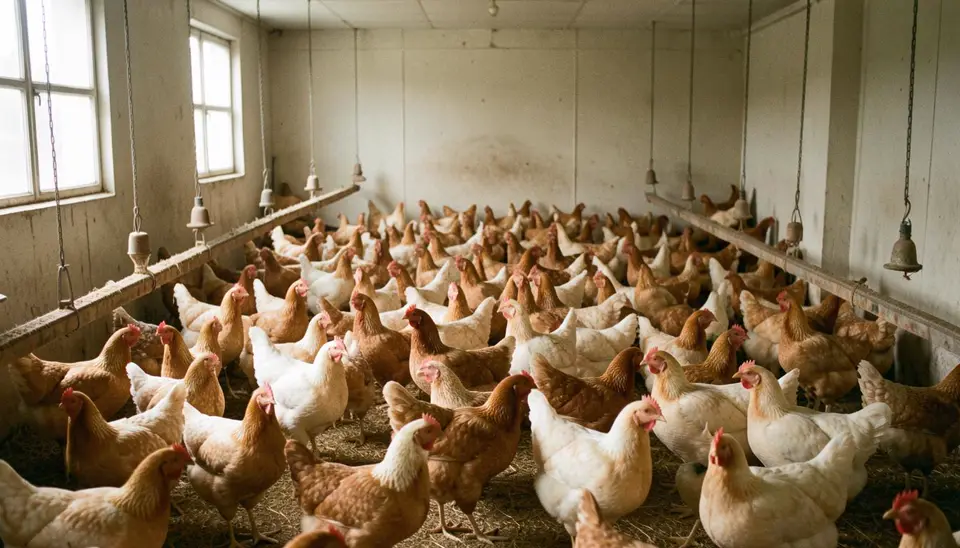
At its core, the factory farming model is an exercise in efficiency. Producers utilize concentrated animal feeding operations (CAFOs) to keep livestock stationary while delivering calibrated, high-energy feed directly to them. This eliminates the energy expenditure animals would normally use for foraging, thereby redirecting those calories into rapid weight gain or higher egg production (FAO, 2023).
Genetic selection plays an equally vital role. Modern broiler chickens, for example, have been bred to reach market weight in approximately 40 days, nearly twice as fast as their predecessors from the 1950s (National Chicken Council, 2024). This speed, while profitable, often leads to skeletal and cardiac strain, as the birds' bodies struggle to support their accelerated growth.
What are the environmental consequences of the current model?
The scale of waste produced by industrial livestock operations creates a significant environmental burden, particularly through nitrogen and phosphorus loading. When manure lagoons overflow—often during extreme weather events common in the US Midwest or the UK’s wet winters—this waste leaches into local waterways, causing eutrophication and massive algal blooms that destroy aquatic life (The Lancet Planetary Health, 2019).
| Food Product | GHG Emissions (kg per kg) | Land Use (m2 per kg) |
|---|---|---|
| Beef (Beef Herd) | 99.48 | 326.21 |
| Lamb & Mutton | 39.72 | 36.98 |
| Pork | 12.31 | 10.69 |
| Poultry Meat | 9.87 | 12.22 |
| Eggs | 4.67 | 6.27 |
| Pulses (Peas) | 0.98 | 3.39 |
Can consumer welfare labels improve the system?
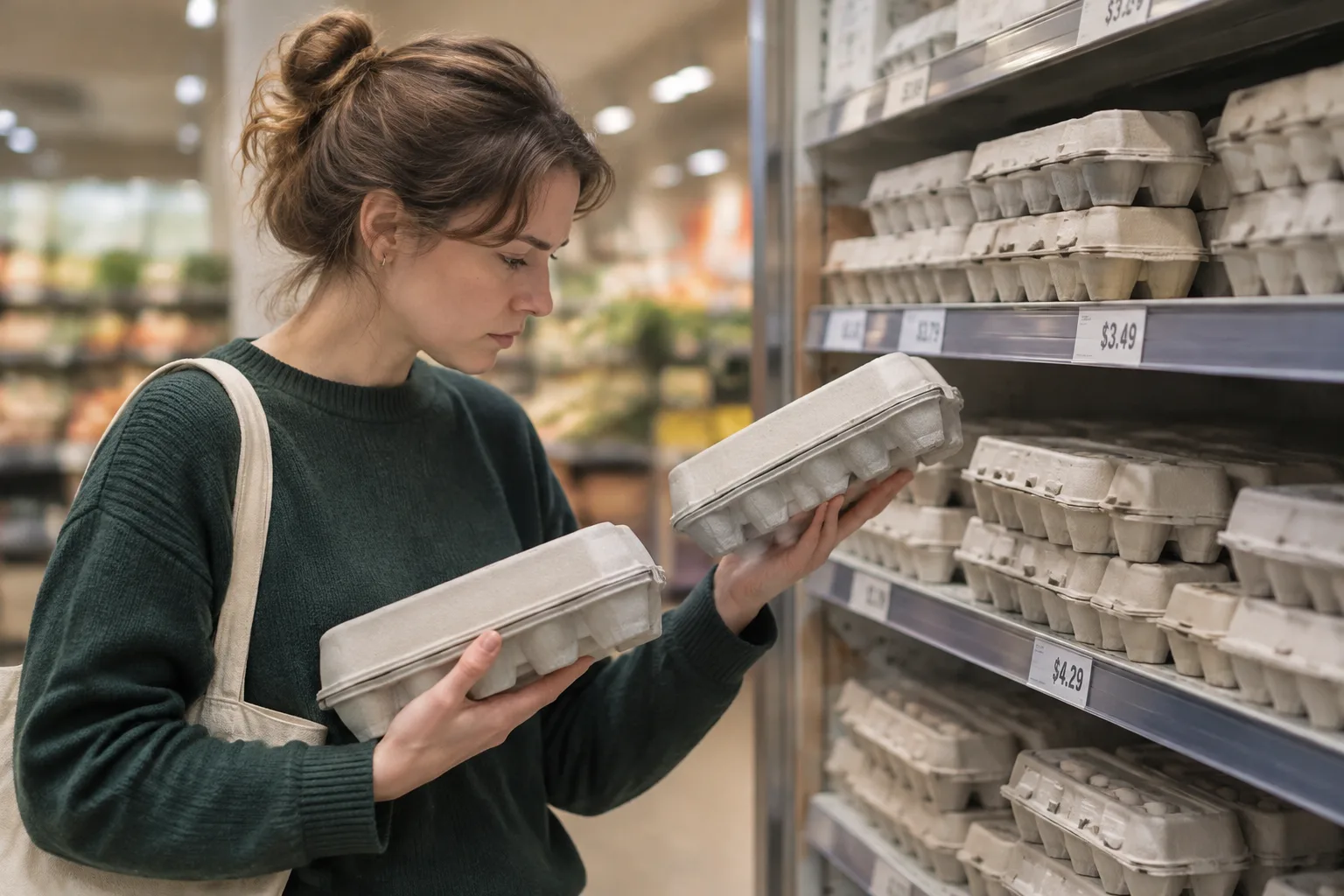
Many consumers look for labels like 'Free Range' or 'Certified Humane' to escape the constraints of factory farming. While these labels do mandate improvements in animal space and access to the outdoors, they often account for only a small fraction of the total meat produced globally. Furthermore, the lack of standardized global regulation makes it difficult for consumers to compare products accurately across different markets, such as the UK’s RSPCA Assured scheme versus Australia’s various cage-free certifications.
“The promise of 'welfare' labels is often limited by the economic realities of large-scale production, where the definition of 'outdoor access' can range from a grassy pasture to a small concrete slab behind a shed.”
Global meat consumption growth (in million tonnes)
What is the strongest counterargument to factory farming abolition?
The most common argument favoring intensive farming is the necessity of providing affordable protein for a growing global population. Proponents claim that without high-density systems, food prices would surge beyond the reach of lower-income families, leading to global food insecurity. They argue that efficiency, not volume reduction, is the only way to feed an estimated 9.7 billion people by 2050.
However, critics point out that much of the caloric energy produced in these systems is 'leaked' through the conversion process. Feeding grain to livestock to produce meat results in a net loss of calories compared to human consumption of that same grain. Shifting to plant-centric agricultural systems could potentially provide more total nutrition while requiring less land and water than our current industrial meat system (World Resources Institute, 2023).
How to identify industrial practices in your shopping list
- 1
Check for Certification
Look for third-party audited labels such as 'Certified Humane' or 'Animal Welfare Approved' rather than vague 'natural' or 'farm-fresh' marketing claims.
- 2
Analyze Production Costs
Extremely low prices are often a signal of intensive, high-density production methods. Genuine welfare-focused products usually reflect the cost of slower growth rates.
- 3
Research the Producer
Use online databases to check if local farms are part of larger, vertically integrated industrial cooperatives that prioritize volume over welfare standards.
- 4
Prioritize Plant-Based Alternatives
Reducing reliance on animal products entirely remains the most effective way to opt out of the factory farming system and its associated supply chains.
Frequently asked questions
Is factory farming legal in the UK and Australia?+
Yes, intensive livestock production is legal and common in both the UK and Australia. While specific regulations regarding battery cages and stocking density exist, the fundamental system of indoor, high-density housing remains the primary method for producing conventional supermarket meat.
Does factory farming cause bird flu?+
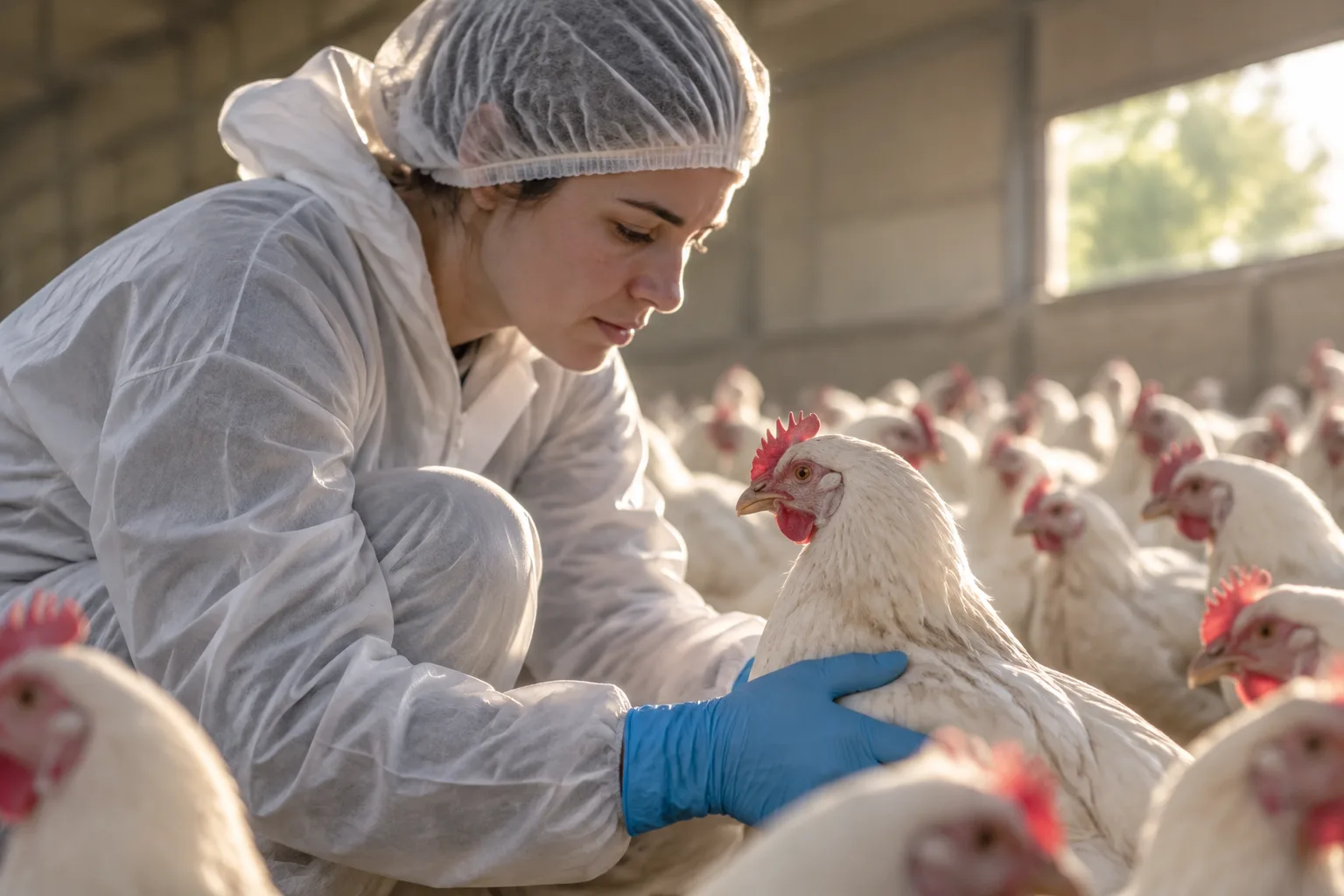
High-density conditions facilitate the rapid spread of viruses like H5N1. When thousands of birds are housed in close proximity, a single infection can lead to massive outbreaks, necessitating the culling of millions of animals to prevent transmission, including spillover risks to human workers.
Are small-scale farms also considered factory farms?+
No. The factory farming definition relies on the scale and intensity of production. Small-scale or pasture-based farms typically prioritize lower stocking densities, enabling natural animal behaviors, whereas industrial systems rely on intensive technological inputs and strict space-maximization.
What is vertical integration in the food supply chain?+
Vertical integration occurs when one company owns multiple stages of the production chain, such as the hatchery, the feed mill, and the slaughterhouse. This consolidation allows large corporations to control almost every variable, often shifting the financial risk onto the individual contract farmers.