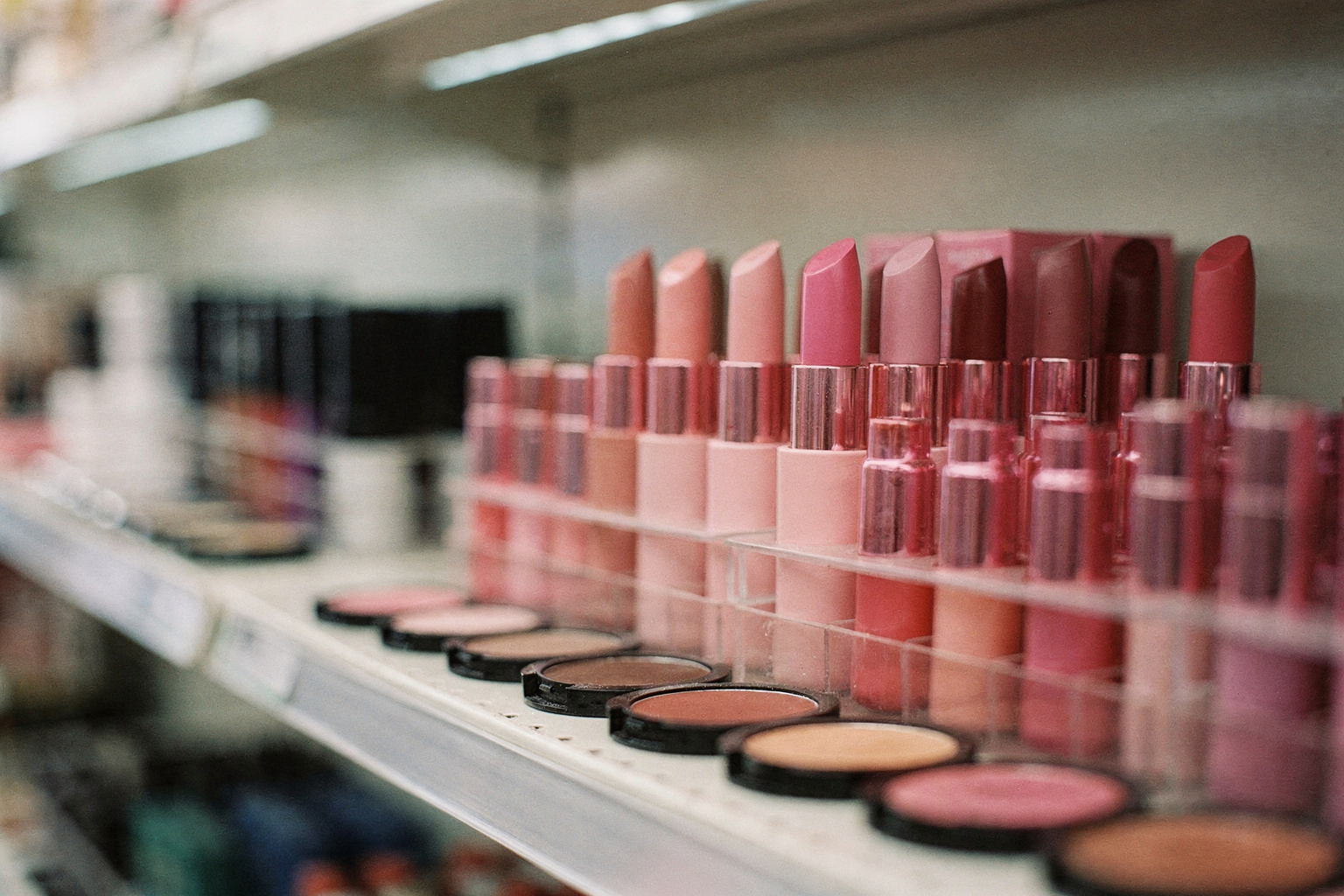
Cruelty free makeup brands at drugstore prices are no longer hard to find: e.l.f., Milani, NYX, Essence, Wet n Wild, Revolution and CoverGirl all sell widely in the US, UK, Canada and Australia, and most carry a third-party certification rather than a self-declared claim. The catch is that 'cruelty free' and 'vegan' are different promises, and some parent companies still profit from animal testing elsewhere in their portfolio.
Which cruelty free makeup brands are actually at drugstore prices?
The most reliable answer is e.l.f. Cosmetics, Milani, NYX Professional Makeup, Essence, Wet n Wild, Revolution and CoverGirl. In the UK, Superdrug's own B. brand and Boots' Botanics sit alongside them. In Australia, MCoBeauty and Australis are common in Chemist Warehouse and Priceline. All seven core brands typically retail between $5 and $15 (USD) per item, or roughly £4–£12 in the UK and A$8–A$20 in Australia.
Brand size matters for animal welfare too. None of these companies run their own animal-testing laboratories, and several have been Leaping Bunny certified for more than a decade. e.l.f. Cosmetics has held Leaping Bunny certification since 2010 and is 100% vegan. Milani followed in 2018. NYX Professional Makeup, owned by L'Oréal, is cruelty free within its own brand but its parent company does not carry a company-wide certification.
“The single most useful question a shopper can ask is not 'is this brand cruelty free?' but 'which third party audits that claim, and how deep does the audit go into the supply chain?' A brand-level promise without supplier auditing is the weakest form of the claim.”
| Brand | Certification | Vegan? | Typical price band | Main markets |
|---|---|---|---|---|
| e.l.f. Cosmetics | Leaping Bunny | Yes | $4–$12 | US, UK, CA, AU |
| Milani | Leaping Bunny | Mostly | $7–$15 | US, CA, UK |
| NYX Professional Makeup | PETA Beauty Without Bunnies | Partly | $6–$14 | US, UK, CA, AU |
| Essence | PETA Beauty Without Bunnies | Mostly | $3–$8 | UK, US, AU |
| Wet n Wild | PETA Beauty Without Bunnies | Mostly | $3–$9 | US, CA |
| Revolution Beauty | Leaping Bunny | Mostly | £4–£12 | UK, AU, US |
| CoverGirl | Leaping Bunny | Partly | $6–$14 | US, CA |
How do you tell a real cruelty free label from marketing?
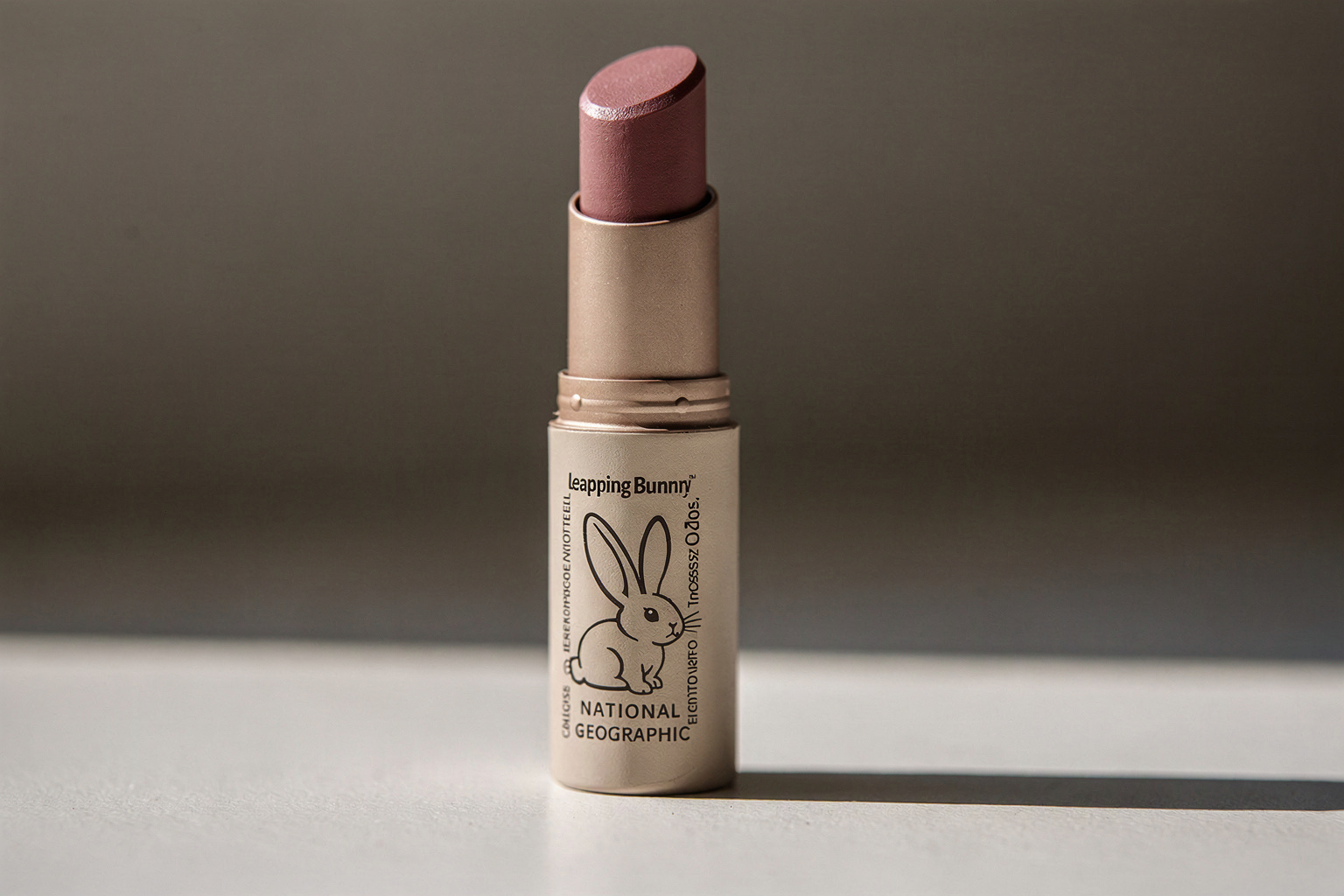
You check for a certification logo, then verify it. A bottle that says 'not tested on animals' with no logo is a self-declared claim, which any brand can print. The two certifications most worth trusting on a drugstore shelf are the Leaping Bunny logo (a rabbit silhouette, awarded by Cruelty Free International) and PETA's Beauty Without Bunnies bunny mark. Both require the brand to confirm no animal testing on finished products, ingredients or by third-party suppliers.
Leaping Bunny is the stricter of the two. It requires a supplier monitoring system and annual renewals, and it refuses the 'we don't test, but we can't speak for our suppliers' defence. PETA's scheme accepts written assurances and allows some parent-company exceptions. If you want the strongest signal without reading a report, look for the Leaping Bunny logo, then check the brand's name in Cruelty Free International's online directory.
Is 'cruelty free' the same as 'vegan' — and why does it matter for animals?
No. Cruelty free is about testing; vegan is about ingredients. A lipstick can be cruelty free yet still contain carmine, a red pigment made from crushed cochineal insects, or beeswax, lanolin from sheep wool, and shellac from lac beetles. For readers whose concern extends to the animals inside the supply chain, the vegan label is the one that covers ingredients, and it is worth cross-checking.
Roughly 1 in 4 drugstore beauty products marketed as cruelty free are not vegan (estimate based on PETA's Beauty Without Bunnies database, 2025). Common animal-derived ingredients in makeup include carmine in red and pink pigments, beeswax in lip balms, lanolin in mascara, and tallow derivatives in some soaps. This is where the mission of the Humane Foundation connects to the beauty aisle: the same industrial demand that sustains factory farming also pulls insect and animal by-products into everyday cosmetics.
Share of US shoppers who say they actively look for cruelty free cosmetics
The rise is real, but it is uneven. Consumer surveys in the US and UK show cruelty free claims matter more to shoppers under 35 than to older buyers, and matter more in urban supermarkets than in discount chains. What has changed since 2020 is that certification is now cheaper for small brands, so the range of cruelty free makeup brands at drugstore prices has widened rather than narrowed.
What about brands that sell in China, and legacy animal testing?
This is the most common source of confusion, and it deserves a direct answer. Mainland China has historically required animal testing for imported 'ordinary' cosmetics, which is why some global brands stayed out of the Chinese market or kept their cruelty free lines separate. Since 2021, China has waived mandatory animal testing for many imported cosmetics, provided the manufacturer holds a valid Good Manufacturing Practice certificate and the product is not for children or special use. Several cruelty free brands have since entered the Chinese market, but some campaigners argue the rules still leave loopholes for suppliers.
The practical upshot: a brand that sells in China is not automatically non-cruelty-free today, but it does deserve a closer look at its certification. Leaping Bunny requires notification if a brand begins selling in a market with mandatory animal testing and can suspend certification. That is a meaningful safeguard the self-declared labels do not offer.
How to build a cruelty free drugstore makeup routine, step by step
How to switch to cruelty free makeup at drugstore prices
- 1
Audit what you already own
Lay out your current makeup and note the brand of each item. Half of what you have may already be cruelty free; the goal is to replace the rest as it runs out, not to bin a full drawer.
- 2
Check certification, not slogans
Look up each brand in the Cruelty Free International or PETA directory. If it is not listed, treat the on-pack claim as a marketing statement rather than a verified certification.
- 3
Split cruelty free from vegan
Decide which matters more to you. For animal testing alone, any Leaping Bunny brand works. For ingredients, look for the vegan mark and check for carmine, beeswax, lanolin and shellac on the label.
- 4
Swap the highest-use products first
Mascara, foundation and lipstick are replaced most often, so switching those three to e.l.f., Milani or Essence delivers the largest cruelty free volume for the smallest spend.
- 5
Use own-brand ranges as budget backstops
Boots, Superdrug, Target's up & up and Sephora Collection all publish their testing policies online and often undercut legacy brands by 30–50% on identical product types.
- 6
Buy from retailers with clear policies
Superdrug has banned animal-tested cosmetics from its shelves since 1985, and Ulta and Boots both publish cruelty free filters on their websites. Shopping there saves label reading in-store.
- 7
Re-check once a year
Certifications lapse or change when brands are acquired. A quick annual check of the two certification directories keeps your routine honest as parent companies shift.
Which product picks are worth trying first?
For a starter kit under $30 (or £25 in the UK), the most consistently reviewed picks are e.l.f. Halo Glow Liquid Filter, Milani Baked Blush, NYX Butter Gloss, Essence Lash Princess mascara, and Revolution Reloaded eyeshadow palettes. All are widely stocked in Target, Walmart, Boots, Superdrug, Shoppers Drug Mart and Chemist Warehouse, and all sit in the affordable cruelty free makeup bracket rather than the prestige one.
Product quality has caught up with legacy brands over the past five years. In independent reviews, Essence Lash Princess has repeatedly outperformed mascaras costing three times as much on smudge resistance and volume. Milani Baked Blush uses the same baked-powder process as luxury lines. The days when cruelty free drugstore makeup meant chalky texture are largely over, at least at the top of these ranges.
Frequently asked questions
Frequently asked questions
Is Maybelline cruelty free?+
No. Maybelline is owned by L'Oréal, which tests some products in markets where animal testing is required, and Maybelline itself does not carry Leaping Bunny or PETA certification. L'Oréal's animal-testing position has shifted over the past decade, but Maybelline is not on UK or US cruelty free brand lists as of 2025.
What is the cheapest cruelty free makeup brand at the drugstore?+
Essence and Wet n Wild are the cheapest, with most items between $3 and $9 (USD) or £3–£6 in the UK. Both carry PETA Beauty Without Bunnies certification and are stocked in Target, Walmart, Ulta, Wilko and Chemist Warehouse.
Is e.l.f. Cosmetics cruelty free and vegan?+
Yes on both counts. e.l.f. has held Leaping Bunny certification since 2010 and states that it is 100% vegan, meaning no animal-derived ingredients anywhere in its range. It is one of the few brands at drugstore prices to meet both standards without exception.
Do drugstore own-brand makeup lines test on animals?+
Most large Western supermarket and pharmacy own-brands now state they do not test on animals. However, few hold independent certification, so their claims rest on written policies rather than external auditing. Boots, Superdrug and Sephora Collection publish the most detailed positions.
Does cruelty free makeup expire faster?+
No. Preservative systems do not depend on animal testing to be effective. Cruelty free drugstore mascaras typically last three to six months after opening, the same as legacy brands, and often carry the same PAO (period after opening) symbol on the packaging.
The shift towards cruelty free makeup brands at drugstore prices matters beyond the bathroom shelf. Choosing cosmetics that avoid animal testing, and where possible avoid carmine, beeswax and lanolin, is one small line of pressure against a beauty industry supply chain that has historically relied on animal exploitation. For readers who want to push further, the same logic applies to food: every meal that shifts away from animal products reduces demand for the factory farms that underwrite these supply chains.