Bird flu in humans is uncommon, but infection can occur after close, unprotected contact with infected birds, cattle or contaminated environments. Symptoms can resemble ordinary flu, and eye inflammation is also reported. Anyone who becomes ill after a possible exposure should contact a healthcare professional promptly, explain the exposure and follow local public-health advice.
How can bird flu infect humans?
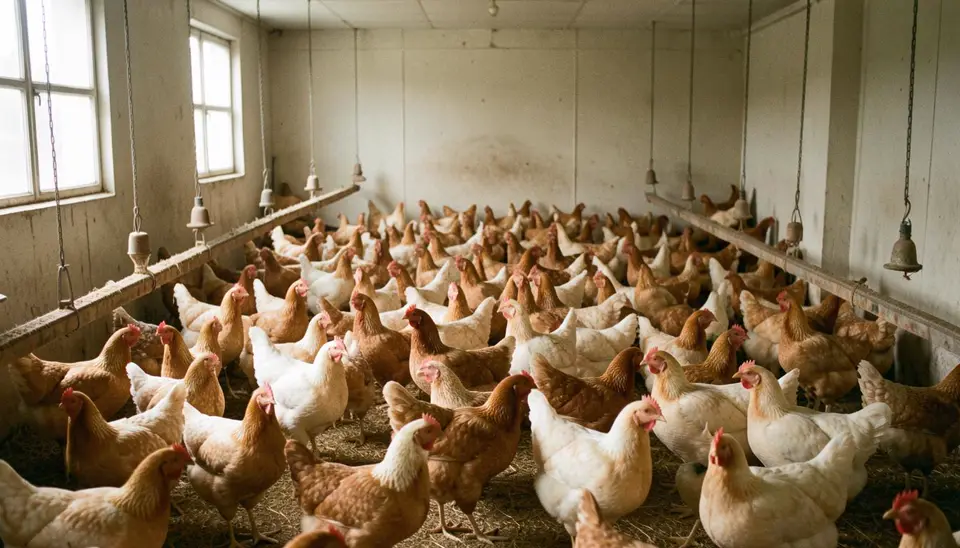
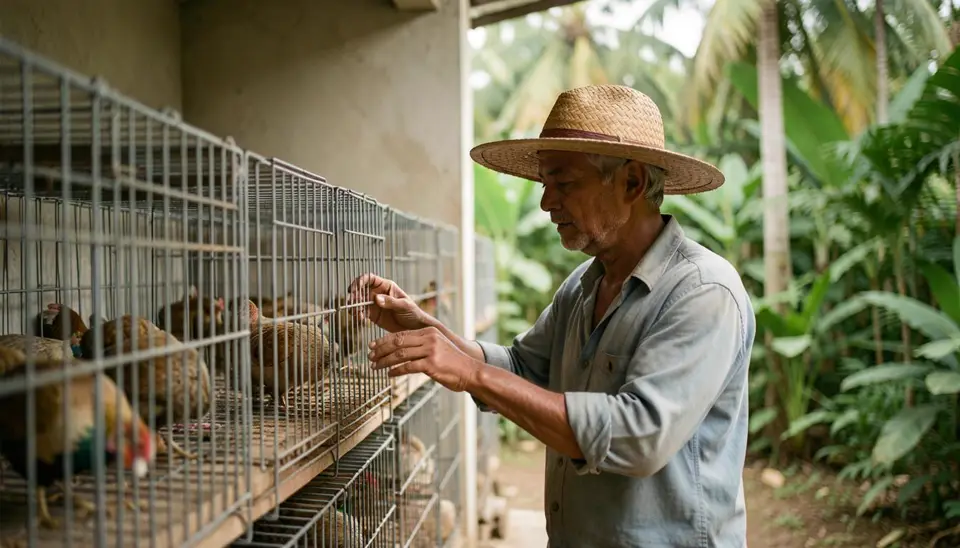
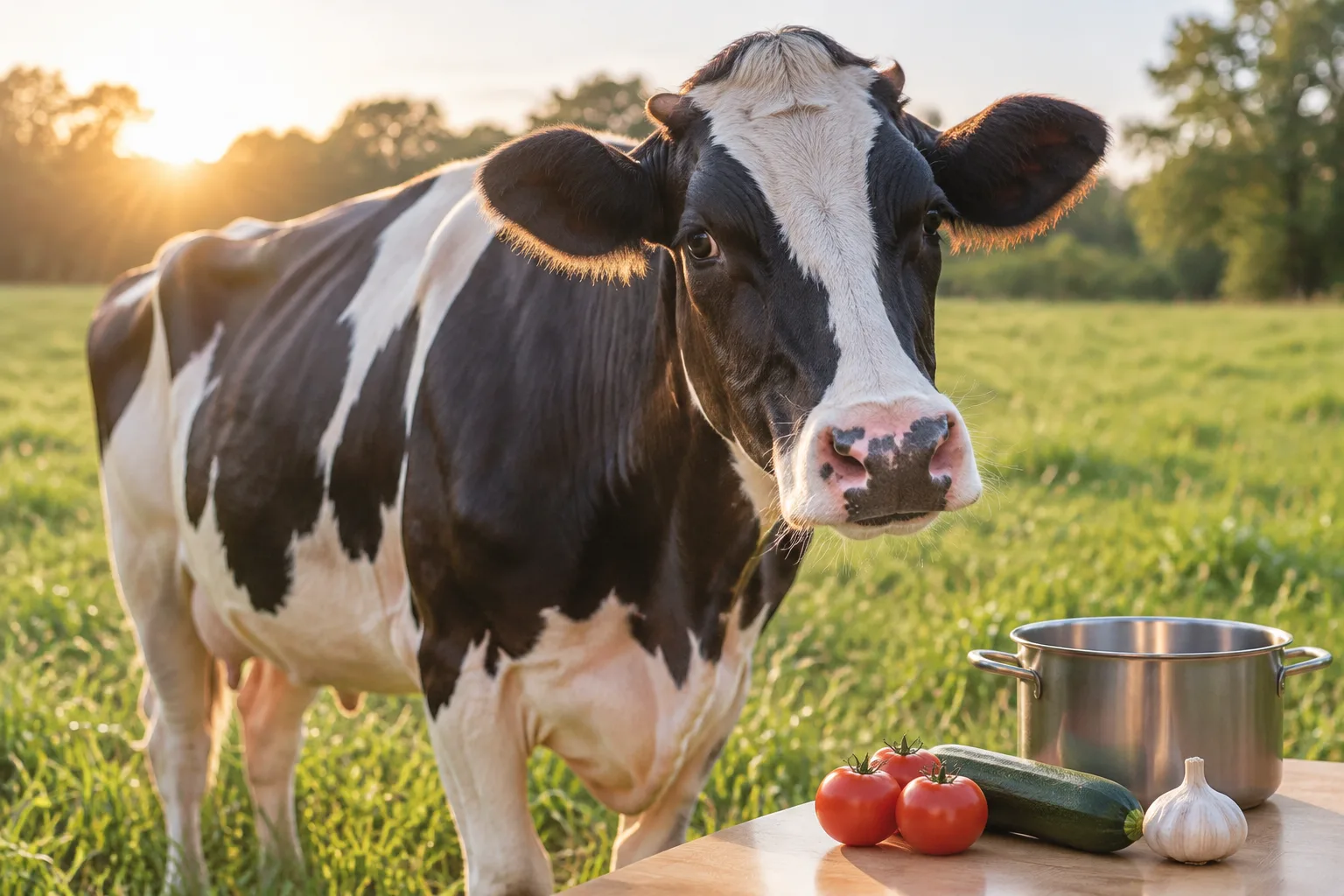
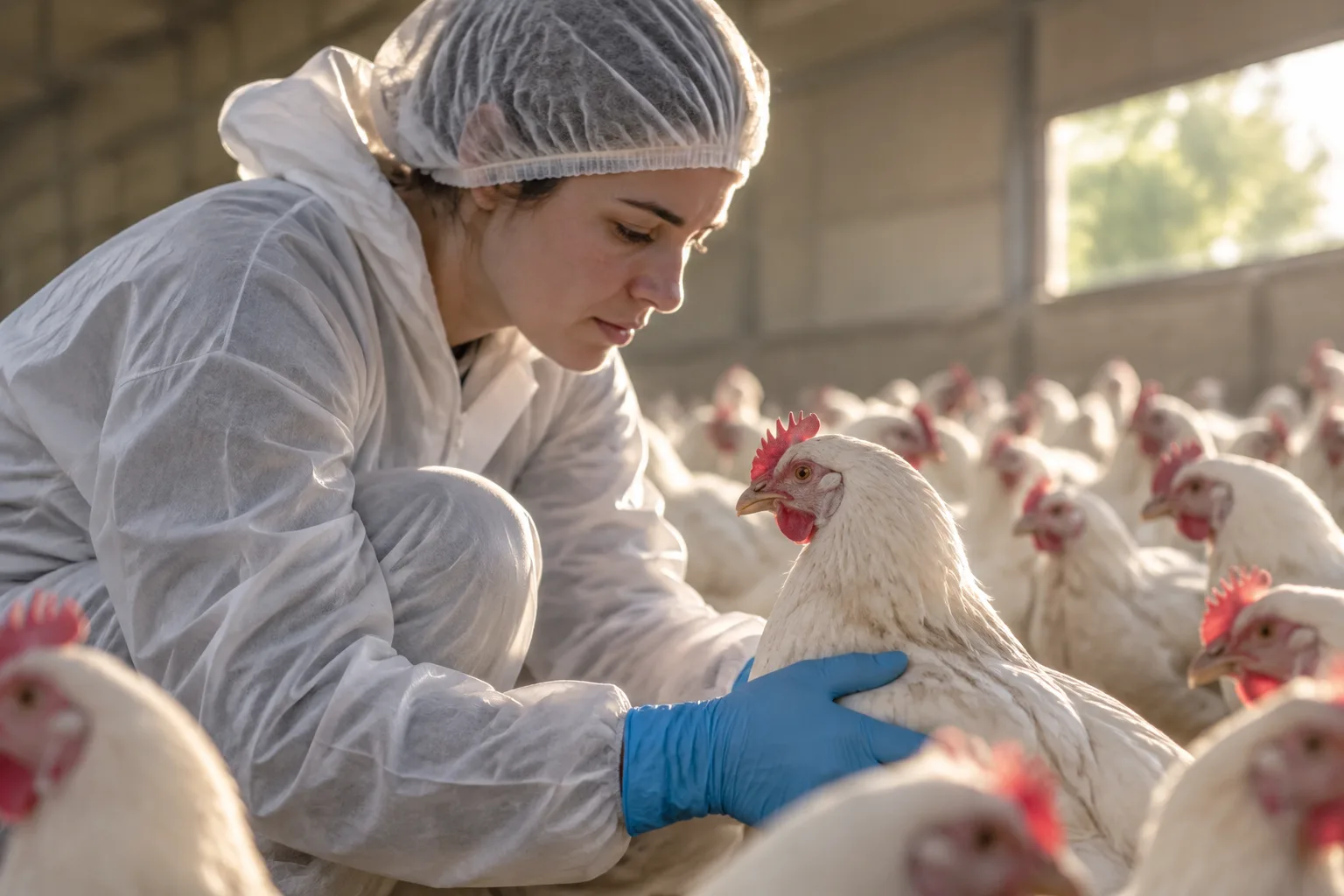
Bird flu can infect a person when virus from an infected animal or contaminated material reaches the eyes, nose or mouth, or is inhaled. The clearest risks are close, prolonged contact with infected poultry or cattle, including during milking, slaughter, cleaning, culling or handling sick and dead animals.
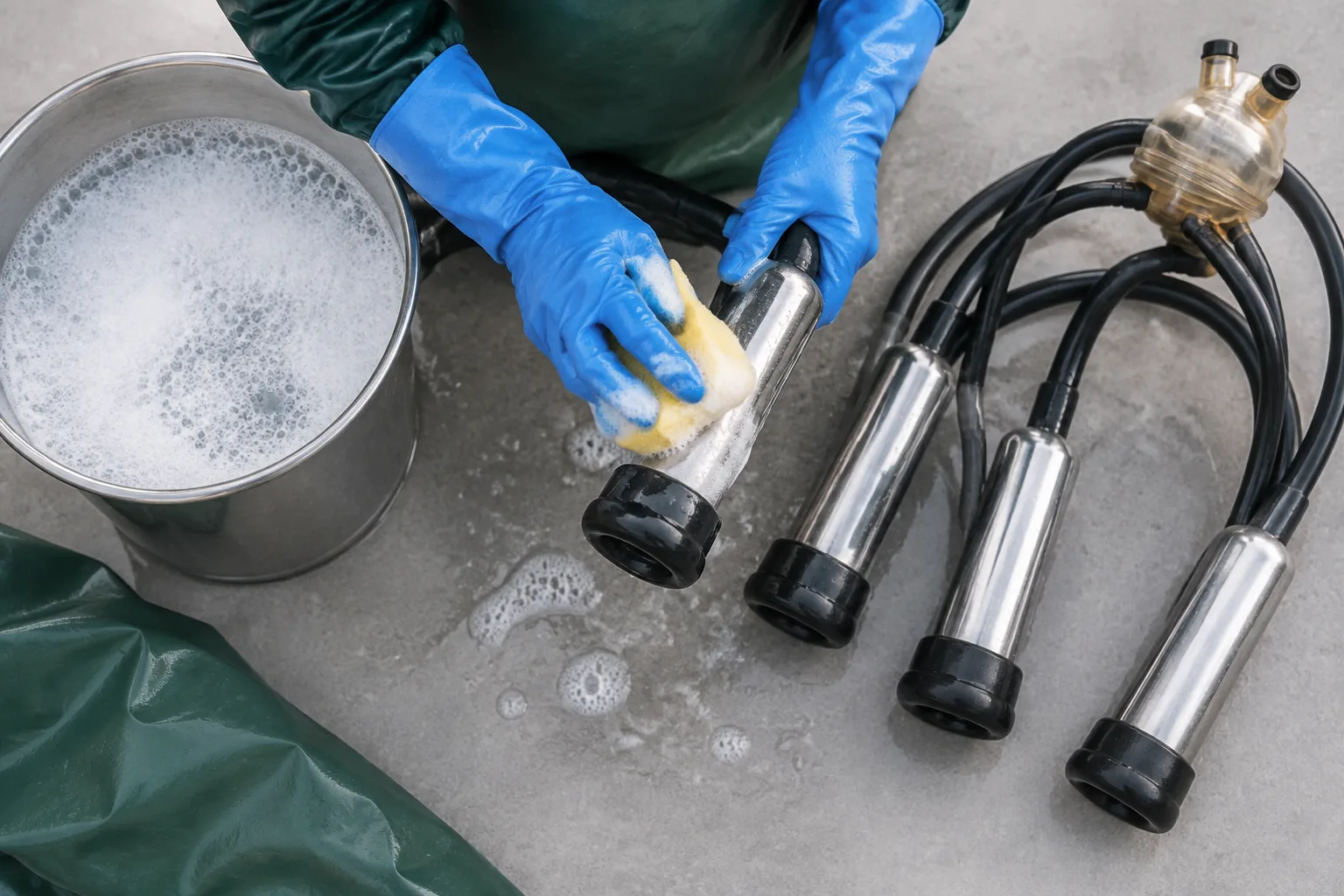
Exposure can happen through respiratory droplets or particles, splashes of animal fluids, and hands or equipment contaminated with secretions, manure or raw milk. In the United States, H5N1 infections detected among dairy workers in 2024 highlighted the risk of working closely with infected cows, particularly when milk or secretions could reach the eyes. Earlier outbreaks in parts of Asia and Africa were more often linked to infected poultry, live-bird markets and household flocks (CDC, 2024; WHO, 2024).
This is a workplace and animal-health issue as well as an individual one. Large poultry and dairy supply chains can concentrate animals and move people, equipment and products between sites. Good biosecurity, prompt testing of animals, paid sick leave and reliable access to protective equipment help prevent exposure; they cannot make close-contact work risk-free.
| Situation | Relative concern | Practical response |
|---|---|---|
| Handling sick or dead poultry | Higher if unprotected | Avoid contact; report unusual deaths to local animal-health authorities. |
| Dairy work during an H5N1 outbreak | Higher with close contact | Use employer-provided protective equipment and follow occupational-health instructions. |
| Visiting a live-bird market or contaminated area | Possible, especially with direct contact | Avoid touching birds, droppings, cages or visibly contaminated surfaces. |
| Eating properly cooked poultry or eggs | Not considered a usual route | Cook thoroughly and prevent raw juices from contaminating other foods. |
| Drinking raw milk | Avoidable concern | Choose pasteurised milk and dairy products. |
Eating properly handled, fully cooked poultry and eggs is not considered a typical route of infection. The food-safety distinction is important: raw or undercooked animal products can carry other pathogens, while pasteurisation and thorough cooking inactivate influenza viruses. Public-health agencies advise against consuming raw milk, which may contain infectious organisms (CDC, 2024; US Food and Drug Administration, 2024).
What symptoms need medical attention?
Bird flu symptoms can range from mild to severe, and they overlap with other respiratory infections. After a possible animal exposure, contact a healthcare professional promptly if you develop fever, cough, sore throat, shortness of breath or eye redness; tell them when and how the exposure occurred before arriving, so they can advise on safe assessment.
Reported symptoms include fever or feeling feverish, cough, sore throat, runny nose, muscle aches, headache and fatigue. Some people with H5N1 have had conjunctivitis, meaning red, irritated or watery eyes, sometimes without prominent respiratory symptoms. Nausea, vomiting or diarrhoea can also occur. Symptoms may begin within a few days, but public-health guidance commonly recommends monitoring for 10 days after the last known exposure (CDC, 2024).
Seek emergency care for severe trouble breathing, persistent chest pain, confusion, inability to stay awake, bluish lips or signs of serious dehydration. If you are in the US or Canada, call emergency services; in the UK and Ireland, use 999 or 112; in Australia, call 000. Tell dispatchers about the possible animal exposure. Do not delay urgent care to check whether symptoms match a checklist.
Testing and treatment decisions belong to clinicians and public-health authorities. Antiviral medicine may be recommended for suspected or confirmed infection, and timing can matter. Do not take leftover prescription drugs or assume a negative home test rules out avian influenza; routine rapid tests are not designed to settle every suspected bird-flu case.
What does current bird flu prevention guidance get right?
The strongest public guidance focuses on reducing contact with infected animals, protecting exposed workers, choosing pasteurised dairy and cooking food safely. It also avoids presenting everyday grocery shopping or eating cooked poultry as a likely source of H5N1 infection. For most people in the US, UK, Canada, Australia and Ireland, the risk remains low when they do not have close contact with infected animals (CDC, 2024; UK Health Security Agency, 2024).
The guidance is less complete when it reaches the people with the greatest exposure. Farm, veterinary, transport and slaughterhouse workers need properly fitted protective equipment, training in how to remove it safely, accessible testing and clear reporting channels. Employers and regulators should ensure that workers can stay home when ill without losing income. Advice to “wear PPE” is not enough if equipment is unavailable, uncomfortable in heat or incompatible with the task.
The US outbreak among dairy cattle also shows why surveillance must cover the whole chain: farms, animal movement, milk handling, processing and worker health. In Britain, the Food Standards Agency advises that pasteurised milk remains safe to drink; Australian and Canadian authorities likewise emphasise safe food handling and avoiding contact with sick or dead wild birds. Local reporting routes differ, so workers should use their national or regional animal-health service rather than rely on social-media alerts.
“The essential distinction in WHO’s assessment is that infections have been associated with animal exposure; sustained human-to-human transmission has not been established.”
That distinction matters, but it is not a reason to dismiss the virus. Influenza viruses can change, and health agencies continue to monitor animal outbreaks and human cases. The WHO’s historical H5N1 case records show serious disease among detected cases, but those figures are not a personal risk forecast: surveillance has tended to identify people who were sick enough to be tested, and exposure patterns differ widely (WHO, 2024).
Reported human H5N1 cases in selected countries, cumulative
How well does the public-health guidance perform?
As a practical guide for the general public, current advice is clear and proportionate: avoid risky animal contact, use food-safety basics and seek care after symptoms and exposure. Its weaker point is implementation in high-exposure workplaces, where responsibility can fall on individual workers instead of employers and regulators. The ratings below assess the guidance as a public-facing tool, not the overall quality of each country’s outbreak response.
| Criterion | Rating | Assessment |
|---|---|---|
| Clarity for the general public | 4/5 | Simple advice on avoiding sick animals and raw milk is easy to act on. |
| Exposure-route explanation | 4/5 | Animal contact and contaminated materials are well covered, though work tasks need more detail. |
| Symptom and care guidance | 4/5 | Useful symptom lists and exposure reporting advice; emergency warning signs deserve prominence. |
| Food-safety accuracy | 5/5 | Correctly distinguishes raw milk risks from properly cooked poultry and pasteurised dairy. |
| Worker protection | 3/5 | PPE is emphasised, but access, fit, training, sick leave and enforcement vary. |
| International consistency | 3/5 | Core messages align, but local hotlines, reporting duties and worker protections differ. |
| Pros | Cons |
|---|---|
| Gives the public concrete steps: avoid sick animals, choose pasteurised dairy and cook food thoroughly. | National advice can be hard to find quickly, and reporting contacts differ by jurisdiction. |
| Correctly identifies close animal contact as the main established exposure concern. | Workers may not control ventilation, protective equipment, staffing or sick-leave policies. |
| Encourages people with symptoms after exposure to contact health professionals promptly. | A general symptom list cannot distinguish bird flu from seasonal flu or other infections. |
| Avoids needlessly discouraging consumption of properly cooked poultry and eggs. | Farm-level surveillance and worker protections can lag behind changing animal outbreaks. |
Who it’s for: anyone seeking a reliable overview, people who keep poultry, wildlife carers, travellers visiting areas with outbreaks, and families deciding how to handle dairy, eggs and poultry. Workers in farms, slaughterhouses, veterinary services and animal transport should treat this as background information, not a substitute for occupational-health instructions, union advice or local public-health protocols.
Who it’s not for: people seeking a diagnosis, an individual exposure-risk calculation or the latest local outbreak map. Those questions require current advice from a clinician and the relevant public-health or animal-health authority. A seasonal influenza vaccine does not protect against H5N1; it remains useful against seasonal flu and should not be mistaken for bird-flu prevention (CDC, 2024).
What should you do after a possible bird flu exposure?
If you have had close contact with a sick or dead bird, infected livestock or a contaminated work area, take these steps. Follow local instructions first: public-health teams may arrange symptom monitoring, testing or preventive treatment based on the exposure.
How to respond after possible exposure
- 1
Leave the exposure area safely
Move away from sick animals, droppings, raw milk or contaminated equipment without touching your face. If you are at work, tell a supervisor and follow site biosecurity procedures.
- 2
Wash and change
Wash hands thoroughly with soap and water. Remove potentially contaminated clothing carefully, keep it separate from household laundry and follow workplace cleaning instructions.
- 3
Record what happened
Note the date, location, animal species, task and protective equipment used. This helps a health professional or public-health team assess the exposure and determine whether follow-up is needed.
- 4
Contact the right authority
Call a healthcare provider or local public-health service for advice, especially after direct contact with a sick or dead animal. Workers should also report suspected workplace exposure through their employer’s health and safety process.
- 5
Monitor symptoms for 10 days
Watch for fever, cough, sore throat, breathing difficulty or red eyes during the 10 days after your last exposure, following CDC guidance. Seek advice promptly if symptoms develop and state the exposure clearly.
- 6
Get urgent help for severe illness
Call your local emergency number for serious breathing problems, chest pain, confusion or rapidly worsening symptoms. Tell responders about the animal exposure and follow instructions on how to reach care safely.
Frequently asked questions about bird flu in humans
Frequently asked questions
Can bird flu spread from person to person?+
Sustained person-to-person transmission of H5N1 has not been established. Most documented human infections have followed close exposure to infected animals or contaminated environments. Health agencies monitor for changes because influenza viruses can evolve; people with possible exposure should follow local advice rather than assume the risk is identical everywhere.
Can you get bird flu from eating chicken or eggs?+
Properly handled and thoroughly cooked chicken and eggs are not considered a usual route of bird-flu infection. Cook poultry and eggs fully, keep raw juices away from ready-to-eat foods, and wash hands and surfaces. Avoid raw milk, which is not pasteurised and can carry harmful organisms.
What are the first symptoms of bird flu in humans?+
Early symptoms can include fever, cough, sore throat, muscle aches, headache or fatigue. Red, watery or irritated eyes have also been reported, sometimes with few respiratory symptoms. Symptoms alone cannot confirm bird flu; tell a healthcare professional about any recent contact with sick animals, poultry, cattle or contaminated work areas.
What should I do if I touched a dead bird?+
Avoid further contact, wash your hands thoroughly and contact local public-health or wildlife authorities for advice, especially if you handled the bird without gloves or have flu-like symptoms. Do not pick up or move dead wild birds unless authorities instruct you to do so. Reporting rules and collection services vary by location.
Does the seasonal flu vaccine protect against bird flu?+
No. The seasonal influenza vaccine is designed to protect against selected seasonal human flu strains, not H5N1. Health agencies may still recommend seasonal vaccination for routine protection against seasonal influenza. It does not replace avoiding infected animals, using workplace protection or following public-health advice after exposure.