Zero waste tips for beginners work best as a 30-day programme: audit your bin in week one, then tackle food waste, single-use plastic, and clothing in sequence. Shift your meals toward plants as you go, because animal products drive a large share of a household's waste and emissions.
Why start zero waste tips for beginners with food, not bins?
Food is the single biggest lever most households have, and it is also where plant-based eating pays off twice. WRAP, the UK waste charity, estimates that UK households throw away 6.4 million tonnes of food each year, costing the average family around £700 (WRAP, 2023).
That waste carries a hidden climate cost. The UN Food and Agriculture Organization calculates that if global food loss and waste were a country, it would rank third for greenhouse gas emissions after China and the US (FAO, 2019). A quarter of food waste emissions come from meat and animal products that never reach a plate (FAO, 2019).
That is because animal products use far more land, water and feed per calorie than plant foods. The same study puts meat and dairy at 44% of global livestock emissions, and plant-based foods like pulses, grains and vegetables at a fraction of the impact per gram of protein (Our World in Data, 2024). So swapping mince for lentils in a bolognese or chilli cuts your bin's weight and its footprint at once.
The 30-Day Zero Waste for Beginners Plan
| Week | Focus | Daily action | What to measure |
|---|---|---|---|
| 1 | Audit and basics | Rinse and save glass jars and tubs; keep a cloth bag by the door | Photograph your bin before each collection |
| 2 | Food waste | Plan meals, freeze leftovers, cook one extra plant-based meal | Count food items binned per day |
| 3 | Single-use plastic | Take a refillable bottle, cup and cutlery; buy loose produce | Count new plastic items entering the kitchen |
| 4 | Clothing, cleaning and fix-it | Repair one garment; mix vinegar and water cleaner | List items repaired or refused |
What is actually in the average waste bin?
Week 1: Audit your bin and build the basics
Start by finding out what you throw away, because the plan should follow the evidence. Keep a paper tally on the fridge for seven days, note what you bin, and weigh your food scraps if you have kitchen scales.
Once you know your top three items, you can replace them deliberately. Glass jars, takeaway tubs and cloth bags are free or nearly free and do most of the heavy lifting in a starter kit.
Week 2: Cut food waste and shift to plant-based meals
Food waste is the most fixable category, and plant-based cooking makes it easier because beans, grains and vegetables store well and stretch further than meat.
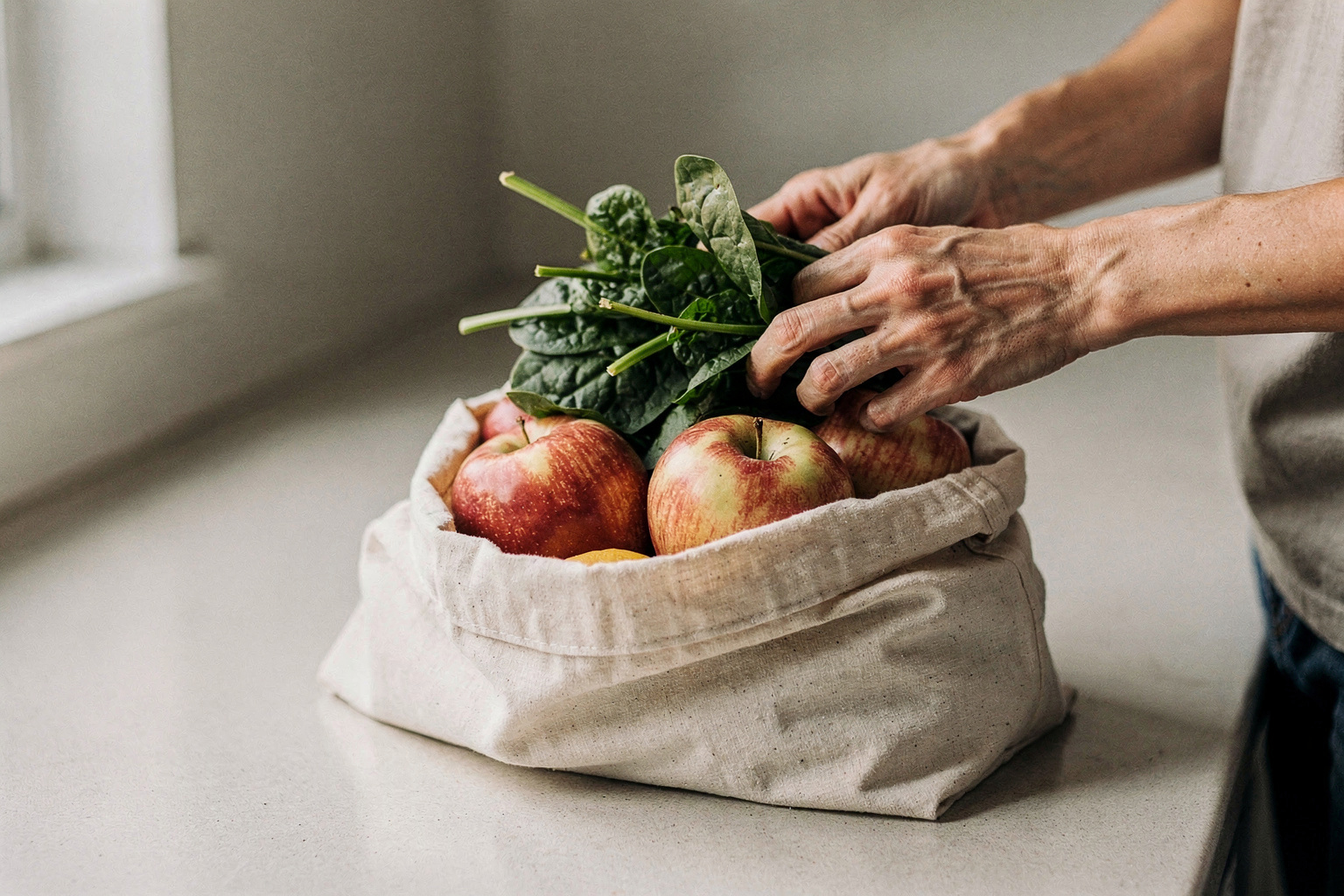
How to cut food waste in seven days
- 1
Plan three dinners
Pick three meals you will actually cook, shop only for those, and build the rest of the week from leftovers.
- 2
Shop the odds and ends
Buy loose produce without plastic where you can, and choose the misshapen carrots and peppers that supermarkets discount.
- 3
Freeze deliberately
Portion leftovers the same evening and label them with the date, so nothing becomes a mystery container at the back of the fridge.
- 4
Learn the soft-fruit rule
Berries, herbs and leafy greens go first. Root vegetables and squash keep for weeks, so cook them later in the week.
- 5
Cook one plant-based swap
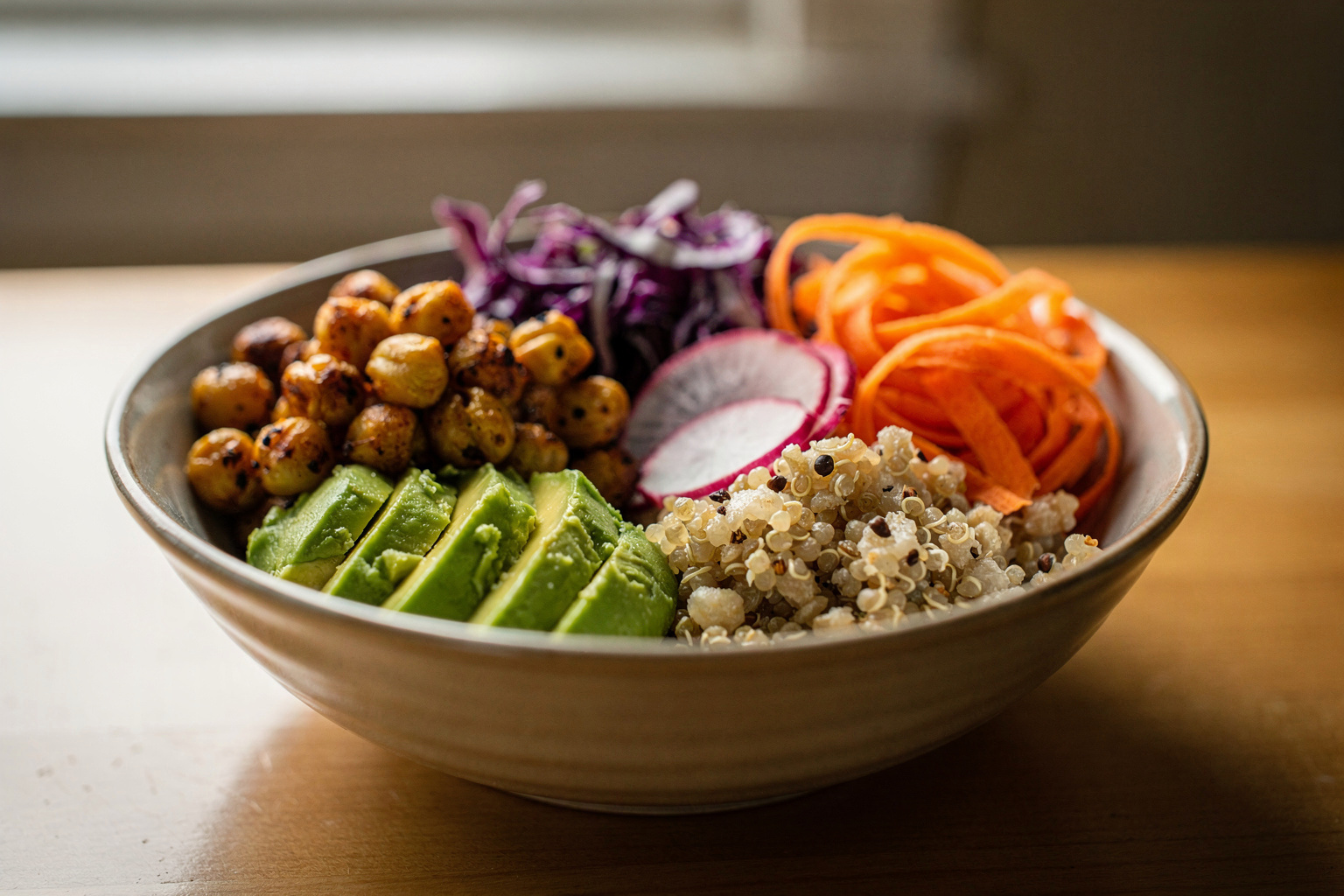
Replace mince with lentils, or chicken with chickpeas, in a familiar recipe. A lentil ragu uses pantry staples that rarely go off.
- 6
Make stock from scraps
Simmer onion skins, carrot tops and herb stems in water for 30 minutes, then strain. It replaces stock cubes and their foil wrappers.
- 7
Compost what remains
Use a sealed countertop caddy, a balcony wormery or your council's food-waste collection. In the UK, separate food-waste collections are now required for households in England (Defra, 2023).
The climate payoff compounds. Replacing beef with beans in one weekly meal saves roughly the emissions of a short car journey, and the savings stack up across a year (Our World in Data, 2024). In India, where lentil and chickpea curries are already staples, the shift can mean less packaging and lower grocery bills at once.
Week 3: Tackle single-use plastic without spending much
Plastic is the most visible waste, but it is rarely the highest-impact one for beginners, so spend your effort where you repeat the most. Takeaway coffee, bottled water and bagged produce are the three most common daily offenders.
| Swap | Cost (approx.) | Replaces | Best for |
|---|---|---|---|
| Refillable bottle | US$8–15 | 150+ plastic bottles a year | Commuting, gym, school bags |
| Cloth produce bags (set of 5) | US$10 | 200+ thin plastic bags a year | Loose fruit and vegetables |
| Reusable coffee cup | US$10–20 | 300 disposable cups a year | Daily coffee runs |
| Beeswax or silicone wraps | US$15 | Cling film rolls | Sandwiches, cheese, cut produce |
| Bar shampoo and soap | US$5–9 each | Plastic bottles | Travel and bathrooms |
| Menstrual cup or period pants | US$25–35 | Hundreds of disposables a year | Monthly cycle |
Refill shops make the switch easier. Zero Waste Scotland reports that refill stores across the UK expanded from a handful in 2018 to hundreds by 2023 (Zero Waste Scotland, 2023), and cities like Bristol, Portland, Toronto and Melbourne now have multiple bulk-buy options.
Week 4: Clothing, cleaning and repair
Textiles are the waste category people forget. The Ellen MacArthur Foundation estimates that a truckload of clothing is burned or landfilled every second, and the average garment is worn far less than a generation ago (Ellen MacArthur Foundation, 2023).
Fast fashion relies heavily on animal-derived leather, wool and down, as well as plastic fibres, so buying fewer clothes and choosing plant-based or second-hand alternatives cuts both the bin and the supply chain. In the UK, charity shops and apps like Vinted and Depop make resale straightforward; in Canada and Australia, local Buy Nothing groups do the same job.
Cleaning is simpler than the aisle suggests. A spray bottle of white vinegar, water and a few drops of tea tree oil handles most kitchen and bathroom jobs, and refilling it from a bulk bottle removes a stream of branded plastic triggers.
“The most sustainable product is the one you do not buy, and the next best is the one you use until it falls apart.”
Shopping and prep block: what to buy and what to skip
A beginner's zero waste kit should cost under US$30 or £25, and almost everything on the list doubles as ordinary kitchen equipment.
| Item | Buy if you lack it | Skip if | Typical price |
|---|---|---|---|
| Cloth tote bags | You shop without a bag | You already keep bags in the car | US$1–3 each |
| Produce bags | You buy loose vegetables | You use existing bags | US$10 for five |
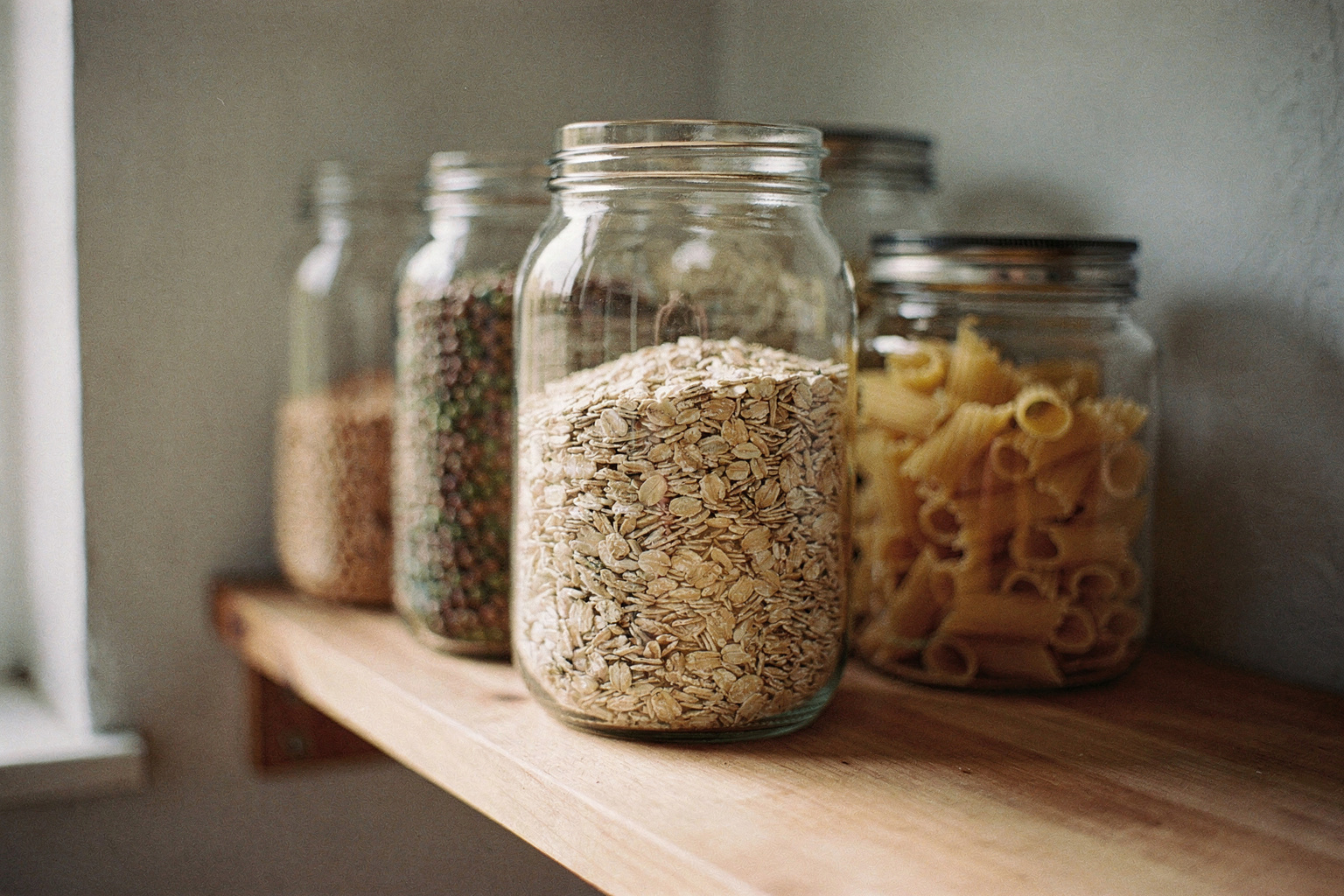
| Glass jars | You buy dry goods in bulk | You save pasta sauce jars | Free or US$2 each |
| Countertop compost caddy | Your council collects food waste | You have a garden compost heap | US$20–35 |
| Refillable bottle | You buy bottled water | You carry a thermos | US$8–15 |
| Bar shampoo | You want to drop bottles | You refill liquid shampoo locally | US$5–9 |
Prep is where the plan survives a busy week. Cook one pot of beans, lentils or chickpeas on Sunday, roast a tray of vegetables, and keep a box of washed greens ready. A stocked fridge of plant staples means fewer emergency takeaways and less packaging in the bin.
Adjustment tips when the plan slips
Plans fail because they are too rigid, so build in slack. If composting overwhelms you, freeze scraps and add them to the caddy on collection day. If bulk shopping is impractical, prioritise the two categories that fill your bin most.
The same flexibility applies to food. If a busy week means bought lunches, aim for plant-based options with minimal packaging rather than abandoning the plan, and restart the tally on Monday. Across all five countries, the most common beginner error is buying a whole new kit before changing a routine.
Frequently asked questions
What are the easiest zero waste tips for beginners?+
Start with a seven-day bin audit, then cut food waste by meal planning and freezing leftovers. Carry a refillable bottle, tote and produce bags. Buy loose produce, cook more plant-based meals, and compost scraps through a caddy or council collection. These habits cover most of the average bin.
Does zero waste save money?+
Usually yes, after a small upfront cost. WRAP estimates UK households waste around £700 of food a year (WRAP, 2023), and refilling bottles and buying loose produce tends to cost less than branded packaged goods. The savings grow the longer you keep the habits.
Is zero waste living expensive to start?+
It does not have to be. A beginner kit of five reusable items costs under US$30, and jars, tubs and bags can be reused for free. The expensive trap is buying a full set of matching containers before changing daily routines, which rarely lasts.
How does going plant-based reduce waste?+
Plant foods use far less land, water and feed per calorie than meat and dairy, and they waste less in the supply chain (FAO, 2019). Beans, grains and vegetables also store well at home, so they are less likely to spoil than fresh meat or fish.
Can you do zero waste in a small flat or rental?+
Yes. A sealed countertop caddy, a balcony wormery or a council food-waste collection handles scraps without a garden. In England, separate food-waste collections are now required for households (Defra, 2023), and many US and Canadian cities offer similar services.
What should you not bother with as a beginner?+
Skip bamboo cutlery sets, matching glass jar collections and zero-waste subscription boxes. They add cost without changing much. Focus on the three items your bin audit shows you throw away most, and fix those first.
The bottom line: progress beats perfection
Zero waste tips for beginners are really about sequencing: measure, then change the biggest categories, then repeat. Over 30 days you can cut food waste, drop most single-use plastic, repair one garment and build a plant-based pantry habit that keeps paying off.
Keep the numbers in view. Households in the US generate roughly 4.4 pounds of waste per person per day (US EPA, 2023), and UK households bin 6.4 million tonnes of food a year (WRAP, 2023). A single household cannot fix that alone, but it can change its own share, and the plant-based swaps that cut waste also cut demand on the animal agriculture system behind so much of it.