Vegan recipes fail most often because cooks treat them as a simple swap for meat-based dishes, rather than a different way of building flavour, texture, and nutrition. The nine mistakes below explain why that happens and how to fix each one, so your plant-based meals taste good and keep you full.
Mistake 1: Treating vegan cooking as just subtracting meat
Removing meat without replacing its savoury, fatty, and textural contributions leaves food flat and unsatisfying. Animal products bring umami, fat, and chew; plants need deliberate substitutes. The fix is to add umami-rich ingredients such as mushrooms, tomato paste, soy sauce, miso, or nutritional yeast. A 2022 study in the Journal of Food Science found that umami compounds increase perceived saltiness and satisfaction in plant-based dishes, helping reduce sodium while improving taste (Journal of Food Science, 2022).
| Mistake | Why it fails | The fix |
|---|---|---|
| Not replacing umami | Food tastes flat and bland | Add mushrooms, miso, soy sauce, tomato paste, or nutritional yeast |
| Under-seasoning | Flavours don't develop | Season at every stage: bloom spices in oil, salt cooking water, finish with acid |
| Ignoring protein combining | Meals don't keep you full | Pair legumes with grains (rice and beans, hummus and pita) |
| Soggy tofu | Texture is unpleasant | Press tofu for 30 minutes, then marinate and cook in a hot pan |
| Skipping fat | Vitamins A, D, E, K aren't absorbed | Add olive oil, avocado, nuts, or seeds to meals |
| Over-relying on processed substitutes | Expensive and less nutritious | Use whole foods like lentils, chickpeas, and tempeh as your base |
| Not batch-cooking | Vegan recipes feel time-consuming | Cook grains and beans in bulk on weekends |
| Ignoring egg replacers in baking | Cakes and cookies don't bind | Use flax eggs, aquafaba, or commercial egg replacers |
| Forgetting acid | Dishes taste heavy | Finish with lemon juice, vinegar, or pickled vegetables |
Mistake 2: Under-seasoning and skipping acid
Many home cooks season vegan food only at the end, resulting in dull flavours. Professional chefs season in layers: salt the cooking water, bloom spices in oil, and finish with acid. A squeeze of lemon or a splash of vinegar brightens stews, soups, and grain bowls. According to a 2021 report from the Culinary Institute of America, acid is the most underused tool in plant-based cooking, and it can reduce the need for added salt by up to 30% (Culinary Institute of America, 2021).
Mistake 3: Not combining plant proteins correctly
Plant proteins are often incomplete, meaning they lack one or more essential amino acids. But you don't need to combine them at every meal; eating a variety over the day is enough. The fix is to include legumes, grains, nuts, and seeds across your meals. For example, rice and beans together provide all nine essential amino acids. A 2023 review in Nutrients confirmed that well-planned vegan diets meet protein needs without animal products (Nutrients, 2023).
For athletes or those with higher protein needs, aim for 1.2–2.0 grams per kilogram of body weight, according to the Academy of Nutrition and Dietetics (AND, 2022). Good sources include lentils (9g per 100g cooked), firm tofu (8g per 100g), and seitan (25g per 100g).
Protein content of common vegan foods (grams per 100g cooked)
Mistake 4: Getting tofu texture wrong
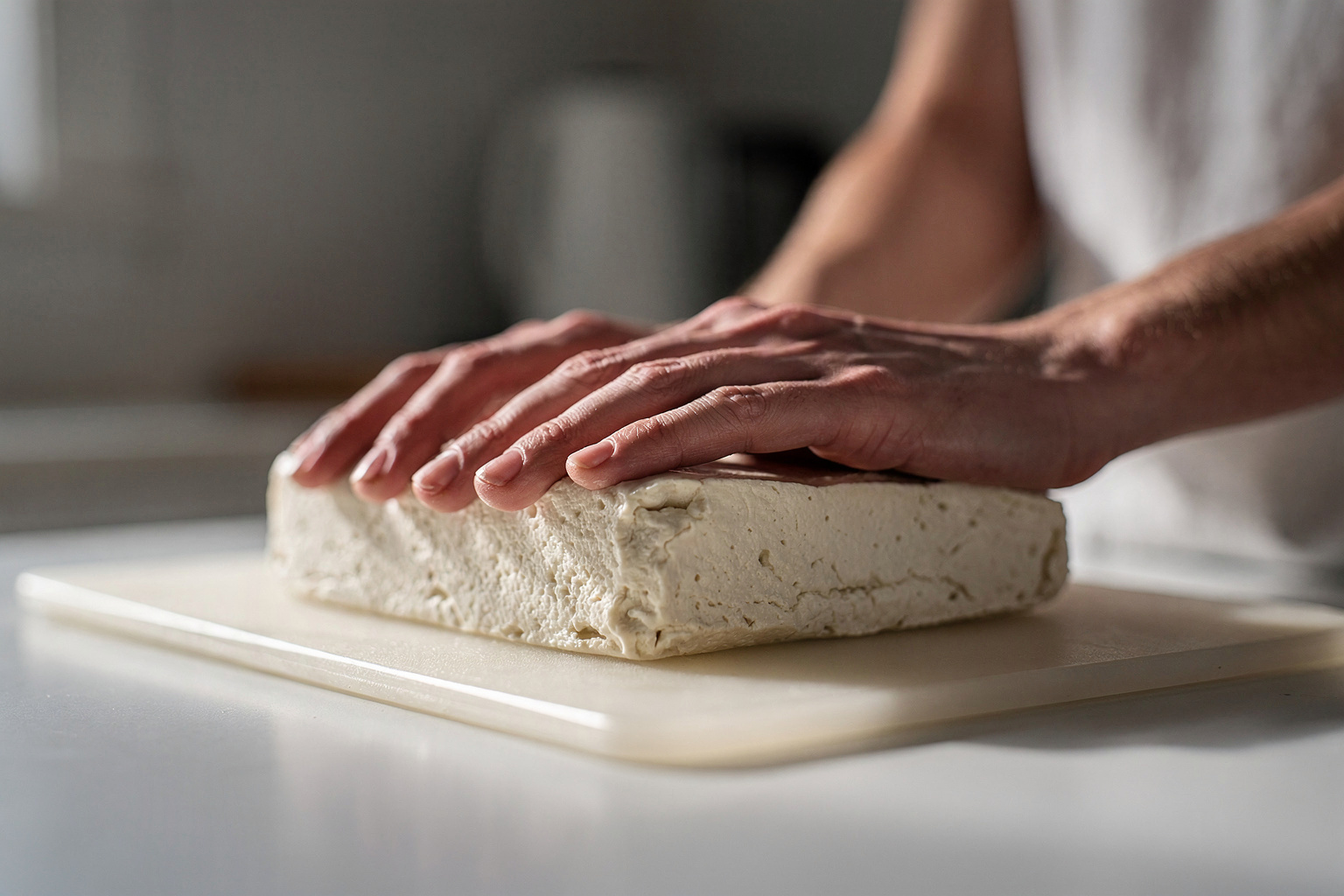
Tofu is a staple in vegan recipes, but many cooks skip pressing it, leaving it soggy. Pressing removes excess water so it can absorb marinades and brown properly. The fix: wrap tofu in a clean towel, place a heavy pan on top for 30 minutes, then marinate for at least 15 minutes. Cook in a hot, lightly oiled pan until golden. For a firmer texture, freeze tofu overnight, then thaw and press—freezing changes the structure, making it chewier (Cook's Illustrated, 2020).
“Tofu is a blank canvas. If you don't season it and cook it properly, you're not giving it a fair chance. The same goes for tempeh and seitan.”
Mistake 5: Neglecting fat and micronutrients
Fat is not the enemy; it carries flavour and helps absorb fat-soluble vitamins A, D, E, and K. Vegan diets can be low in these if you avoid oils, nuts, and seeds. The fix is to include a source of healthy fat at most meals: olive oil, avocado, nuts, seeds, or full-fat coconut milk. A 2021 study in the American Journal of Clinical Nutrition found that adding avocado to salads increased carotenoid absorption 2.5 times (AJCN, 2021).
Also watch for vitamin B12, iron, zinc, and omega-3s. Fortified plant milks and nutritional yeast provide B12; legumes and leafy greens provide iron (pair with vitamin C for absorption); flax and chia offer omega-3s. The Vegan Society recommends a B12 supplement for all vegans (The Vegan Society, 2023).
Mistake 6: Overcomplicating weeknight meals
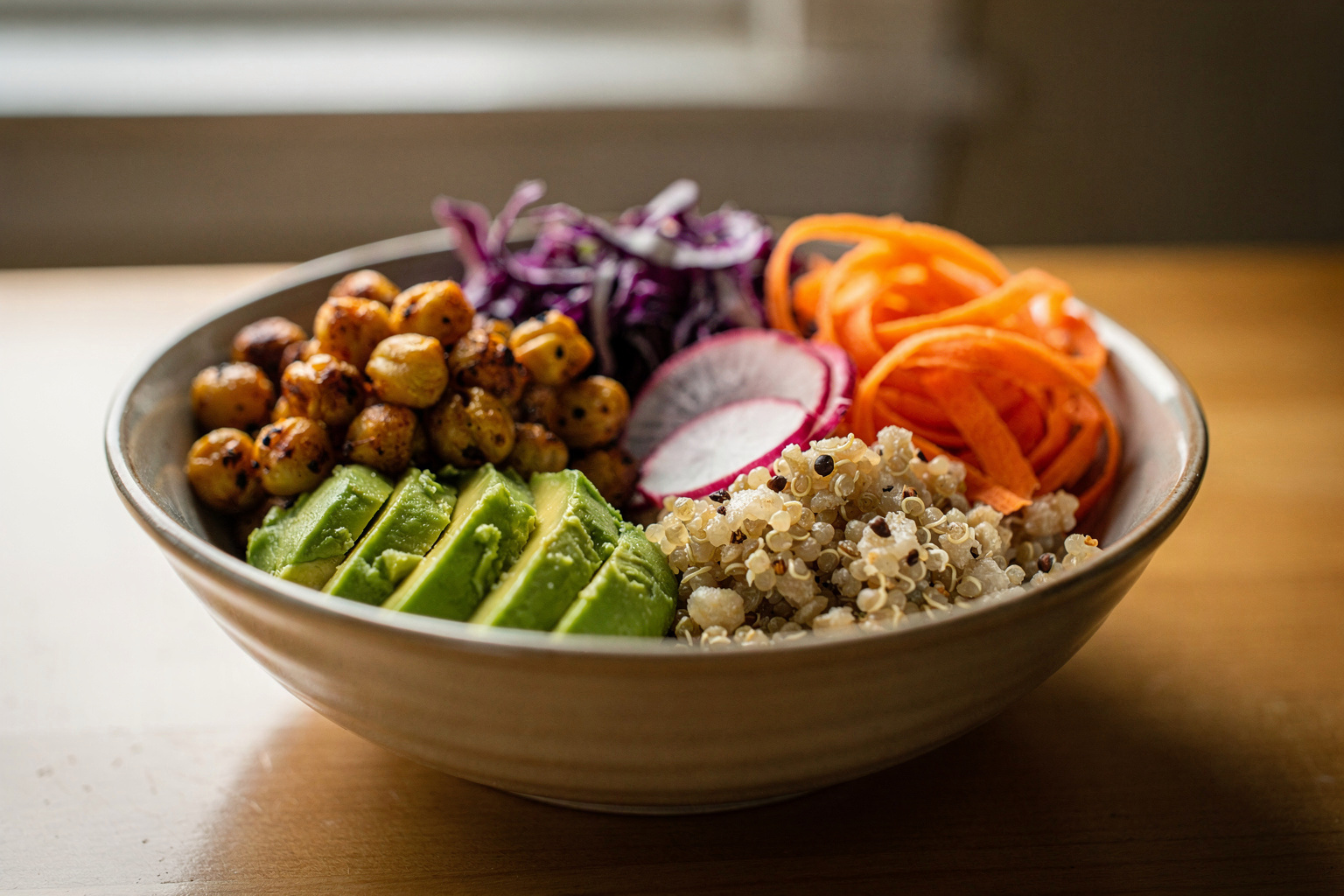
Many people abandon vegan recipes because they think every meal must be gourmet. In reality, simple combinations work: a grain, a protein, a vegetable, and a sauce. The fix is to batch-cook staples. On Sunday, cook a large pot of quinoa, roast a tray of vegetables, and make a tahini dressing. During the week, assemble bowls in five minutes.
How to build a satisfying vegan bowl in 5 steps
- 1
Choose a base
Start with 1 cup of cooked whole grains like brown rice, quinoa, or farro. These provide fibre and slow-release energy.
- 2
Add protein
Add 1 cup of cooked legumes (lentils, chickpeas, black beans) or 100g of tofu or tempeh. This keeps you full for hours.
- 3
Pile on vegetables
Include at least two cups of raw or roasted vegetables for vitamins, minerals, and colour. Spinach, broccoli, and peppers work well.
- 4
Drizzle a sauce
Whisk tahini with lemon juice and water, or blend avocado with lime and coriander. Sauce adds flavour and healthy fat.
- 5
Finish with crunch
Top with toasted seeds, nuts, or crispy chickpeas for texture. This makes the meal more satisfying.
Mistake 7: Ignoring egg and dairy alternatives in baking
Vegan baking fails when eggs and dairy are removed without replacements for structure, moisture, and leavening. The fix is to use tested substitutes. For each egg, use one tablespoon of ground flaxseed mixed with three tablespoons of water (flax egg), or three tablespoons of aquafaba (the liquid from a can of chickpeas). For buttermilk, add one tablespoon of lemon juice to a cup of plant milk and let it curdle. A 2020 study in Food Hydrocolloids found that aquafaba is an effective egg white replacer in meringues and cakes (Food Hydrocolloids, 2020).
Mistake 8: Not reading labels on vegan substitutes
Vegan meat and cheese substitutes can contain allergens like soy, wheat, and nuts, and may be highly processed. The fix is to read the ingredient list and nutrition panel. Choose products with short ingredient lists and moderate sodium. In the UK, the Vegan Society's trademark helps identify products that meet its standards (Vegan Society, 2024).
Mistake 9: Giving up after one bad recipe
Vegan cooking is a skill. Early attempts may disappoint, but repetition builds intuition. The fix is to start with reliable sources and simple recipes. Follow writers who test their recipes, such as those at Serious Eats or Rainbow Plant Life. Join online communities for troubleshooting. A 2023 survey by the food platform Kitchn found that 68% of people who cooked vegan meals at least three times a week reported increased confidence and enjoyment within a month (Kitchn, 2023).
Frequently asked questions
Why is my vegan food bland?+
Vegan food often tastes bland because cooks don't replace the umami and fat from animal products. Add umami-rich ingredients like mushrooms, miso, soy sauce, or nutritional yeast, and season in layers with salt, acid, and spices. Fat from oils, nuts, or avocado also carries flavour.
How do I get enough protein from vegan recipes?+
Eat a variety of plant proteins daily: legumes, grains, nuts, seeds, tofu, tempeh, and seitan. You don't need to combine them at every meal. Aim for 1.0–1.2 grams per kilogram of body weight for most adults, or up to 2.0g for athletes, according to the Academy of Nutrition and Dietetics (AND, 2022).
What is the best egg substitute for vegan baking?+
For binding, use a flax egg (1 tbsp ground flax + 3 tbsp water per egg). For leavening and structure, aquafaba works well in meringues and cakes. Commercial egg replacers like Bob's Red Mill also perform consistently. Each substitute behaves differently, so follow tested recipes.
Are vegan recipes healthier than meat-based ones?+
Well-planned vegan diets rich in whole foods are associated with lower risks of heart disease, type 2 diabetes, and certain cancers (The Lancet, 2019). However, vegan diets based on ultra-processed substitutes can be high in salt, sugar, and saturated fat. Focus on vegetables, fruits, whole grains, and legumes.
How can I make vegan meals more filling?+
Include protein, fibre, and healthy fat at each meal. Legumes, tofu, and tempeh provide protein and fibre; whole grains add bulk; nuts, seeds, and avocado add fat. These nutrients slow digestion and keep you full. Also drink water and eat slowly.