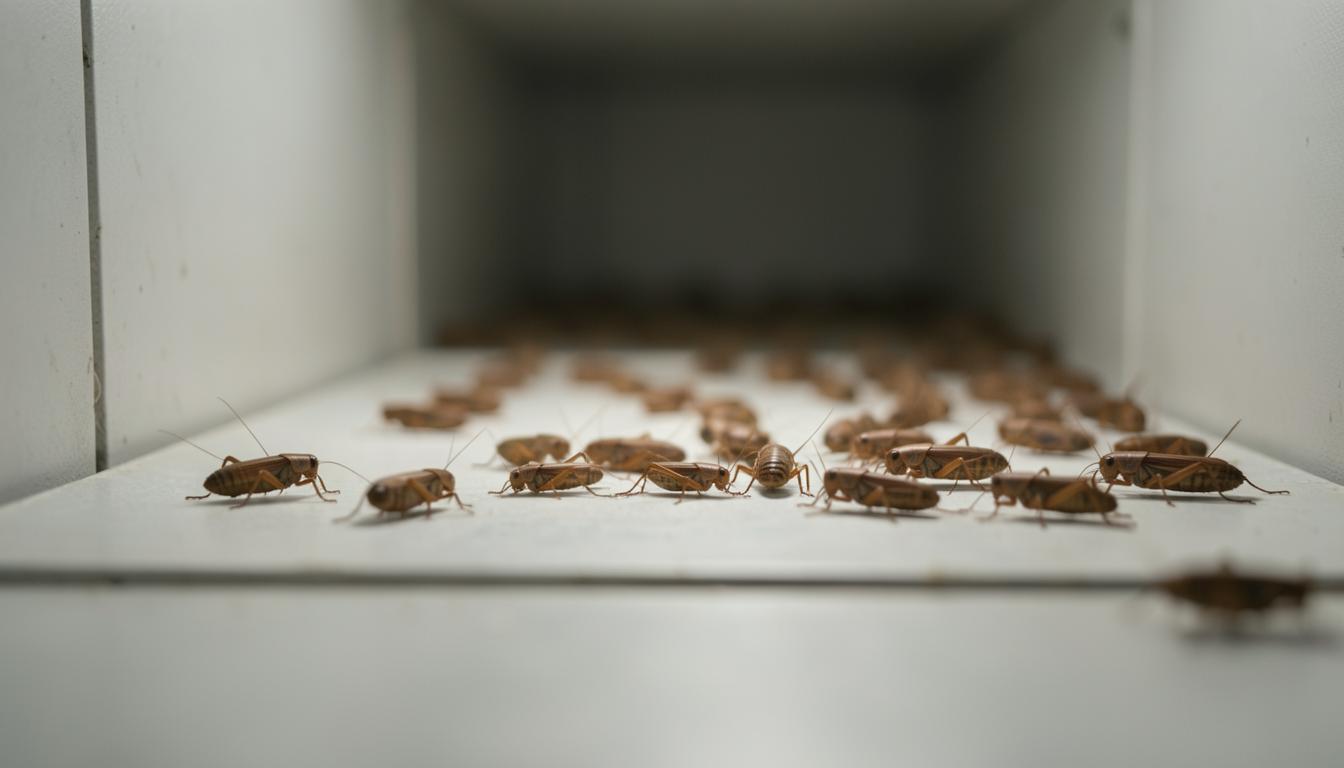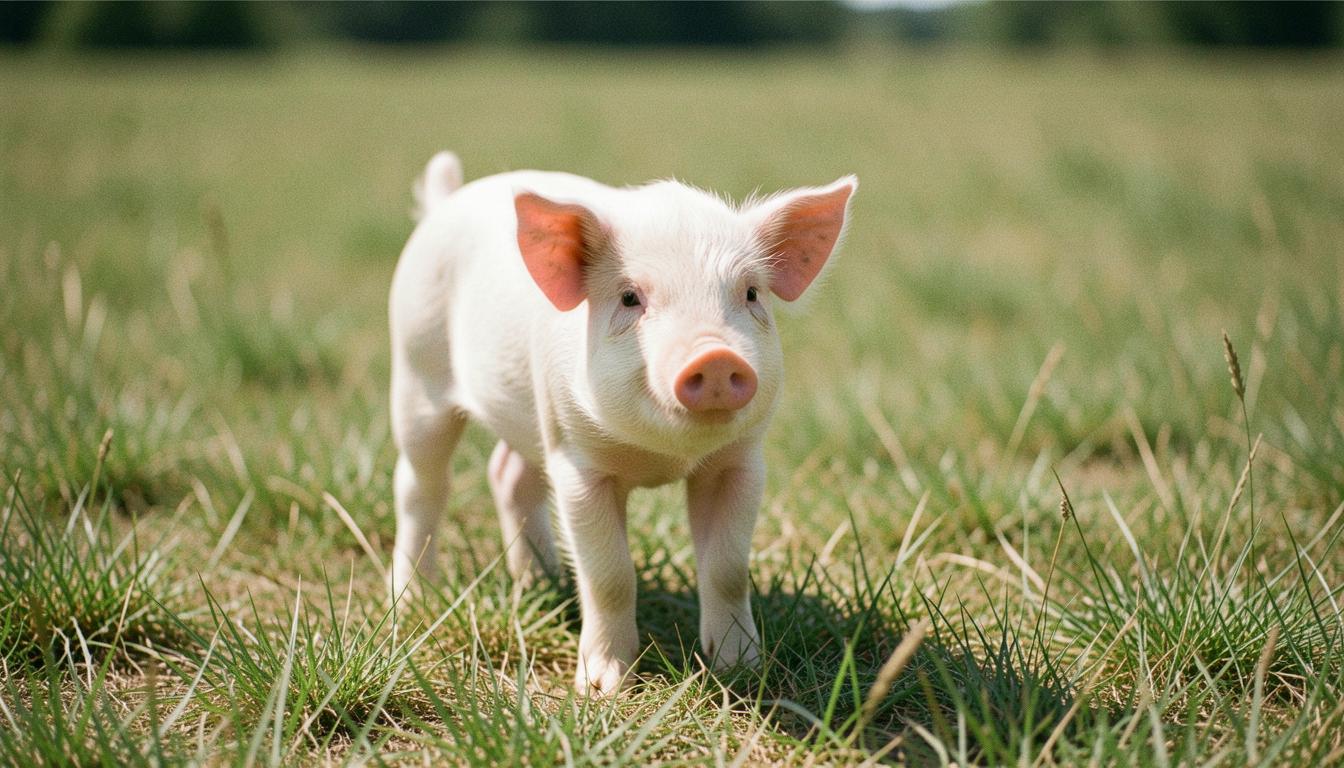
Animal cruelty laws establish the baseline for how society treats non-human sentient beings, though these protections are rarely uniform. These statutes, ranging from local municipal codes to national acts, determine the legal consequences for abuse and define the minimum welfare standards for animals in laboratories, factory farms, and domestic settings (Animal Legal Defense Fund, 2024).
Why do animal cruelty laws vary so significantly by jurisdiction?
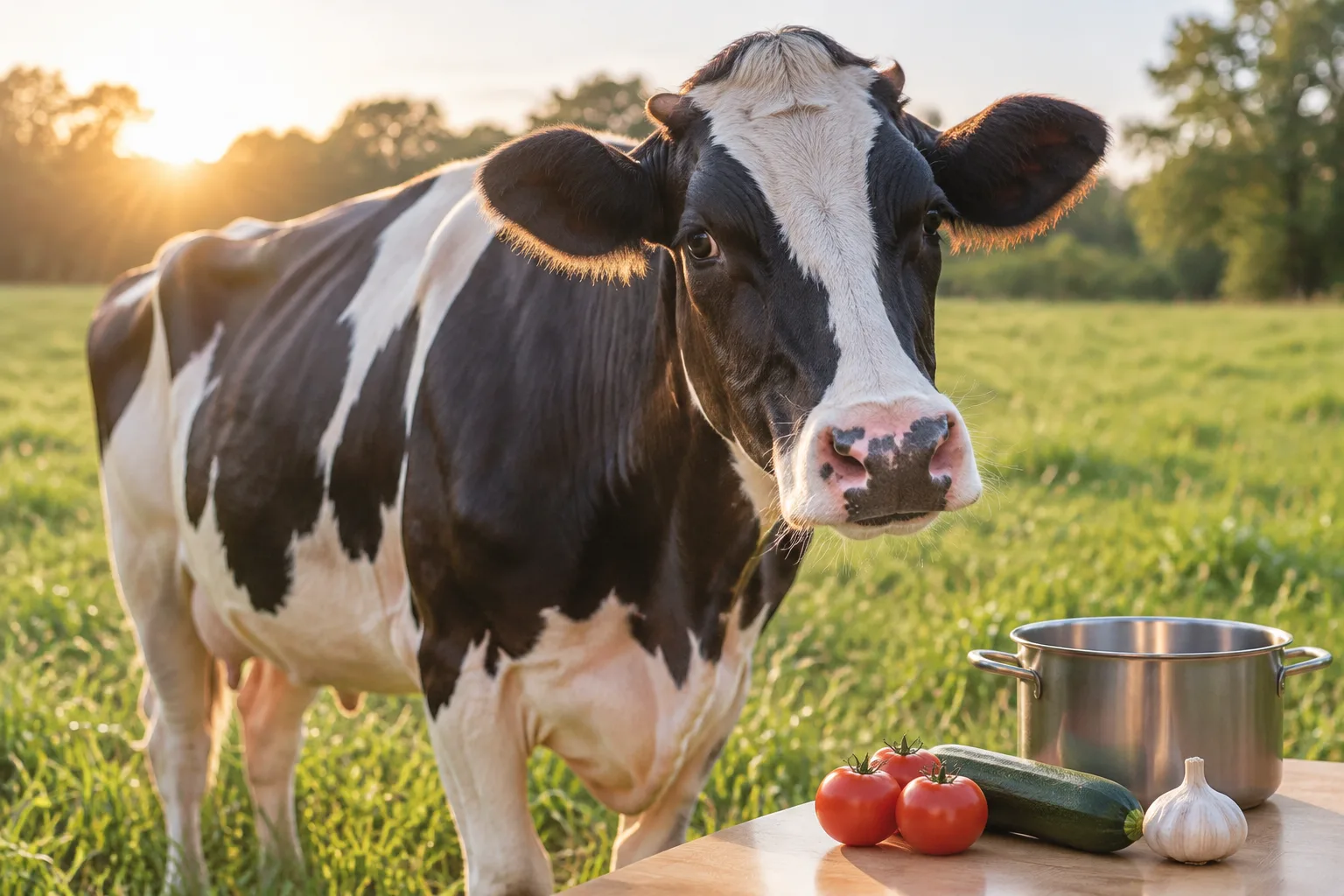
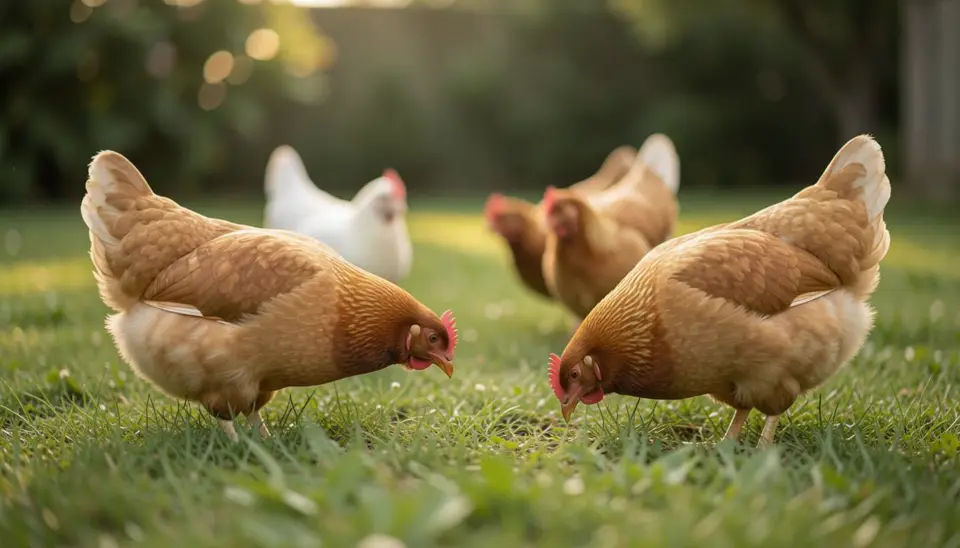
The variation in animal cruelty laws stems from historical agricultural exemptions and differing cultural perceptions of animal status. In the United States, for instance, the Animal Welfare Act (AWA) excludes livestock and birds, leaving these animals vulnerable to industry-standard practices that would be considered illegal if applied to a household pet (USDA, 2023).

In the United Kingdom, the Animal Welfare Act 2006 imposes a 'duty of care' on owners, yet enforcement often struggles in intensive farming environments. Meanwhile, in Australia, state-based legislation creates a fragmented system where live export protocols might satisfy federal requirements but fail local community expectations for animal welfare (RSPCA Australia, 2024).
“Legislative progress is often blocked by the misclassification of sentient creatures as mere property, which shifts the focus from rights to regulatory compliance.”
How can you find the specific rules that apply in your area?
Finding applicable regulations requires looking beyond national headlines and digging into local municipal codes. Most cities maintain an online database of ordinances that specify pet housing standards, leash laws, and public safety requirements.
How to track animal welfare legislation
- 1
Check Municipal Codes
Visit your local city council website and search for 'Animal Control' or 'Animal Welfare' ordinances to find specific local bans or requirements.
- 2
Use Legislative Trackers
Utilize reputable trackers like the Animal Legal Defense Fund's state ranking system to see how your region compares to others regarding felony animal cruelty provisions.
- 3
Review Agency Reports
Read the annual reports of your national welfare society, such as the RSPCA (UK) or Humane Society International, to identify current lobbying efforts and pending bills.
- 4
Monitor Public Consultations
Sign up for notifications from government departments responsible for agriculture or environment to comment on proposed changes to livestock transport or housing laws.
| Region | Primary Legislation | Farm Animal Focus |
|---|---|---|
| United Kingdom | Animal Welfare Act 2006 | Medium |
| United States | Animal Welfare Act | Low |
| Australia | Prevention of Cruelty to Animals Act | Low/Medium |
| Canada | Criminal Code (Section 445) | Low |
| Ireland | Animal Health and Welfare Act 2013 | Medium |
What is the impact of factory farming on current animal protection efforts?
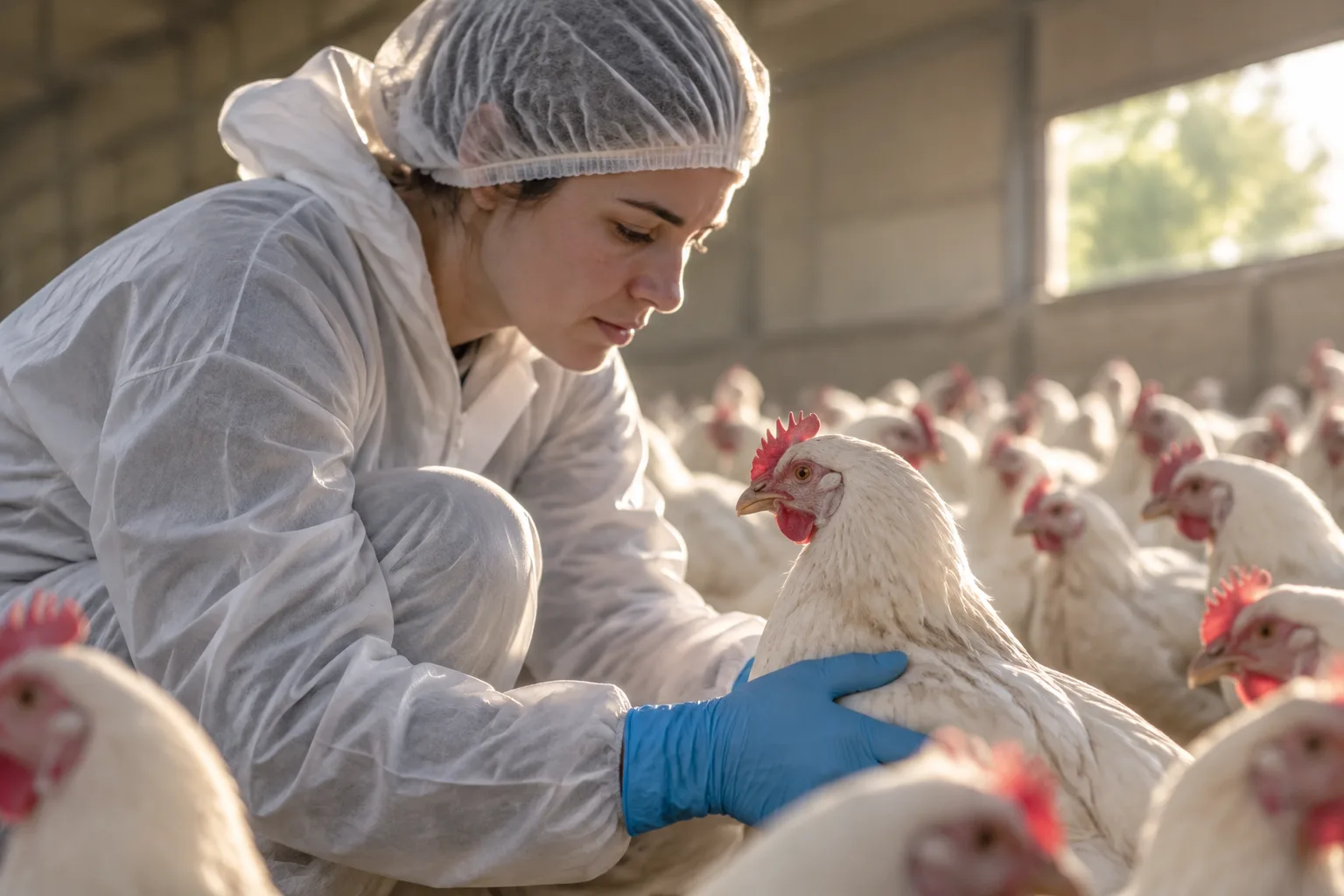
The industrialisation of meat production has severely limited the scope of modern animal cruelty laws. Because factory farms operate under 'customary farming practices', they are often exempt from the same cruelty laws that protect domestic animals.
Public Concern vs. Regulatory Change in Animal Welfare (2020-2025)
Frequently asked questions
Frequently asked questions
What is the difference between animal welfare and animal rights?+
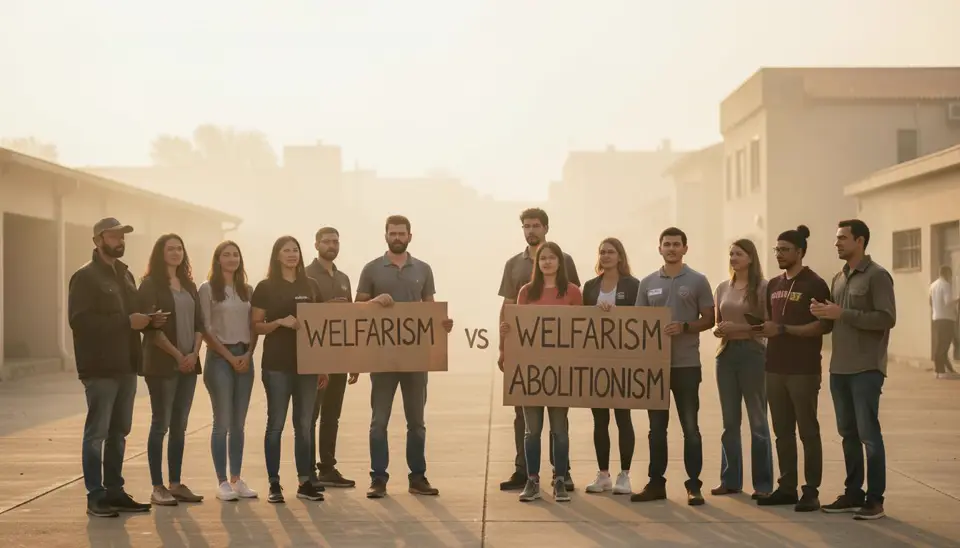
Animal welfare focuses on improving the living conditions of animals while maintaining their status as property or food sources. Animal rights suggests that animals have intrinsic value and should not be used by humans at all, advocating for the total abolition of animal exploitation.
How do I report suspected animal abuse?+
If you witness animal abuse, contact your local police department or animal control agency immediately. In the UK, contact the RSPCA; in the US, contact local law enforcement or your local humane society. Always document the date, time, location, and nature of the incident.
Are farm animals protected by the same laws as pets?+
Generally, no. Farm animals are typically excluded from many anti-cruelty laws under the guise of 'standard agricultural practice'. This allows for procedures such as debeaking or tail docking to occur without the pain relief required for companion animals.
Can I influence animal cruelty legislation?+
Yes. You can influence legislation by joining advocacy campaigns, writing to your local representative, participating in public consultation periods, and supporting businesses that adhere to high welfare standards, such as those with cruelty-free certifications.