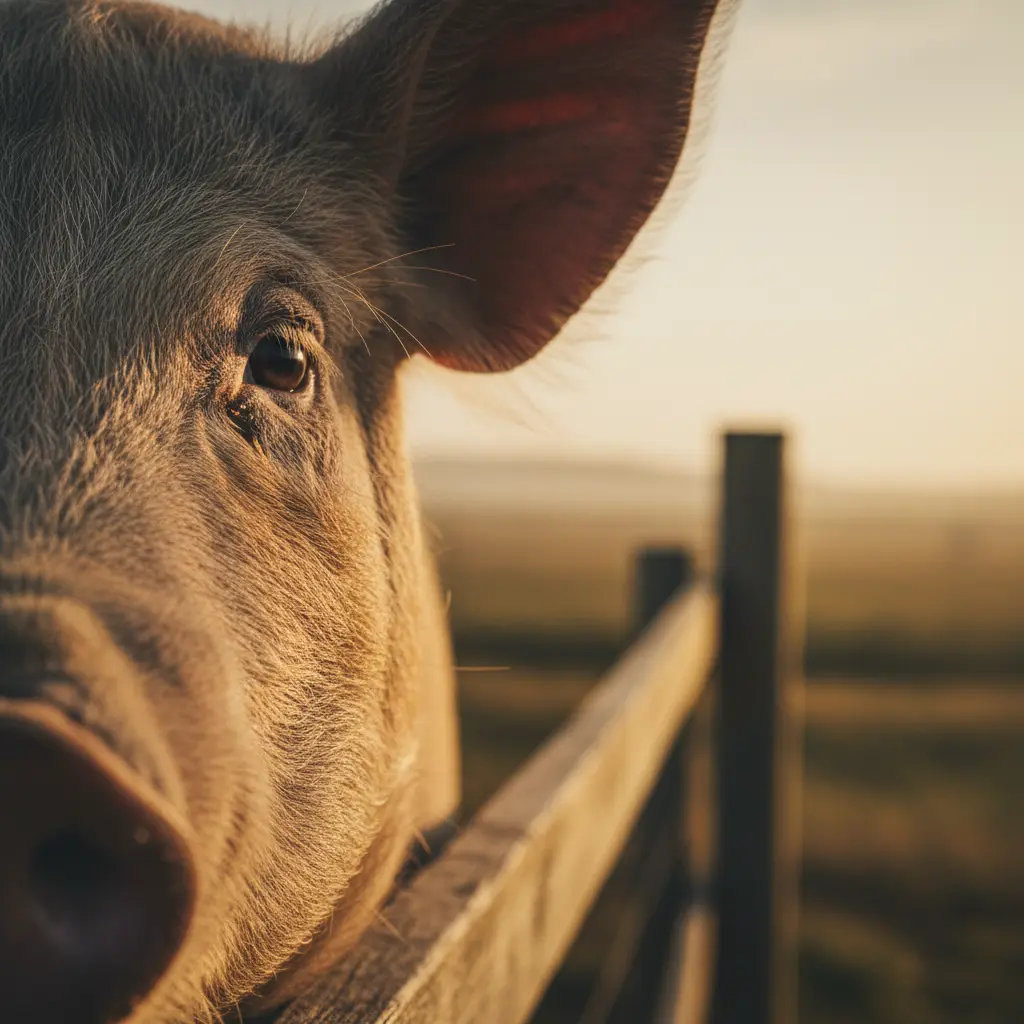
The core arguments for animal rights are rooted in scientific evidence of non-human sentience and consistent philosophical ethics. These arguments posit that animals, as conscious beings capable of experiencing pain and pleasure, possess interests that deserve moral consideration and legal protection, challenging the idea that they are mere property or resources.
1. The Argument from Sentience: Why Consciousness Matters
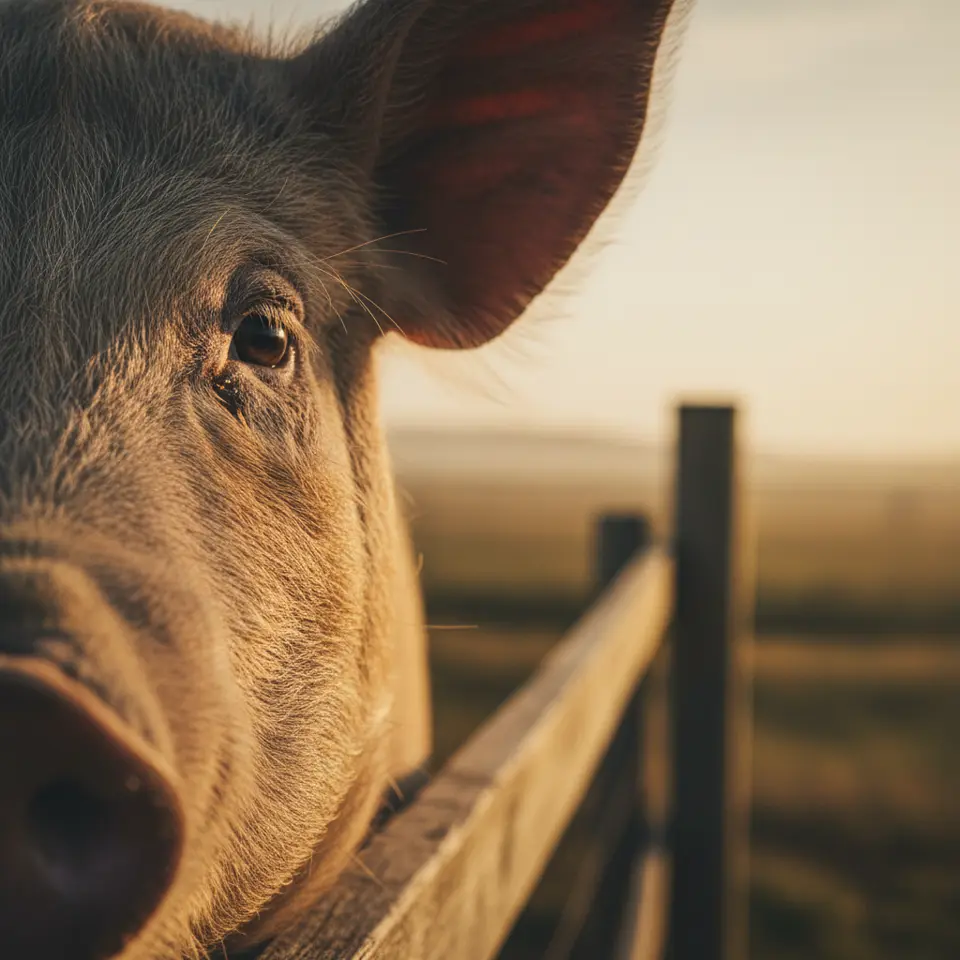
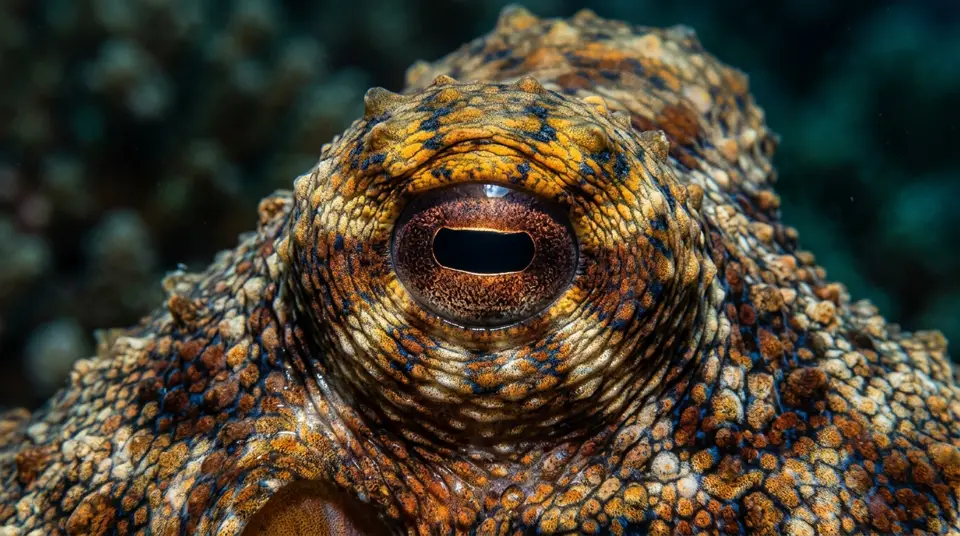
The capacity to feel pleasure, pain, fear, and joy—known as sentience—is the central pillar in the case for animal rights. For decades, the question of animal consciousness was debated, but today, the scientific consensus is clear. The 2012 Cambridge Declaration on Consciousness, signed by a prominent international group of cognitive neuroscientists, physiologists, and pharmacologists, asserted that non-human animals possess the neurological substrates for consciousness. This means that the mechanisms that generate feelings in humans are present in many other animals, including all mammals and birds, as well as octopuses and other creatures.
Philosopher Jeremy Bentham famously argued in the 18th century, "The question is not, Can they reason? nor, Can they talk? but, Can they suffer?" If a being can suffer, its suffering must be considered from a moral standpoint. To ignore that suffering simply because the being does not belong to our species is an arbitrary and ethically inconsistent position. This scientific confirmation of sentience provides a powerful, evidence-based foundation for extending moral consideration to animals.
2. What Is Speciesism and Why Is It Considered a Prejudice?
Speciesism is a term popularized by philosopher Peter Singer in his 1975 book, *Animal Liberation*. It describes the practice of assigning different values, rights, or consideration to individuals solely on the basis of their species membership. The argument posits that speciesism is a prejudice structurally similar to racism or sexism. Just as racism arbitrarily elevates one race over another and sexism one gender over another, speciesism arbitrarily elevates humans over all other species.
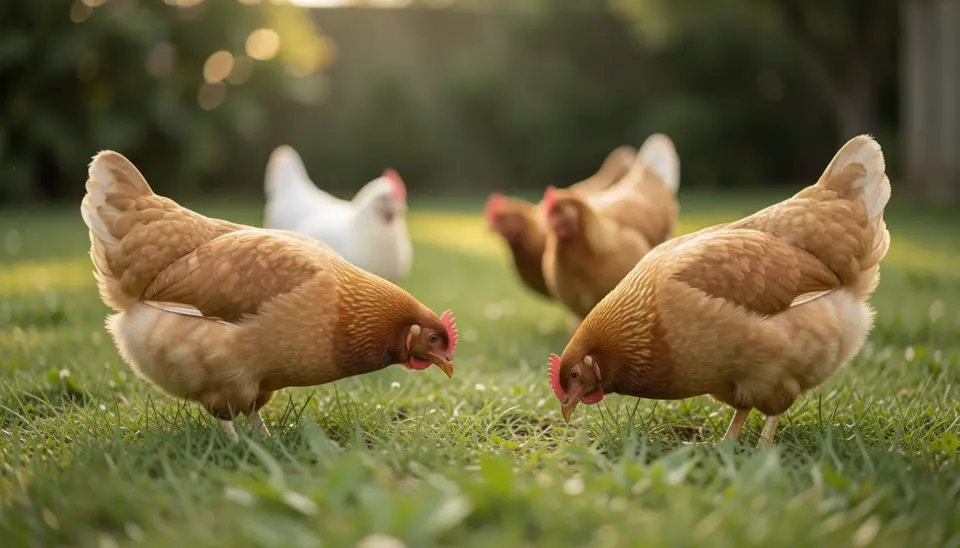
Critics of speciesism ask what morally relevant characteristic all humans share that all non-human animals lack. Intelligence? Language? Rationality? For any trait proposed, exceptions can be found. Some non-human animals (like chimpanzees or dolphins) display higher cognitive function than human infants or individuals with severe cognitive disabilities. If we grant basic rights to all humans regardless of their individual capabilities, then to be logically consistent, we must extend that consideration to non-human animals who share the relevant capacity for sentience. The argument is not that pigs and chickens should have the right to vote, but that their fundamental interest in not being subjected to pain and suffering should be respected.
“The moral architecture of our world is built on the flawed premise that 'human' is a synonym for 'person.' The scientific and ethical task of our time is to dismantle that prejudice.”
| Trait | Pigs | Chickens | Cows | Octopuses |
|---|---|---|---|---|
| Tool Use | Observed using bark to dig | Limited evidence | Limited evidence | Use coconut shells for shelter |
| Self-Awareness | Can recognize themselves in mirrors | Can distinguish between individuals | Recognize individual humans and other cows | Demonstrate problem-solving and play |
| Social Complexity | Complex social hierarchies | Establish 'pecking orders' | Form strong, lifelong friendships | Largely solitary, but complex behaviors |
| Emotional Contagion | Show empathy for stressed pen-mates | Mothers show empathy for chicks | Show stress when herd-mates are distressed | Exhibit behaviors indicative of curiosity |
| Long-Term Memory | Can remember locations and individuals for years | Remember up to 100 different faces | Excellent spatial memory for food sources | Can solve mazes and retain solutions |
3. The Environmental Argument: How Animal Agriculture Destroys Ecosystems
The demand for meat, dairy, and eggs is a primary driver of global environmental destruction. Animal agriculture is responsible for an estimated 14.5% of all anthropogenic greenhouse gas emissions, a figure comparable to the entire global transport sector (FAO, 2021). Methane from livestock, particularly cattle, is a potent greenhouse gas with a warming potential more than 25 times that of carbon dioxide over a 100-year period.
Beyond climate change, the industry has a colossal land and water footprint. Around 80% of global agricultural land is used for livestock grazing or growing feed for animals, yet it provides only 18% of global calories (Our World in Data, 2022). This extensive land use is the single biggest cause of habitat destruction and biodiversity loss, contributing to what many scientists are calling the planet's sixth mass extinction event. For example, in South America, an estimated 70% of Amazon deforestation is directly attributable to cattle ranching.
Greenhouse Gas Emissions per Kilogram of Food Product
4. The Argument from Unnecessary Suffering
In the modern world, especially in developed nations, consuming animals is not necessary for human survival or health. Major dietetic organizations, including the Academy of Nutrition and Dietetics, have affirmed that well-planned vegan diets are healthful and nutritionally adequate for all stages of life. Given that we can thrive without causing harm to animals, the question becomes an ethical one: is it morally justifiable to inflict immense suffering and death upon sentient beings for reasons of palate pleasure, habit, or convenience?
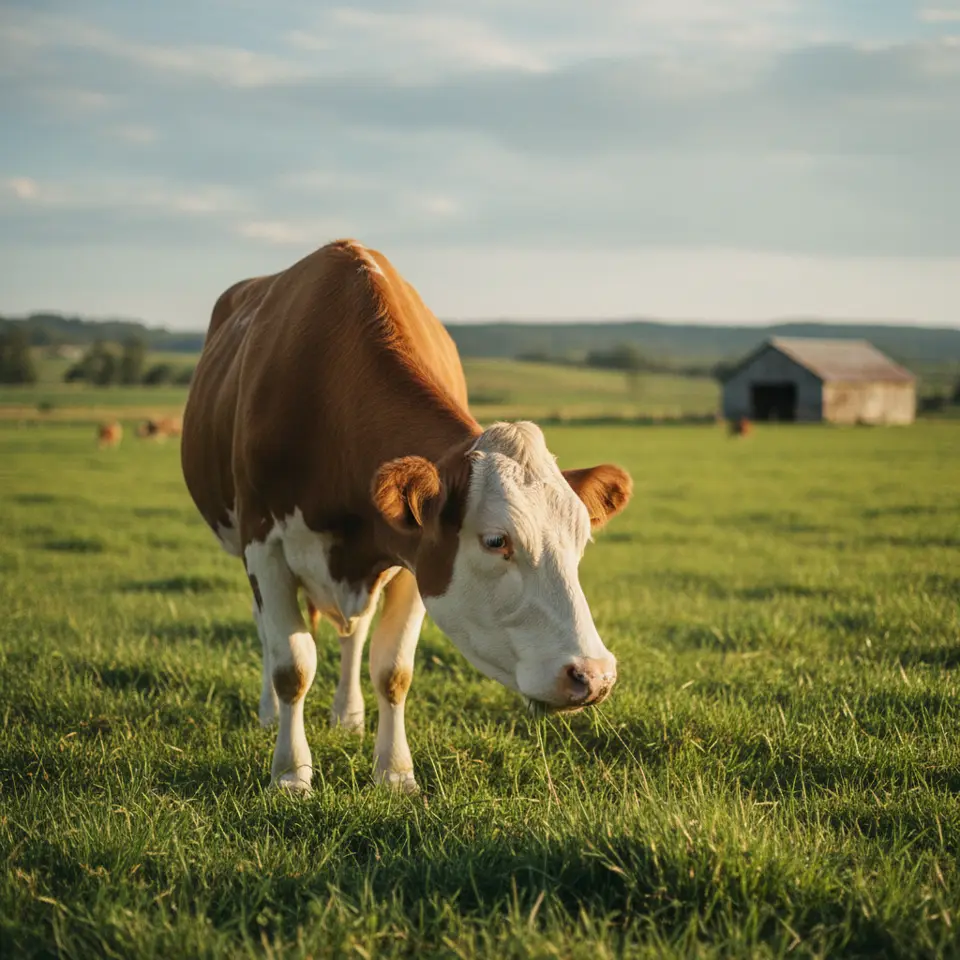
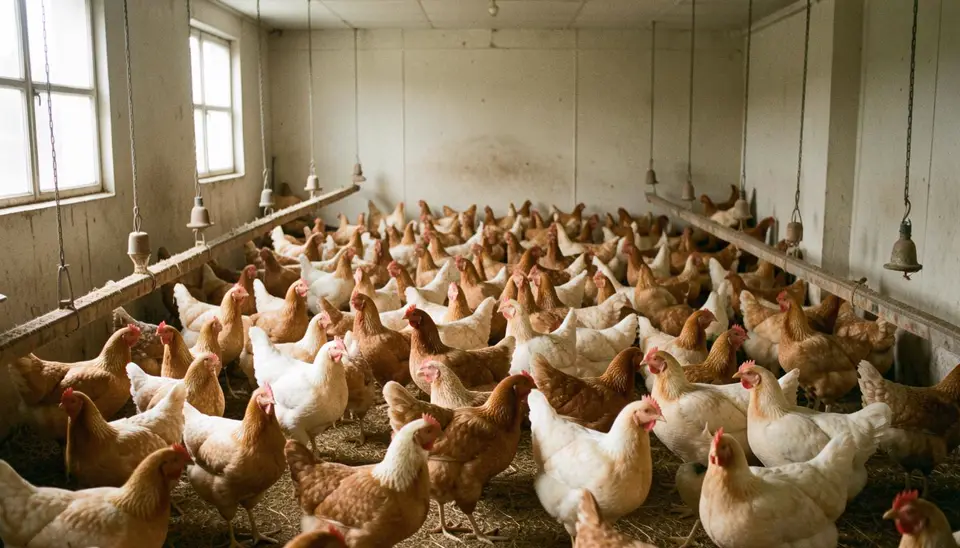
Over 90% of the world's farmed animals live in factory farms, where they are subjected to extreme confinement, routine mutilations without anesthetic (such as beak trimming and tail docking), and a brutal, premature death. These conditions are engineered for maximum efficiency and profit, with the animals' most basic behavioral needs completely ignored. From an ethical standpoint, if this suffering is not necessary for our well-being, it constitutes gratuitous harm on a massive scale.
5. From Property to Personhood: The Shifting Legal Landscape
Historically, animals have been classified under the law as property—mere things to be owned, used, and disposed of by humans. The animal rights movement seeks to challenge this status, advocating for a shift from property to 'personhood'. It is crucial to understand that 'legal personhood' is not the same as being human. Corporations, municipalities, and even ships can be granted legal personhood, which provides them with the standing to have their interests represented in court.
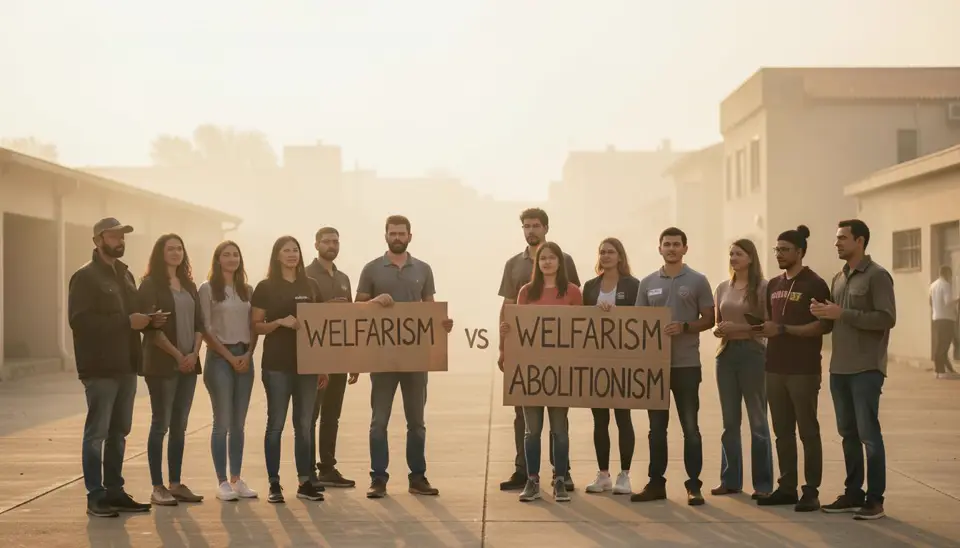
Groundbreaking legal cases are beginning to test this boundary. In 2014, an Argentinian court granted a writ of habeas corpus to an orangutan named Sandra, recognizing her as a 'non-human person' with the right to liberty. Organizations like the Nonhuman Rights Project in the United States continue to file lawsuits on behalf of chimpanzees and elephants, arguing for their right to bodily liberty. While progress is slow, these cases signal a profound shift in legal thinking, moving away from a framework of welfare (regulating use) toward one of rights (questioning use itself). Countries like Spain, New Zealand, and the UK have all passed legislation recognizing animal sentience, laying the groundwork for future rights-based protections.
6. How to Advocate for Animal Rights in Your Daily Life
Steps to Align Your Actions with Animal Rights
- 1
Transition Your Diet
Reduce or eliminate your consumption of animal products. Start with 'Meatless Mondays' or try transitioning one meal a day to a plant-based option. This directly reduces demand for factory-farmed animals.
- 2
Choose Cruelty-Free Products
Look for certified cruelty-free logos (like Leaping Bunny) on cosmetics, personal care, and household items to ensure they were not tested on animals. Many apps can scan barcodes to verify a product's status.
- 3
Avoid Animal Entertainment
Decline to support institutions that use animals for entertainment, such as circuses with animal acts, roadside zoos, and marine parks. Opt instead for nature documentaries or visits to accredited sanctuaries.
- 4
Support Sanctuaries and Rescues
Donate time or money to reputable farm animal sanctuaries. These organizations provide a safe haven for rescued animals and educate the public about the realities of animal agriculture.
- 5
Educate Yourself and Others
Read books, watch documentaries (like *Cowspiracy* or *Dominion*), and follow animal rights organizations online. Share what you learn respectfully with friends and family to raise awareness.
- 6
Engage in Political Advocacy
Contact your local and national representatives to support legislation that protects animals, such as bans on factory farming practices, fur farming, or animal testing. Sign petitions and join campaigns.
Frequently Asked Questions
What is the difference between animal rights and animal welfare?+
Animal welfare accepts that humans can use animals, but argues that we have a duty to ensure they are treated humanely and without unnecessary suffering. Animal rights, in contrast, is the philosophical view that animals are not ours to use for food, clothing, entertainment, or research at all. It seeks to end the status of animals as property and grant them fundamental rights, such as the right to live free from human exploitation.
Are plants sentient too?+
While plants are complex organisms that can react to stimuli, they lack central nervous systems, brains, and other neurological structures associated with consciousness and the capacity to feel pain. Sentience requires a subjective, aware experience. The overwhelming scientific consensus is that plants do not have this capacity, while many non-human animals do. Therefore, the ethical implications of eating plants and animals are fundamentally different.
If we stop eating animals, wouldn't they overpopulate or go extinct?+
The vast majority of animals we eat are farm animals, which exist in such enormous numbers only because we breed them for consumption. A global shift toward a plant-based diet would be gradual, leading to a decrease in the number of animals being bred. Farm animal populations would decline to a manageable level. Many could live out their lives in sanctuaries, and their species would be preserved in a way that does not depend on their mass exploitation.
Don't humans have canine teeth, meaning we are supposed to eat meat?+
This is a common misconception based on a misunderstanding of anatomy. While humans have 'canine' teeth, they are short and blunted, unlike the long, sharp canines of true carnivores. Our digestive systems, with long intestinal tracts and weaker stomach acid, are much more similar to herbivores. This biological argument is also a logical fallacy; just because our bodies *can* do something does not mean it is ethically right to do so.