Wildlife conservation is the work of protecting wild animals, plants and the places they depend on. It combines habitat protection, restoration, laws, research and community action; rewilding is one possible tool, not a complete solution. The most effective efforts address the causes of decline, respect local and Indigenous rights, and track whether wildlife and ecosystems actually recover.
What does wildlife conservation involve?
Wildlife conservation works at several scales: a threatened species, the habitat it needs, and the wider landscape or seascape connecting its populations. A species is a group of organisms that share defining characteristics; a population is a group of that species living in a particular area. Protecting a single animal from harm may help, but conservation usually needs to address the conditions affecting whole populations.
Biodiversity means the variety of life, from genetic differences within a species to the habitats and ecological communities where species live. Habitat is the food, shelter, breeding space and environmental conditions an organism needs. A forest fragment surrounded by roads, farms or housing may remain green on a map while losing the connections that allow animals to move, find mates and adapt.
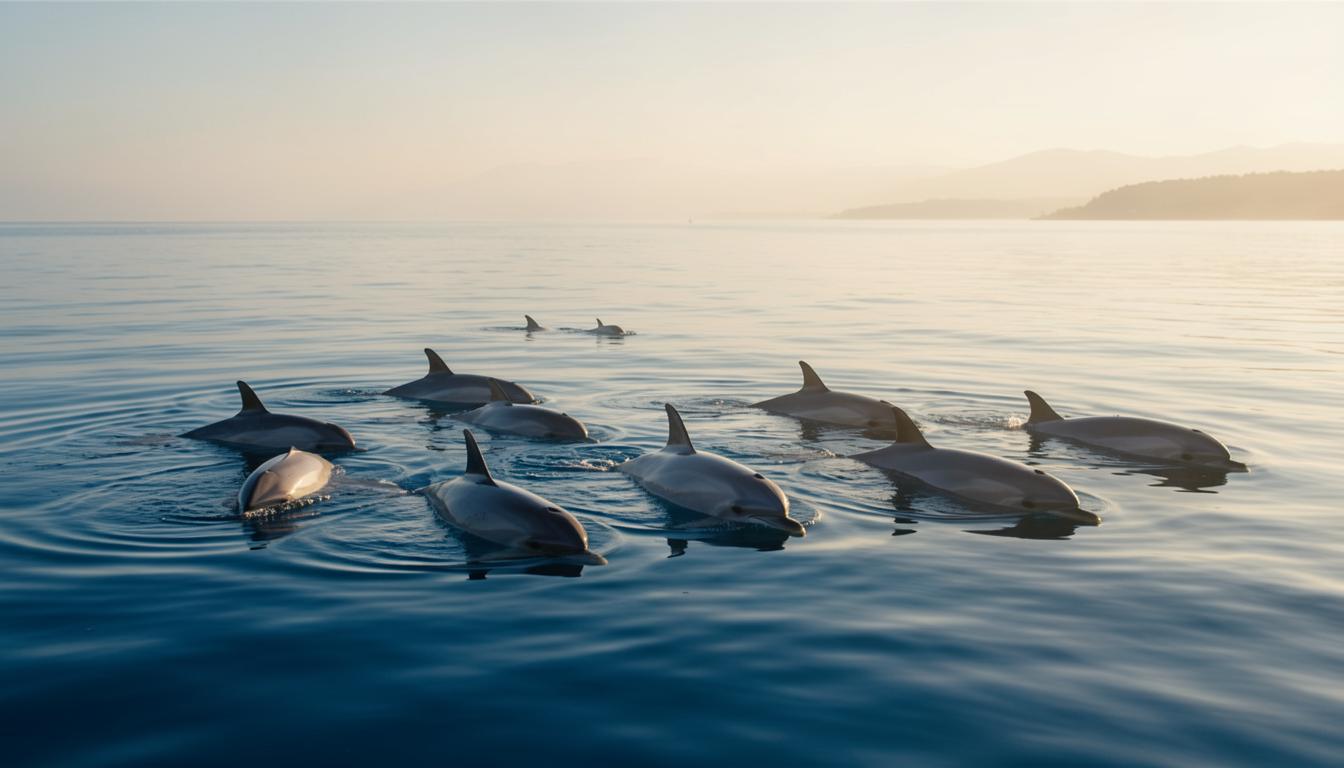
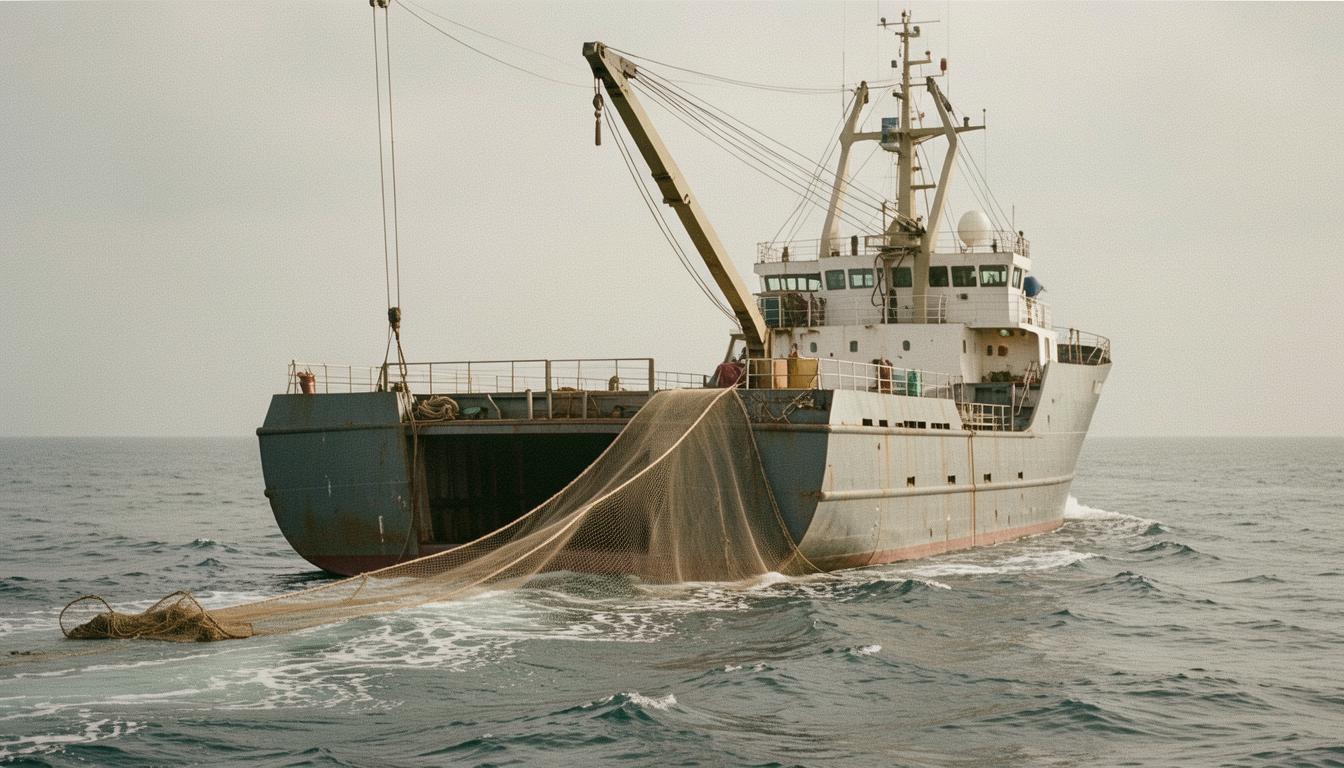
The pressures differ by place. In the Amazon and other tropical regions, conversion of forests for agriculture and infrastructure is a major concern; in the UK and Ireland, habitat fragmentation, intensive land use and declining ecological quality affect many species. Across oceans, fishing pressure, warming and pollution operate alongside habitat damage. Conservation starts by identifying which pressures matter in a particular place, rather than assuming one remedy fits every landscape.
Why pair habitat protection with rewilding?
Protecting existing high-quality habitat is usually the first priority; restoration cannot quickly replace an old forest, wetland or reef once it is lost. Rewilding can complement protection by helping natural processes return to places where they have been disrupted. Those processes include flooding, seed dispersal, grazing, predation and the gradual return of native vegetation.
Rewilding is not simply leaving land unattended, nor does it always mean releasing large animals. A project might restore a river’s natural course, allow woodland to regenerate, reconnect a wetland to floodplains or reduce intensive management so native plants and animals can return. In Britain, the Knepp Estate in West Sussex is a well-known example of former intensively farmed land managed to encourage natural processes. Its experience is informative, but not a template that can be copied unchanged everywhere.
Good land-use planning makes room for both nature and people. That may mean linking reserves with hedgerows, river corridors or wildlife-friendly farmland; protecting Indigenous territories; or designing roads to reduce collisions and maintain animal movement. In the United States, the Endangered Species Act provides a framework for protecting listed species and critical habitat. Canada’s Species at Risk Act, the UK’s Wildlife and Countryside Act, Australia’s Environment Protection and Biodiversity Conservation Act, and India’s Wildlife (Protection) Act also provide national legal frameworks, though the rules and results vary.
“The health of ecosystems on which we and all other species depend is deteriorating more rapidly than ever.”
The finding reflects the urgency of protecting functioning ecosystems, not a case for treating people as separate from nature. Conservation can fail when decisions exclude the people who live with wildlife or bear the costs of restrictions. Durable projects listen to local knowledge, recognise land rights, address conflict and make benefits visible to communities.
Which wildlife conservation approaches work, and when?
No single approach works for every species or place. Conservation plans are strongest when they match the main threat, combine measures where needed and include local people in decisions. The table compares common approaches; a project may use several at once.
| Approach | What it does | Example or limitation |
|---|---|---|
| Protect habitat | Sets rules or stewardship agreements to prevent damaging land or sea conversion. | A reserve can protect nesting grounds, but needs fair governance and effective management. |
| Restore habitat | Repairs damaged ecosystems, such as wetlands, forests or reefs. | Replanting alone may fail if pollution, altered water flow or other causes remain. |
| Reconnect landscapes | Creates corridors or safer routes between separated habitat patches. | Hedgerows and wildlife crossings can help movement, but should fit the target species. |
| Reduce direct threats | Tackles hunting, illegal trade, bycatch, invasive species or pollution. | Enforcement and alternatives for affected communities can be essential. |
| Support species recovery | Uses measures such as captive breeding, nest protection or carefully planned reintroductions. | Releases need suitable habitat, threat reduction and long-term monitoring. |
| Share stewardship | Supports Indigenous and community-led conservation and local decision-making. | Projects are stronger when rights, costs and benefits are addressed transparently. |
How serious is biodiversity loss, and how is progress measured?
Researchers measure conservation progress in different ways: population trends, habitat condition, species extinction risk and the effectiveness of management. These measures answer different questions. For example, a rising area of land under a conservation designation does not by itself prove that species populations are recovering.
The Living Planet Index tracks changes in the average abundance of monitored vertebrate populations; it does not count all wild animals or estimate the number of species lost. In its 2024 report, WWF and the Zoological Society of London reported a 73% average decline in monitored wildlife populations globally from 1970 to 2020. The regional figures below show that declines varied widely; they are not a ranking of the number of animals remaining.
Average change in monitored vertebrate population abundance, 1970–2020
Protected areas are another useful but limited measure. The 2024 Protected Planet Report estimated that 17.6% of land and inland waters and 8.4% of marine and coastal areas were within protected or conserved areas. The global 30-by-30 target, agreed under the Kunming-Montreal Global Biodiversity Framework in 2022, aims to conserve at least 30% of land and sea by 2030. Meeting that target well means effective, connected and equitably governed conservation, not just drawing more boundaries.
How can beginners support effective wildlife conservation?
Start close to home, then connect local action to larger pressures. A city park, beach, farm edge or stream can provide habitat, while local conservation organisations can explain which species and threats matter there. In the United States, the National Wildlife Federation and local land trusts offer routes into habitat work; in the UK, the Wildlife Trusts work across counties; in Canada, Australia and India, look for reputable local conservation groups and Indigenous-led initiatives.
Before donating or volunteering, check whether a group names its goals, publishes reports, explains how it works with local communities and measures results. Ask whether the work protects habitat over time, who has authority over the land, and how the organisation handles wildlife conflict. Be cautious of projects that promise simple fixes, guarantee a species will recover quickly or rely mainly on dramatic animal encounters.
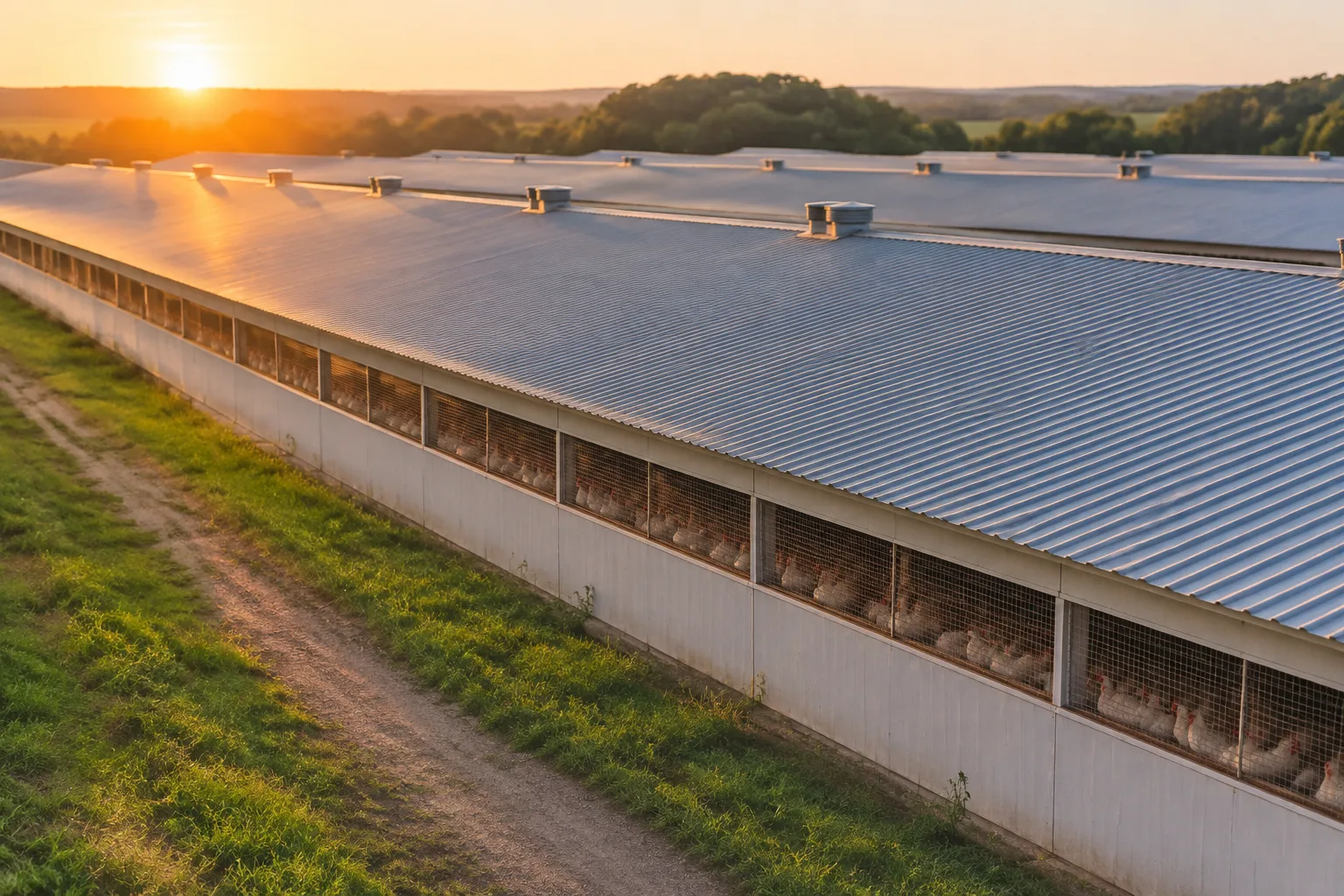
Everyday choices can support conservation, but they are not a substitute for strong laws and accountable land-use decisions. Food production can drive habitat conversion through land for crops, pasture and animal feed; choosing more plant-based meals can reduce some pressure on land, while companies and governments remain responsible for supply-chain transparency and habitat safeguards. When shopping, look beyond a reassuring label and check what it certifies, what it leaves out and whether it has independent oversight.
How to choose a conservation action you can sustain
- 1
Find your local ecosystem
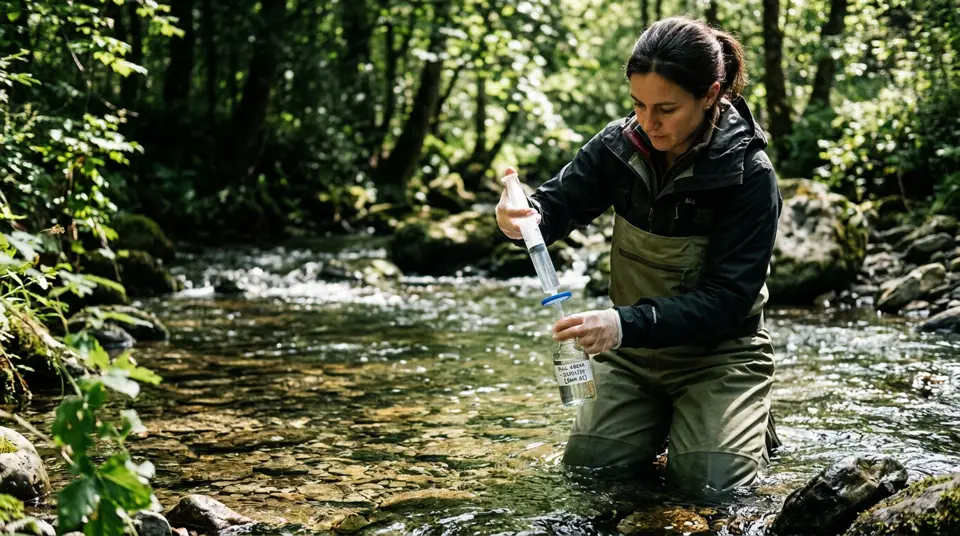
Identify the nearest woodland, wetland, grassland, river, coast or urban green space. Check local council, park or conservation-group guidance before planting or removing anything.
- 2
Learn what lives there
Use a reputable local species guide or join a supervised survey. Record observations carefully, and avoid disturbing nests, dens, roosts or wildlife during sensitive seasons.
- 3
Identify the main pressure
Ask a local group whether habitat loss, invasive species, pollution, roads, disturbance or another threat is the priority. Match your contribution to that documented need.
- 4
Check who leads the work
Find out whether local or Indigenous communities help make decisions, how land rights are respected, and whether volunteers are trained and supervised.
- 5
Choose one practical commitment
Volunteer, donate, join a citizen-science survey or improve a suitable patch of habitat with native plants. Follow local advice rather than introducing species independently.
- 6
Review the evidence
After a month, check what your action contributed and what the project reports. Continue, adjust or redirect your support based on the organisation’s aims and results.
Frequently asked questions about wildlife conservation
Frequently asked questions
What is the main goal of wildlife conservation?+
The main goal of wildlife conservation is to prevent the loss of species and maintain or restore the ecosystems they need to survive. That means reducing the causes of decline, protecting habitat, supporting recovery where possible and making sure conservation decisions are effective and fair to the people connected to those places.
What is the difference between conservation and rewilding?+
Conservation is the broad work of protecting and recovering wildlife and ecosystems. Rewilding is one approach within that work: it helps natural processes and ecological relationships return, for example through river restoration or natural woodland regeneration. Rewilding is not suitable everywhere and does not replace the need to protect existing habitat.
Can one person make a difference to wildlife conservation?+
One person can contribute through local habitat work, citizen science, volunteering, donations and informed civic action. These efforts matter most when they support credible projects with clear goals and community involvement. Individual choices can add pressure for better land-use and supply-chain decisions, but lasting conservation also needs collective action and accountable policy.
Which conservation organisations should I support?+
Look for organisations that state specific goals, publish financial and progress information, work with local or Indigenous communities and explain how they assess results. A familiar name is not enough to judge impact. Check whether the group’s work addresses the main threat in the place you care about and whether its approach respects local rights.
Does planting trees help wildlife?+
Planting trees can help when the right native species are added to a suitable place and the planting improves habitat. It can harm ecosystems if trees replace naturally open habitats such as grasslands or peatlands, or if unsuitable species are planted. Protecting existing mature habitat is usually more reliable than assuming new planting is automatically beneficial.
Your 7-day and 30-day wildlife conservation starter plan
Use the first week to learn what your local landscape needs, then turn that knowledge into one month of consistent support. Keep the commitment manageable: a single well-chosen action is more useful than a long list disconnected from local priorities.
| When | Action | What progress looks like |
|---|---|---|
| Day 1 | Choose a nearby habitat and find its local conservation group or land manager. | You have a reliable contact and know who manages the place. |
| Day 2 | Read about one local species and the habitat it depends on. | You can name one relevant habitat need or threat. |
| Day 3 | Check the group’s goals, public reporting and community relationships. | You can explain what the project aims to change and who leads it. |
| Day 4 | Ask which volunteer, survey or donation opportunity is currently useful. | You have a specific action that fits the project’s priorities. |
| Day 5 | Make one practical change, such as joining a local survey or planning a suitable native planting. | The action follows local guidance and avoids disturbing wildlife. |
| Days 6–7 | Take part, sign up or set a realistic recurring commitment. | A date, amount or task is in your calendar. |
| Days 8–30 | Complete the commitment, follow project updates and review what the work measures. | You know what your support contributed and whether you will continue. |