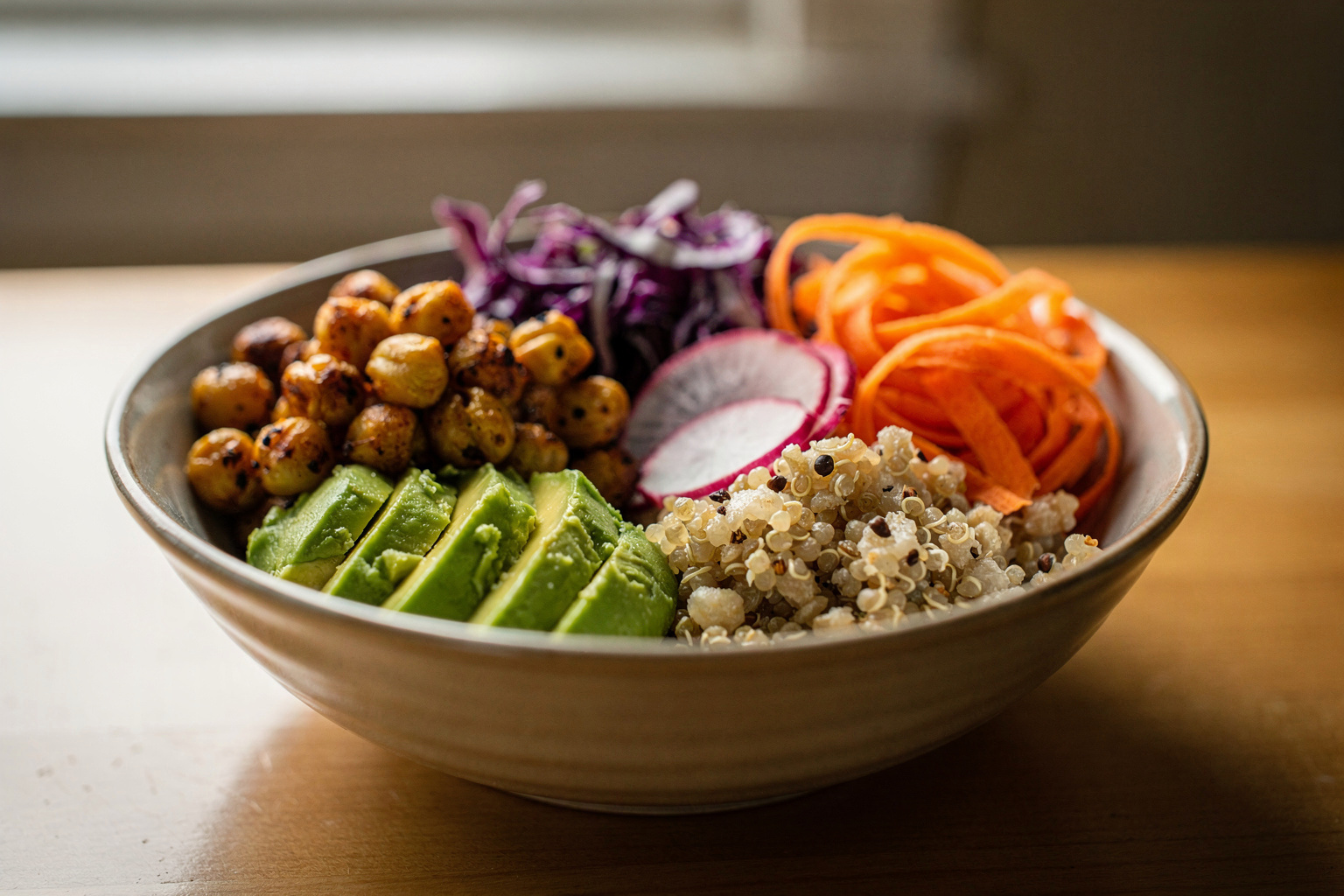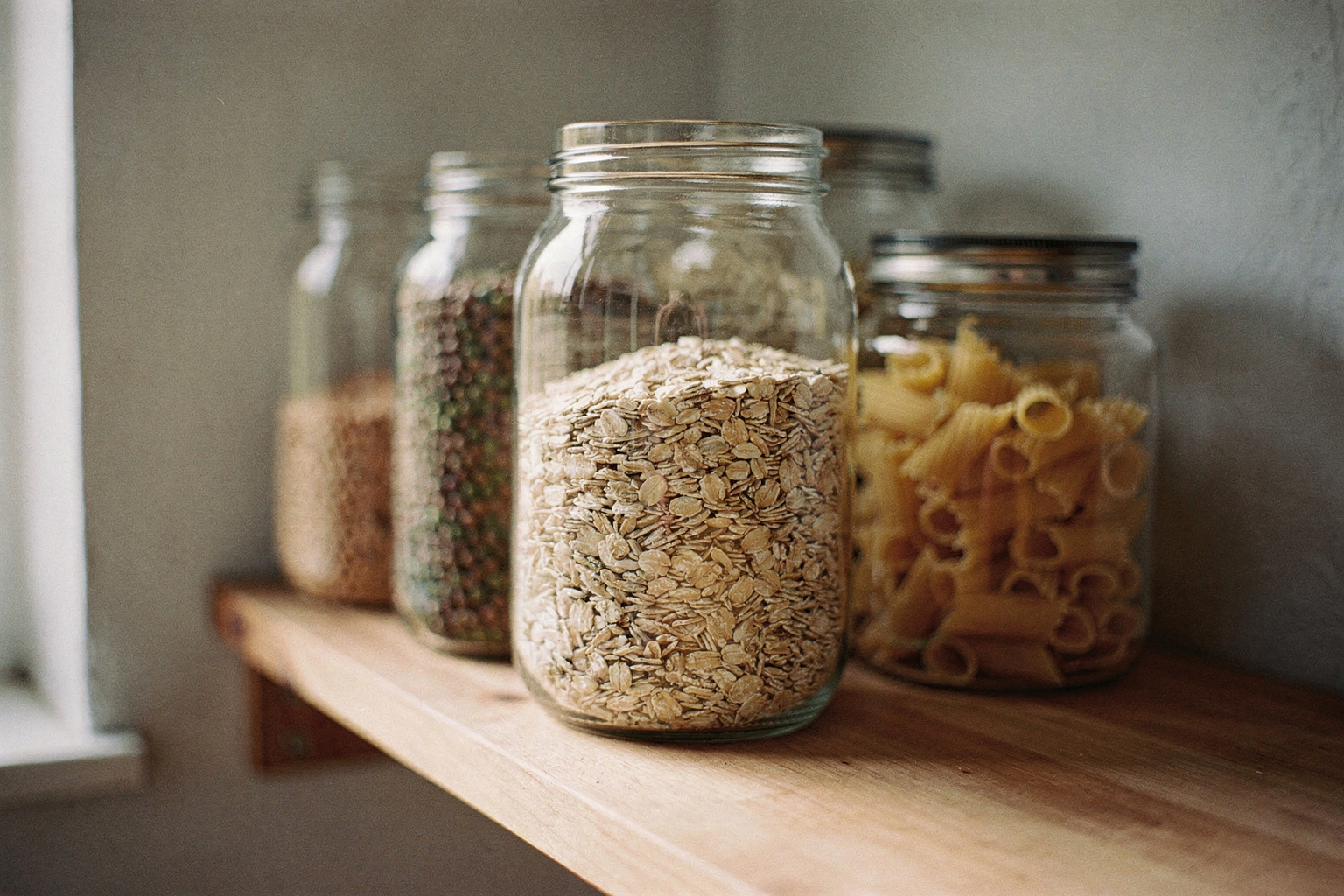
Cheap vegan meals on a budget are entirely achievable: a Bristol community kitchen called Root & Branch serves 2,000 plant-based meals a week at an average cost of £1.15 per plate by building dishes from lentils, tinned tomatoes, frozen vegetables and own-brand grains. Its five-year record shows that affordability, nutrition and animal-welfare goals can align.
Why did Root & Branch start cooking cheap vegan meals?
Root & Branch opened in 2020 in Easton, Bristol, as a response to two overlapping crises: rising food insecurity and the environmental toll of factory farming. Its founders, chef Aisha Bello and community organiser Tom Reeves, wanted to prove that eating vegan on a low income was not a luxury.
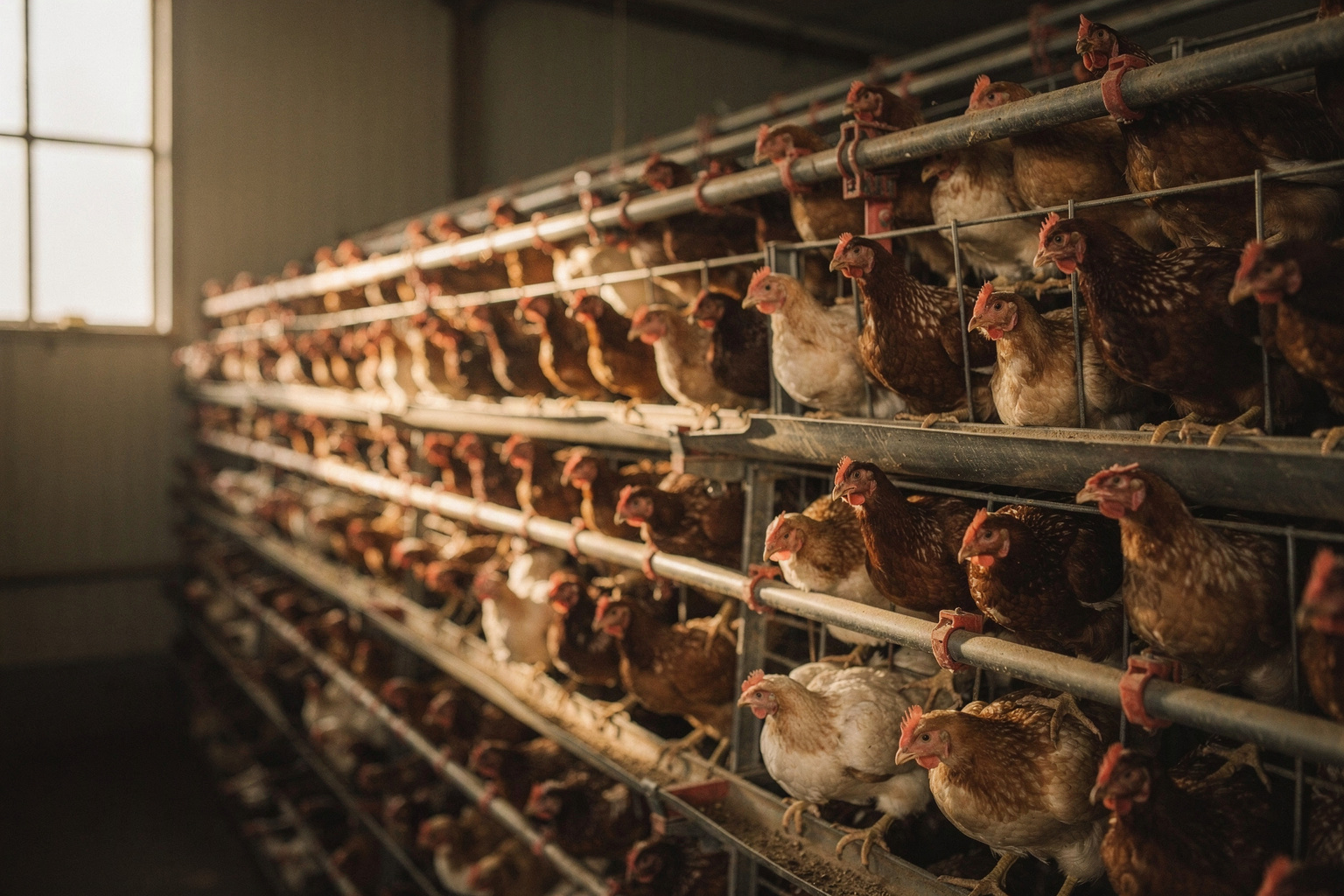
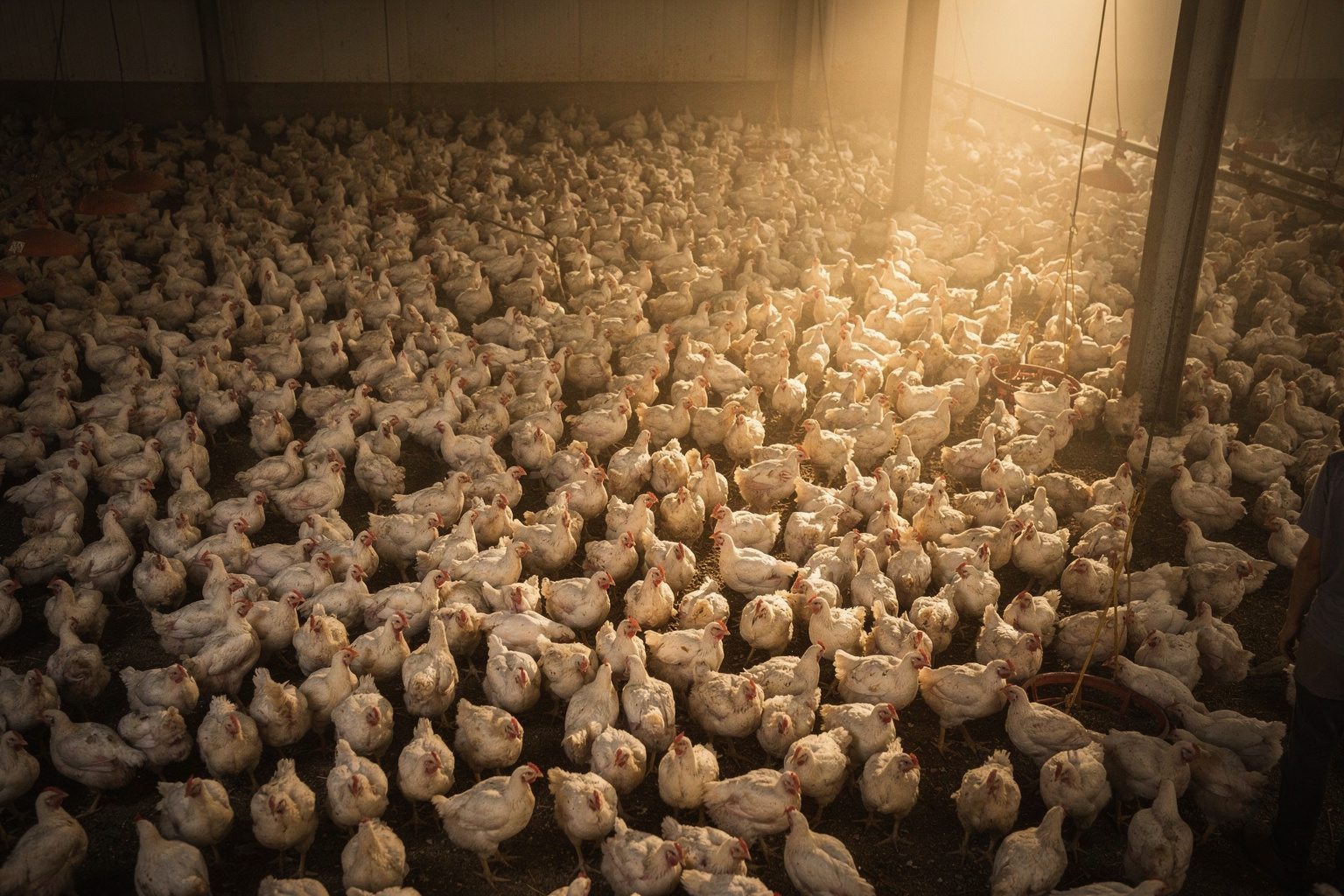
The UK's Trussell Trust reported 2.99 million emergency food parcels distributed in 2024–25, a 6% increase on the previous year. Meanwhile, industrial animal agriculture accounts for roughly 60% of UK agricultural emissions (Department for Environment, Food & Rural Affairs, 2024). Root & Branch set out to address both numbers with one menu.
The kitchen operates from a converted church hall, serving lunch five days a week and distributing frozen meal boxes on Saturdays. It is staffed by 28 regular volunteers and funded by a mix of council grants, crowdfunding and £3-per-meal donations from those who can pay.
How does the kitchen keep costs under £1.50 per meal?
The kitchen follows a strict five-ingredient rule: every main meal must be built from no more than five core ingredients, all bought in bulk. This keeps shopping simple, reduces waste and makes cost tracking straightforward.
How to cook cheap vegan meals on a budget
- 1
Build a base from pulses
Use dried lentils, chickpeas or black beans. Dried pulses cost £0.15–£0.25 per 100g in UK supermarkets, versus £0.80–£1.20 for the same weight of beef mince.
- 2
Add tinned tomatoes and frozen vegetables
A 400g tin of own-brand chopped tomatoes costs around £0.35, and a 1kg bag of frozen mixed vegetables costs £0.90–£1.20. Both cut prep time and waste.
- 3
Choose whole grains
Brown rice, oats, barley and wholewheat pasta cost £0.10–£0.20 per dry portion. Buy the largest bag you can store safely.
- 4
Season with cheap, shelf-stable flavour
Stock cubes, smoked paprika, cumin, garlic granules and soy sauce deliver restaurant-level flavour for pennies per serving.
- 5
Batch-cook four to six portions
Cook once and portion into containers. This cuts energy use and makes weekday meals faster than ordering takeaway.
- 6
Freeze surplus portions
Label and freeze what you will not eat within three days. Frozen meals last up to three months and prevent waste.
- 7
Track your cost per portion
Divide your shopping receipt by the number of portions you cooked. Most Root & Branch recipes land between £0.60 and £1.15 per serving.
| Meal base | Cost per portion (UK) | Protein per portion | Comparison |
|---|---|---|---|
| Red lentil dahl with rice | £0.62 | 18g | Beef curry: £2.40 |
| Chickpea and tomato stew | £0.85 | 15g | Chicken stew: £2.10 |
| Black bean chilli with oats | £0.70 | 16g | Beef chilli: £2.75 |
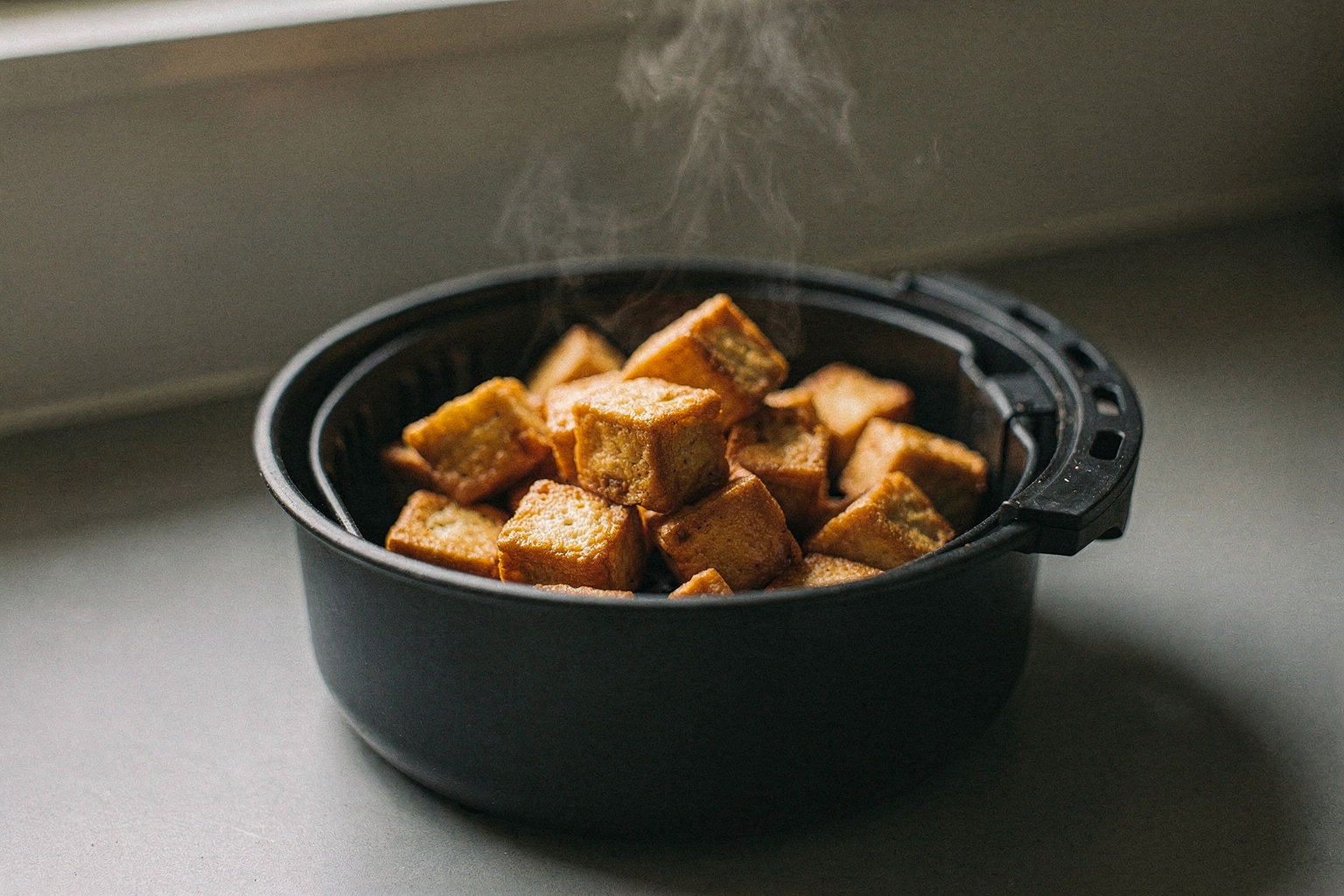
| Tofu and frozen vegetable stir-fry | £1.15 | 20g | Pork stir-fry: £2.90 |
| Peanut and sweet potato stew | £0.95 | 14g | Lamb stew: £3.20 |
| Oat and banana breakfast pots | £0.45 | 12g | Yogurt and granola: £1.60 |
Average cost per vegan portion at Root & Branch vs UK national average home-cooked meal
What results did the kitchen achieve?
Between 2021 and 2026, Root & Branch served 412,000 meals. Its average cost per plate fell from £1.80 in 2021 to £1.15 in 2026, even as UK food inflation peaked at 19.1% in March 2023 (ONS, 2023). Food waste dropped from 11% to 4% of ingredients over the same period.
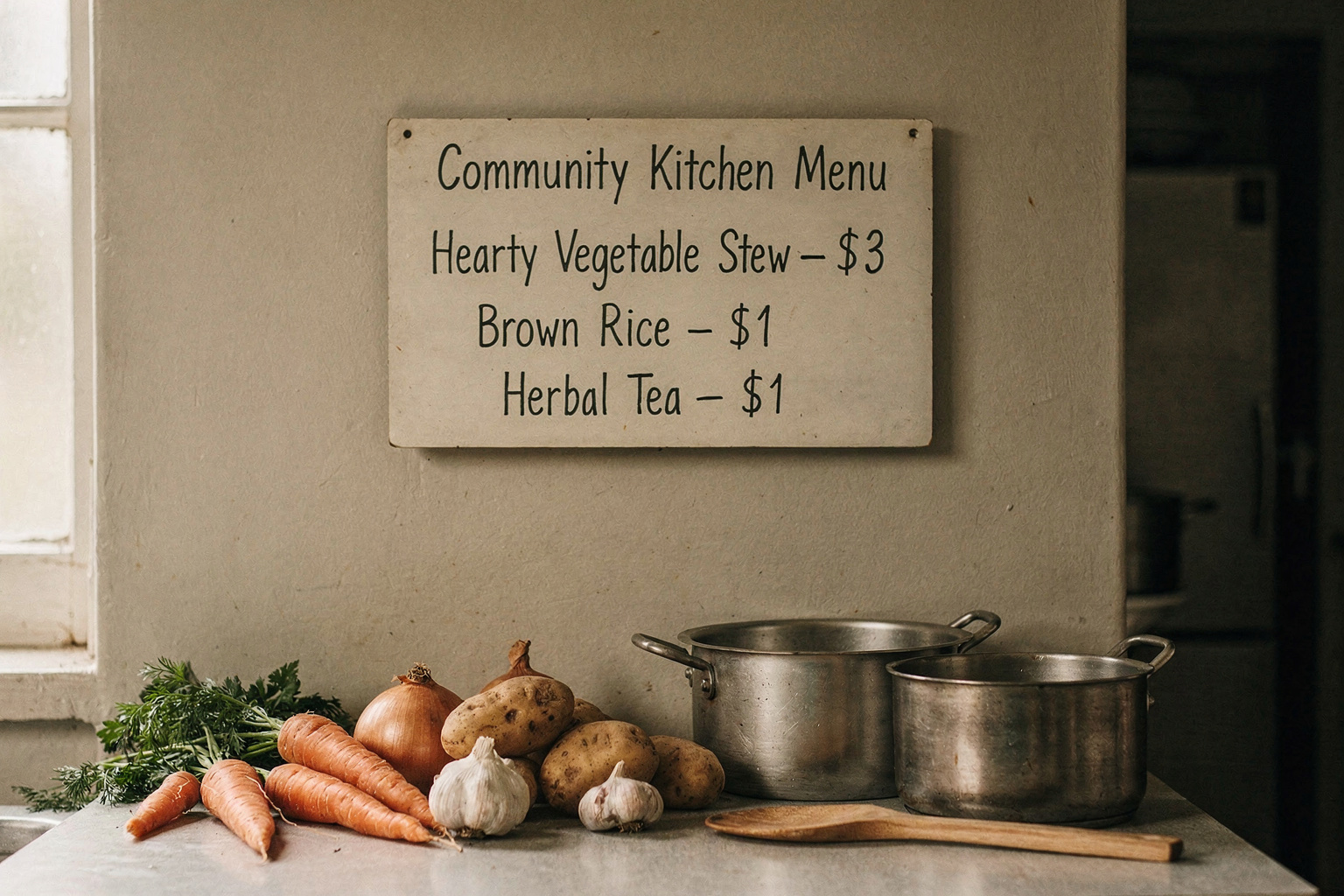
Member surveys conducted with the University of Bristol in 2025 found that 68% of participants reported eating more plant protein, 54% said they had cut back on meat, and 39% said they had tried a fully vegan week. The kitchen also diverted an estimated 18 tonnes of surplus food from landfill in 2025 through partnerships with local greengrocers.
“We are not asking people to be perfect. We are asking them to cook one pot of lentils instead of one pack of mince. That single swap is where the health, climate and animal-welfare gains begin.”
What worked well?
Three decisions proved decisive: bulk buying, a fixed menu cycle, and volunteer training. Buying 25kg sacks of lentils, rice and oats cut ingredient costs by 28% compared with supermarket retail packs. A four-week rotating menu reduced decision fatigue and made shopping predictable.
Volunteer training also mattered. Every new volunteer completes a two-hour session on knife skills, food safety and cost tracking. This kept quality consistent and meant the kitchen could scale without hiring more paid staff.
The kitchen's open-door policy for meat-eaters was another success factor. Rather than framing vegan food as a restriction, it framed it as a free meal. That approach brought in older residents and families who might not otherwise have tried plant-based dishes.
What did not work?
The kitchen's first attempt at homemade vegan cheese failed commercially and nutritionally. It was expensive, time-consuming and unpopular with members. Root & Branch dropped it after eight weeks and redirected the budget to tinned pulses.
A second misstep was over-reliance on fresh vegetables donated by supermarkets. Donations were inconsistent in quantity and quality, and spoilage pushed food waste up to 22% in 2022. The kitchen now accepts fresh produce only when it can be processed or frozen within 24 hours.
A third challenge was volunteer burnout. In 2023, turnover among regular volunteers reached 40%. Introducing a rota cap of two shifts per week and a paid part-time coordinator reduced turnover to 15% by 2025.
What can other communities learn?
Root & Branch's model has been replicated by 14 community kitchens across the UK, including in Manchester, Glasgow and Cardiff. Each received a free recipe pack and cost-tracking spreadsheet. Early data from the Manchester pilot shows an average cost per plate of £1.28, close to the Bristol figure.
The wider lesson is that cheap vegan meals on a budget are not a compromise. They are a strategy. They reduce household food bills, cut demand for factory-farmed animal products, and make plant-based eating accessible to people who cannot afford £5 meat alternatives.
Frequently asked questions
Frequently asked questions
Is a vegan diet cheaper than eating meat?+
Yes, in most high-income countries. A 2025 analysis by the University of Oxford found that vegan diets were 31% cheaper than meat-based diets in the UK, US and Australia. The savings come mainly from replacing meat with pulses, grains and frozen vegetables.
What are the cheapest vegan proteins?+
Dried lentils, chickpeas, black beans, peanuts, oats, tofu and tinned beans are the cheapest vegan proteins. In the UK, dried lentils cost about £0.20 per 100g and provide 25g of protein. Tofu is usually £1.20–£2.00 per 300g block.
Can I eat cheap vegan meals on a budget and still get enough nutrition?+
Yes. A diet built on pulses, whole grains, frozen vegetables, fruit and fortified plant milk can meet protein, iron, calcium and B12 needs. The British Dietetic Association states that well-planned vegan diets are suitable for all life stages.
How much should I spend on vegan food per week?+
A single adult in the UK can eat a nutritious vegan diet for £20–£30 per week by buying own-brand staples, frozen vegetables and dried pulses. This is below the £45–£60 weekly average for a meat-based diet (ONS, 2025).
Do cheap vegan meals require expensive equipment?+
No. A single large pot, a frying pan, a knife, a chopping board and a freezer are enough. Batch-cooking and freezing are the most important habits, not appliances. An air fryer or slow cooker can help but is not essential.
Root & Branch's five-year record suggests that cheap vegan meals on a budget are not a niche project. They are a practical route to lower food bills, lower emissions and fewer animals raised in factory farms. The kitchen's cost log, published openly on its website, shows that the cheapest meals are also among the most popular.