Animal rights organizations are non-profit groups that campaign, litigate, investigate, and lobby to end animal exploitation — from factory farming to animal testing. Major groups include The Humane League, Mercy For Animals, and Animal Equality. You can support them through donations, volunteering, or corporate campaigns. This guide explains what each does and how to get involved.
The Four Pillars of Animal Rights Organizations: How They Create Change
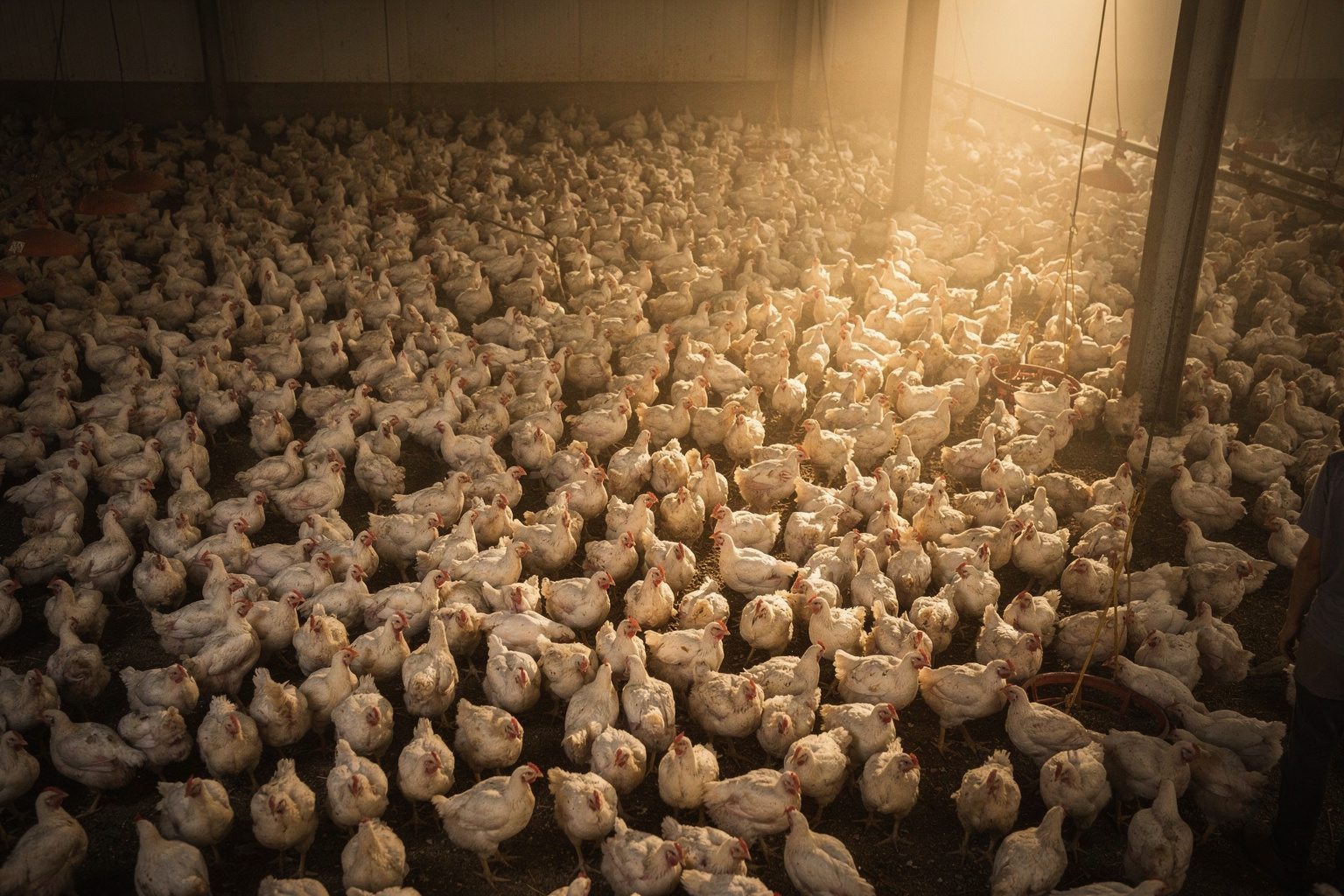
Most major animal rights organizations focus on four strategies: corporate engagement, legal advocacy, undercover investigations, and public education. Each addresses a different leverage point in the system that exploits animals. For example, corporate campaigns target food companies to adopt cage-free or plant-based policies, while legal groups sue government agencies for failing to enforce existing laws.
A landmark example is the 2018 California Proposition 12, which banned the sale of eggs, pork, and veal from animals confined in cages or crates. It passed with 60% of the vote (California Secretary of State, 2018). The Humane Society of the United States (HSUS) led the campaign, coordinating with other animal rights organizations.
“The animal rights movement is not a monolith. It’s a diverse ecosystem of groups using different tactics — from shareholder resolutions to undercover filming — to attack factory farming from every angle.”
Which Are the Largest Animal Rights Organizations Worldwide?
The largest animal rights organizations by budget and reach are HSUS (US), People for the Ethical Treatment of Animals (PETA, global), The Humane League (US/global), Mercy For Animals (US/global), Animal Equality (Europe/India/Latin America), and Animal Aid (UK). Each has a distinct focus: HSUS works on policy and rescue; PETA runs high-profile media campaigns; The Humane League targets corporate cage-free commitments; Animal Equality specialises in undercover investigations in Europe.
In India, People for Animals (PFA) and the Federation of Indian Animal Protection Organisations (FIAPO) are influential, focusing on street animal welfare and farmed animal advocacy. In Australia, Animals Australia leads campaigns against live export and factory farming. In Canada, Animal Justice uses legal advocacy.
| Organisation | Annual Budget (USD) | Primary Focus |
|---|---|---|
| Humane Society of the United States | $130 million | Policy, rescue, campaigns |
| PETA | $50 million | Media, investigations, campaigns |
| The Humane League | $20 million | Corporate cage-free campaigns |
| Mercy For Animals | $15 million | Investigations, corporate engagement |
| Animal Equality | $10 million | Undercover investigations, Europe/India |
| Animals Australia | $8 million | Live export, factory farming |
How Do Animal Rights Organizations Fund Their Work?
Animal rights organizations rely on donations from individuals, grants from foundations, and sometimes membership fees. Unlike animal welfare groups that receive government contracts for shelters, rights groups typically avoid government funding to maintain independence. In the US, charitable giving to animal causes reached $6.2 billion in 2023 (Giving USA, 2024), though only a fraction goes to farmed animal advocacy.
Major funders include the Open Philanthropy Project, which granted over $100 million to farmed animal welfare between 2017 and 2023. In Europe, the Effective Altruism Animal Welfare Fund supports groups like the Eurogroup for Animals. These funders prioritise evidence-based interventions.
What Have Animal Rights Organizations Achieved?
Animal rights organizations have secured hundreds of corporate cage-free commitments, bans on some farming practices, and increased public awareness. For example, over 2,000 companies worldwide have pledged to go cage-free, including McDonald’s, Nestlé, and Unilever (The Humane League, 2023). In the EU, the 2021 European Citizens’ Initiative 'End the Cage Age' gathered 1.4 million signatures, leading the European Commission to propose a ban on cages by 2027 (European Commission, 2021).
Legal victories include the 2019 UK ban on third-party puppy sales (Lucy’s Law) and the 2022 US Supreme Court upholding of California’s Proposition 12 (National Pork Producers Council v. Ross, 2023). Undercover investigations by Animal Equality and Mercy For Animals have exposed cruelty in pig farms and hatcheries, leading to prosecutions and corporate policy changes.
Corporate cage-free commitments growth (2015–2025)
How Can You Support or Get Involved with Animal Rights Organizations?
You can support animal rights organizations by donating, volunteering, or advocating in your community. Most groups offer remote and local opportunities. If you have limited time, signing petitions or participating in corporate campaigns takes minutes. If you want to do more, consider starting a local chapter or organising a vegan outreach event.
How to get involved with animal rights organizations
- 1
Choose an organisation
Research groups like The Humane League, Mercy For Animals, or local ones such as Animal Aid (UK) or Animals Australia. Pick one that matches your interests — corporate campaigns, investigations, or legal advocacy.
- 2
Donate
Regular donations provide stable funding. Even $10 a month supports undercover investigations or corporate outreach. Consider effective giving platforms like Animal Charity Evaluators to maximise impact.
- 3
Volunteer
Sign up for volunteer lists. Opportunities include leafleting, tabling, online research, translation, or social media. Many roles can be done remotely for a few hours a week.
- 4
Join corporate campaigns
Participate in online actions pressuring companies to adopt cage-free or plant-based policies. Groups like The Humane League provide templates and targets.
- 5
Start a local chapter
If there’s no group nearby, contact national organisations for support to start a chapter. You can host film screenings, vegan potlucks, or awareness stalls.
- 6
Advocate for policy change
Write to your elected representatives, support ballot initiatives, and vote for candidates who back animal welfare laws. In the UK, support the Animal Welfare (Kept Animals) Bill.
Frequently asked questions
What do animal rights organizations do?+
Animal rights organizations campaign, litigate, investigate, and educate to end animal exploitation, focusing on factory farming, testing, and wildlife. They run corporate campaigns for cage-free policies, undercover investigations, legal advocacy, and public outreach to shift societal attitudes and laws.
Which are the biggest animal rights organizations?+
The largest by budget are the Humane Society of the United States, PETA, The Humane League, Mercy For Animals, and Animal Equality. Each focuses on different tactics, from policy to corporate campaigns to investigations, and operates globally or in specific regions like Europe or India.
How can I volunteer for animal rights organizations?+
You can volunteer by signing up on their websites for roles like leafleting, tabling, online research, or social media. Many groups offer remote volunteering, so you can help from anywhere. Local chapters often need event organisers and translators.
Are animal rights organizations effective?+
Yes, they have secured over 2,000 corporate cage-free commitments, legal victories like California’s Proposition 12, and EU-wide cage bans. Undercover investigations have exposed cruelty and led to policy changes. Effectiveness varies, but evidence-based groups show measurable impact.
What is the difference between animal rights and animal welfare organizations?+
Animal rights organizations seek to end animal use entirely, while animal welfare groups aim to improve conditions within existing systems. Rights groups often reject reforms that legitimise exploitation, whereas welfare groups work with industry to reduce suffering.