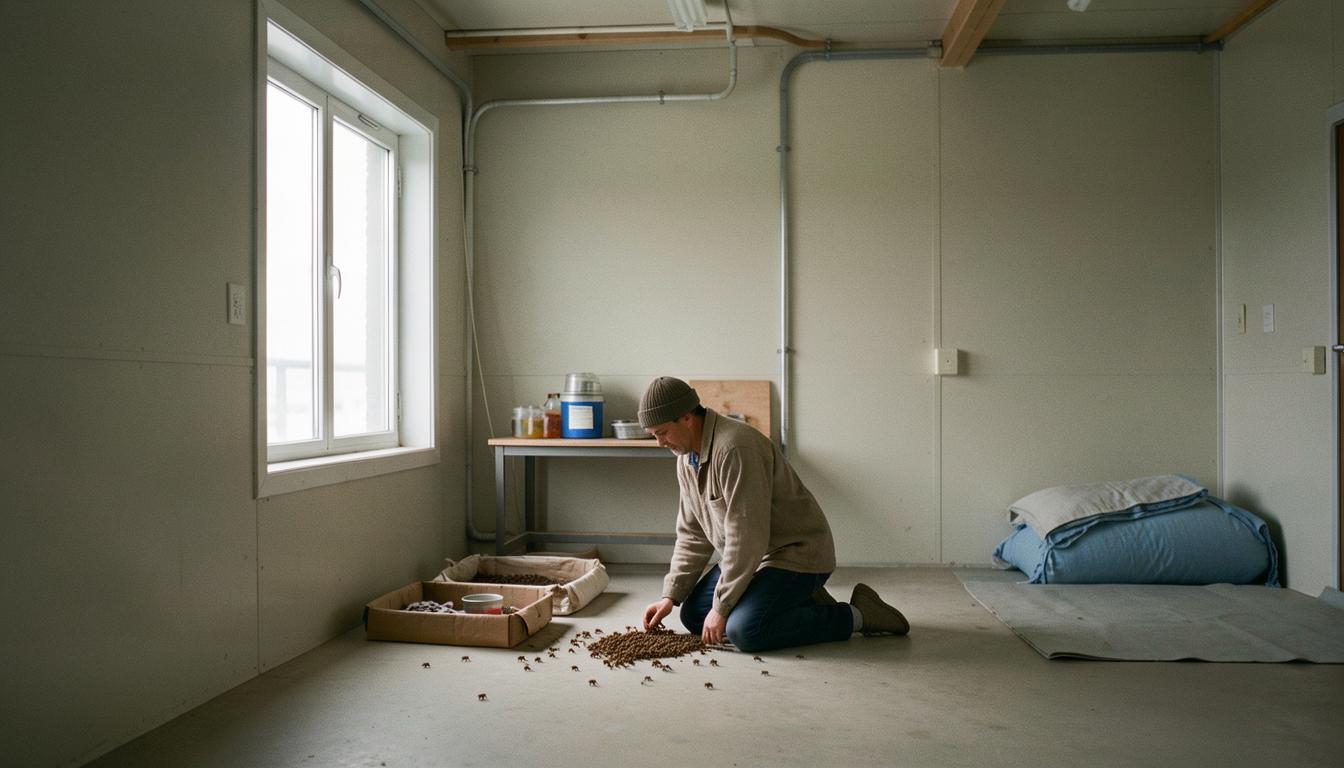
ڈھول چھڑنا: سپلائی چین میں جوابدہی کا ایک دہائی کا جائزہ 2024
ڈھول چھڑنا، جانداروں کی فلاح و بہبود اور سپلائی چین میں جوابدہی کا مسئلہ ہے، جس کا جائزہ 2014 سے 2024 تک اٹھایا گیا ہے۔
4 منٹ مطالعہ
زیادہ تر ابھرتی ہوئی متعدی بیماریاں زونوٹک ہیں، اور عالمی اینٹی بائیوٹک استعمال کا ایک بڑا حصہ فارم جانوروں پر جاتا ہے۔ یہ حب ایویئن انفلوئنزا، اے ایم آر نگرانی اور بائیو سیکیورٹی پالیسی پر نظر رکھتا ہے۔
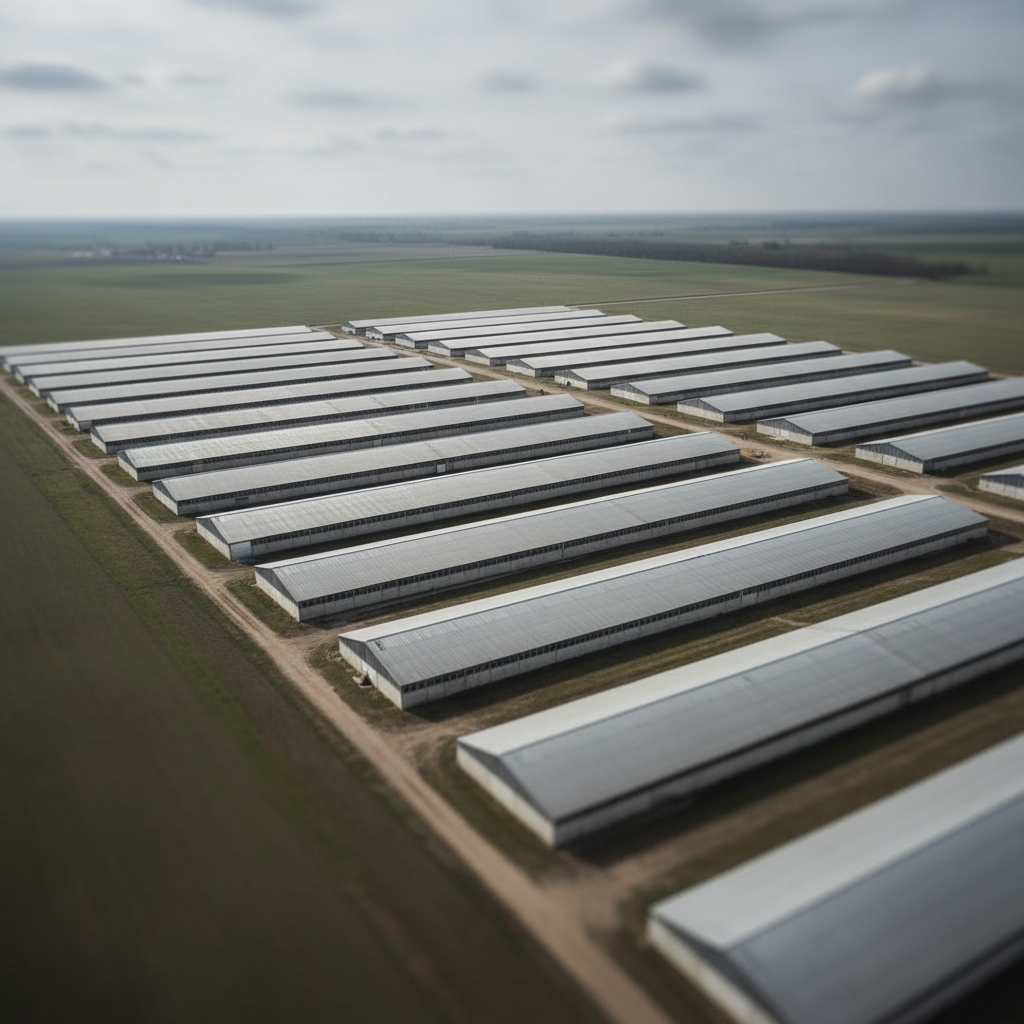
برازیل کی انڈے کی صنعت میں جبری پنکھ جھاڑنے کے خفیہ تحقیقاتی انکشافات اور اس کے اخلاقی اثرات پر ماہر سے مکمل گفتگو۔
بقلم ڈاکٹر انا سوزا · 4 منٹ مطالعہ
ڈھول چھڑنا، جانداروں کی فلاح و بہبود اور سپلائی چین میں جوابدہی کا مسئلہ ہے، جس کا جائزہ 2014 سے 2024 تک اٹھایا گیا ہے۔
4 منٹ مطالعہ
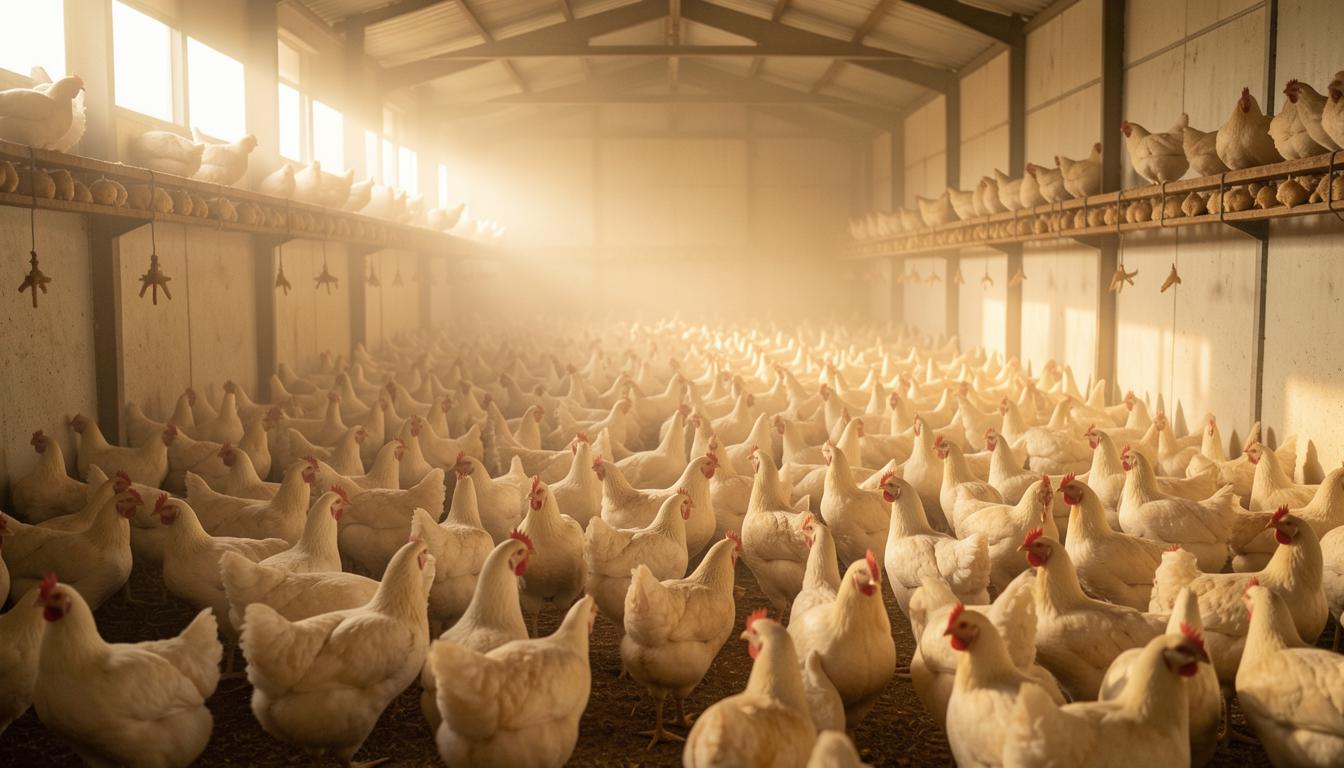
Discover the science behind broiler stocking density and its implications for home cooks with limited kitchen equipment.
4 منٹ مطالعہ
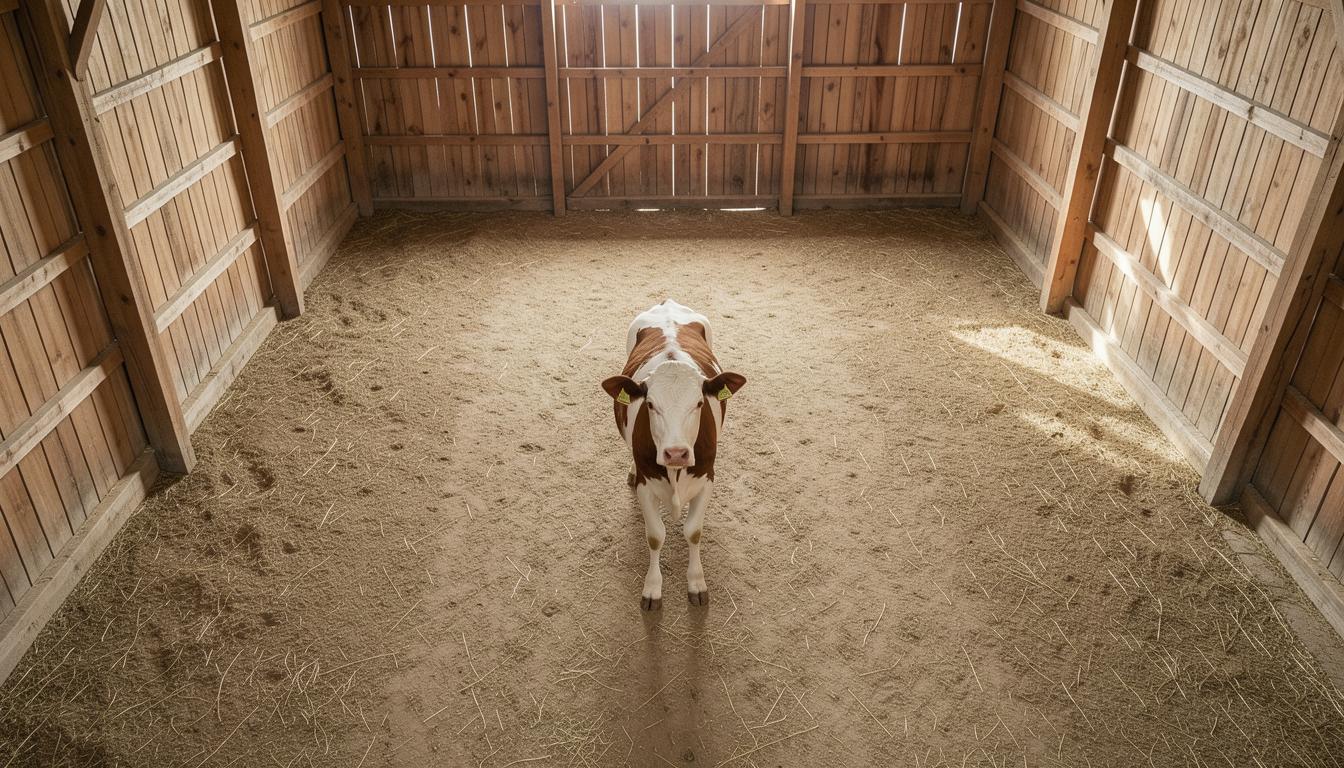
Discover the truth behind the calf separation practice in factory farming and its impact on the environment and animal welfare, with practical tips for conscious consumers on the go.
4 منٹ مطالعہ
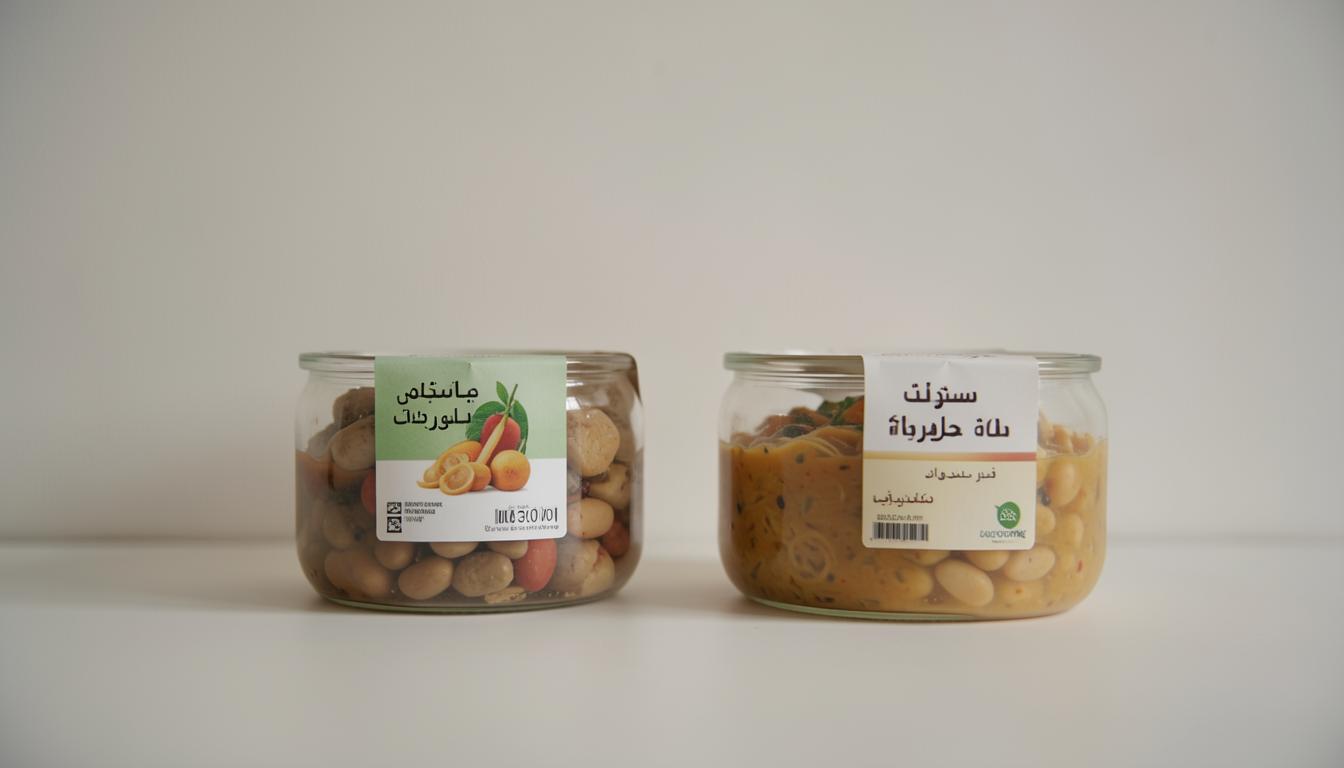
مکمل پودوں پر مبنی غذا اور ویگن لیبلز کے درمیان فرق کو سمجھیں اور دیکھیں کہ کون سا لیبل کارپوریٹ احتساب میں زیادہ شفاف ہے۔
4 منٹ مطالعہ

ویل کریٹس کے خلاف 2024 میں آنے والی قانونی تبدیلیوں کی روشنی میں 5 صنعتی جھوٹوں کی حقیقت، جو جانوروں کی فلاح و بہبود کو چھپاتے ہیں۔
4 منٹ مطالعہ
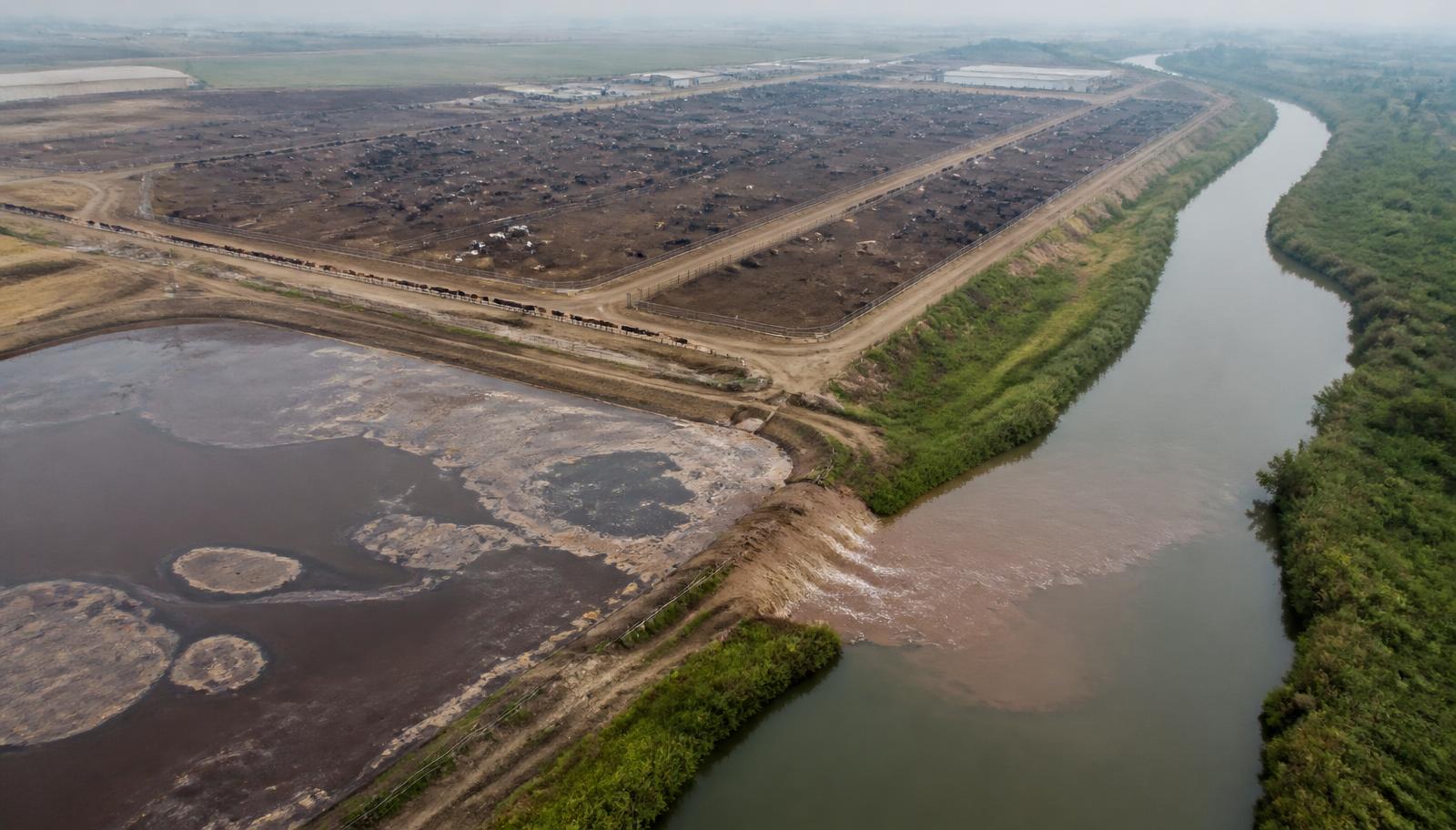
سی فوڈ انڈسٹری میں جبری مشقت اور انسانی اسمگلنگ کے بارے میں پانچ عام غلط فہمیوں کا پردہ چاک کرنا، خاص طور پر 60 سال سے زائد عمر کے افراد کے لیے۔
4 منٹ مطالعہ
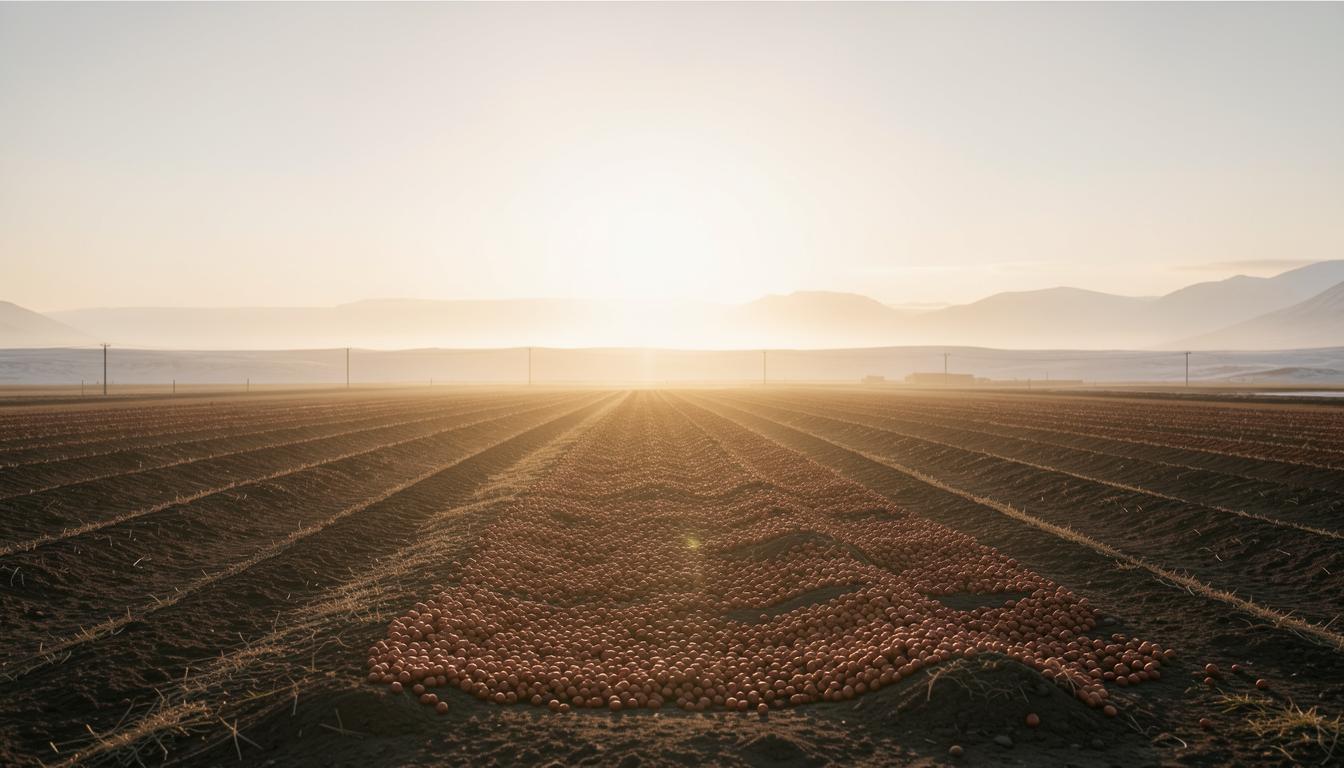
آرکٹک اور ذیلی آرکٹک علاقوں میں کیڑوں کی کاشتکاری کے فلاحی، ماحولیاتی اور پالیسی پہلوؤں کا جامع جائزہ
4 منٹ مطالعہ
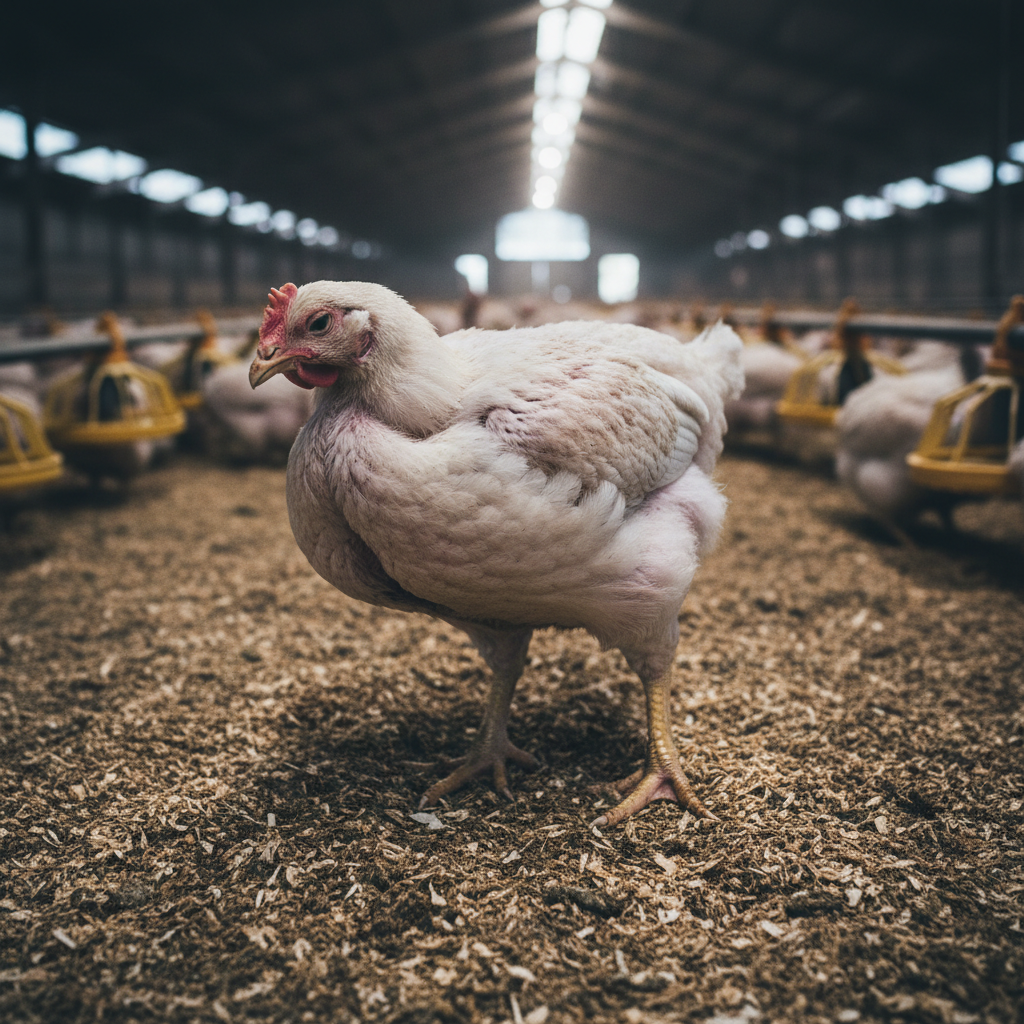
کالونی کیجز میں برائلر مرغیوں کی روزمرہ زندگی کا مشاہدہ صنعتی زراعت کے تاریک حقائق کو واضح کرتا ہے اور پودوں پر مبنی متبادل کی ضرورت کو اجاگر کرتا ہے۔
4 منٹ مطالعہ
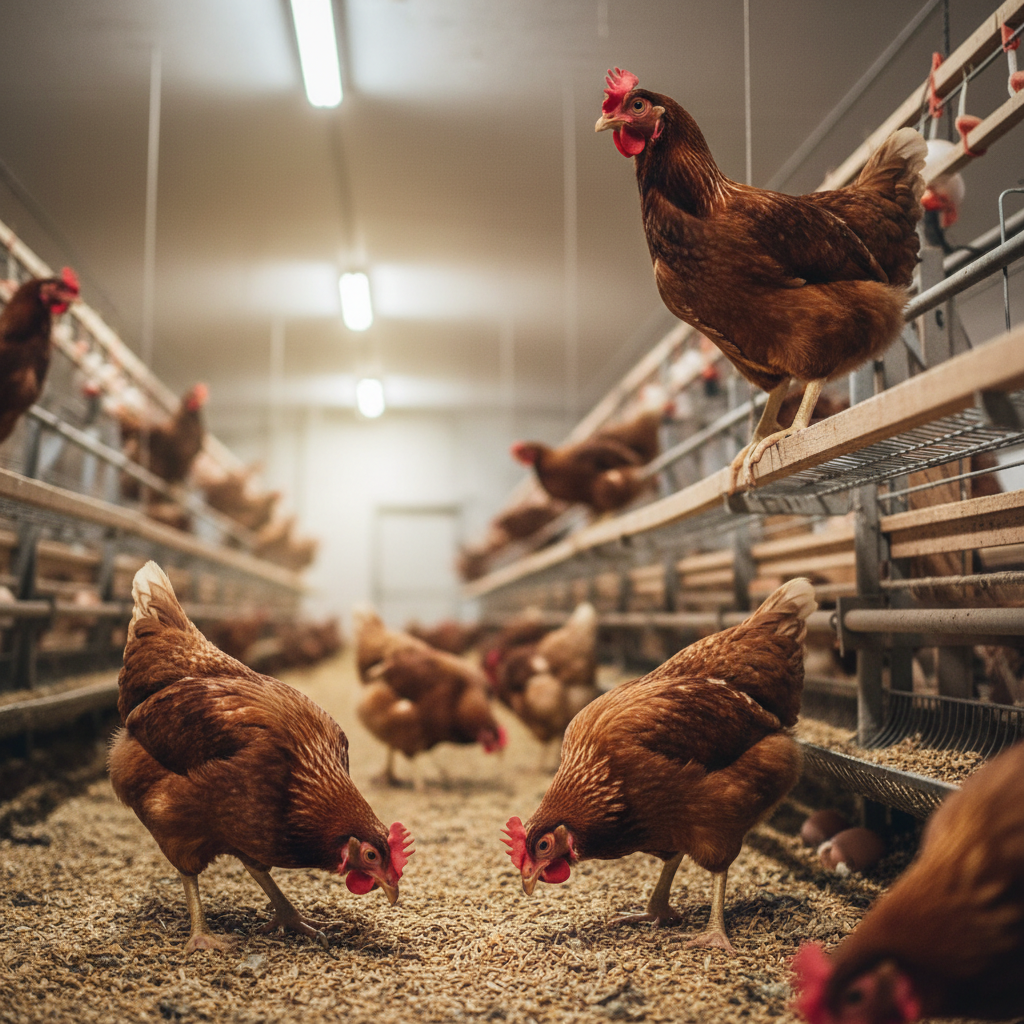
یہ گائیڈ وضاحت کرتا ہے کہ برائلر اسٹاکنگ کثافت کس طرح فیکٹری فارمنگ کے چکنز کی فلاح و بہبود کو متاثر کرتی ہے، اور پناہ گاہ میں ان کی دیکھ بھال کیسے کی جائے۔
4 منٹ مطالعہ
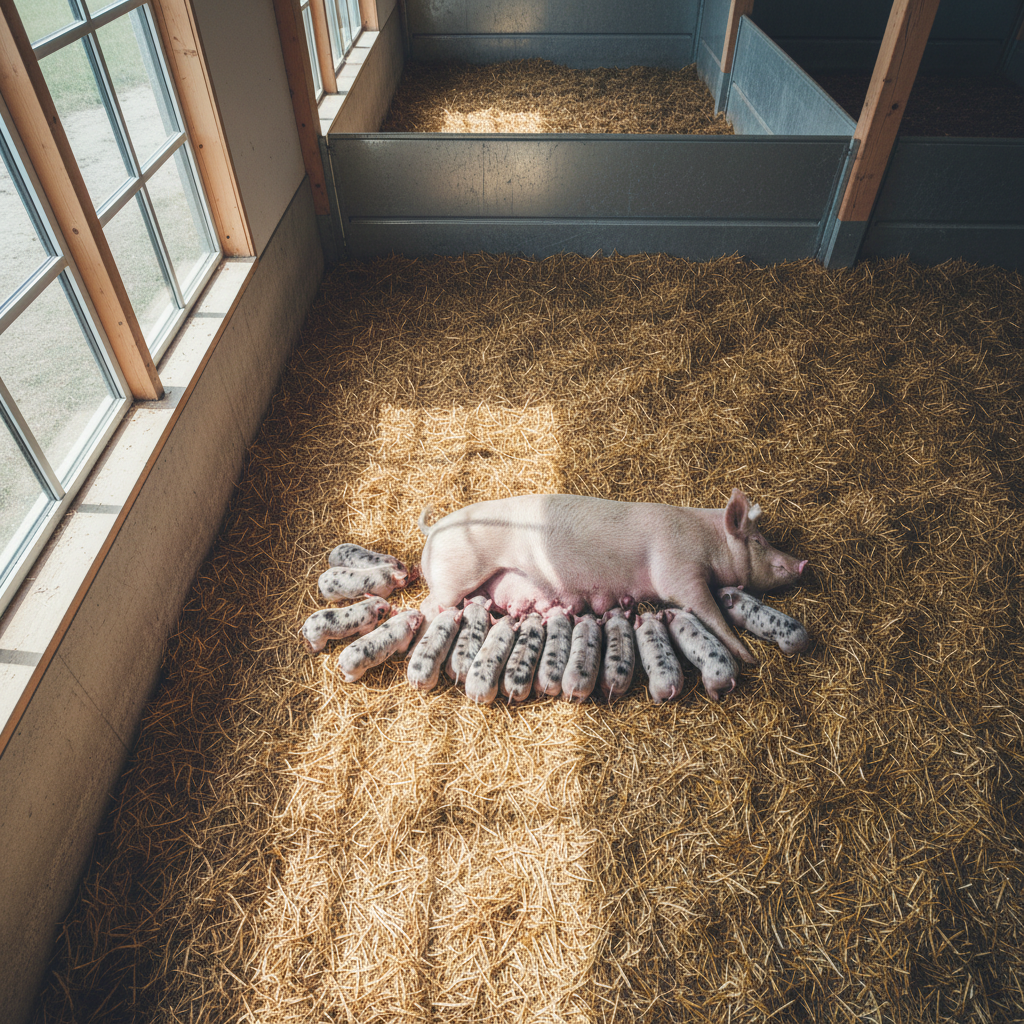
یورپی یونین میں برائلر اسٹاکنگ کی کثافت کو بہتر بنانا مرغیوں کی فلاح و بہبود، عوامی صحت اور ماحولیاتی پائیداری کے لیے اہم ہے، جس میں جامع پالیسی اصلاحات کی ضرورت ہے۔
5 منٹ مطالعہ
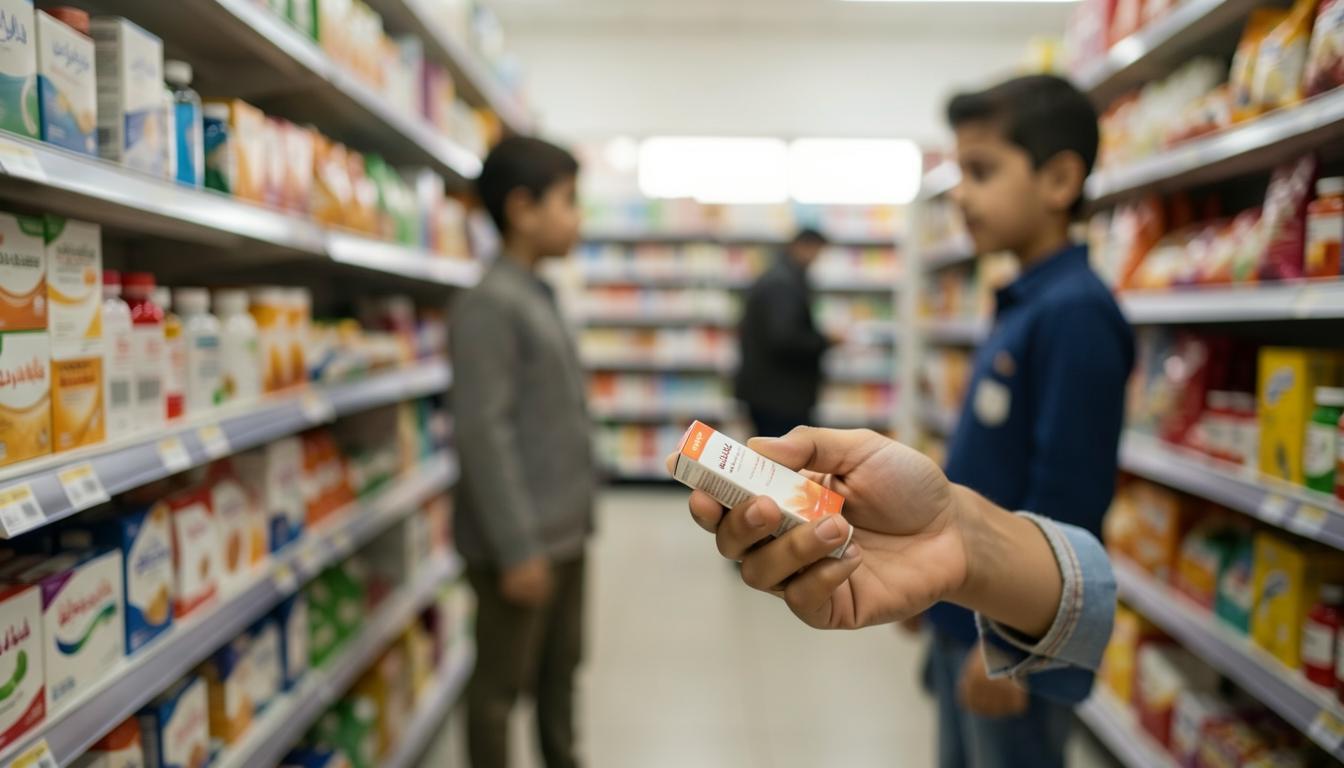
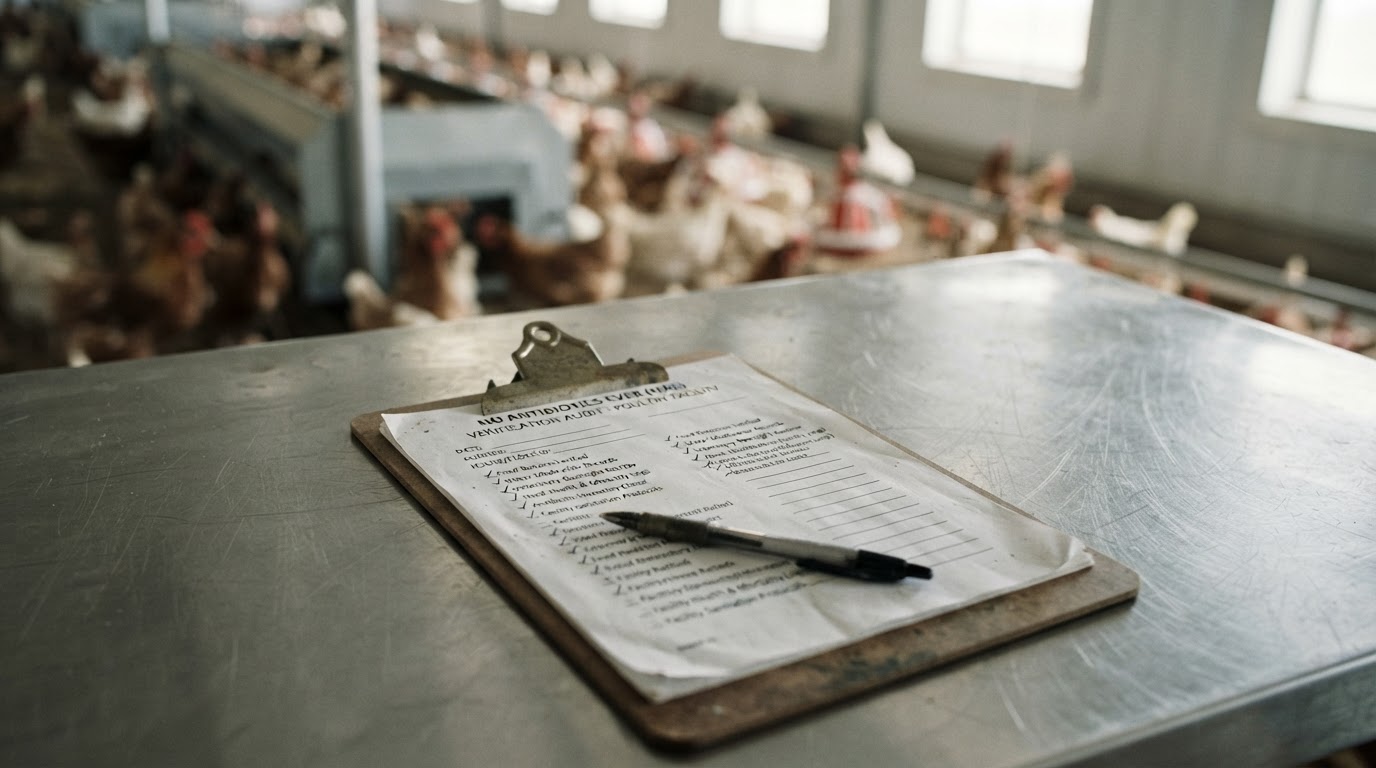
بچوں کے والدین کے لیے یہ سمجھنا ضروری ہے کہ 'کوئی اینٹی بائیوٹکس کبھی نہیں' (NAE) کے دعووں کی آڈٹ کتنی قابل اعتماد ہے، خاص طور پر صنعتی جانوروں کی کاشتکاری میں اینٹی بائیوٹک مزاحمت کے بڑھتے ہوئے خطرے کے پیش نظر۔
5 منٹ مطالعہ
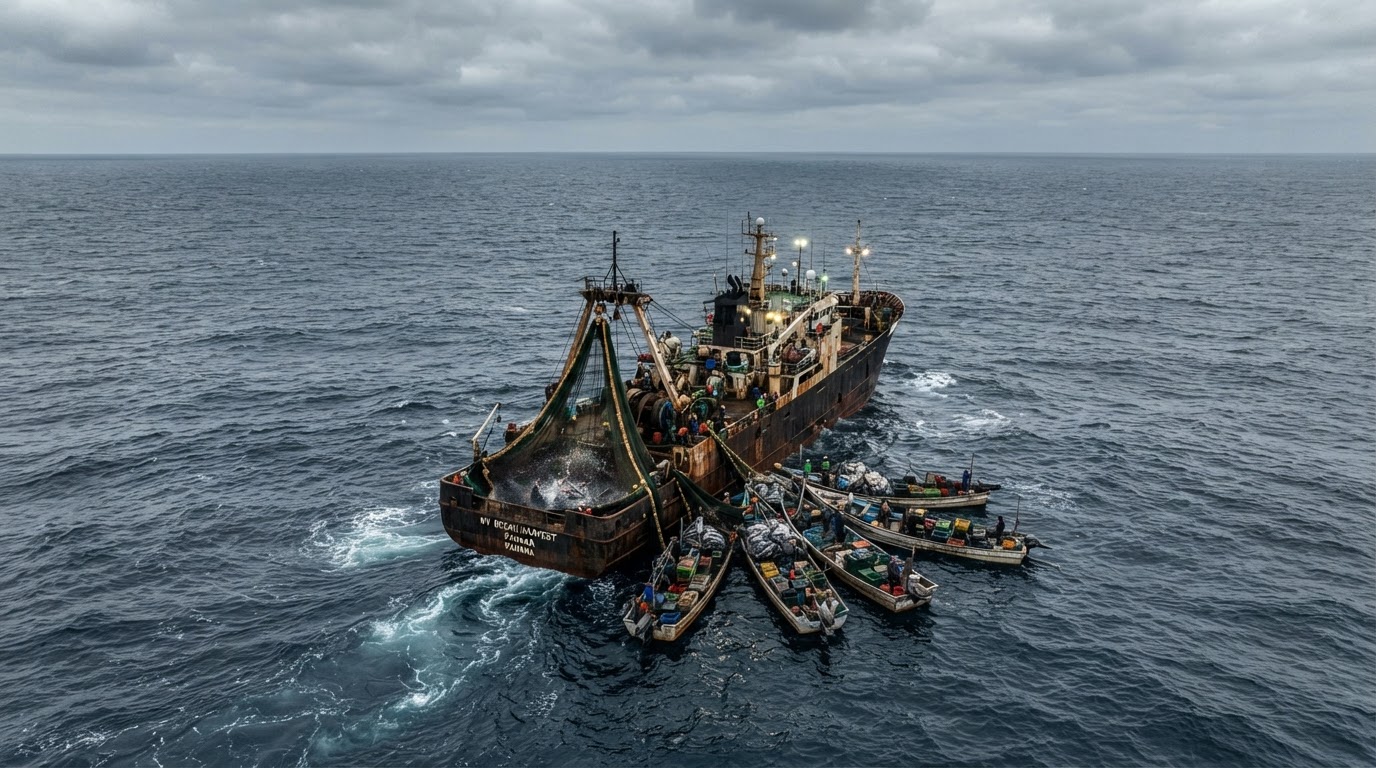
عالمی سطح پر غیر قانونی، غیر رپورٹ شدہ اور غیر منظم ماہی گیری (IUU فشنگ) سے نمٹنے کے لیے ایک نیا 90 روزہ گہرا منصوبہ سمندری حیات اور انسانی حقوق کے لیے سنگین نتائج کا باعث ہے۔
4 منٹ مطالعہ
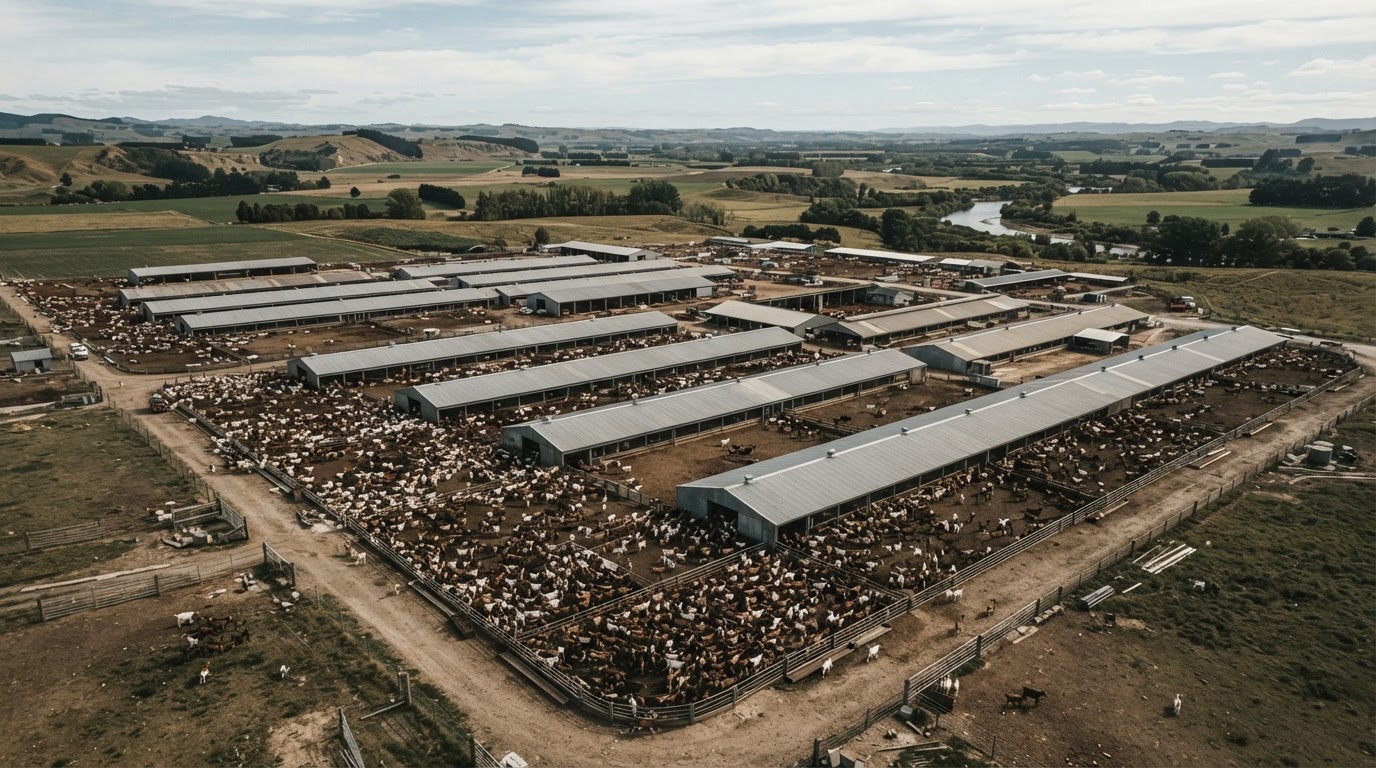
صنعتی بکریوں کے فارمز میں کیو فیور کا پھیلاؤ روایتی فارمنگ کے طریقوں کے مقابلے میں ایک سنگین عوامی صحت کا چیلنج پیش کرتا ہے، جس کے لیے بہتر ضوابط کی ضرورت ہے۔
4 منٹ مطالعہ
کینیڈا کے CAFOs کے فضائی آلودگی کے انتظام کے پائلٹ منصوبے نے دیہی علاقوں میں دمہ کی شرح کو نمایاں طور پر کم کیا، جو فیکٹری فارمنگ کے ماحولیاتی اثرات کو واضح کرتا ہے۔
5 منٹ مطالعہ

فاروونگ کریٹس، جو کہ تجارتی سوائن کاشتکاری میں عام ہیں، مادہ سوروں اور ان کے بچوں کی فلاح و بہبود پر نمایاں اثرات مرتب کرتی ہیں، جن کے لیے نظام پر مبنی حل ضروری ہیں۔
4 منٹ مطالعہ
کالونی کیجز میں جانوروں کی ادراکی صلاحیت اور جذبات کو سمجھیے، خاص طور پر مشرق وسطیٰ کے مخصوص ماحول میں ان کے اثرات پر روشنی ڈالی گئی ہے۔
4 منٹ مطالعہ

اکیلا رہنے والے افراد کے لیے پودوں پر مبنی غذا میں محفوظ طریقے سے اور آسانی سے کیسے منتقل ہوں، اس کے سات اہم اقدامات اور حکمت عملیوں کی گائیڈ۔
4 منٹ مطالعہ
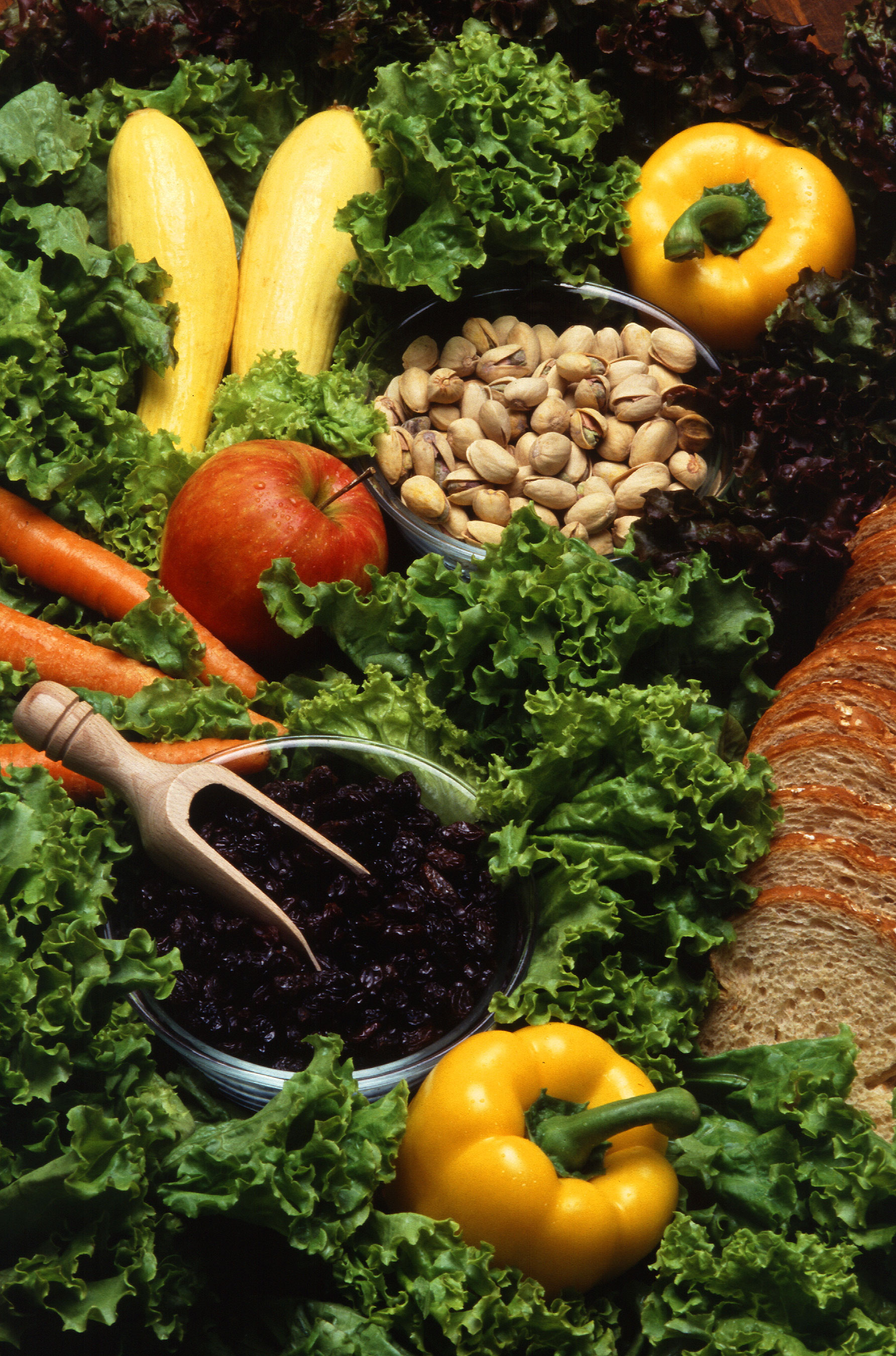
چھوٹے بچوں کے لیے پودوں پر مبنی غذا کو اسکول کے نظام میں شامل کرنا تغذیہ، صحت اور پائیداری کے لیے اہم پالیسی اصلاحات کا تقاضا کرتا ہے۔
5 منٹ مطالعہ
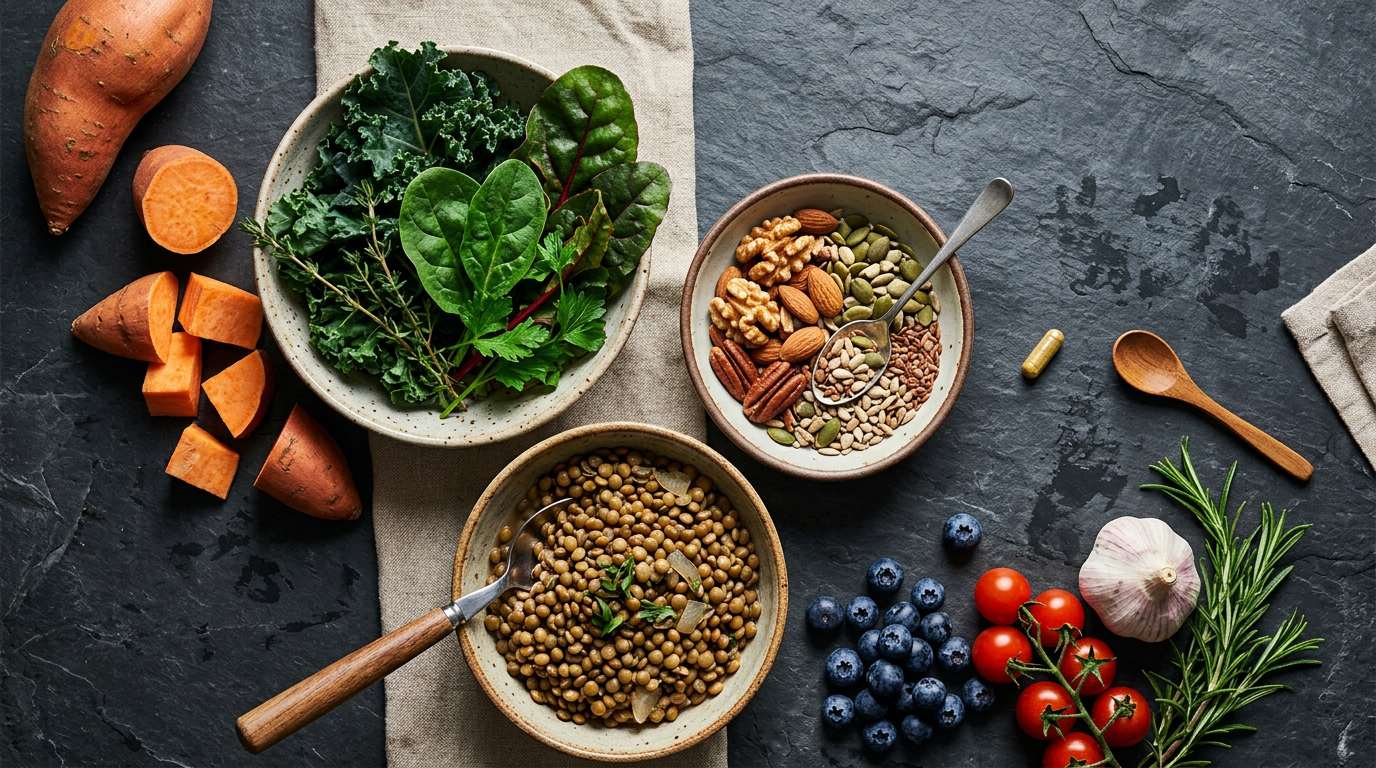
یہ مینوفیسٹو واضح کرتا ہے کہ کس طرح ایک پودوں پر مبنی غذا گاؤٹ کو منظم کرنے اور روکنے کے لیے ایک موثر حکمت عملی ہو سکتی ہے۔
4 منٹ مطالعہ
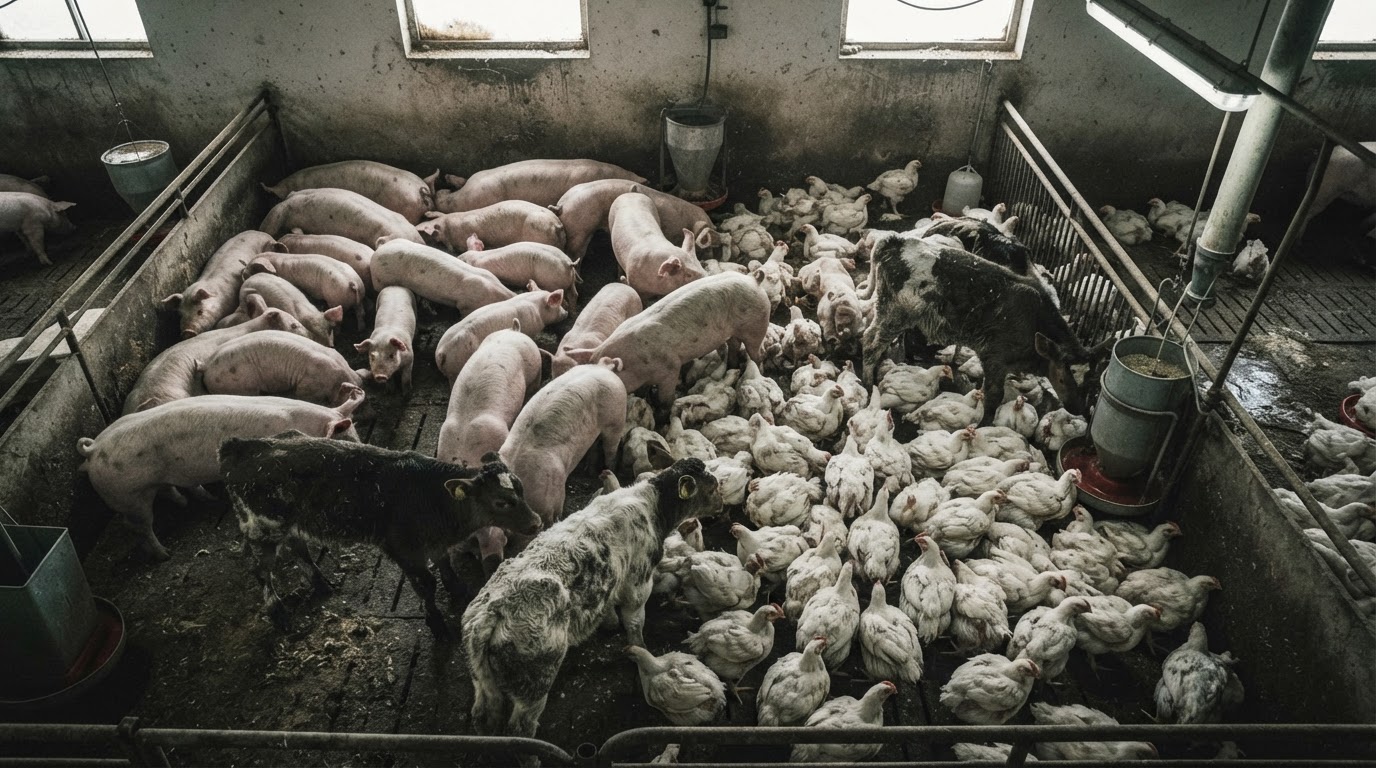
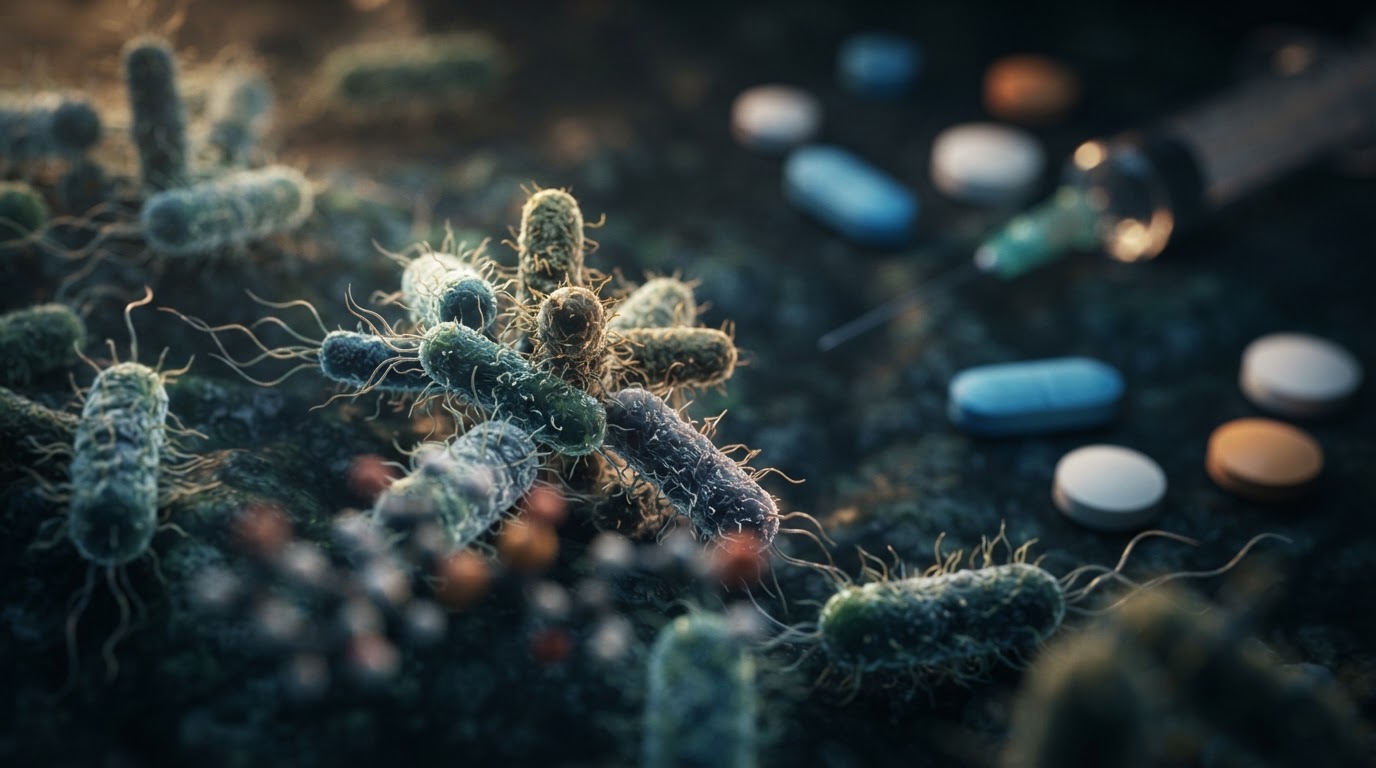
جانوروں کی کھیتی باڑی میں اینٹی بائیوٹکس کا بے تحاشا استعمال دنیا بھر میں اینٹی بائیوٹک مزاحمت کے بحران کو شدید کر رہا ہے، جس سے انسانی صحت کو خطرات لاحق ہیں۔
4 منٹ مطالعہ
ایک مفید آغاز · index
اچھی ماحولیاتی صحافت دعووں کی جانچ اور اگلا قدم چننے میں مدد دیتی ہے۔ ہم پیچیدہ موضوعات کو نعروں میں بدلے بغیر ثبوت، سیاق اور عملی راستے اکٹھے کرتے ہیں۔
ثبوت
تحقیق پر مبنی
سیاق
باہمی مربوط
اگلا قدم
عملی
| یہاں سے شروع کریں | آپ کو ملے گا | موزوں ہے |
|---|---|---|
| The overview | A clear answer and the essential terms | First-time readers |
| The evidence | Sources, comparisons and reported context | Checking a claim |
| The pathways | Related topics, tools and further reading | Going deeper |
We separate evidence, interpretation and practical guidance. Claims should be traceable to research, public records or clearly identified editorial analysis.
No. Food systems, animal welfare and climate are connected systems. Individual choices matter, and so do policy, business and collective action.
Use the related topics, topic hubs and calculators on this page to move from a quick answer to the primary context behind it.
گہرا سیاق
Animal agriculture sits at the intersection of climate, land use, water, public health and animal welfare. These reference points recur across our reporting, so we keep them in one place: the numbers most often cited, the way we read a claim, the myths that survive longest, and the vocabulary you need to follow the debate in any language.
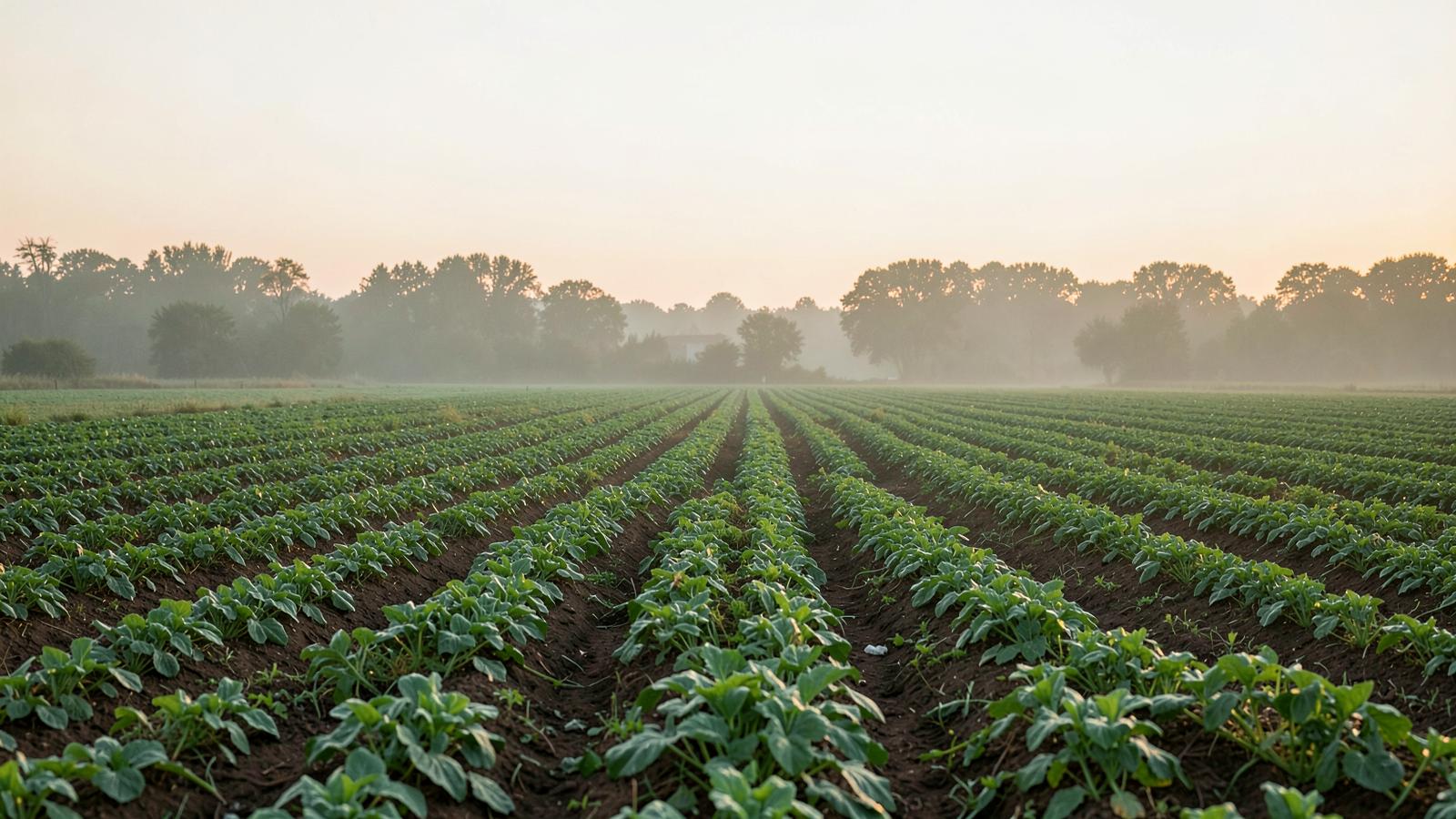
زمین ہی اصل کنجی ہے
Roughly three quarters of global farmland is used for livestock, yet it supplies a minority of the world's calories. Shifting even part of that land back to crops, forest or wetland is the single largest lever most countries hold.
| عام دعویٰ | شواہد کیا بتاتے ہیں | یہ کیوں اہم ہے |
|---|---|---|
| Local food is always the lowest-carbon choice | Transport is a small share of most food footprints; what is produced matters more than how far it travelled. | It redirects effort towards the choices with real leverage. |
| Plant-based eating cannot meet protein needs | Legumes, grains, soy foods, nuts and seeds cover protein and amino-acid needs in well-planned diets at every life stage. | Nutrition myths keep people from a change they were open to. |
| Higher-welfare labels mean animals are not harmed | Label standards vary widely and many permit routine practices readers would not expect. | Informed choices depend on knowing what a label actually certifies. |
| Individual choices are irrelevant next to policy | Demand shifts change what is produced, funded and legislated; the two move together. | It replaces fatalism with something you can act on this week. |
شواہد سے روزمرہ انتخاب تک
Numbers describe the system; meals, votes and purchases are how most people meet it. This field guide turns the reporting into concrete swaps, a four-week plan and the signals worth watching, so a page of research becomes something you can act on this week without pretending the hard parts are simple.
| اس کے بجائے | یہ آزمائیں | یہ کیوں اہم ہے |
|---|---|---|
| Beef mince | Lentils, beans or soy mince | Beef carries by far the highest emissions and land use per gram of protein. |
| Dairy milk | Soy or pea milk | Comparable protein with a fraction of the land, water and emissions. |
| Cheese in daily meals | Nut or seed-based spreads, cashew cheese | Cheese is the most resource-intensive dairy product per kilogram. |
| Chicken and eggs | Tofu, tempeh, chickpeas | Removes the welfare cost of the most intensively farmed animals. |
| Farmed shrimp and salmon | Beans, jackfruit, seaweed-seasoned dishes | Avoids mangrove loss, bycatch and wild fish used as feed. |
| Butter | Olive or rapeseed oil | Lower emissions per kilogram and better cardiovascular profile. |
Most people who change their diet permanently do it gradually, one meal slot at a time, keeping the food they already like at the centre.
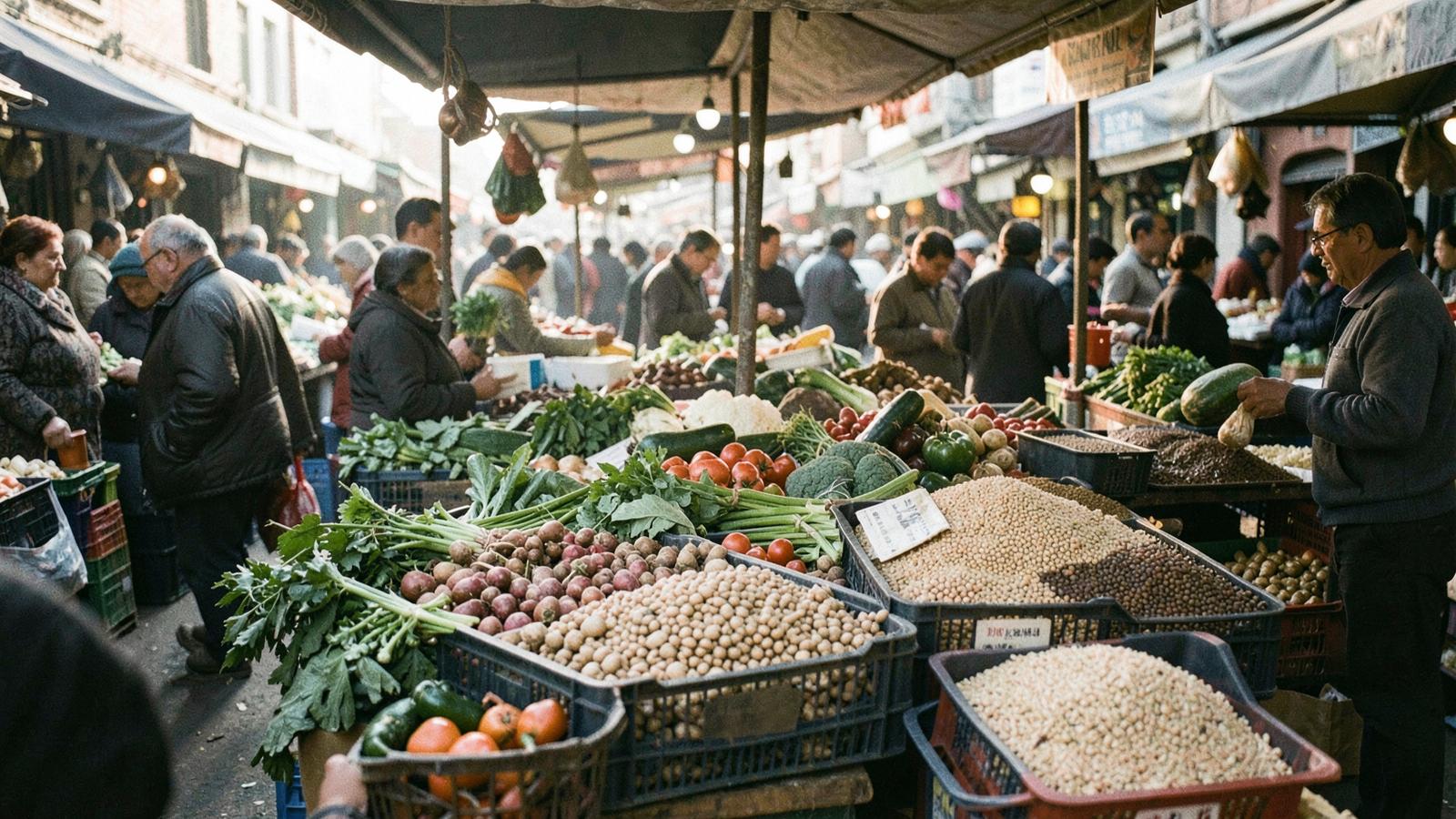
جہاں تبدیلی نظر آتی ہے
Markets are the clearest place to watch demand shift: as pulses, grains and vegetables take more shelf space, producers, buyers and policy follow the money rather than the argument.
How the system actually works
Most coverage of animals, diets and climate arrives as isolated stories: a slaughterhouse investigation, a methane figure, a supermarket launch. They belong to one system with a small number of decision points. This map sets out that system stage by stage — who owns each step, where animals enter it, what the public can see, and which levers have historically moved it — so every article on this site can be read in context rather than as an isolated shock.
Animal agriculture is a chain of separate businesses. Pressure applied at one link rarely stays there; it moves upstream to feed and land, or downstream to retail and price.
| Stage | What happens | Where the leverage sits |
|---|---|---|
| Land and feed | Soy, maize and grass are grown to feed animals, using roughly three quarters of agricultural land worldwide. | Deforestation rules, feed-import standards, and any fall in demand for animal products. |
| Breeding | Genetics companies supply fast-growing birds and high-yield dairy lines used across most of the industry. | Growth-rate standards; welfare commitments that specify breed, not just space. |
| Rearing | Animals are housed at density, typically indoors, with confinement systems that vary by species and country. | Cage, crate and stocking-density law — the fastest-moving area of animal legislation. |
| Transport and slaughter | Live animals move to centralised plants; a small number of companies process most of the volume. | Journey-time limits, CCTV and inspection rules, stunning requirements. |
| Processing and brands | Meat and dairy become branded products, with margins concentrated in processing rather than farming. | Labelling law, marketing claims, and corporate sourcing commitments. |
| Retail and food service | Supermarkets, canteens and restaurants set the default meal for most people most days. | Shelf share, menu defaults, procurement contracts and price parity. |
| The plate | Households choose within the range and prices the previous stages allow. | Repeat purchases, which retailers track far more closely than surveys. |
Individual choices matter, but they are amplified or blunted by a handful of institutions that set defaults for millions of meals at a time.
Land is the quiet variable
Most farmland on earth feeds animals rather than people directly. That single fact explains why diet, deforestation, wildlife loss and climate keep turning up in the same story.
| Region | What shapes outcomes there |
|---|---|
| European Union | Confinement law and labelling lead globally; the unresolved question is imported animal products produced to lower standards. |
| United States | State ballot measures drive welfare change while federal rules lag; litigation over interstate sales is the recurring battleground. |
| Brazil and South America | Feed-crop expansion and cattle ranching sit at the interface with forest loss, making land use the decisive issue. |
| China and East Asia | Rapid growth in intensive production alongside fast-growing plant-based and cultivated protein investment. |
| India and South Asia | The world's largest dairy sector, where welfare questions centre on cattle, transport and the fate of male calves. |
| Sub-Saharan Africa | Smallholder systems dominate today; whether intensive models are imported is still an open decision. |
Change in this system is slow, then sudden. These are the shifts that repeat across countries once they start.
Most disputes come down to a handful of recurring tricks. Running a claim through these questions resolves the majority of them.