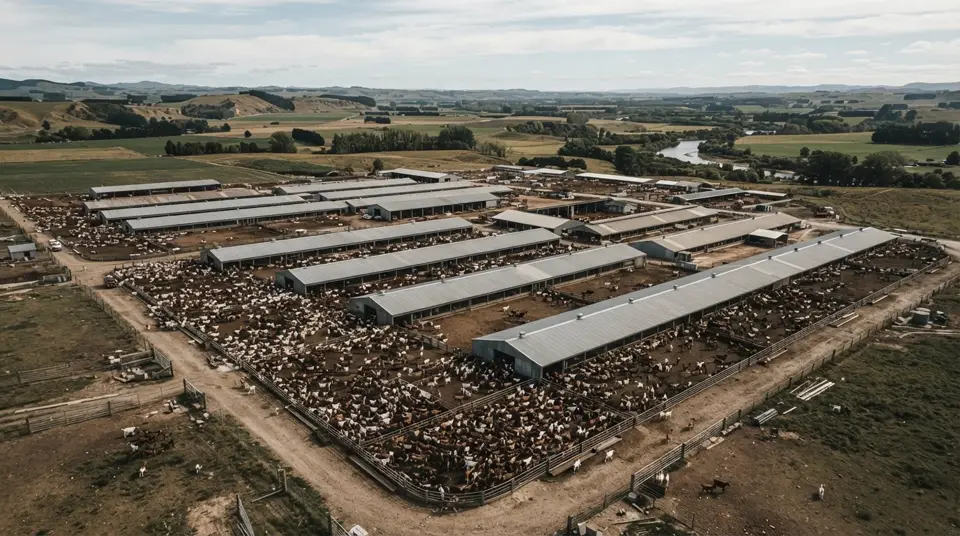
East Asia's factory farms, particularly those using battery cages, have emerged as a significant concern due to their potential to amplify zoonotic disease risks. These are diseases that can jump from animals to humans, with severe consequences.
What are battery cages and why are they a concern in East Asia?
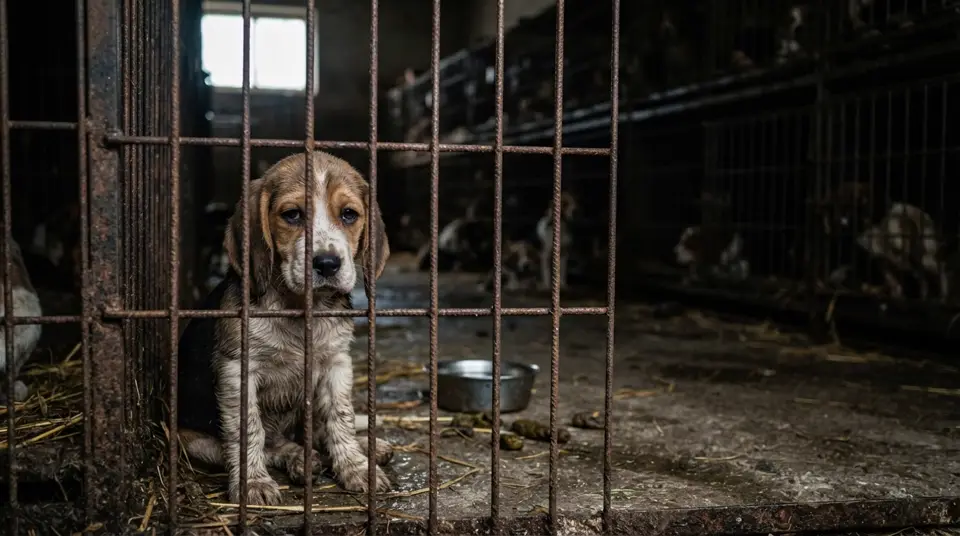
Battery cages are a common feature in East Asian factory farms due to their efficiency in producing eggs at a low cost. However, their high stocking densities, lack of space, and poor sanitation create ideal conditions for disease transmission.

“The high density of animals in these systems, combined with the lack of space for them to express natural behaviors, can lead to increased stress and susceptibility to disease.”
How do battery cages contribute to zoonotic disease risks?
The overcrowding and poor sanitation in battery cages facilitate the spread of diseases like avian influenza, which can be transmitted to humans. Moreover, the misuse of antibiotics to prevent disease in these conditions contributes to antibiotic resistance, making these infections harder to treat.
| Country | Prevalence of AMR (%) |
|---|---|
| China | 58 |
| Japan | 46 |
| South Korea | 49 |
| Indonesia | 63 |
Antibiotic Sales in East Asia (2016-2020)
Regulations and initiatives in East Asia
Regulations regarding battery cages and animal welfare vary widely across East Asia. Some countries, like Japan, have regulations in place to limit cage size and stocking density. Others, like China, have more lenient regulations.
Frequently asked questions
What are the most common zoonotic diseases in East Asia?+
Avian influenza, campylobacteriosis, and salmonellosis are among the most common.
How can consumers reduce their risk of zoonotic diseases from factory-farmed eggs?+
Choose eggs from cage-free or free-range systems, where possible. Cook eggs thoroughly and practice good hygiene.