اشاریہ
موضوعات
لوگوں، جانوروں اور سیارے کے لیے پودوں پر مبنی زندگی۔
- موضوعات
- 370
- ٹیگ شدہ مضامین
- 381
- شعبے
- 8
- زبانیں
- 22
اس حصے میں
نمایاں
متعلقہ مطالعہ
- مرغیوں کی فلاح و بہبود4
- جانوروں کی پناہ گاہ2
- جانوروں کے حقوق کی تحریک2
- صنعتی جانوروں کی کاشتکاری2
- جانوروں کے حقوق2
- پائیدار خوراک2
- factory farming2
- sustainable living2
- جبری پنکھ جھاڑنا2
- سرکس اور چڑیا گھر میں جانوروں کی فلاح و بہبود1
- قید میں جانوروں کے حقوق1
- تفریحی جانوروں کا استحصال1
- چڑیا گھروں میں ذہنی تناؤ1
- پاکستان میں جانوروں کے حقوق1
- سرکس پر پابندی1
- جنگلی حیات کا تحفظ1
- زوکوسس کیا ہے1
- چڑیا گھروں کو کیوں بند ہونا چاہیے؟1
- کیا چڑیا گھر جانوروں کے لیے اچھے ہیں؟1
- جانوروں کے حقوق کے دلائل1
- جانوروں کی حسیات1
- کیا جانوروں کے حقوق ہوتے ہیں1
- فیکٹری فارمنگ کے خلاف دلائل1
- اخلاقی ویگنزم1
- جانوروں پر ظلم1
- جانوروں سے ہمدردی1
- اسپیشیزم کیا ہے1
- جانوروں کی فلاح و بہبود کے قوانین1
- جانور باشعور ہوتے ہیں1
- پائیدار تحائف کے خیالات1
- ماحول دوست تحائف1
- شعوری تحفہ دینا1
- بغیر فضلہ تحائف1
- اخلاقی تحائف1
- تجرباتی تحائف1
- DIY پائیدار تحائف1
- سالگرہ کے لیے ماحول دوست تحفہ کیسے تلاش کریں؟1
- کیا پائیدار تحائف مہنگے ہوتے ہیں؟1
- ابتدائی افراد کے لیے صفر فضلہ1
- فضلہ کیسے کم کریں1
- پائیدار طرز زندگی پاکستان1
- ماحول دوست عادات1
- گھر میں صفر فضلہ1
- پلاسٹک کا استعمال کیسے کم کریں1
- صفر فضلہ کچن1
- کم اثر والی زندگی1
- کیا صفر فضلہ ممکن ہے؟1
- اینٹی بائیوٹک مزاحمت فارم اینیملز1
- جانوروں میں اینٹی بائیوٹکس استعمال1
- صنعتی زراعت اور اینٹی بائیوٹکس1
- اینٹی مائیکروبیل مزاحمت کے خطرات1
- گوشت کی صنعت اور صحت1
- اینٹی بائیوٹک مزاحمت کیسے روکے؟1
- جانوروں کی فارمنگ میں کیا اینٹی بائیوٹکس کا استعمال کیا جاتا ہے؟1
- اینٹی بائیوٹک مزاحمت کیوں تشویشناک ہے؟1
- آب و ہوا کا انصاف1
- ماحولیاتی انصاف کیا ہے1
- ماحولیاتی مساوات1
- آب و ہوا کی تبدیلی اور کمزور کمیونٹیز1
- پائیدار ترقی1
- توانائی کی منتقلی1
- آب و ہوا کی پالیسیاں 20301
- عالمی آب و ہوا کا انصاف 20301
- پودوں پر مبنی غذا گاؤٹ1
- گاؤٹ سے بچاؤ1
- یورک ایسڈ کم کرنا1
- سبزی خور غذا اور گاؤٹ1
- دائمی سوزش کا علاج1
- گاؤٹ پلانٹ بیسڈ ڈائیٹ1
- پلانٹ بیسڈ غذا کے فوائد1
- کیا پلانٹ بیسڈ غذا گاؤٹ کے لیے اچھی ہے؟1
- گاؤٹ اور غذائی تبدیلیاں1
- پڑ گاہوں کی فلاح و بہبود کا سکور کارڈ1
- انڈوں کے لیبلز1
- فلاح و بہبود کی اصلاحات1
- جانوروں کا اخلاقی سلوک1
- کیج فری انڈے1
- فارمی جانوروں کے حقوق1
- مرغیوں کی بہتر دیکھ بھال کیسے کریں؟1
- چھوٹے بچے پودوں پر مبنی غذا1
- اسکولوں میں پودوں پر مبنی غذا1
- ویگن غذا نوزائیدہ1
- پودوں پر مبنی غذائیت عوامی صحت1
- اسکول کیٹرنگ اصلاحات1
- کیا پودوں پر مبنی غذا نوزائیدہ کے لیے محفوظ ہے؟1
- حکومت پودوں پر مبنی خوراک کیسے فروغ دے؟1
- اسکول میں ویگن کھانے کی پالیسیاں کیا ہیں؟1
- سی گراس کے میدانوں کی بحالی1
- کھیتی باڑی کے کارکنان1
- قصابوں کی ملازمتیں1
- ماحولیاتی پالیسیاں1
- سمندری ماحولیات کی بحالی1
- پائیدار روزگار کے مواقع1
- ماحولیاتی تحفظ اور معاشیات1
- آبی حیات کی بحالی کا کارکنوں پر اثر1
- بایوچار آڈٹ1
- زرعی کاربن1
- فوڈ انڈسٹری1
- مفادات کا ٹکراؤ1
- کاربن کریڈٹ1
- پائیدار زراعت1
- موسمیاتی انصاف1
- بایوچار ماحولیاتی اثرات1
- پائیدار نقل و حرکت جنوب مشرقی ایشیا1
- زونوٹک امراض کی روک تھام1
- H5N1 کی روک تھام1
- ایچ 5 این 1 زونوٹک خطرہ1
- پیکنگ کے ماحول دوست طریقے1
- جنوب مشرقی ایشیا میں پائیدار زندگ1
- جانوروں سے انسانوں میں بیماریاں کیسے منتقل ہوتی ہیں؟1
- پولٹری فارمنگ میں بائیو سیکیورٹی کیوں اہم ہے؟1
- کالونی کیجز مشرق وسطیٰ1
- جانوروں کی ادراکی صلاحیت1
- حیوانات کا احساس1
- فیکٹری فارمنگ مشرق وسطیٰ1
- مشرق وسطیٰ میں فارم اینیمل ویلفیئر1
- انڈسٹریل زراعت میں جانوروں کے حقوق1
- کیا مرغیاں درد محسوس کرتی ہیں؟1
- صنعتی مرغ بانی کے اخلاقی اثرات1
- فاروونگ کریٹس1
- سوائن فلاح و بہبود1
- فاروونگ کے متبادل1
- فیکٹری فارمنگ کے اثرات1
- جانوروں کا صنعتی زراعت1
- سوروں کی فلاح و بہبود کیسے بہتر بنائی جائے؟1
- جرمنی میں فاروونگ کریٹس کے قواعد کیا ہیں؟1
- مادہ سوروں کے لیے کریٹس کیوں استعمال ہوتے ہیں؟1
- بجٹ پلانٹ بیسڈ پکوان1
- LGBTQ+ ویگن کھانے1
- چنے ہوئے خاندانوں کے لیے ویگن1
- سستے پلانٹ بیسڈ کھانے1
- پودوں پر مبنی پروٹین بجٹ1
- ویگن کھانا پکانے کا منصوبہ1
- خاندانی پکوان کی ترکیبیں1
- ویگن کے سوالات1
- وسطی ایشیا جانوروں کے حقوق1
- فلاح و بہبود بمقابلہ حقوق1
- جانوروں کی حقوق کی تحریک1
- جانوروں کا استحصال1
- قازقستان جانوروں کا تحفظ1
- ازبکستان جانوروں کی فلاح و بہبود1
- جانوروں کے حقوق کا اخلاقی مباحثہ1
- کیا وسطی ایشیا میں جانوروں کے حقوق کی تحریک میں تقسیم ہے؟1
- AI جانوروں کی ادراکی صلاحیت1
- جانوروں کی اخلاقی حیثیت امریکہ1
- مصنوعی ذہانت اور جانوروں کی فلاح1
- امریکہ میں جانوروں کے حقوق کی قانون سازی1
- پلانٹ بیسڈ ایڈوکیسی AI1
- کیا AI جانوروں کی تکلیف کو سمجھتا ہے؟1
- AI کے قانونی مضمرات جانوروں کے حقوق کے لیے1
- CAFO فضائی آلودگی کینیڈا1
- دیہی دمہ کی شرح کینیڈا1
- کینیڈا میں فیکٹری فارمنگ1
- امیونیا کا اخراج CAFOs1
- مویشی خانہ ہوا کا معیار1
- کینیڈا میں ہوا کی آلودگی پر جانوروں کا اثر1
- CAFO ہوا کی کوالٹی کیسے بہتر بنائیں؟1
- کینیڈا میں زرعی فضائی آلودگی کیا ہے؟1
- کیو فیور صنعتی بکریوں کے فارمز1
- فیکٹری فارمنگ بیماریاں1
- بکریوں میں کیو فیور1
- زونوٹک بیماریاں1
- Q فیور پھیلاؤ صنعتی فارمز1
- کیو فیور سے کیسے بچیں؟1
- فیکٹری فارمنگ کے خطرات کیا ہیں؟1
- IUU فشنگ1
- غیر قانونی ماہی گیری1
- عالمی سی فوڈ سپلائی1
- سمندری ماحولیات1
- انسانی حقوق ماہی گیری1
- ماہی گیری کی پائیداری1
- فیکٹری فارمنگ ماہی گیری1
- IUU فشنگ کو کیسے روکا جائے؟1
- غیر منظم ماہی گیری کے اثرات کیا ہیں؟1
- Ag-Gag قوانین1
- فارم اینیملز1
- صنعتی زراعت1
- حقوقِ اظہار1
- کینیڈا Ag-Gag1
- آسٹریلیا Ag-Gag1
- یورپ Ag-Gag1
- Ag-Gag قوانین کیا ہیں؟1
- دو افراد کے لیے ویگن کھانا1
- پودوں پر مبنی غذا1
- ویگن کھانا پکانے کے چیلنجز1
- پلانٹ بیسڈ پروٹین1
- اخلاقی کھانا1
- ویگن لابیئنگ اثرات1
- کیا ویگن کھانا پکانا مہنگا ہے؟1
- دو افراد کے لیے ویگن غذا کی منصوبہ بندی کیسے کی جائے؟1
- سیکنڈ ہینڈ شاپنگ حکمت عملی1
- پائیدار خریداری1
- تھرفٹ اسٹورز1
- آن لائن سیکنڈ ہینڈ مارکیٹ پلیس1
- ماحول دوست کپڑے1
- استعمال شدہ اشیاء خریدنے کے طریقے1
- سیکنڈ ہینڈ کیوں خریدیں؟1
- سیکنڈ ہینڈ اشیاء کہاں سے خریدیں؟1
- اینٹی بائیوٹکس کبھی نہیں1
- NAE آڈٹ1
- بچوں کے والدین1
- اینٹی بائیوٹک مزاحمت1
- اخلاقی جانچ1
- فوڈ سیفٹی1
- مرغی میں اینٹی بائیوٹکس1
- برائلر اسٹاکنگ کثافت یورپی یونین1
- مرغیوں کی فلاح و بہبود کے ضوابط1
- فیکٹری فارمنگ کی اصلاحات1
- یورپی یونین زرعی پالیسی1
- اینٹی بائیوٹک مزاحمت اور مرغیاں1
- اسٹاکنگ کثافت کی حدیں1
- مرغی کی صنعت میں پائیداری1
- یورپی یونین برائلر کی فلاح و بہبود کی پالیسیاں کیا ہیں؟1
- برائلر اسٹاکنگ کثافت1
- فیکٹری فارمنگ چکنز1
- برائلر چکن کی فلاح و بہبود1
- صنعتی زراعت کے مسائل1
- بچائے گئے چکنز کی دیکھ بھال1
- پناہ گاہ میں چکنز کی ضروریات1
- جانوروں کے حقوق کے لیے پناہ گاہ1
- کالونی کیجز1
- برائلر مرغی1
- فیکٹری فارمنگ1
- پودوں پر مبنی پروٹین1
- صنعتی زراعت کے اثرات1
- کالونی کیجز کیا ہیں؟1
- پودوں پر مبنی متبادل کیوں ضروری ہیں؟1
- عوامی نقل و حمل کی چال1
- مضافاتی کینیا1
- پائیدار سفر1
- کم کاربن نقل و حمل1
- ماتوٹو نظام1
- نیروبی سفری حل1
- مضافاتی علاقوں میں نقل و حمل1
- کینیا میں پائیداری1
- عوامی بس سروس1
- سائیکل اور نقل و حمل1
- سی فوڈ غلامی1
- انسانی اسمگلنگ مچھلی کی صنعت1
- سمندری غذا میں جبری مشقت1
- 60 سال سے زائد افراد کے لیے سی فوڈ1
- پائیدار سمندری غذا کی خریداری1
- تھائی لینڈ سی فوڈ اسمگلنگ1
- سی فوڈ سپلائی چین میں انسانی حقوق1
- سی فوڈ لیبلز اور سرٹیفیکیشن1
- بزرگ افراد کے لیے سمندری غذا کے خطرات1
- کیا سی فوڈ محفوظ ہے؟1
- farmed salmon welfare Central Asia1
- salmon labels Asia1
- animal welfare reform Central Asia1
- farmed salmon myths Asia1
- Central Asian salmon industry1
- ویل کریٹس1
- ویل بچھڑوں کی فلاح و بہبود1
- صنعتی ڈیری فارمنگ1
- ویل گوشت کی پیداوار1
- جانوروں کے حقوق 20241
- ویل کریٹس پر پابندی1
- کیا ویل کریٹس اخلاقی ہیں؟1
- ویل فارمنگ کے حقائق1
- calf separation1
- vegan1
- animal welfare1
- consumer labels1
- van-lifers1
- off-grid1
- battery cages East Asia1
- zoonotic diseases in East Asia1
- factory farming risks1
- animal welfare East Asia1
- antibiotic resistance in East Asia1
- broiler stocking density1
- chicken farming1
- plant-based cooking1
- kitchen equipment1
- food safety1
- chicken welfare1
- کیڑوں پر مبنی پروٹین1
- آرکٹک کیڑوں کی کاشتکاری1
- ذیلی آرکٹک کیڑوں کی فلاح و بہبود1
- کیڑوں کی فلاح و بہبود کی سائنس1
- صنعتی کیڑوں کی افزائش1
- آرکٹک پالیسی کیڑوں کی کاشتکاری1
- کیڑوں کی پروٹین اور ماحولیات1
- کیڑوں کی کاشتکاری کے قوانین1
- کیڑوں کی پروٹین کی مستقبل کی پالیسیاں1
- کیڑوں کی فلاح و بہبود کے معیارات1
- مکمل پودوں پر مبنی غذا1
- ویگن لیبلز1
- کارپوریٹ احتساب1
- پودوں پر مبنی غذا کے فوائد1
- ویگن بمقابلہ پلانٹ بیسڈ1
- لیبل کی شفافیت1
- صحت اور اخلاقیات1
- مکمل پودوں پر مبنی غذا کے معیارات1
- ویگن مصنوعات کی جانچ1
- ایل جی بی ٹی کیو+ اور جانوروں کے حقوق1
- چنا ہوا خاندان اور ویگنزم1
- فیکٹری فارمنگ اخلاقیات1
- وکالت کے اوزار1
- انڈوں کی صنعت میں ظلم1
- اکیلا رہنے والے افراد کے لیے پودوں پر مبنی غذا میں تبدیلی1
- پلانٹ بیسڈ ڈائٹ1
- صحت مند فوڈز1
- تنہا رہتے ہوئے صحت مند کھانا1
- سبزی خور غذا1
- غذائیت کی منتقلی1
- پودوں پر مبنی خوراک کی شروعات1
- پودوں پر مبنی غذا کیسے اپنائیں؟1
- ڈھول چھڑنا1
- سپلائی چین میں جوابدہی1
- جانداروں کی فلاح و بہبود1
- ڈھول چھڑنا کا اثر1
- ڈھول چھڑنا کی پالیسی1
- ڈھول چھڑنا کے لیے کارپوریشنوں کا کردار1
- برازیل انڈے کی صنعت1
- خفیہ تحقیقات1
- مولٹنگ کے طریقے1
- انڈے کی پیداوار1
- برازیل فارمنگ1
- پنکھ جھاڑنے کے قوانین1
- برازیل میں جانوروں کی فلاح1
- برازیل میں جبری پنکھ جھاڑنے کی تحقیقات1
- انڈے کی صنعت میں ظلم1
- برازیل میں مرغیوں کی حالت1
- جبری مولٹنگ کے متبادل1
- Silvopasture carbon offsets1
- Climate change mitigation1
- Carbon credits1
- Sustainable farming1
- Greenhouse gas emissions1
- IPCC1
- COP281
- Silvopasture benefits1
- Carbon offset projects1
- Forestry and livestock1
- sea-lice treatments Canada1
- legal loopholes sea-lice1
- sustainable seafood labels1
- sea-lice treatments regulations1
- sea-lice treatments consumer transparency1
- eco-friendly hobbies recovery1
- disordered eating sustainable hobbies1
- green hobbies for mental health1
- eco-friendly activities for mental well-being1
- how to start eco-friendly hobbies1
- eco-friendly hobbies for stress relief1
- culled dairy cows Southern Africa1
- dairy supply chain management1
- corporate pledges tracking1
- animal welfare in dairy industry1
- Southern Africa dairy farming practices1
- coming out vegan at family holidays1
- night-shift worker vegan lifestyle1
- irregular schedule plant-based1
- vegan label decoding1
- certified humane1
- MSC1
- RSPCA Assured1
- greenwashing1
- dairy industry myths1
- dehorning antibiotics resistance1
- Middle East dairy practices1
- dairy industry claims1
- antibiotic resistance facts1
- vegan selenium sources1
- selenium in plant-based diets1
- zoonotic pandemic risks1
- plant-based nutrition1
- selenium in 20241
ایک مفید آغاز · index
بڑی تصویر کو سمجھیں
اچھی ماحولیاتی صحافت دعووں کی جانچ اور اگلا قدم چننے میں مدد دیتی ہے۔ ہم پیچیدہ موضوعات کو نعروں میں بدلے بغیر ثبوت، سیاق اور عملی راستے اکٹھے کرتے ہیں۔
ثبوت
تحقیق پر مبنی
سیاق
باہمی مربوط
اگلا قدم
عملی
اس حصے کو کیسے استعمال کریں
| یہاں سے شروع کریں | آپ کو ملے گا | موزوں ہے |
|---|---|---|
| The overview | A clear answer and the essential terms | First-time readers |
| The evidence | Sources, comparisons and reported context | Checking a claim |
| The pathways | Related topics, tools and further reading | Going deeper |
اکثر پوچھے گئے سوالات
Is this information opinion or reporting?
We separate evidence, interpretation and practical guidance. Claims should be traceable to research, public records or clearly identified editorial analysis.
Can one choice solve these problems?
No. Food systems, animal welfare and climate are connected systems. Individual choices matter, and so do policy, business and collective action.
Where should I continue?
Use the related topics, topic hubs and calculators on this page to move from a quick answer to the primary context behind it.
گہرا سیاق
نظامِ خوراک کے پیچھے شواہد
Animal agriculture sits at the intersection of climate, land use, water, public health and animal welfare. These reference points recur across our reporting, so we keep them in one place: the numbers most often cited, the way we read a claim, the myths that survive longest, and the vocabulary you need to follow the debate in any language.
بنیادی اعداد
- ~80 billion
- land animals farmed and slaughtered each year worldwide
- ~14.5%
- share of global greenhouse gas emissions linked to livestock supply chains
- ~77%
- of agricultural land used for grazing and feed production
- ~70%
- of freshwater withdrawals worldwide go to agriculture
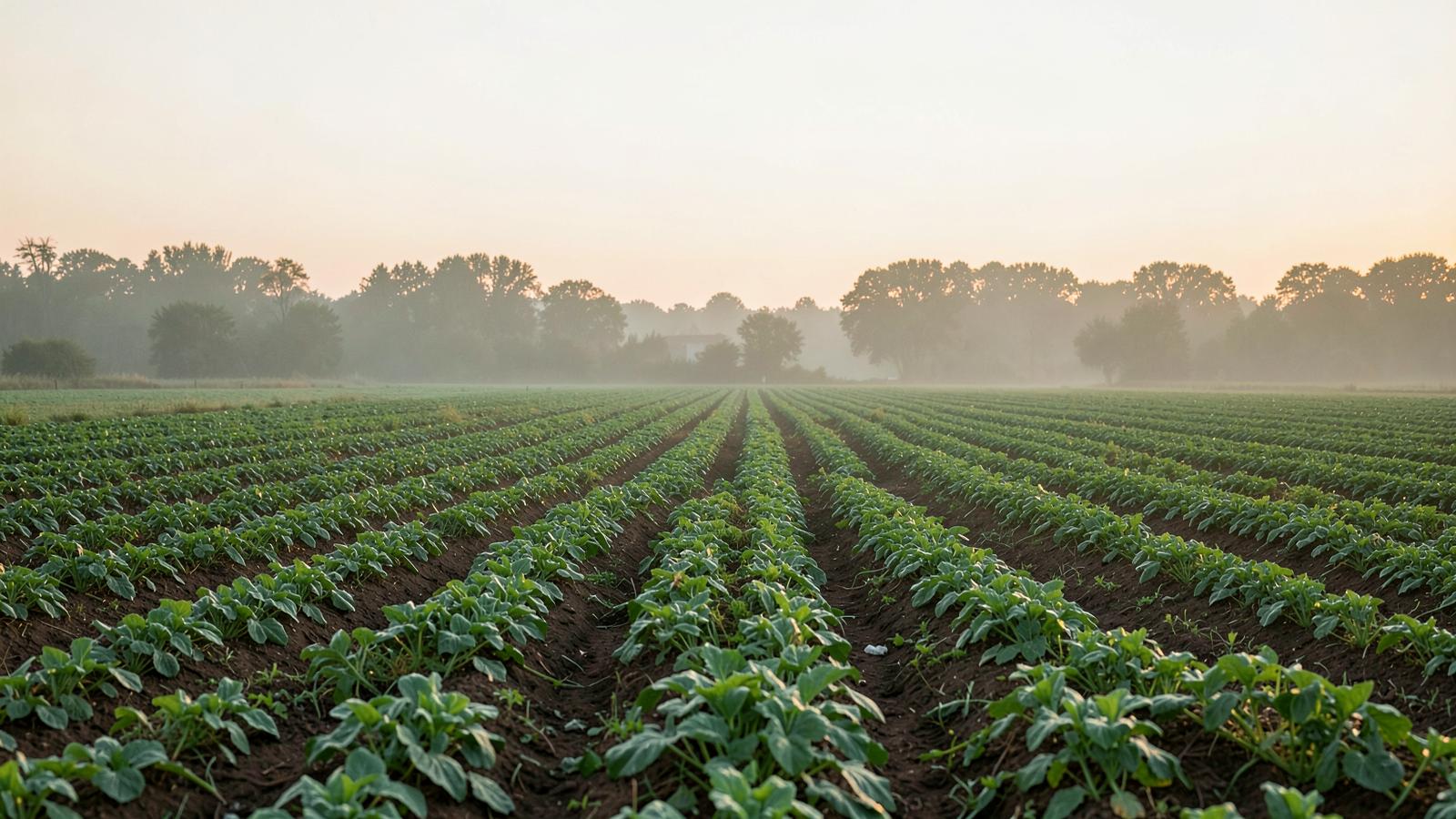
زمین ہی اصل کنجی ہے
Roughly three quarters of global farmland is used for livestock, yet it supplies a minority of the world's calories. Shifting even part of that land back to crops, forest or wetland is the single largest lever most countries hold.
کسی دعوے کو پرکھنے کے پانچ مرحلے
- 01Find the original sourceTrace the figure back to a study, dataset or public record rather than a headline restating it.
- 02Check the boundaryAsk what the number counts: farm gate only, or land use, feed, transport and processing too.
- 03Compare like with likePer kilogram, per gram of protein and per calorie can point in different directions.
- 04Look for the rangeCredible estimates come with uncertainty; a single precise-sounding figure often hides it.
- 05Ask who is affectedAnimals, workers, neighbouring communities and future readers all carry part of the cost.
غلط فہمی اور شواہد
| عام دعویٰ | شواہد کیا بتاتے ہیں | یہ کیوں اہم ہے |
|---|---|---|
| Local food is always the lowest-carbon choice | Transport is a small share of most food footprints; what is produced matters more than how far it travelled. | It redirects effort towards the choices with real leverage. |
| Plant-based eating cannot meet protein needs | Legumes, grains, soy foods, nuts and seeds cover protein and amino-acid needs in well-planned diets at every life stage. | Nutrition myths keep people from a change they were open to. |
| Higher-welfare labels mean animals are not harmed | Label standards vary widely and many permit routine practices readers would not expect. | Informed choices depend on knowing what a label actually certifies. |
| Individual choices are irrelevant next to policy | Demand shifts change what is produced, funded and legislated; the two move together. | It replaces fatalism with something you can act on this week. |
بحث کی اصطلاحات
- Factory farming
- Intensive confinement systems that maximise output per animal and per unit of space.
- Life-cycle assessment
- A method that totals environmental impact across every stage of a product's life.
- Sentience
- The capacity to feel, perceive and experience — the basis of most animal-welfare law.
- Land-use change
- Conversion of forest, grassland or wetland into farmland, and the emissions it releases.
- Food-system resilience
- How well supply survives drought, disease and price shocks.
- Just transition
- Policy that protects farmers and workers while production shifts.
شواہد سے روزمرہ انتخاب تک
یہ سب پلیٹ پر کیسا لگتا ہے
Numbers describe the system; meals, votes and purchases are how most people meet it. This field guide turns the reporting into concrete swaps, a four-week plan and the signals worth watching, so a page of research becomes something you can act on this week without pretending the hard parts are simple.
سب سے مؤثر متبادل
| اس کے بجائے | یہ آزمائیں | یہ کیوں اہم ہے |
|---|---|---|
| Beef mince | Lentils, beans or soy mince | Beef carries by far the highest emissions and land use per gram of protein. |
| Dairy milk | Soy or pea milk | Comparable protein with a fraction of the land, water and emissions. |
| Cheese in daily meals | Nut or seed-based spreads, cashew cheese | Cheese is the most resource-intensive dairy product per kilogram. |
| Chicken and eggs | Tofu, tempeh, chickpeas | Removes the welfare cost of the most intensively farmed animals. |
| Farmed shrimp and salmon | Beans, jackfruit, seaweed-seasoned dishes | Avoids mangrove loss, bycatch and wild fish used as feed. |
| Butter | Olive or rapeseed oil | Lower emissions per kilogram and better cardiovascular profile. |
چار ہفتوں کا قابلِ عمل منصوبہ
Most people who change their diet permanently do it gradually, one meal slot at a time, keeping the food they already like at the centre.
- 01Week 1 — breakfastChange the meal with the fewest variables: swap milk, add fruit, keep everything else identical.
- 02Week 2 — three dinnersCook three plant-based dinners you already know how to make well, rather than new recipes.
- 03Week 3 — restockRebuild the cupboard around pulses, grains, tinned tomatoes, nuts and frozen vegetables.
- 04Week 4 — eating outFind two reliable options near work or home, so social meals never become the failure point.
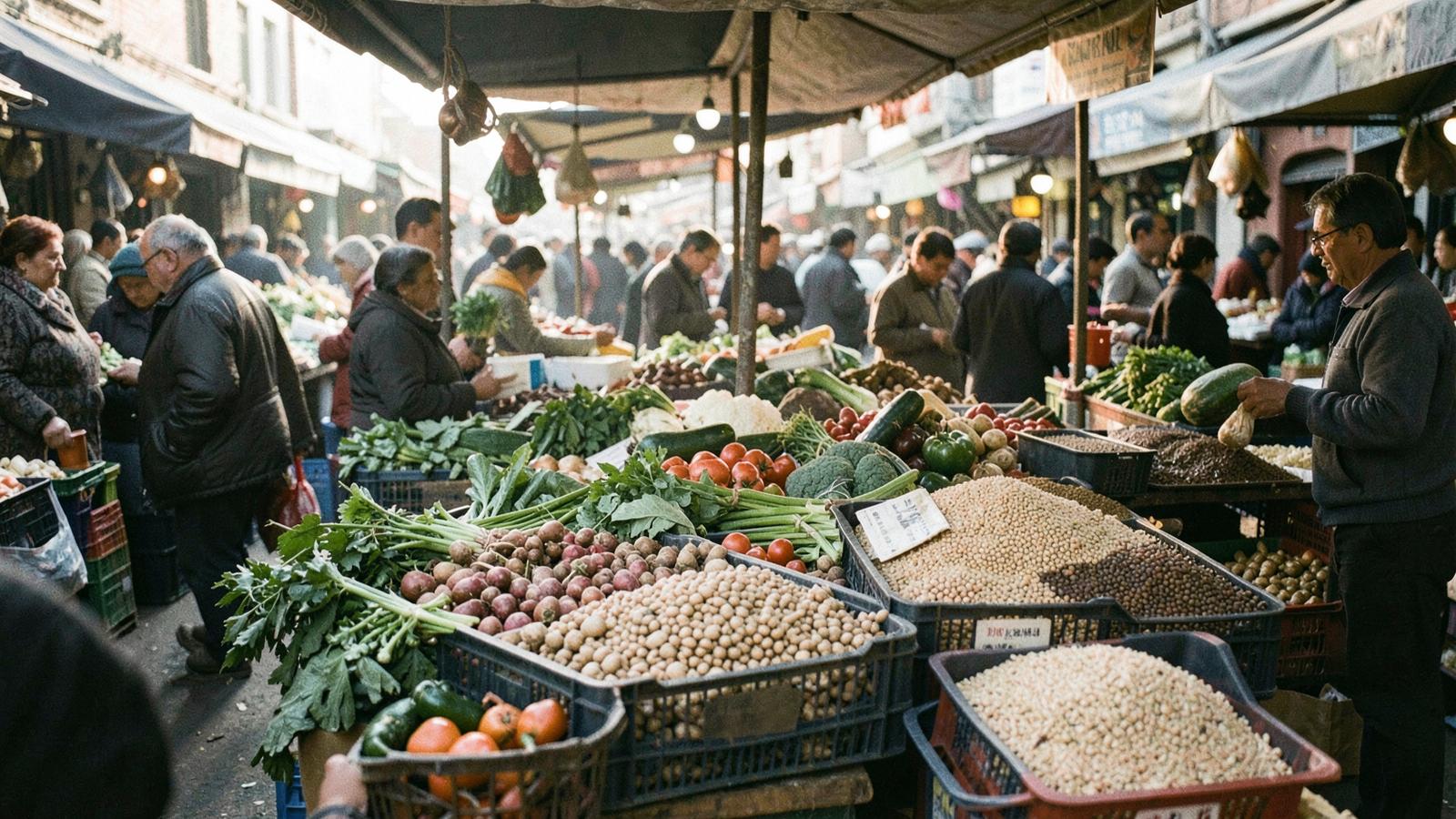
جہاں تبدیلی نظر آتی ہے
Markets are the clearest place to watch demand shift: as pulses, grains and vegetables take more shelf space, producers, buyers and policy follow the money rather than the argument.
دیکھنے کے قابل اشارے
- Retail shelf shareHow much space plant-based products hold is a better indicator than launch announcements.
- Cage and crate bansLegislation on confinement moves faster than diet change and affects billions of animals.
- Feed-crop areaLand planted for animal feed shows whether production is actually shifting.
- Institutional menusSchools, hospitals and canteens change the default meal for millions at once.
- Price parityWhen plant-based costs the same or less, adoption stops depending on conviction.
- Transparency rulesLabelling and inspection records determine what the public can even see.
عملی سوالات
- Do I have to change everything at once?
- No. Reducing the most resource-intensive foods most often — beef, cheese and farmed fish — produces most of the measurable effect, and partial changes maintained for years outperform strict changes abandoned in a month.
- Is plant-based eating more expensive?
- Staples such as lentils, beans, rice, oats, seasonal vegetables and tofu are among the cheapest sources of protein and calories. Cost rises mainly with processed meat substitutes, which are optional.
- What about nutrients like B12, iron and omega-3?
- A B12 supplement is standard advice for anyone eating mostly or entirely plant-based. Iron comes from legumes, tofu and greens, absorbed better with vitamin C; omega-3 from flax, walnuts, chia or an algae supplement.
- Does any of this reach the animals themselves?
- Demand determines how many animals are bred, and legislation determines how they are kept. Reporting tracks both because neither works alone.
How the system actually works
A map of the food system this newsroom covers
Most coverage of animals, diets and climate arrives as isolated stories: a slaughterhouse investigation, a methane figure, a supermarket launch. They belong to one system with a small number of decision points. This map sets out that system stage by stage — who owns each step, where animals enter it, what the public can see, and which levers have historically moved it — so every article on this site can be read in context rather than as an isolated shock.
Stage by stage, from field to plate
Animal agriculture is a chain of separate businesses. Pressure applied at one link rarely stays there; it moves upstream to feed and land, or downstream to retail and price.
| Stage | What happens | Where the leverage sits |
|---|---|---|
| Land and feed | Soy, maize and grass are grown to feed animals, using roughly three quarters of agricultural land worldwide. | Deforestation rules, feed-import standards, and any fall in demand for animal products. |
| Breeding | Genetics companies supply fast-growing birds and high-yield dairy lines used across most of the industry. | Growth-rate standards; welfare commitments that specify breed, not just space. |
| Rearing | Animals are housed at density, typically indoors, with confinement systems that vary by species and country. | Cage, crate and stocking-density law — the fastest-moving area of animal legislation. |
| Transport and slaughter | Live animals move to centralised plants; a small number of companies process most of the volume. | Journey-time limits, CCTV and inspection rules, stunning requirements. |
| Processing and brands | Meat and dairy become branded products, with margins concentrated in processing rather than farming. | Labelling law, marketing claims, and corporate sourcing commitments. |
| Retail and food service | Supermarkets, canteens and restaurants set the default meal for most people most days. | Shelf share, menu defaults, procurement contracts and price parity. |
| The plate | Households choose within the range and prices the previous stages allow. | Repeat purchases, which retailers track far more closely than surveys. |
Who actually decides
Individual choices matter, but they are amplified or blunted by a handful of institutions that set defaults for millions of meals at a time.
- Supermarket buyersA handful of buyers decide what fills the shelves of an entire country, and their sourcing standards travel back up the chain to farms.
- Public procurementSchools, hospitals, prisons and armed forces buy meals in bulk; changing the default menu shifts millions of meals without asking anyone to change their mind.
- Regulators and inspectorsWhat can be documented determines what can be enforced. Inspection frequency and CCTV rules decide whether standards exist on paper or in practice.
- Subsidy designAgricultural support still flows mainly to animal products and feed crops, keeping prices below what the resource use would otherwise imply.
- Investors and lendersFinancing terms for new sheds, expansions and processing capacity set the size of the industry a decade ahead.
- Courts and citizen initiativesReferenda, lawsuits and ballot measures have repeatedly delivered confinement bans that legislatures would not pass on their own.
Land is the quiet variable
Most farmland on earth feeds animals rather than people directly. That single fact explains why diet, deforestation, wildlife loss and climate keep turning up in the same story.
The same system, different pressure points
| Region | What shapes outcomes there |
|---|---|
| European Union | Confinement law and labelling lead globally; the unresolved question is imported animal products produced to lower standards. |
| United States | State ballot measures drive welfare change while federal rules lag; litigation over interstate sales is the recurring battleground. |
| Brazil and South America | Feed-crop expansion and cattle ranching sit at the interface with forest loss, making land use the decisive issue. |
| China and East Asia | Rapid growth in intensive production alongside fast-growing plant-based and cultivated protein investment. |
| India and South Asia | The world's largest dairy sector, where welfare questions centre on cattle, transport and the fate of male calves. |
| Sub-Saharan Africa | Smallholder systems dominate today; whether intensive models are imported is still an open decision. |
What has already changed
Change in this system is slow, then sudden. These are the shifts that repeat across countries once they start.
- 01Battery cagesBans moved from single countries to whole blocs, then to corporate commitments covering supply chains beyond the law.
- 02Sow stalls and veal cratesRestricted in a growing list of jurisdictions once footage made routine confinement visible to voters.
- 03Plant-based milkMoved from specialty shelf to standard option in cafés and supermarkets within roughly a decade.
- 04Slaughterhouse CCTVIntroduced after undercover footage, converting sporadic scandal into continuous documentation.
- 05Deforestation-linked feedImport rules now require supply-chain evidence, tying European diets to land use elsewhere.
- 06Institutional menusCities and universities adopting plant-based defaults have produced the largest single-decision emissions cuts in catering.
How to read a claim about farming or diets
Most disputes come down to a handful of recurring tricks. Running a claim through these questions resolves the majority of them.
- Per what?Impacts per kilogram, per gram of protein and per calorie tell different stories. Ask which one is being used and why.
- Whose average?A best-case farm is not a national average, and a national average is not the global one behind imported products.
- Who funded it?Industry-funded studies are not automatically wrong, but disclosure changes how much weight a single result deserves.
- Legal or actual?A practice being legal says nothing about how common it is; enforcement records are the better source.
- Is the comparison fair?Comparing a processed substitute to a raw ingredient, or a farm to a factory, usually smuggles in the conclusion.
- What would change your mind?Claims that no evidence could falsify are advocacy, from any direction, and should be read as such.
Questions readers ask about the system
- Is factory farming the exception or the norm?
- It is the norm. The large majority of farmed land animals worldwide are raised in intensive systems; extensive and pasture-based farming accounts for a small share of total production, even where it dominates the imagery used to sell it.
- Why does land use matter so much?
- Around three quarters of agricultural land supports animal products that supply a minority of global calories and protein. Land is therefore the link between diets, deforestation, wildlife decline and climate targets.
- Do welfare reforms slow down bigger change?
- The evidence does not support that trade-off. Jurisdictions that banned confinement systems have generally also seen the fastest growth in plant-based alternatives, because both follow the same shift in public attention.
- Can individual choices matter in a system this large?
- Individually they are small; in aggregate they are the demand signal every other stage responds to. The measurable effects come from sustained changes across many people, and from the institutions that set default meals.
- Where does this newsroom get its figures?
- From peer-reviewed research, government inspection and production data, and named organisations. Where estimates are contested, articles say so and give the range rather than the most striking number.