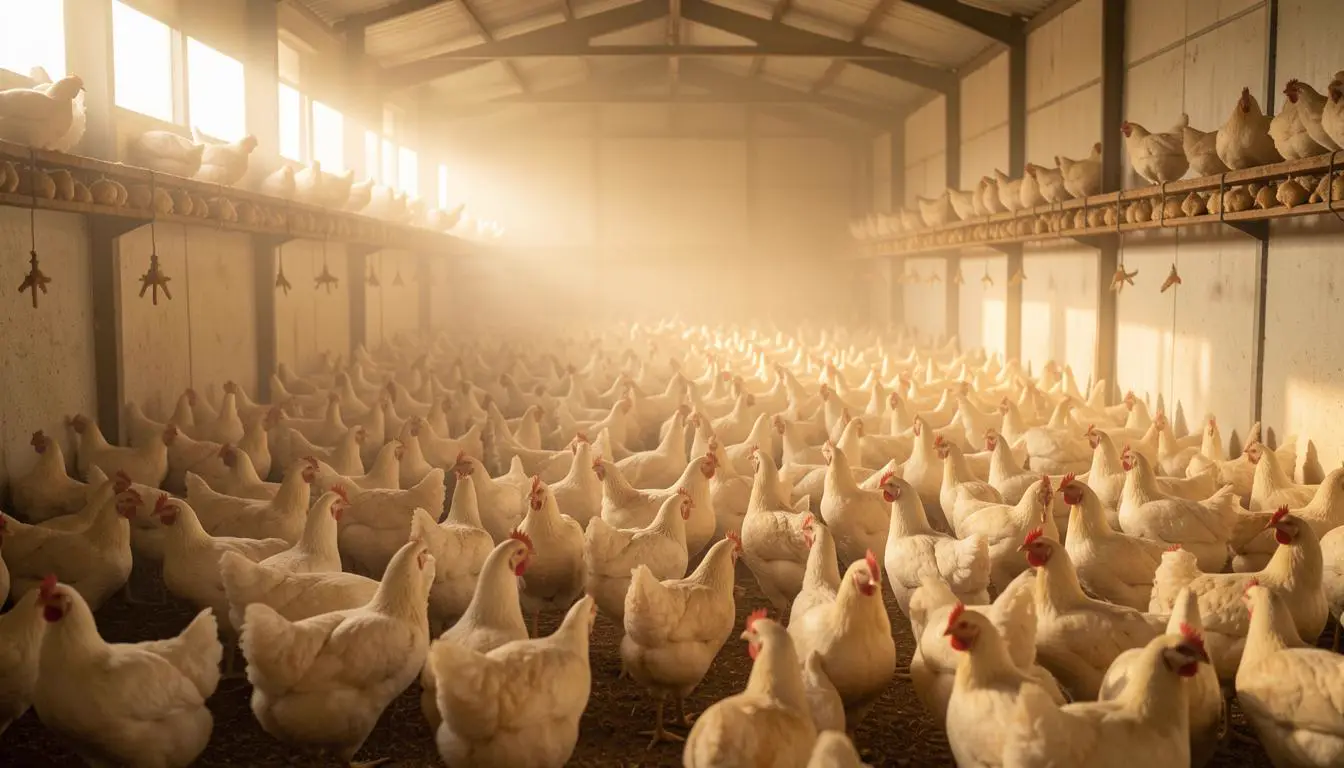
Ever wondered how many broiler chickens can comfortably fit in a square meter of farming space? The answer lies in the science of broiler stocking density, which directly impacts the welfare of these birds, food safety, and even the equipment in your kitchen.
What is the recommended broiler stocking density?
According to a study published in the British Poultry Science journal (2019), the recommended stocking density for broilers is 17 kg/m². However, many commercial farms operate at higher densities, often exceeding 21 kg/m².
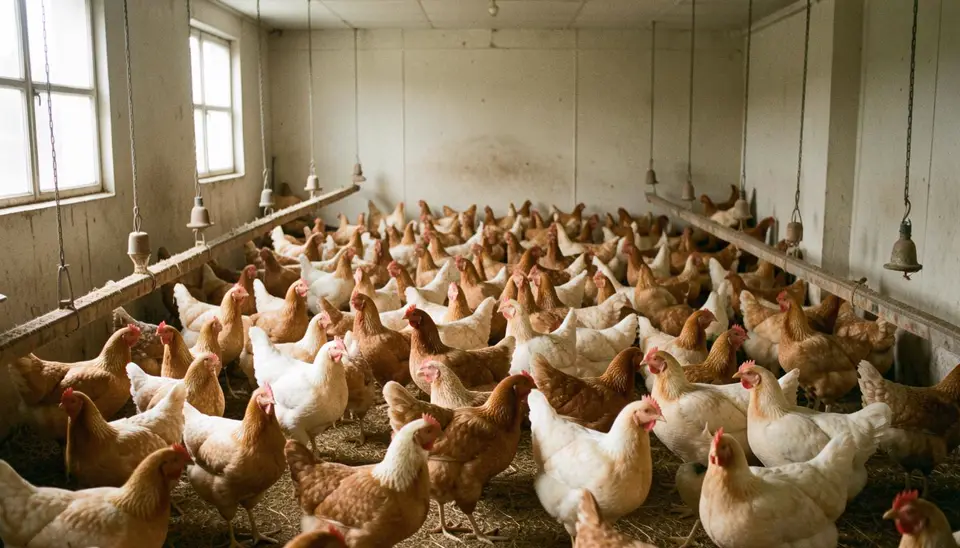
| Region | Density (kg/m²) |
|---|---|
| EU | 19.5 |
| Recommended | 17 |
How does high stocking density affect chicken welfare?
“High stocking densities lead to increased aggression, injury, and reduced growth rates in broilers. The welfare of these birds is significantly compromised.”
What are the implications for kitchen equipment and food safety?
High stocking densities increase the risk of foodborne illnesses, such as campylobacter and salmonella, which can be transmitted to consumers through improperly cooked chicken products. This can lead to kitchen equipment being used more frequently for cleaning and sanitizing, potentially shortening its lifespan.
What are the environmental impacts of high stocking densities?
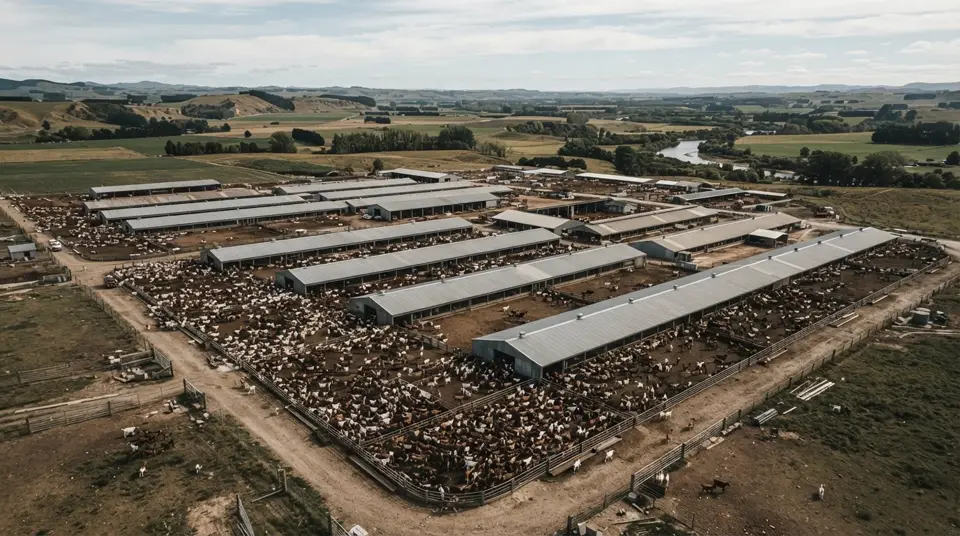
Factory farming, which often involves high stocking densities, contributes to greenhouse gas emissions, water pollution, and deforestation. Switching to plant-based alternatives can significantly reduce these environmental impacts.
Greenhouse gas emissions by food type
Frequently asked questions
What is the difference between broiler and layer chickens?+
Broiler chickens are bred for meat production, while layer chickens are kept for their eggs.
How can I reduce my environmental impact while cooking at home?+
Switching to plant-based proteins, eating seasonally, and reducing food waste are all effective ways to reduce your environmental impact in the kitchen.