The dairy industry in the Middle East faces numerous misconceptions, particularly surrounding dehorning practices and their impact on antibiotic resistance. This article decodes four common myths, providing evidence-based facts and busting industry claims.
Myth 1: Dehorning prevents aggressive behavior
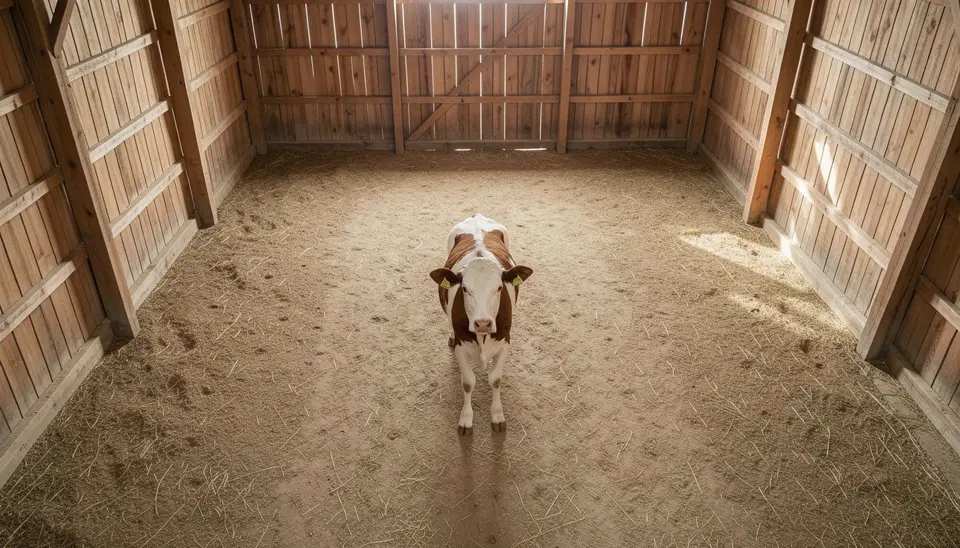
Industry claims that dehorning is necessary to prevent aggressive behavior among cattle. However, evidence shows that dehorning actually increases aggression. A study conducted by the University of Sydney (2018) found that dehorned cattle exhibited more frequent and intense aggressive behaviors than their peers with horns.
Myth 2: Dehorning does not contribute to antibiotic resistance
The dairy industry often downplays the link between dehorning and antibiotic resistance. However, dehorning can lead to infections, which often require antibiotic treatment. A report by the World Health Organization (2019) highlights the misuse of antibiotics in livestock as a major driver of antibiotic resistance.

In the Middle East, the extensive use of antibiotics in dairy farming has contributed to the rise of antibiotic-resistant pathogens. A study published in the Journal of Global Antimicrobial Resistance (2023) found high levels of antibiotic resistance among bacteria isolated from dairy farms in the region.
Myth 3: Antibiotic resistance is not a concern in the Middle East
Some industry representatives argue that antibiotic resistance is not a significant issue in the Middle East. However, this claim is refuted by numerous studies. For instance, a report by the Islamic Republic of Iran's Ministry of Health and Medical Education (2022) highlighted the increasing prevalence of antibiotic-resistant pathogens in the country's dairy sector.
Myth 4: Alternatives to dehorning and reduced antibiotic use are not feasible
The dairy industry often claims that alternatives to dehorning and reduced antibiotic use are not practical or profitable. However, various studies and real-world examples prove otherwise. For example, the Netherlands, a major dairy producer, has successfully reduced antibiotic use by 64% between 2009 and 2019 through stricter regulations and improved animal health management (Dutch Ministry of Agriculture, Nature and Food Quality, 2020).
| Region | Antibiotics used (mg/PCU) |
|---|---|
| North America | 421 |
| Europe | 238 |
| Asia | 184 |
| Middle East | 156 |
| Africa | 78 |
| Latin America | 64 |
Antibiotic resistance deaths by region
“Dehorning is a cruel practice that causes significant pain and stress to the animals. It's high time we consider alternative methods to manage animal behavior and reduce our reliance on antibiotics.”
Frequently asked questions
Is dehorning painful for cows?+
Yes, dehorning is painful and stressful for cows. It can cause immediate and lasting physical and behavioral changes.
What are some alternatives to dehorning?+
Alternatives include using horned cattle breeds, improving animal husbandry practices, and managing cattle behavior through non-physical methods.
How can antibiotic resistance be combated in the dairy industry?+
Reducing antibiotic use, improving animal health management, and promoting responsible antibiotic use are key strategies to combat antibiotic resistance.