When dairy cows are no longer productive, they typically face slaughter or sale, often under challenging conditions. This journey from farm to slaughterhouse or other destinations highlights the need for responsible management, especially in Southern Africa's dairy industry. Here, we track corporate pledges and on-ground realities of culled dairy cows' journeys.
The journey of culled dairy cows can be mapped through several stages, each presenting opportunities for improved management and welfare. Let's explore this journey hop-by-hop, with a focus on Southern Africa.
Source region: The farm
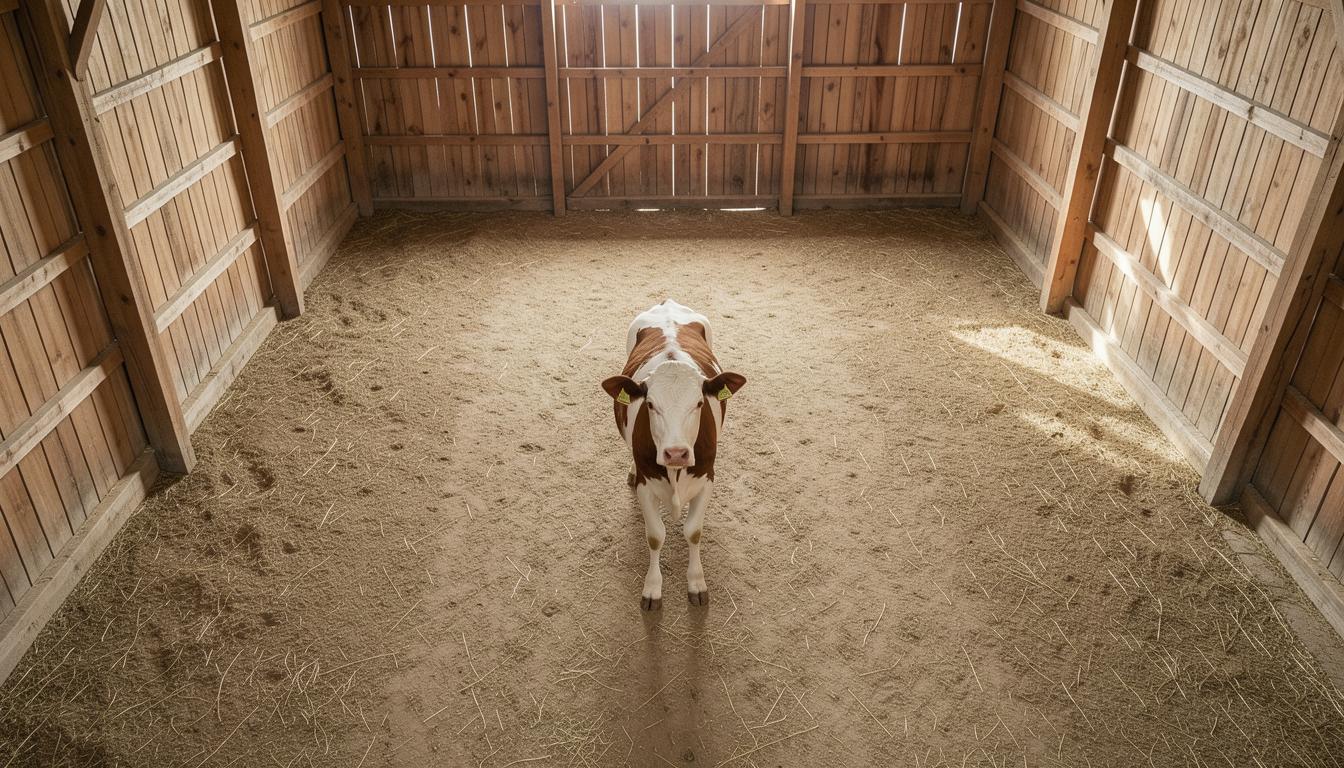
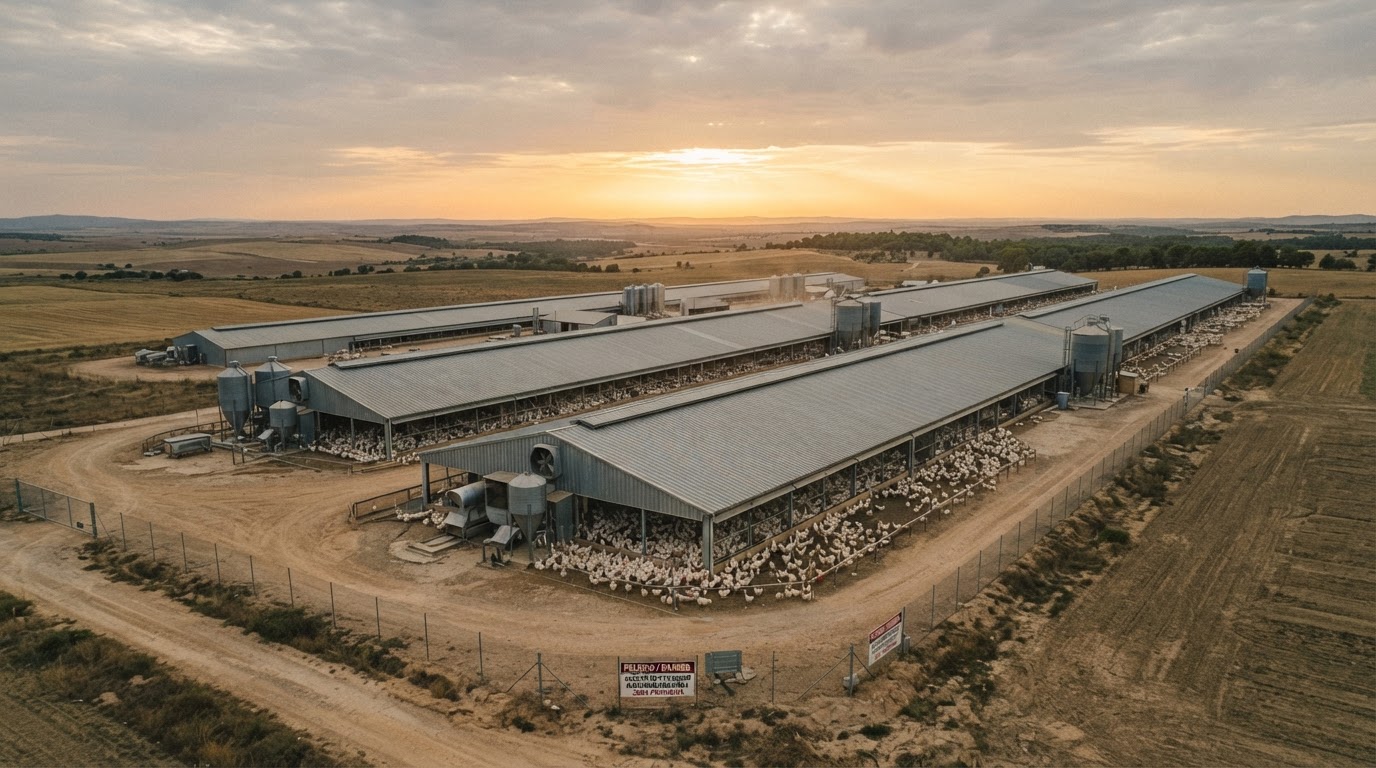
The journey begins at dairy farms, where cows are culled due to various reasons. Farmers make decisions based on economic viability, often prioritizing productivity and profit over animal welfare. This decision-making process can vary greatly, with some farmers prioritizing humane end-of-life options, while others may lack resources or awareness.
| Practice | Prevalence (%) |
|---|---|
| Slaughter on-farm | 35 |
| Transport to slaughterhouse | 45 |
| Sale at auction yard | 15 |
| Other uses (e.g., breeding, pet) | 5 |
Intermediaries: Auction yards and livestock markets
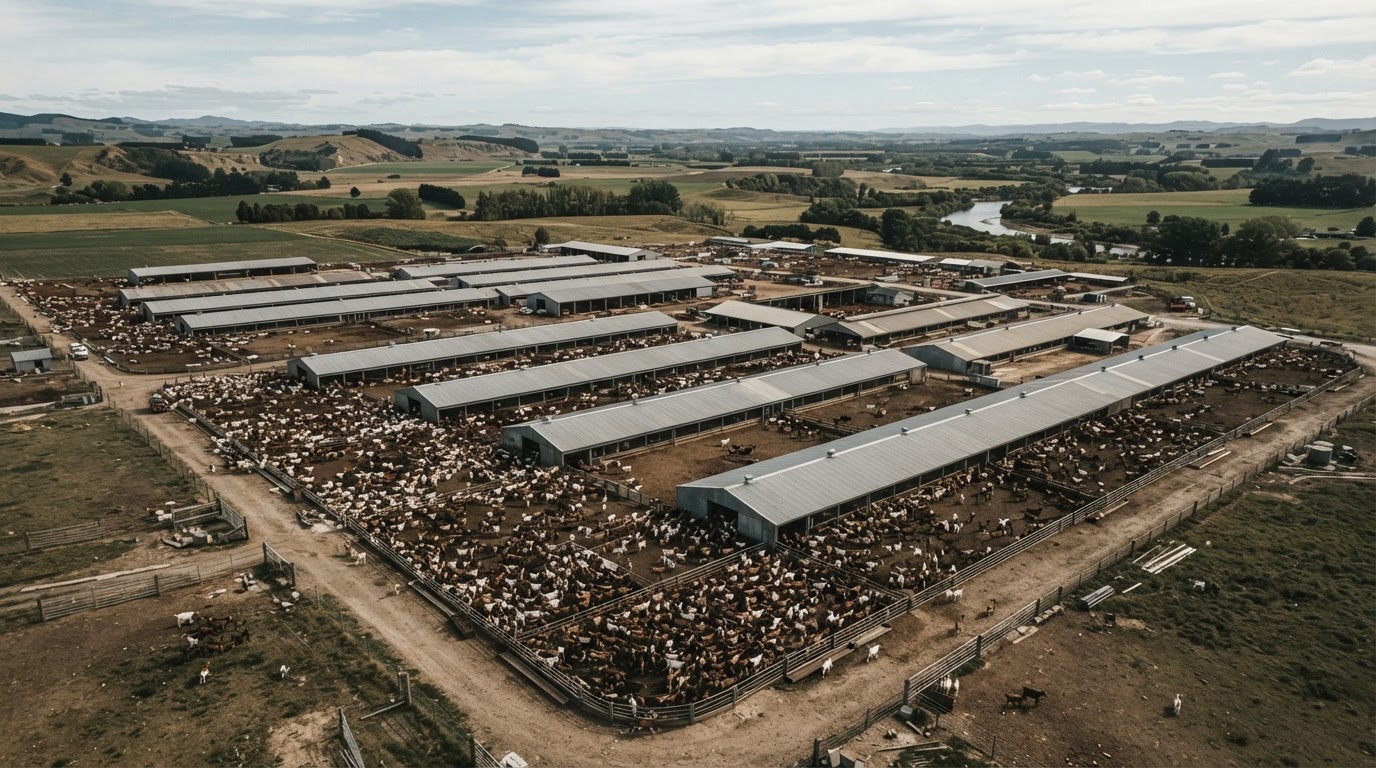
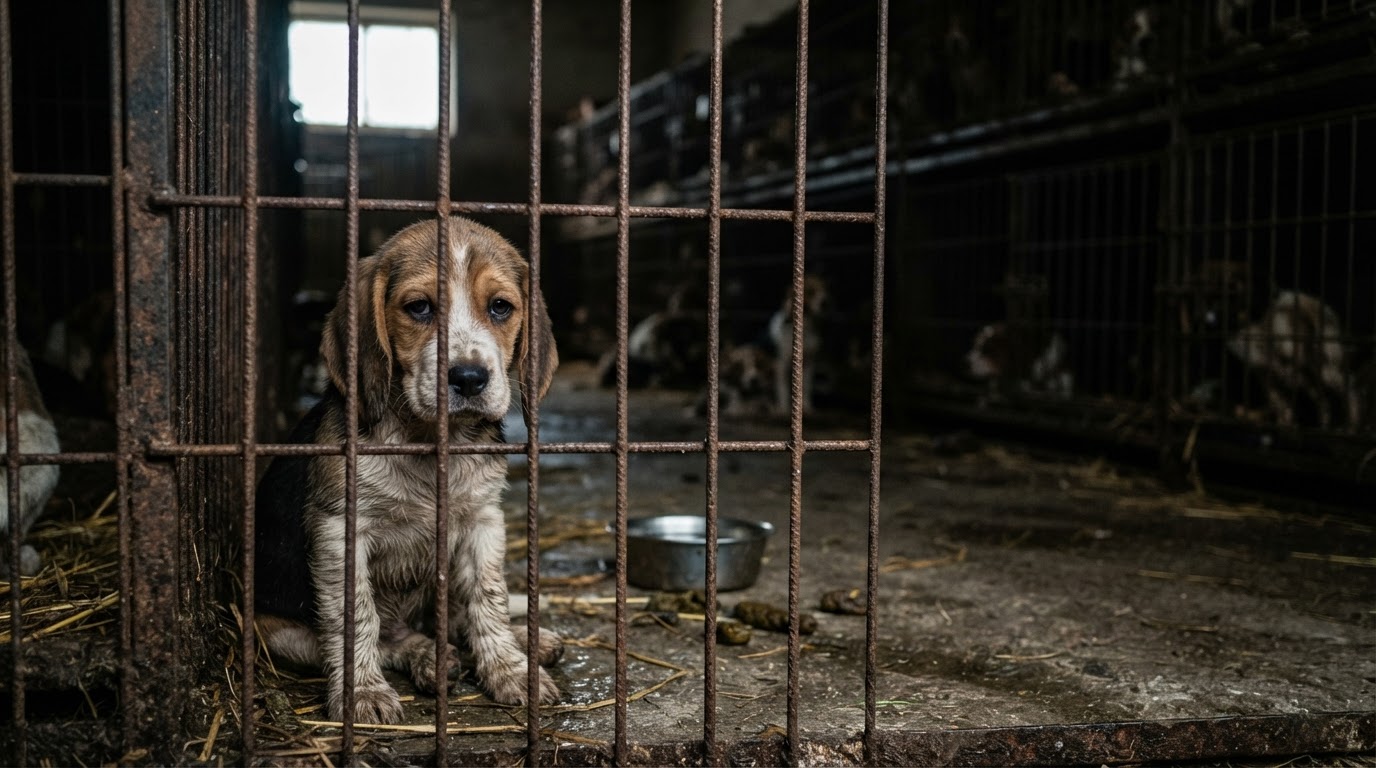
Culled dairy cows may be transported to auction yards or livestock markets, where they are bought and sold. These intermediaries play a significant role in shaping the journey's next stage. However, they often lack proper infrastructure and oversight, leading to welfare concerns.
“Auction yards can be a stressful environment for animals, with poor handling practices and overcrowding. Improving auction yard conditions is crucial for better animal welfare.”
Processors: Slaughterhouses and other facilities
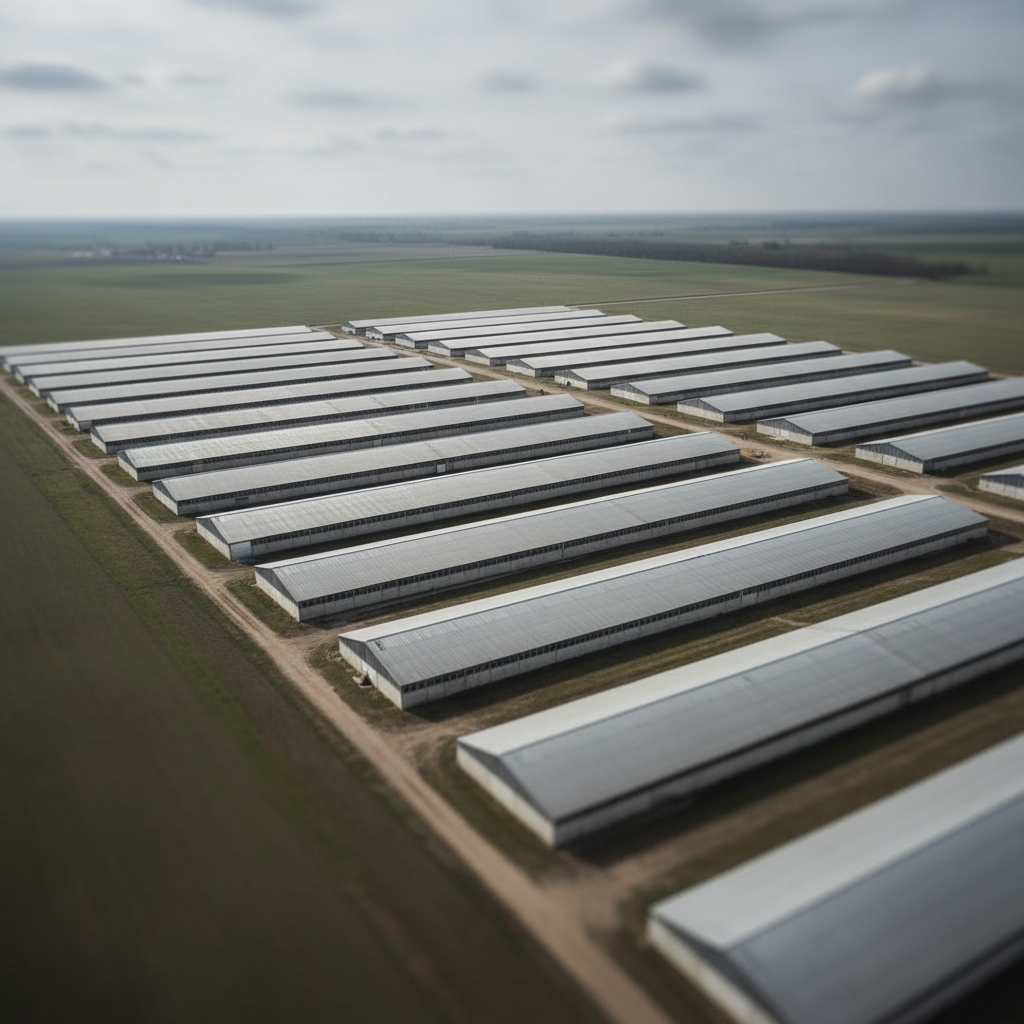
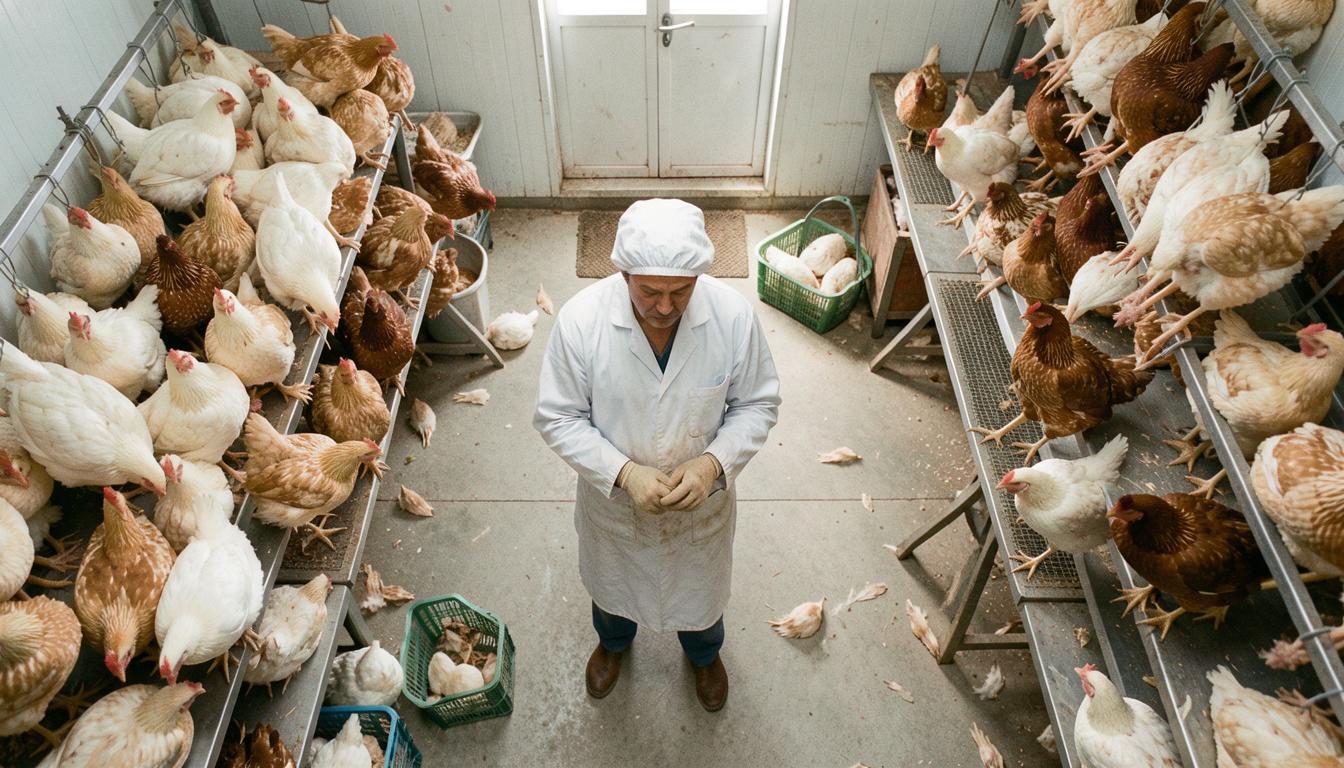
From auction yards, cows may be transported to slaughterhouses or other facilities, such as abattoirs or rendering plants. The journey's final stage often involves slaughter, with varying levels of welfare and management. Some facilities may adhere to high welfare standards, while others may fall short.
Estimated proportion of culled dairy cows in Southern Africa entering slaughterhouses by welfare standard (2021)
Retailers and consumers: The role of corporate pledges
Corporate pledges on animal welfare, including those related to culled dairy cows, have gained traction in recent years. However, tracking and enforcing these commitments can be challenging, with varying levels of implementation across the region.
Frequently asked questions
What are the main challenges in managing culled dairy cows in Southern Africa?+
Challenges include a lack of resources and awareness among farmers, inadequate infrastructure at intermediaries, and varying welfare standards at processing facilities. Additionally, enforcing corporate pledges on animal welfare can be difficult.
How can consumers contribute to better management of culled dairy cows?+
Consumers can support companies that prioritize animal welfare in their supply chains, engage with retailers and brands to raise awareness, and advocate for policy reforms that improve animal welfare and sustainability.